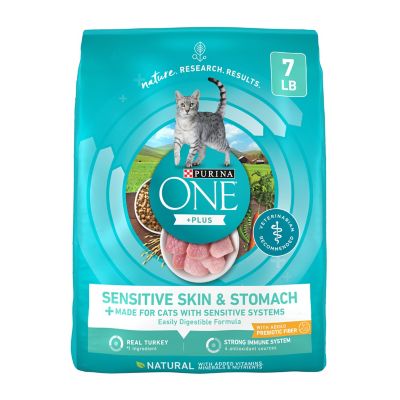
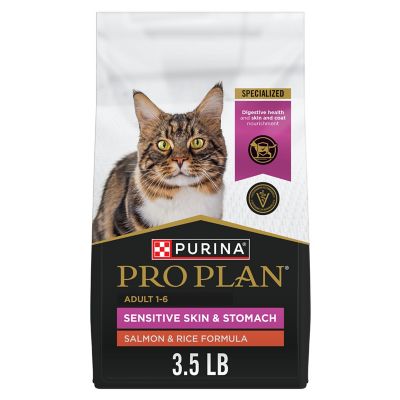
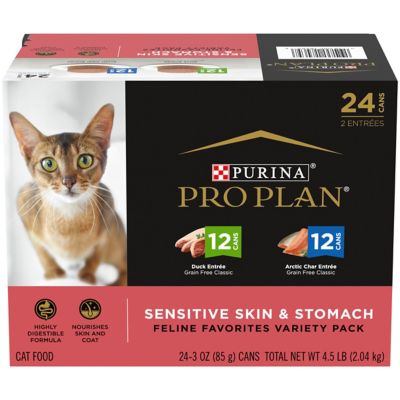
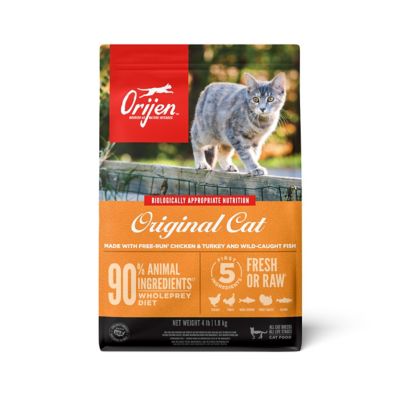
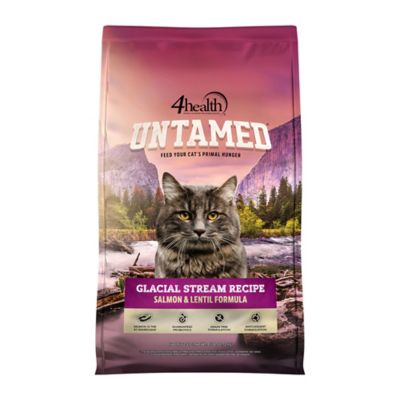
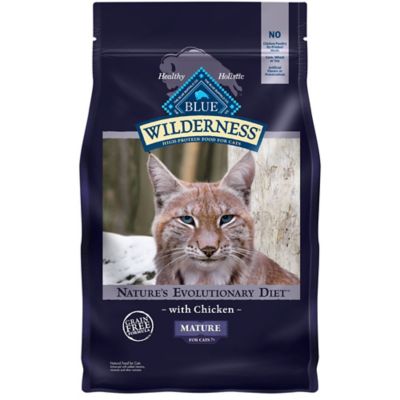
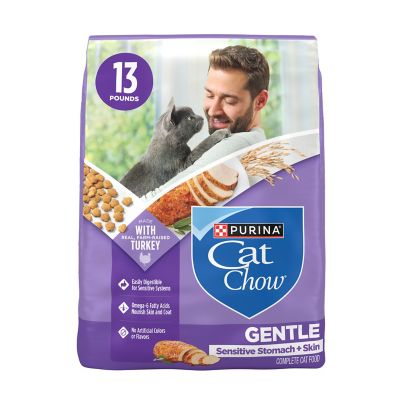
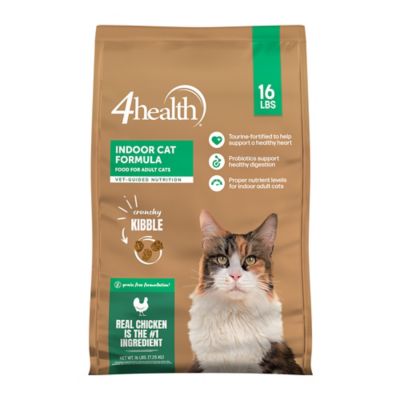
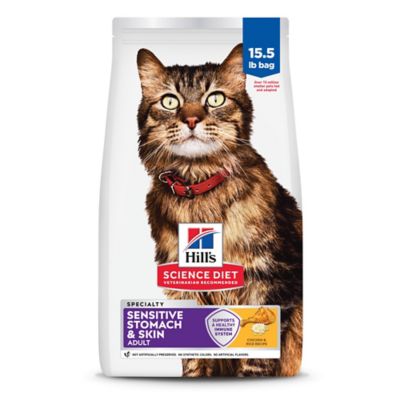
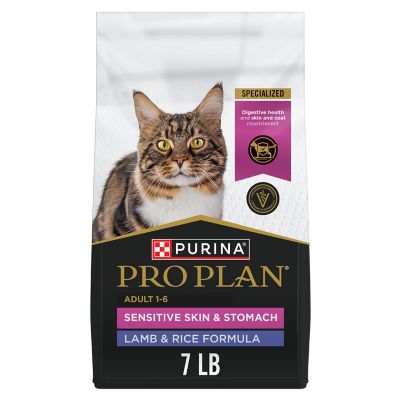
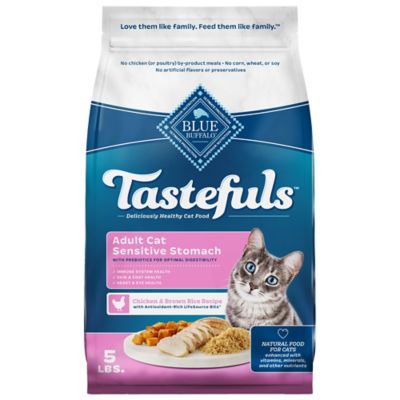
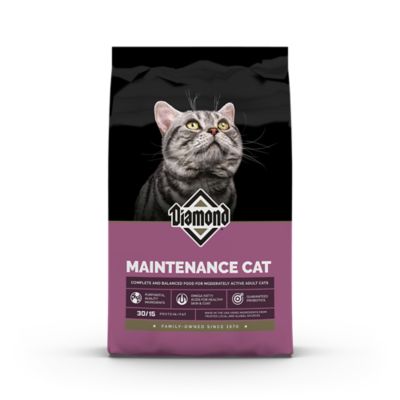
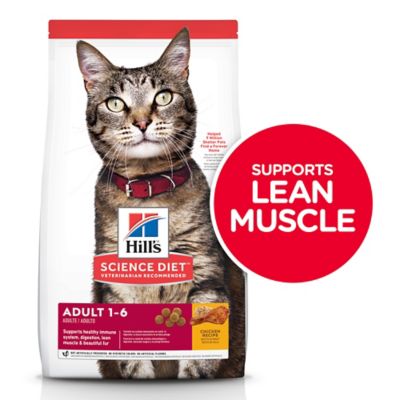
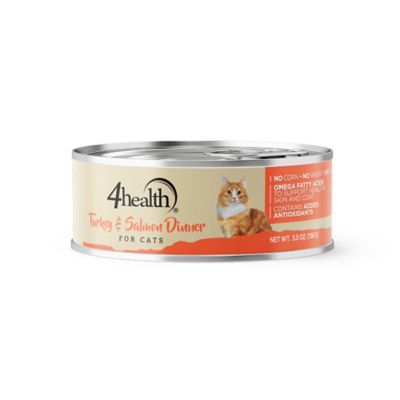
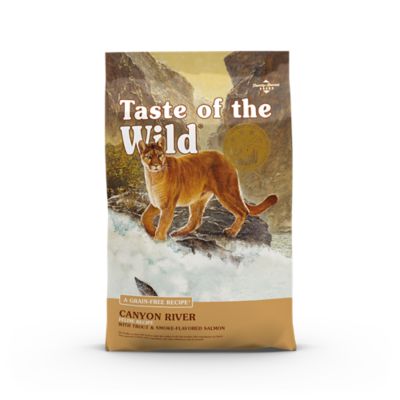
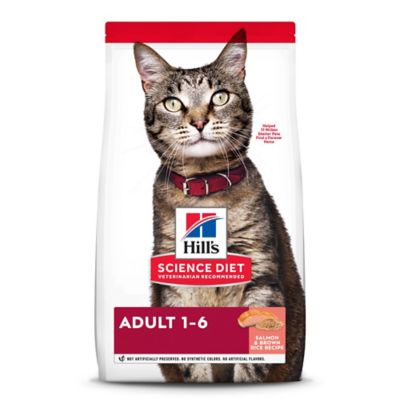
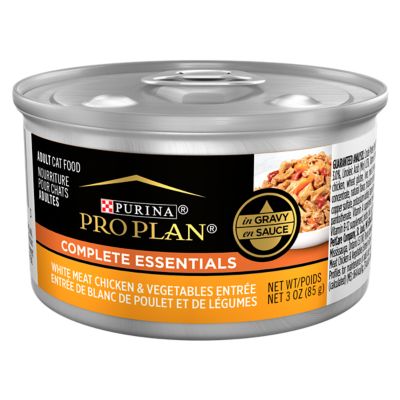
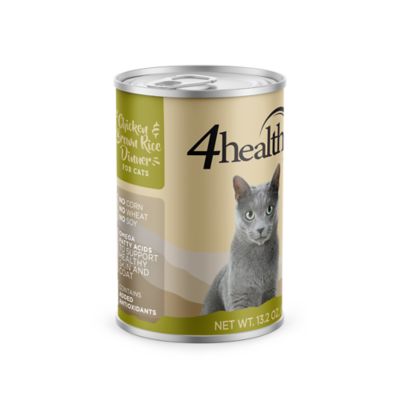
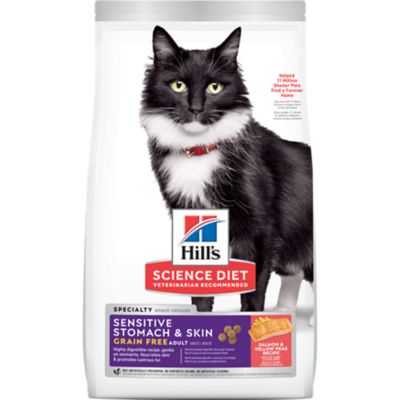
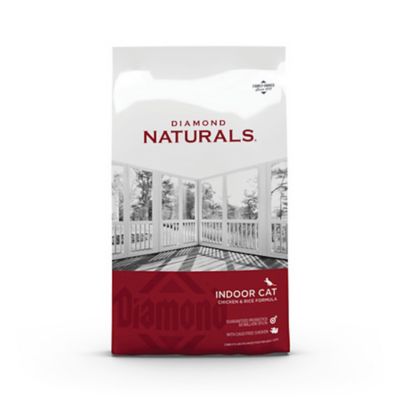
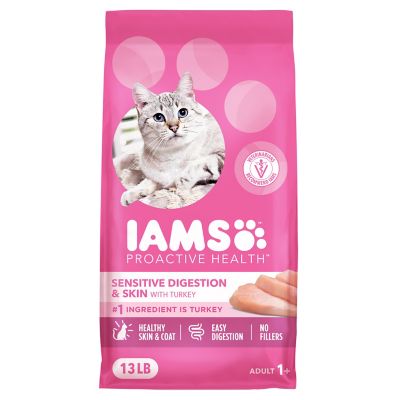
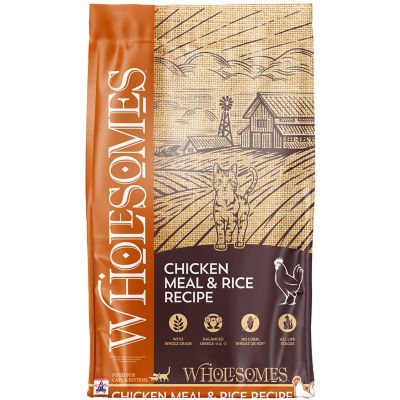
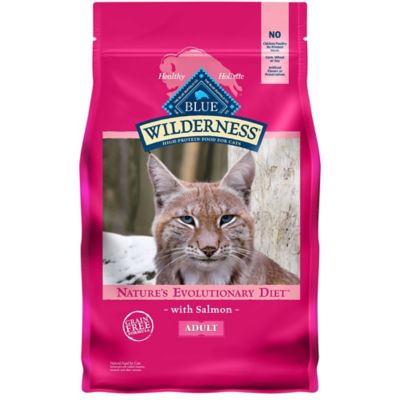
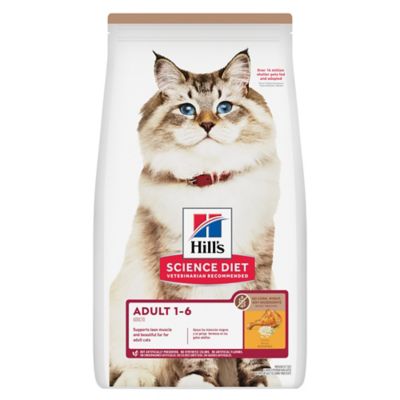
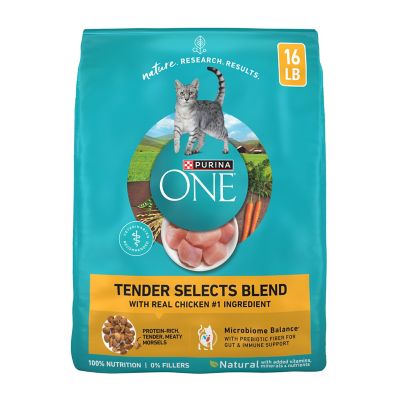
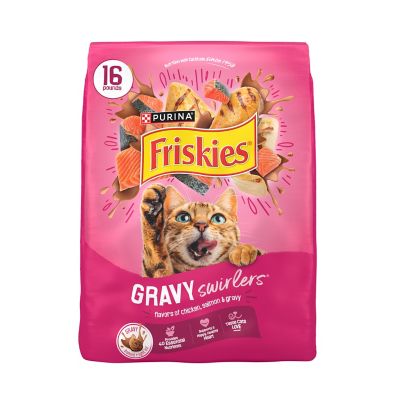
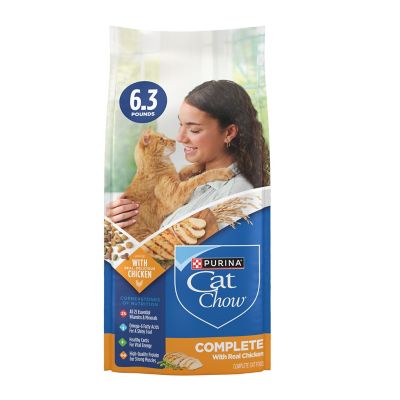
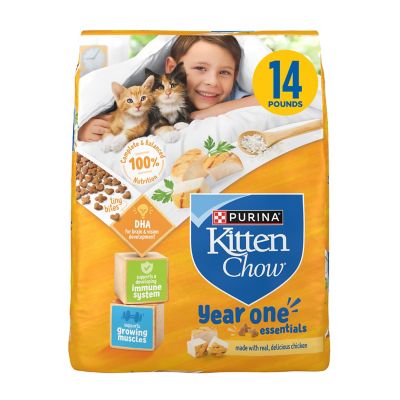
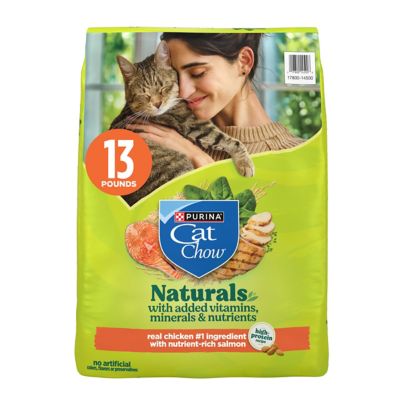
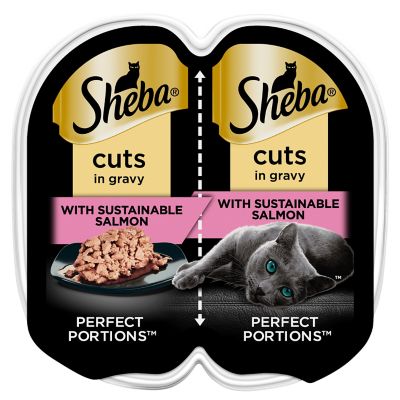
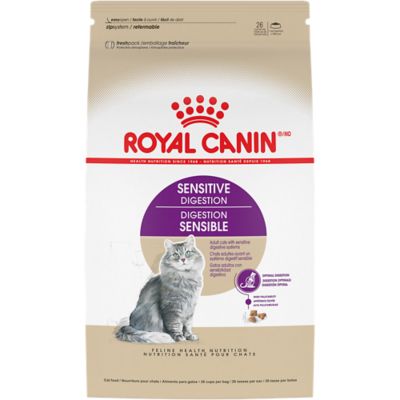
When you’ve got a cat who’s always scratching, licking, or showing signs of dry, flaky skin, it can turn into a real worry—especially as the weather warms and they spend more time sunbathing in the window or following you out to the porch. Sensitive skin in cats isn’t just about comfort; it’s about their whole well-being. That’s why picking out the best sensitive skin cat food can make all the difference, helping your feline friend shed less, scratch less, and show off a shiny, healthy coat all season long. These formulas are specially crafted with things like omega-3 and omega-6 fatty acids, often from fish oils or flaxseed, which work to soothe irritation and keep skin hydrated. You’ll also find that the best cat food for dry skin usually avoids common triggers—like certain grains or proteins that can cause allergies in some cats—and instead focuses on gentle, highly digestible ingredients. For cats who’ve had a tough time with regular food, switching to one of these options can be a real game changer, especially if you notice red spots, scabs, or extra dandruff during the drier or more humid months.
Folks who pick up sensitive skin cat food usually have a cat that’s been dealing with chronic itching, hair loss, or even digestive issues that seem to go hand-in-hand with skin problems. Sometimes, it’s a young kitten with a fussy belly, or maybe it’s an older barn cat who’s always been a bit finicky. These foods also make thoughtful gifts for friends or family who’ve just brought home a rescue cat, or anyone whose pet is recovering from a rough patch—literally. Whether you’re shopping for your own cats or picking up supplies for a neighbor who’s out of town, it’s worth looking for options that list alternative or hydrolyzed proteins, like turkey or lamb, right up top. These proteins are easier for sensitive cats to digest and are less likely to stir up allergies. Plus, many sensitive skin formulas toss in extra vitamin E and zinc to help repair the skin barrier, and some even add probiotics for gut and immune support—which can be a real blessing if your cat’s skin issues are tied to what’s going on inside. During the stretch from early summer through early fall, when pollen and heat can make skin flare-ups worse, having the right food on hand means less time worrying and more time enjoying those lazy afternoons together.
If you’ve tried over-the-counter options and your cat’s still struggling, it might be time to ask your vet about a prescription diet, especially if you’re seeing persistent flare-ups or signs of food allergies that just won’t quit. These prescription formulas often use hydrolyzed proteins—broken down so small that your cat’s immune system doesn’t even recognize them—which can help stop chronic scratching and over-grooming in its tracks. No matter which route you take, always make changes slowly, mixing new food in over several days to avoid tummy troubles. And if you want to learn more about keeping your cat’s skin and coat in top shape, check out our guide on
Cat Food For Healthy Skin And Coat for extra tips and advice. At the end of the day, a little care in choosing the right food goes a long way toward a happier, healthier cat—one that’s ready to curl up on your lap or chase after grasshoppers in the yard, no matter what the season brings.