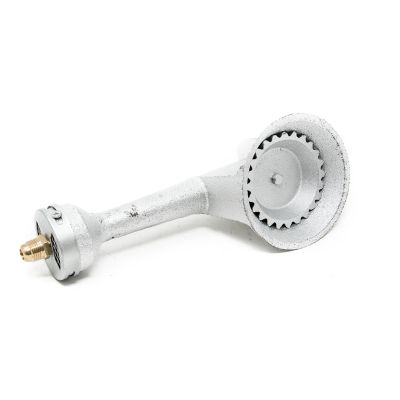
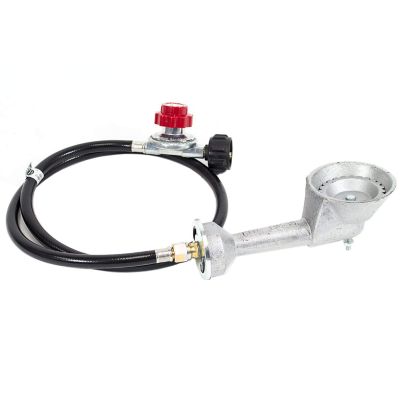
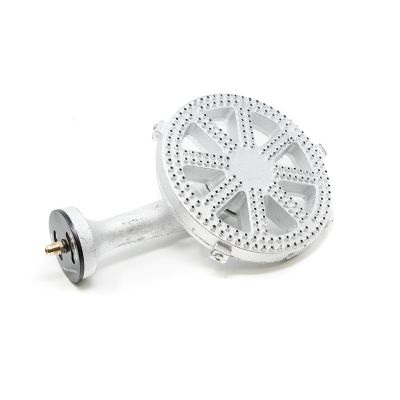
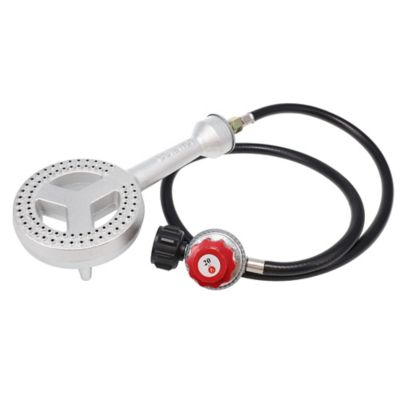
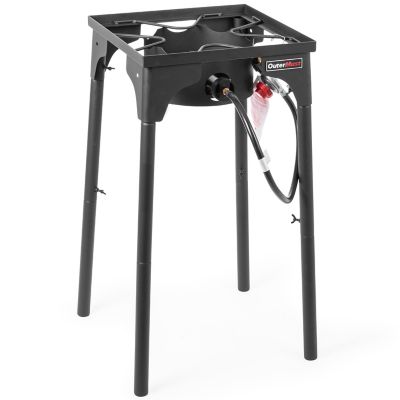
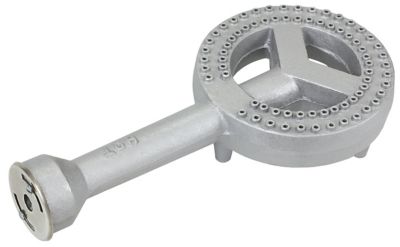
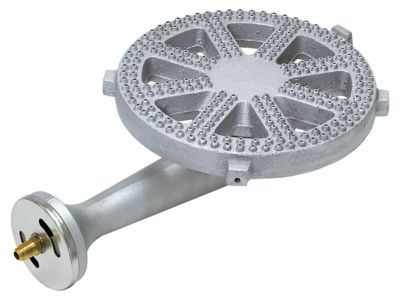
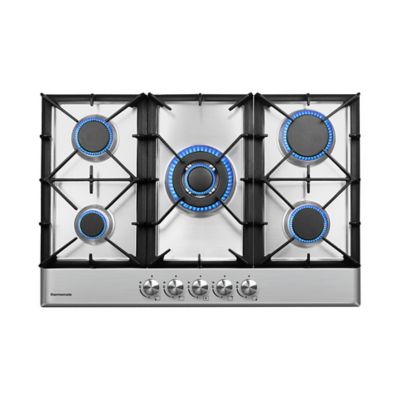
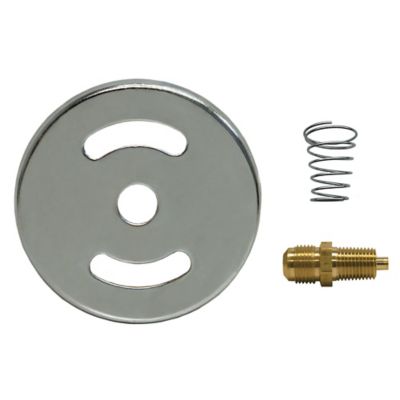
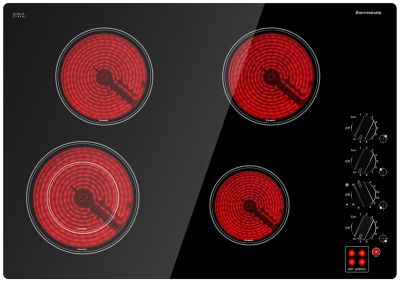
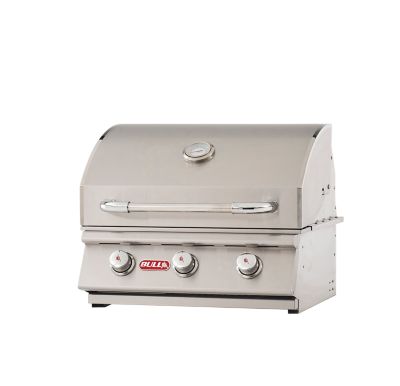
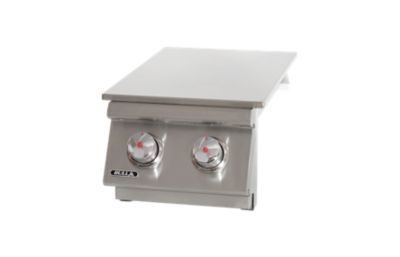
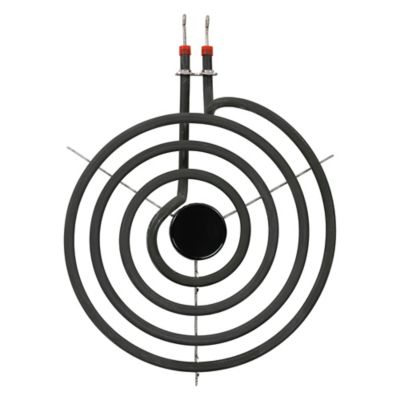
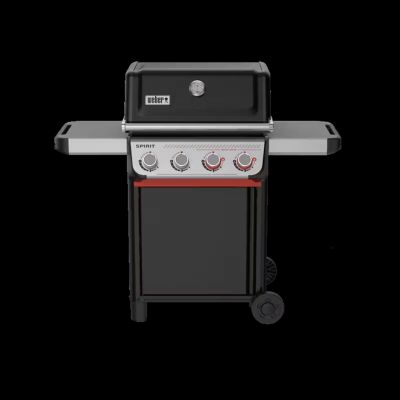
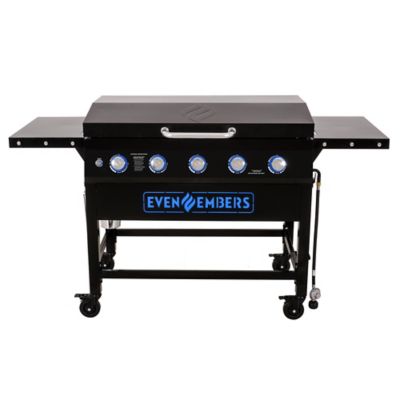
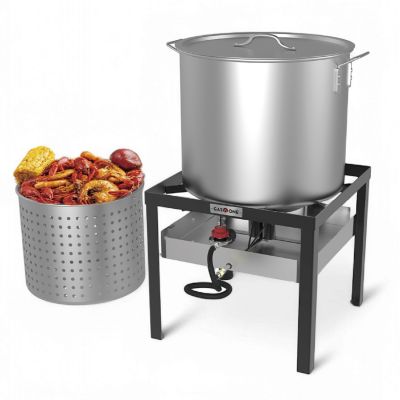
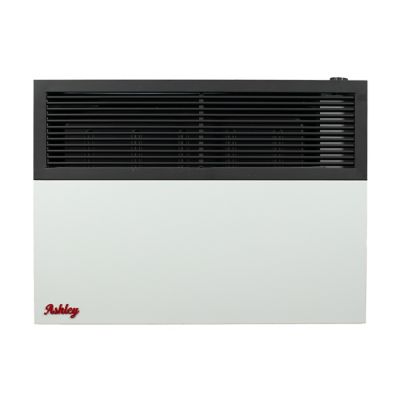
Burner heads are the working heart of many gas-powered cooking setups. Whether they sit beneath a kitchen grate or support a burner ring on an outdoor cooker, these parts help direct gas through small openings, or ports, so the flame spreads evenly and cooks with steady heat. A worn, damaged or clogged burner head can lead to uneven flames, slow heating, popping sounds or a burner that refuses to light. Replacing the right part can help bring a dependable cooking setup back to life, but fit matters more than appearance. Before choosing a burner head, identify whether it is made for an indoor range, cooktop or oven appliance, or for an outdoor propane cooker, camp stove, brewing stand or similar setup. Check the fuel type, operating pressure, mounting style, overall diameter and the number and placement of the flame ports. Some indoor burner heads are designed to sit over a sealed burner base and work with an igniter electrode, while outdoor cast-iron burner heads are built for high-heat cooking and may connect to a regulator, hose or threaded fitting. Even burner heads that look nearly identical can differ in port layout, connection size or gas requirements, so compare the old part and the appliance specifications before placing an order. If you are shopping for outdoor cooking equipment, you can also browse our selection of
Propane Burners to find options suited to cooking, camp use and other heat-heavy jobs.
A good burner head should match the way you plan to cook and the conditions where it will be used. Indoor replacement heads are commonly chosen for everyday meals, from a skillet of sausage and peppers to a stockpot simmering on a cool evening. Look for a design made for the exact appliance family whenever possible, along with the proper gas type, such as natural gas or propane. A sealed indoor burner head may help contain spills and keep the burner base easier to manage, but it still needs regular attention. Once the burner is completely cool, remove loose food debris and wipe away grease according to the appliance instructions. The small ports around the edge can collect sauce, flour or baked-on residue, which may interrupt the flame. Clean them gently with a soft brush or an approved fine tool; forcing a large object into a port can enlarge or damage the opening. Never soak electrical igniter parts, and avoid using harsh cleaners that may leave residue. For outdoor setups, heavy-duty cast iron is valued for its strength and ability to hold heat while a pot of beans, a fish-fry kettle or a large stockpot comes to temperature. These burner heads are often a practical choice for campers, hunters, backyard cooks, home brewers and anyone who regularly prepares food away from the kitchen. They can also make a thoughtful gift for the neighbor who hosts fish fries, the family member who enjoys cooking over a propane flame or the handy friend who keeps a camp kitchen ready for cooler-weather gatherings. Keep outdoor burners covered and dry between uses, and inspect them for rust, cracked metal, blocked ports or loose fittings before firing them up.
Safe installation and careful upkeep are just as important as choosing the correct burner head. Turn off the gas supply and disconnect electrical power before removing or inspecting an indoor burner assembly. For an outdoor cooker, close the propane valve, let every part cool completely and follow the equipment instructions before replacing a burner head or changing a connection. A burner that clicks but will not light may have dirty ports, a wet burner head, a disconnected igniter wire or an issue with the gas supply. If the flame is yellow, lifting away from the ports, unusually weak or uneven after cleaning, stop using the appliance and have the setup checked by a qualified service professional. Do not drill, bend or enlarge burner ports, and do not improvise fittings to make an incompatible part work. A proper match helps maintain the intended gas flow and flame pattern. During the warmer part of the year, outdoor burner heads may see long days of cooking at camp, in the garden or beside the barn, while cooler months often bring hearty meals, holiday gatherings and covered porch cooking. Storing the burner head in a dry place and brushing away soot after it cools can help it stay ready for the next use. Taking a few minutes to compare measurements, fuel requirements and mounting details before buying can save a return trip and help keep supper, canning day or a big batch of feed for the crew moving along without a hitch.