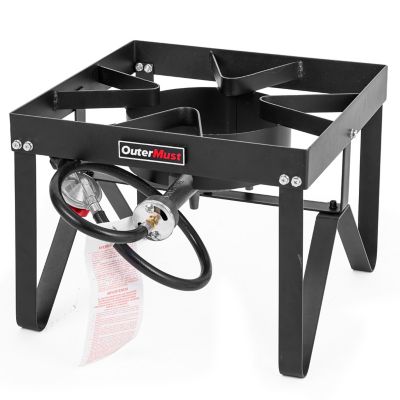
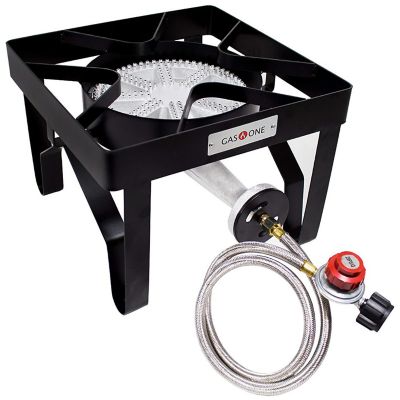
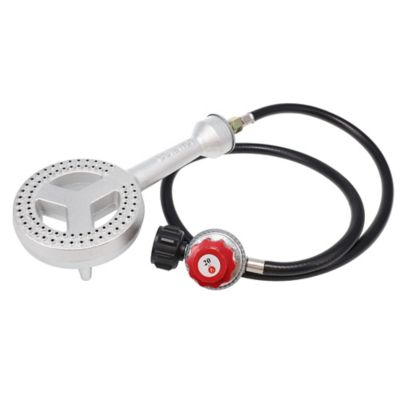
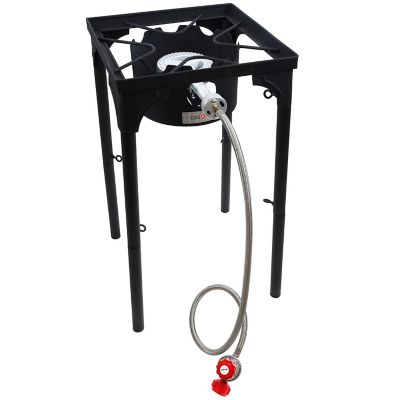
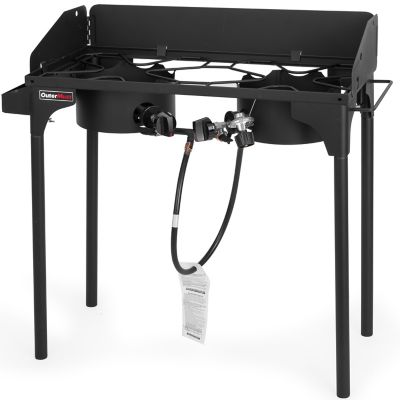
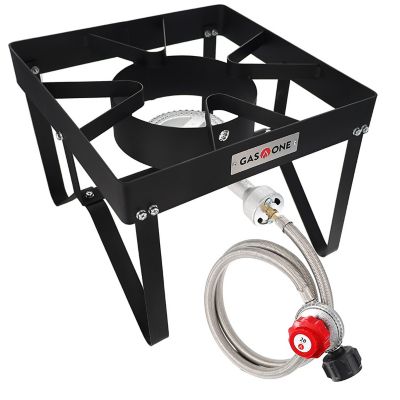
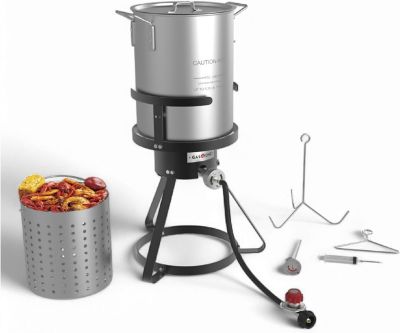
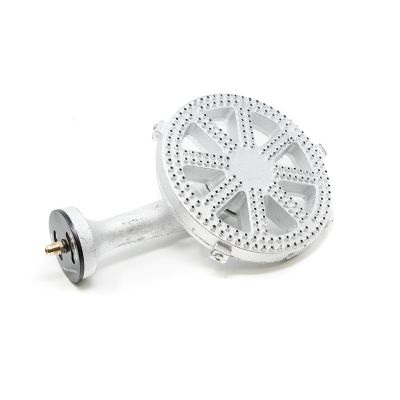
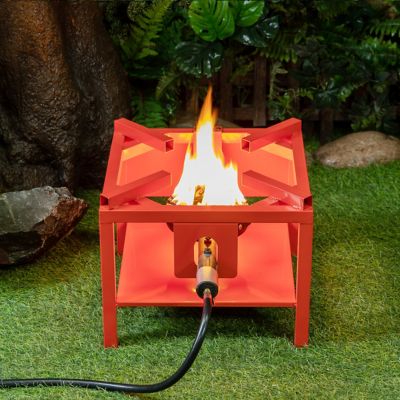
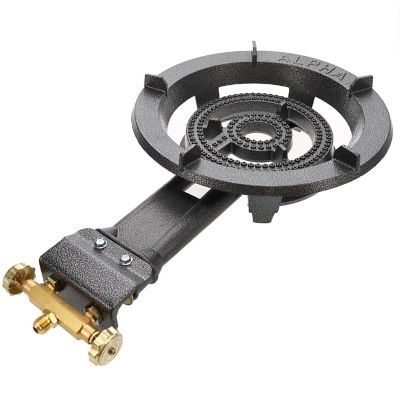
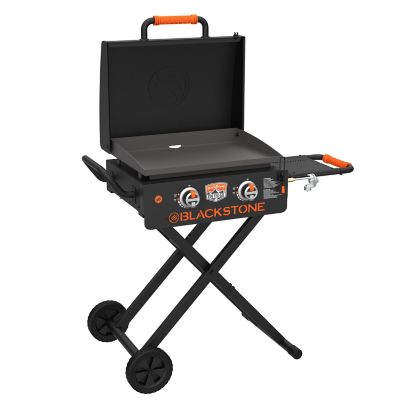
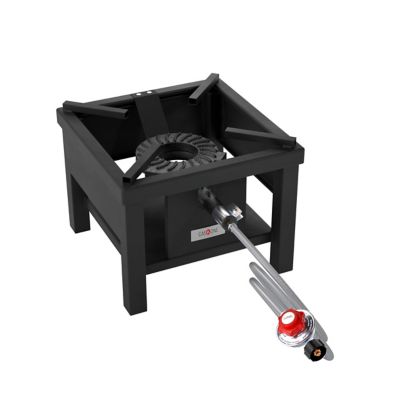
Propane burners bring steady cooking heat to the places where a full kitchen is out of reach, whether that’s a gravel gathering spot beside the house, a hunting camp or an open area set aside for a fish fry. These outdoor cooking setups run on propane and support cookware over an open flame, giving cooks room to handle jobs that can crowd a household range. A tall pot of corn, a kettle of water for cleanup or a skillet full of breakfast after morning chores each calls for a slightly different setup. Single-burner designs keep the cooking area straightforward, while multiple-burner arrangements give separate pots their own space and heat control. Low-profile stands can make sense for tall, heavy stockpots because they keep the load closer to the ground. Taller cooking stands bring shallower pans closer to a comfortable working height, though their load limits and footing still matter. For folks who cook at camp or feed a crowd outdoors, portability is about more than carrying weight. Overall dimensions, detachable legs where provided and the space needed for a propane cylinder all affect how a burner fits into a truck bed or storage shed. Intended use matters just as much as size: a burner built for vigorous boiling may behave differently at low settings than one intended for skillet cooking and gentler simmering. Heat output is commonly expressed in BTUs per hour, but a bigger number alone doesn’t tell the whole story. Pot shape, water volume, wind exposure and the burner’s flame pattern all affect cooking performance. A broad flame can suit a wide pot, while a concentrated flame may create a hot spot beneath thinner cookware. Matching the cooking surface to the meals on the menu helps turn a burner into a practical part of an outdoor setup rather than something that takes up space between gatherings.
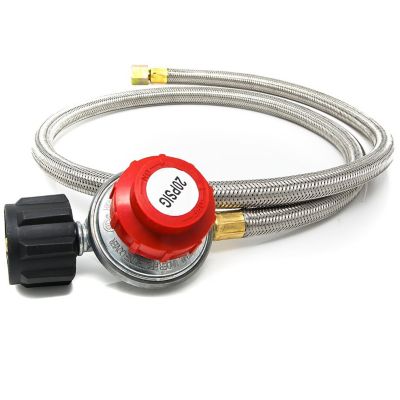
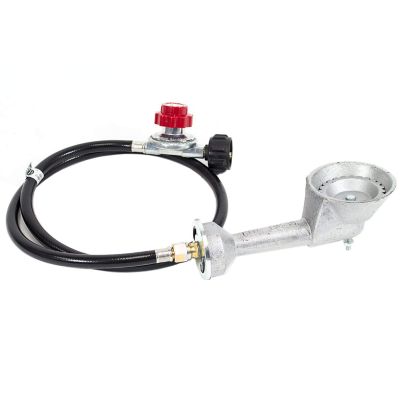
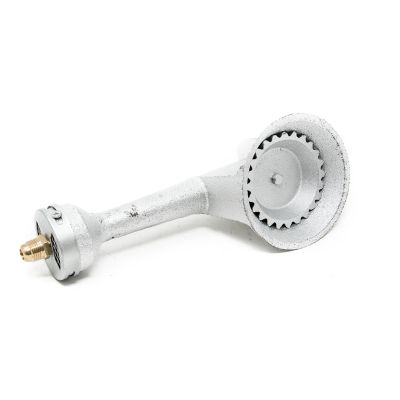
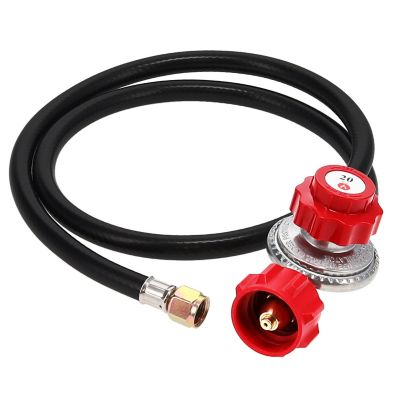
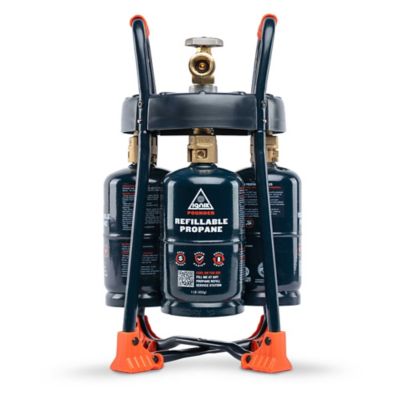
The construction of a propane burner deserves a close look, especially when the plan involves heavy pots, frequent hauling or long cooking sessions. Cast-iron burner components hold up well to heat but need protection from lingering moisture that can lead to rust. Steel frames provide support, with painted or coated surfaces requiring care wherever scratches expose bare metal. Stainless steel components can offer resistance to corrosion, though grease, food residue and outdoor exposure still call for regular cleaning. The frame, grate and connections work together, so the strength of the stand matters as much as the burner itself. A pot support should match the cookware’s bottom diameter and provide secure contact without letting the vessel rock or slide. Published weight limits need to account for the pot and everything inside it; a kettle that feels manageable empty becomes a different load once filled. Enough clearance around handles also makes a difference when lifting a lid or tending food with long utensils. Burner height and leg spacing affect comfort and stability, particularly on the firm, level, noncombustible surface required for operation. Controls are another practical detail. A valve that allows gradual adjustment can help with moving from a rolling boil to a lower flame, although low-heat performance varies by design. Wind guards may help shield the flame from light breezes, but they don’t make a setup suitable for strong winds or remove the need for clear space around hot surfaces. Fuel connections deserve the same attention as cookware fit. Propane burners require the regulator, hose and cylinder connection specified by their manufacturer, and high-pressure and low-pressure components are not interchangeable simply because fittings appear to connect. Hose length also affects placement: the cylinder needs to remain upright, separated from heat as directed and positioned so the hose stays clear of hot metal and foot traffic. Those details matter when several people are carrying trays, tending pots and moving around the cooking area.
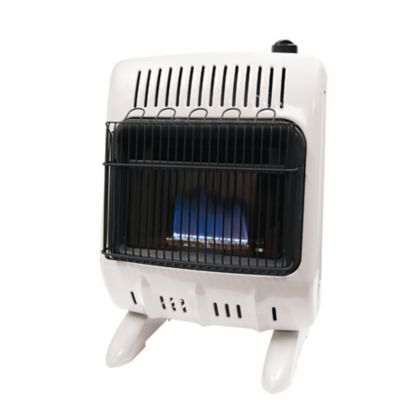
For a propane burner that will see regular duty, simple care and sensible placement go a long way toward keeping the setup ready for the next cookout. Once the equipment has cooled and the fuel supply is shut off according to its instructions, food splashes and grease can be cleared away with cleaning methods suited to the metal and finish. Burner openings need to stay free of debris, and hoses warrant a check for cracking, abrasion or other damage before operation. Connections should be checked for leaks with the manufacturer’s recommended method, never with a flame. Dry, protected storage helps limit corrosion, while propane cylinders require separate attention to storage rules and should never be kept inside a home or other enclosed living space. Cooking burners belong outdoors, not in garages, barns, tents or enclosed porches, even when a door is open. Combustion produces carbon monoxide, and the open flame also demands clearance from siding, dry grass, overhangs and other combustible materials. During the cooler months, it can be tempting to move closer to shelter, but a cooking burner is not a space heater. For a separate heating need,
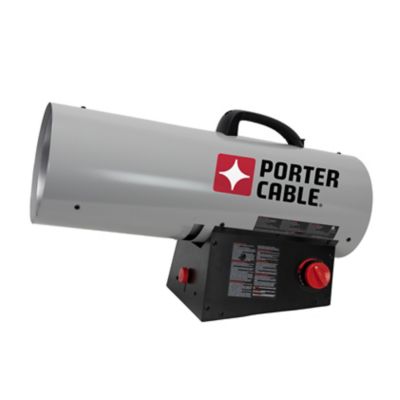
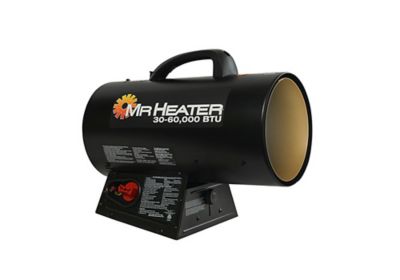
Propane Forced Air Heaters are a different equipment category with their own approved applications, ventilation requirements and operating limits. Around a cooking setup, keeping children and animals outside the work area leaves room to handle hot cookware without sudden interruptions. Deep-frying brings additional concerns: the burner and vessel must be rated for that task, food must be fully thawed and dry, and oil must stay within the vessel’s fill limit. Water must never go onto an oil fire. For cooks who regularly host outdoor meals, these practical considerations are part of choosing equipment that fits their routine. A propane burner can also make a thoughtful gift for someone who enjoys camp breakfasts, seafood boils or cooking for neighbors, provided the size, fuel requirements and cookware compatibility suit the recipient’s setup. The best fit is a burner that matches the cook’s actual workload, has a safe place to operate and can be cleaned and stored without turning every meal into a moving job.