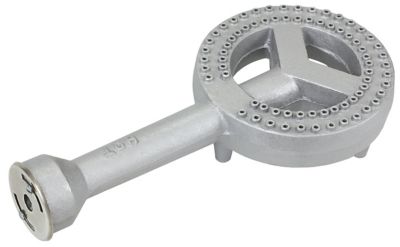
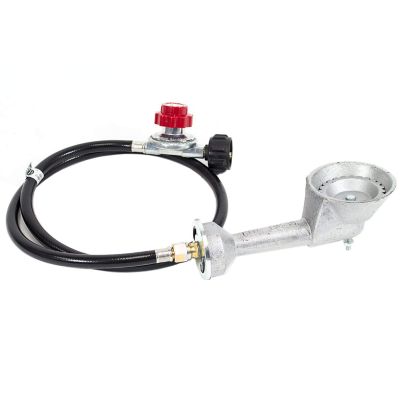
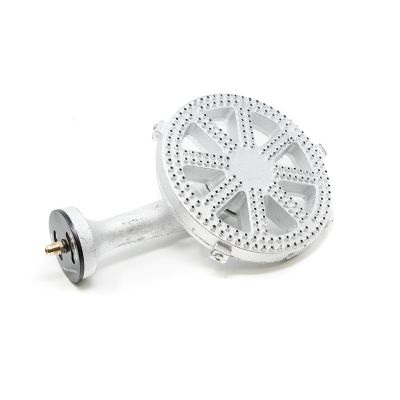
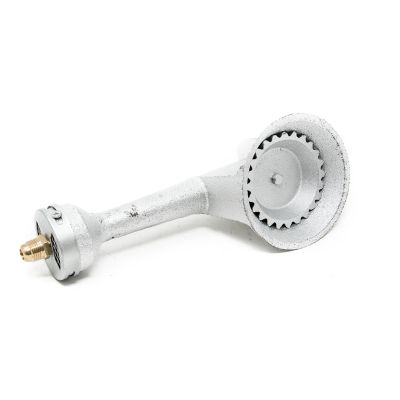
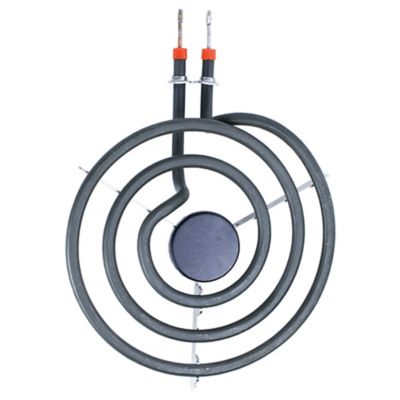
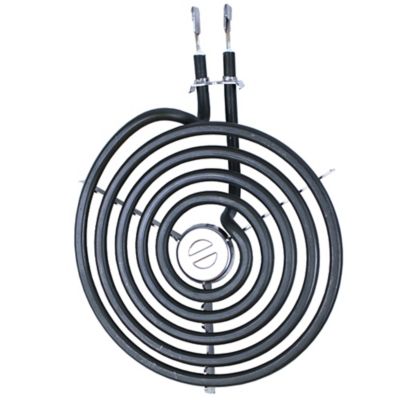
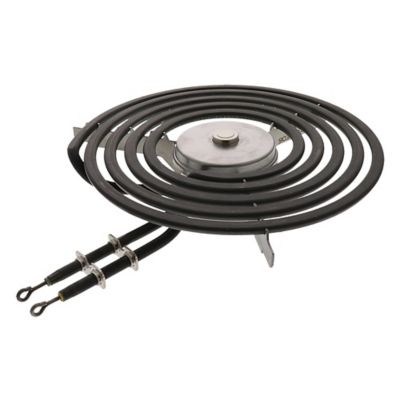
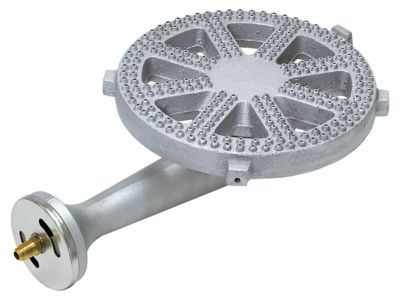
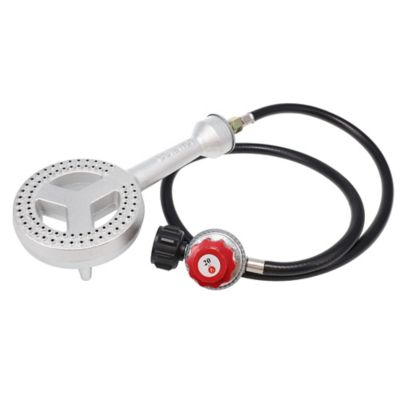
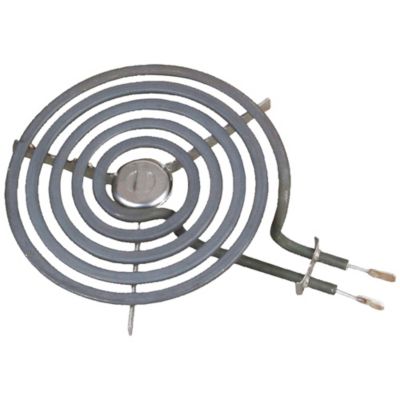
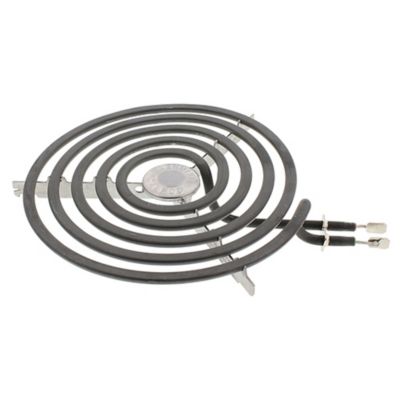
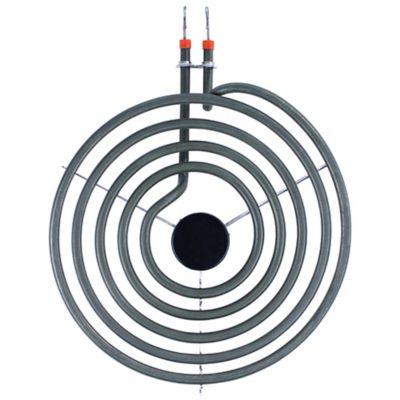
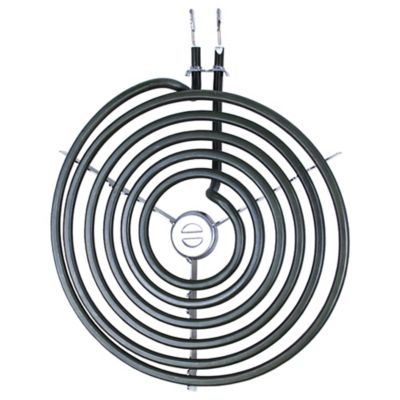
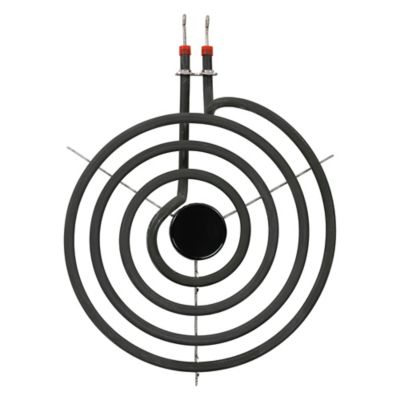
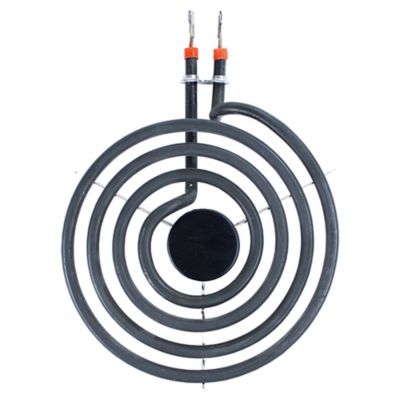
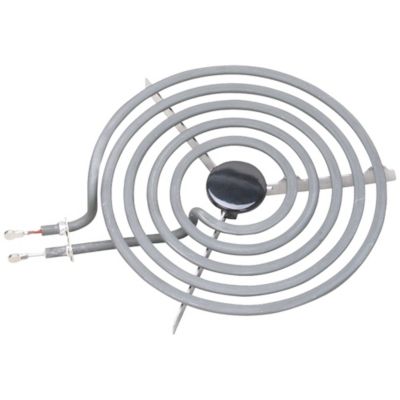
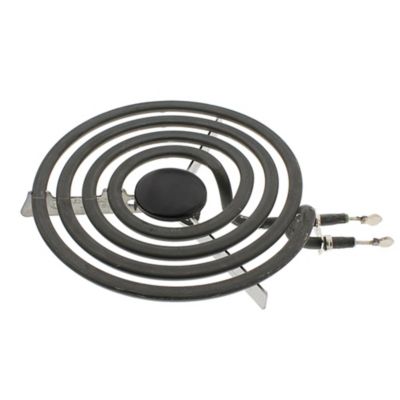
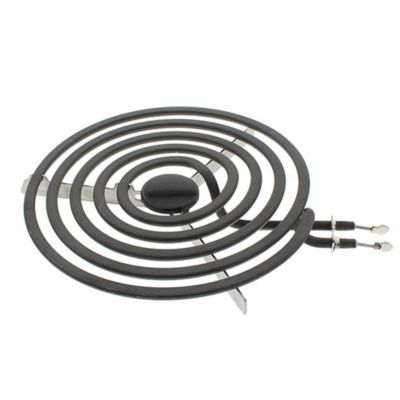
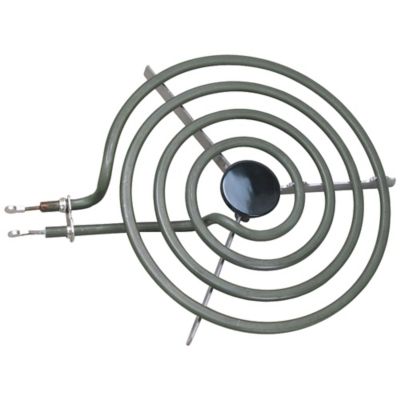
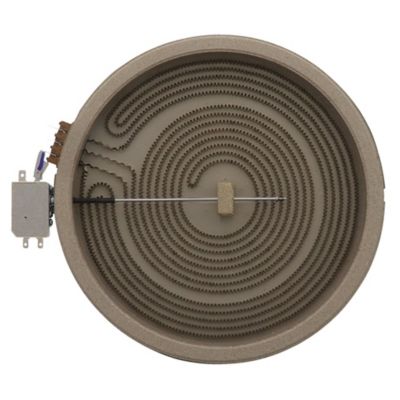
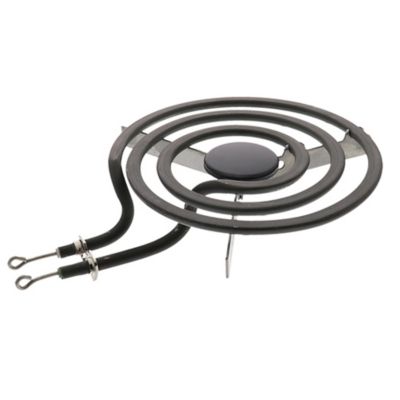
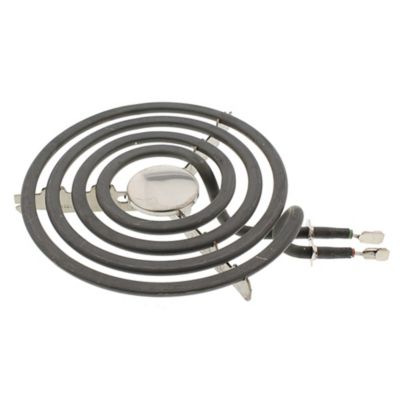
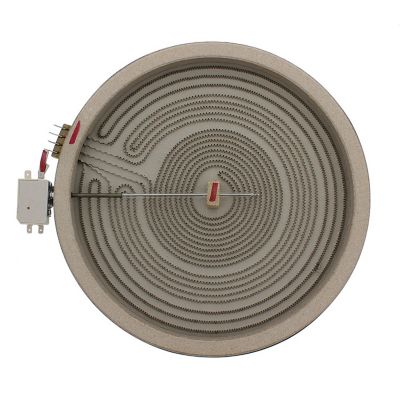
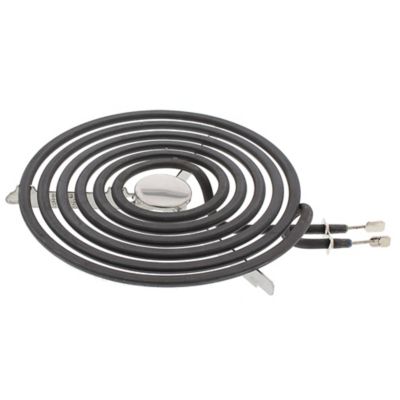
Replacement burners help bring a familiar stove, range, grill, or portable cooking appliance back into dependable working order without replacing the whole unit. A burner that heats unevenly, takes too long to warm, leaves cold spots, produces a weak flame, or shows heavy rust and burn-through can make everyday cooking frustrating and may signal that the part has reached the end of its service life. Electric coil burners are usually designed to pull straight out of their receptacles, while gas range burners and outdoor grill burners may use brackets, clips, rails, valves, igniters, or mounting screws that vary by appliance. Portable camp stoves can use compact burner assemblies made for a particular style of fuel connection and frame. Before ordering any replacement burner, find the appliance brand, model number, serial information, and part number from the rating plate, owner’s manual, or original packaging. Matching the exact model is more dependable than choosing a part based only on appearance, since two burners can look nearly identical while using different terminals, mounting points, diameters, gas openings, or heat ratings. For electric ranges, compare the coil size, plug-in terminal arrangement, wattage, and support structure. For gas ranges, check the burner cap, head, base, ignition opening, and connection style. Grill owners should compare burner length, tube shape, port placement, crossover openings, mounting tabs, and the location of any carryover or igniter features. A universal part may fit some appliances, but it should be listed as compatible with the specific model before purchase. When a burner replacement is intended as a practical gift, it is especially helpful to include the appliance information or a clear photo of the old part; that small bit of preparation can save a trip back to the store and help ensure the new burner works as intended. These parts are useful for homeowners, apartment residents, camp cooks, tailgate hosts, landlords, and anyone who relies on a well-used cooking setup during busy seasons. As the weather warms, a working grill or camp stove makes it easier to cook outside, and during the cooler months, a dependable indoor range keeps family meals moving when the kitchen is getting extra use.
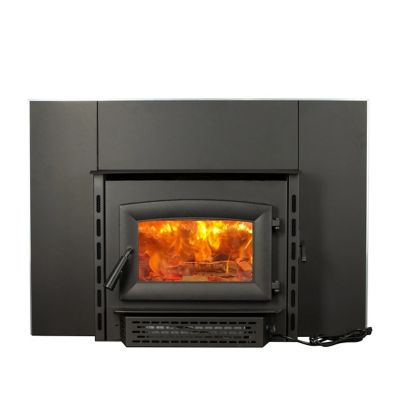
Safety should guide every burner replacement, whether the appliance sits in a kitchen, on a patio, in a hunting camp, or beside a tailgate. Let the appliance cool completely before removing a burner, and disconnect electrical power at the plug or circuit breaker before handling an electric element. A plug-in coil should come out with steady, even pressure; forcing it or twisting the terminals can damage the receptacle and create a poor electrical connection. If a new element still does not heat, the problem may be in the terminal block, receptacle, wiring, switch, or control rather than the burner itself. Gas appliances require additional care. Turn off the gas supply before removing any gas burner component, follow the appliance instructions, and avoid enlarging, drilling, or altering burner ports. A burner that is not seated correctly can create uneven flames, delayed ignition, soot, or excess heat around nearby surfaces. After a gas part is installed, connections should be checked for leaks with an approved leak-detection method, never with an open flame. If a gas line, valve, regulator, manifold, igniter circuit, or unfamiliar fitting is involved, have the work handled by a qualified appliance technician. Outdoor grills deserve the same attention: grease buildup, spider webs, wind, moisture, and long storage can block ports or cause corrosion, so clean the firebox and inspect the surrounding parts before lighting the grill. A healthy gas flame is generally steady and mostly blue, while yellow flames, lifting flames, popping, strong gas odor, or hot spots call for shutting the appliance down and finding the cause before use. Keep replacement parts dry and protected from rain, fertilizer, dust, and livestock areas until installation. For appliances used around a porch, cabin, or outdoor gathering space, you may also be comparing other heat-related repair parts;
Fireplace Replacements can help with a separate fireplace project, but fireplace components and cooking burners are not interchangeable and should always be matched to their intended appliance.
Choosing the right replacement burner is about more than restoring heat; it is about getting reliable performance, proper fit, and a safe connection for the way you cook. Measure carefully when the manufacturer lists dimensions, but use the model number and compatibility information as the final check. A burner that is slightly too large can sit too close to the edge of a pan, while one that is too small may leave the center hot and the outside cool. On an electric range, confirm that the replacement element matches the control setting and receptacle rather than assuming every large or small coil uses the same electrical rating. On a gas appliance, the burner must work with the fuel type and appliance design, and the cap or head should sit flat without rocking. Grill burners may be made from coated steel, stainless steel, or other materials, with different levels of resistance to moisture, grease, and high heat. Stainless construction can be a sensible choice in damp outdoor locations, while any burner will last longer when grease is cleaned away and the grill is covered after it cools. For portable stoves, check the fuel canister or hose connection, support arms, burner diameter, and intended cooking capacity before heading to a campsite or remote work area. Keep the original burner nearby until the new one has been compared side by side, and take a photo of the connections before removal so clips and wires can be returned to their original locations. Replacement burners are often a straightforward repair for a handy homeowner when the part is a simple plug-in component, but there is no benefit to rushing a repair involving gas, wiring, or damaged controls. Once installed, test the appliance in a clear, well-ventilated area with the correct cookware and watch for stable heating, even flame, proper ignition, and unusual odors. A good-fitting burner can keep morning coffee on the stove, supper on the grill, or a camp meal over a portable flame without replacing an appliance that still has plenty of useful life left.