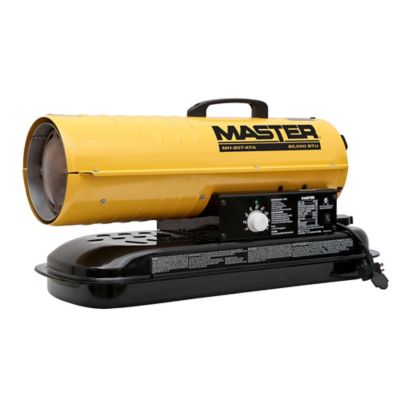
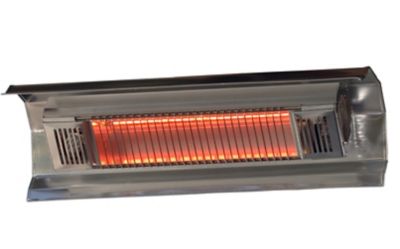
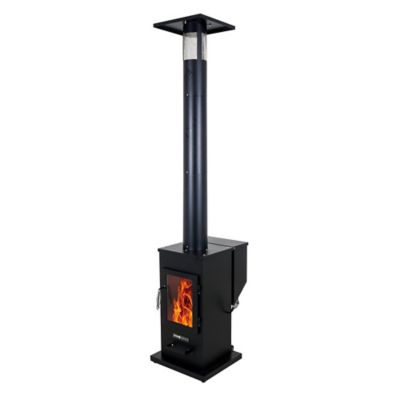
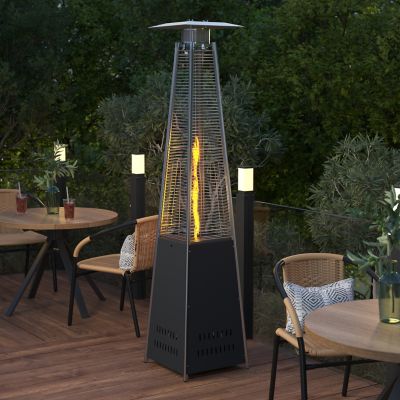
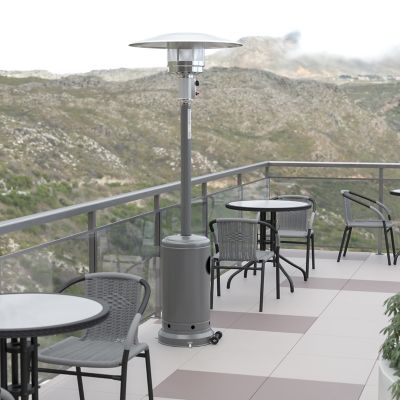
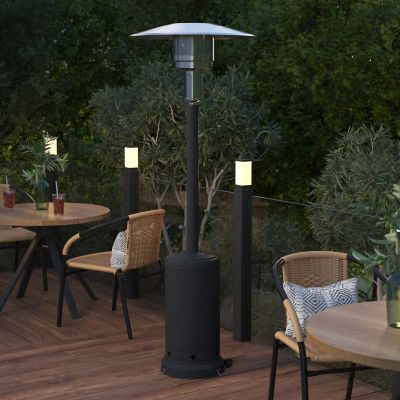
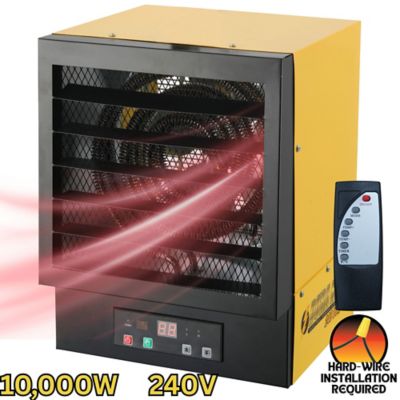
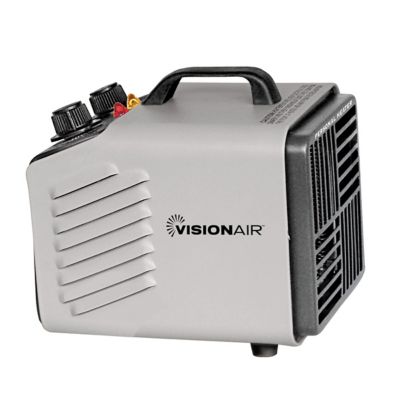
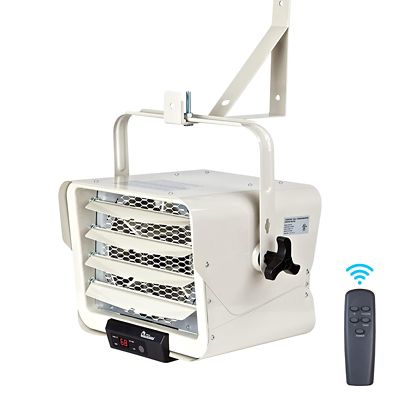
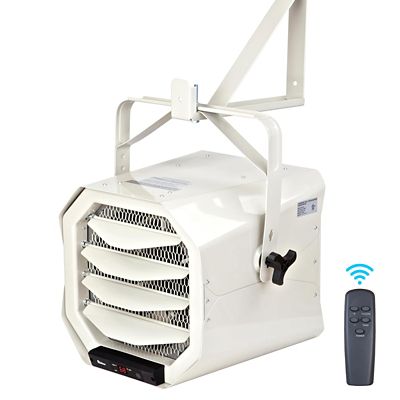
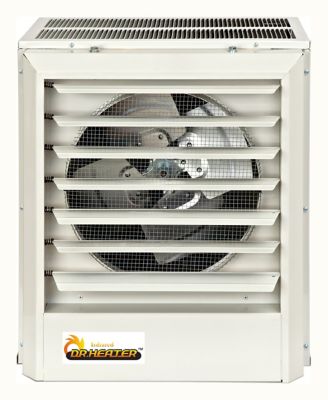
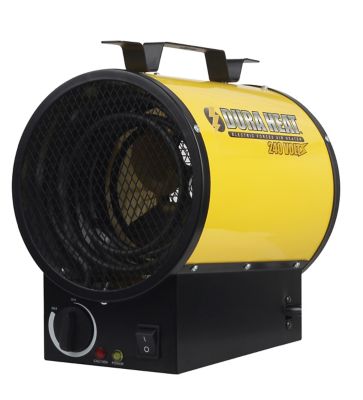
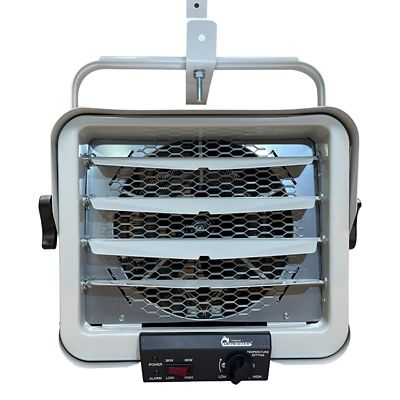
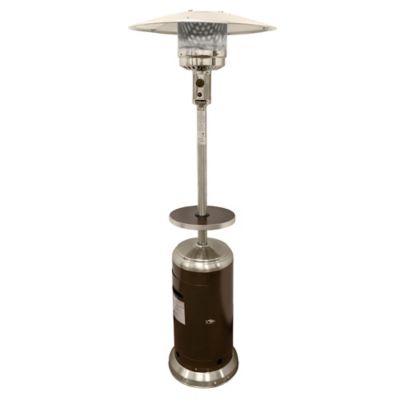
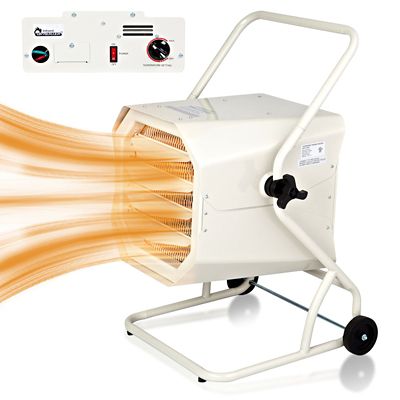
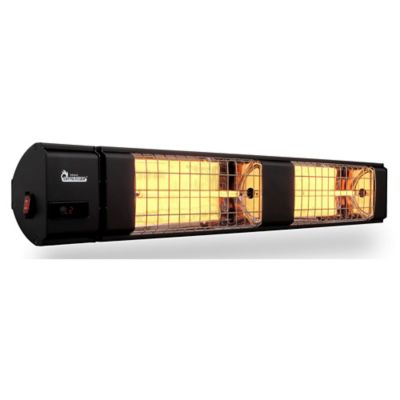
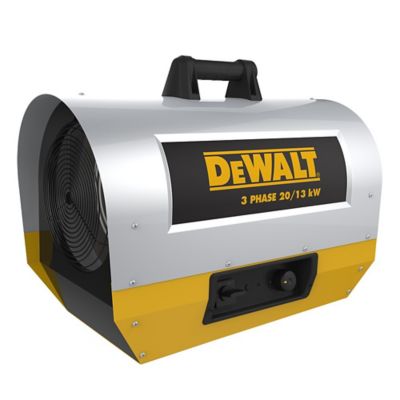
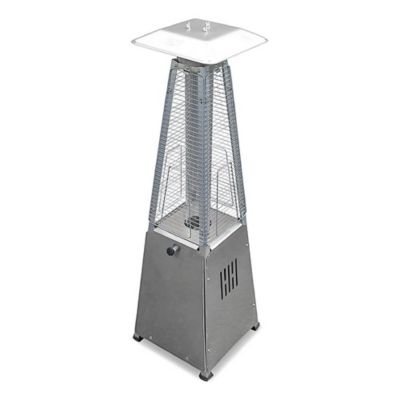
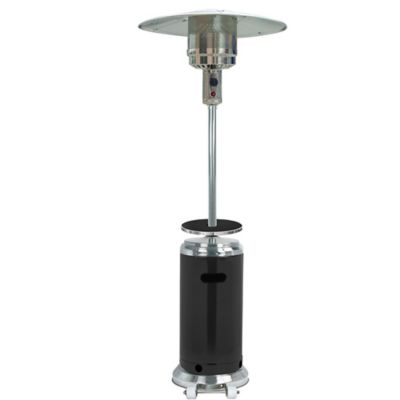
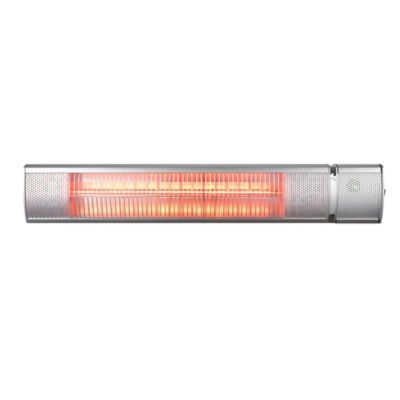
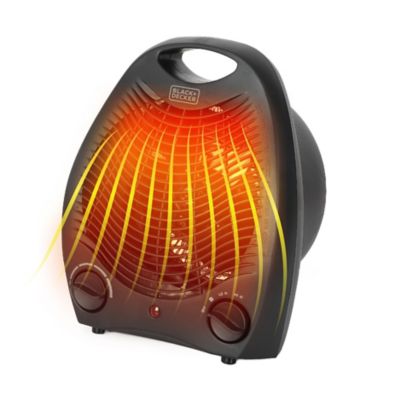
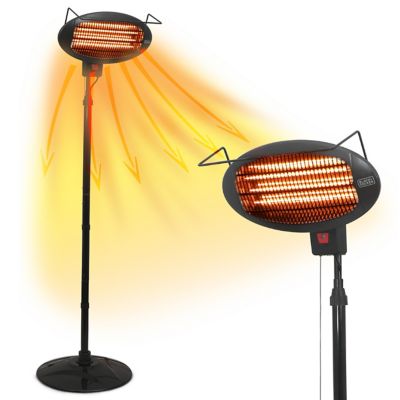
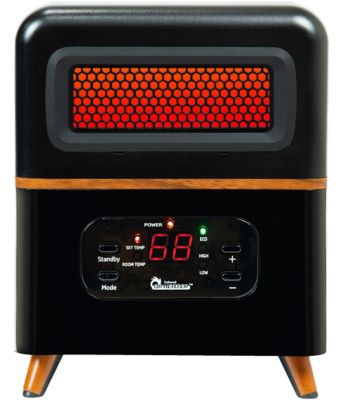
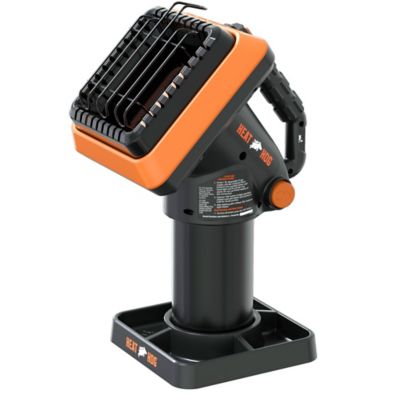
Metal heaters bring practical warmth to places where there’s work to finish, chores to plan or a comfortable seat to settle into after a long day. A farmhouse room, an enclosed workshop and a garage work area each call for a different heating setup, even when the heater bodies share a similar metal construction. The housing material is one part of the picture; the heat source, output, controls and approved operating environment matter just as much. Steel housings can provide a sturdy outer shell without the weight of cast iron, while cast iron components tend to hold heat longer after the heat source shuts off. Aluminum may appear in housings or heat-transfer components where lower weight and efficient heat movement are useful. Construction varies, so a metal exterior alone doesn’t tell the whole story about how a heater performs. Panel thickness, secure connections, protective grilles and a finish suited to operating temperatures all deserve attention. Metal surfaces can also become hot, making placement especially important around children, pets and busy walkways. For someone moving between a tool bench and a project table, a portable design may make more sense than a permanent installation, provided the heater is approved for that space. A fixed heater can suit a room that needs regular supplemental warmth without taking up floor space. Radiant heat warms people and nearby surfaces in its path, which can feel welcome at a stationary work area. Fan-forced heat circulates warmed air, while convection designs encourage air movement without necessarily relying on a fan. Each approach has its place, and room layout can make one a better match than another. A tall, drafty building loses heat differently from a small, insulated room with a closed door. Matching the heater to the setting helps keep expectations grounded, especially in outbuildings where open doors, thin walls and high ceilings can make warming the whole space a tall order.
Size and fit go beyond whether a heater will tuck into an open corner. The footprint, required clearance and direction of heat all affect how well it belongs in a room. A compact body still needs the separation from walls, furniture, curtains and other combustible materials specified by the manufacturer. Wall and ceiling installations need suitable mounting support, along with access for cleaning and service. In a workshop, the intended location should stay clear of lumber scraps, sawdust, paint, gasoline and anything else that could ignite or release flammable vapors. Many everyday heaters are not approved for environments with combustible dust or vapors, even if their metal shells look right at home beside shop equipment. Heating output is commonly expressed in watts for electric models and BTUs per hour for fuel-burning models, but those numbers need to be considered alongside insulation, ceiling height and air leakage. A square-foot coverage claim is most helpful when the conditions behind it resemble the actual space. Electric heaters offer heat without storing a separate fuel supply, though their electrical requirements can range from a standard household connection to a dedicated circuit or professional hardwiring. Portable electric heaters should plug directly into a suitable wall outlet rather than an extension cord or power strip. Fuel-burning heaters bring different requirements, including the correct fuel, an approved location and any specified ventilation or venting. An outdoor-only heater belongs outdoors, not in a garage with the door cracked open. Wood-burning equipment requires a properly installed chimney or flue, suitable hearth protection and clearances that meet the appliance instructions and local codes. Controls also shape everyday comfort. An adjustable thermostat can help maintain a selected temperature, while multiple heat settings offer flexibility when full output isn’t needed. Tip-over protection and overheat shutoffs may add safeguards on applicable designs, but they don’t replace proper placement, supervision or attention to the operating instructions.
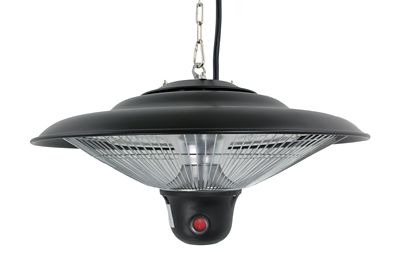
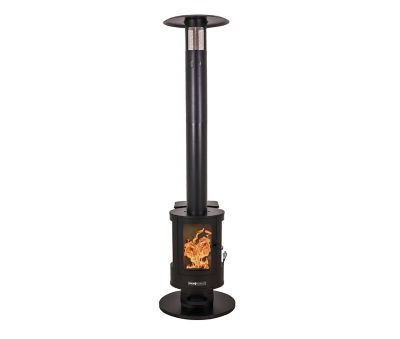
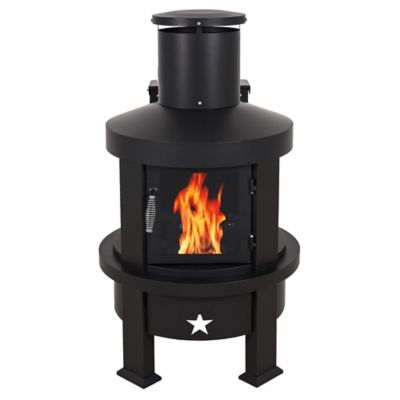
The details that seem small on a webpage often matter once a heater becomes part of the daily routine. A stable base is welcome on a level shop floor, and a clearly marked control is easier to manage without squinting across the room. Carry handles and manageable weight can help with moving a portable heater after it has shut down and cooled completely. Cord length matters, too, because the heater needs a suitable spot near an outlet without leaving a cord stretched through foot traffic. Fan sound may be less noticeable in a working garage than in a quiet sitting room, so the setting should guide expectations about noise. The exterior finish can influence how a heater fits alongside other fixtures, though color says nothing about its heating output or operating requirements. For a darker finish that blends with black hardware, shelving or a stove surround,
Black Heaters offer another way to narrow the search. Keeping a metal heater in good working shape means paying attention to both the shell and the parts inside it. Dust on air openings can restrict airflow, and accumulated debris near a heating element can create a hazard. Cleaning should follow the manufacturer’s directions, with the heater disconnected from power where applicable and fully cool before handling. A soft cloth may be suitable for the exterior, while vents, burners, filters or flues can call for different care depending on the design. Loose fittings, a damaged cord, corrosion or a cracked component warrant attention before the heater runs again. Damp storage can be hard on metal parts, so a dry location helps protect equipment between periods of operation. Fuel systems and vented installations may also need scheduled professional service. Working smoke alarms and carbon monoxide alarms belong in the appropriate locations, particularly where fuel-burning equipment operates; neither takes the place of proper venting. With the right heating method, sensible placement and regular care, a metal heater can fit naturally into the spaces where families gather and everyday work gets done.