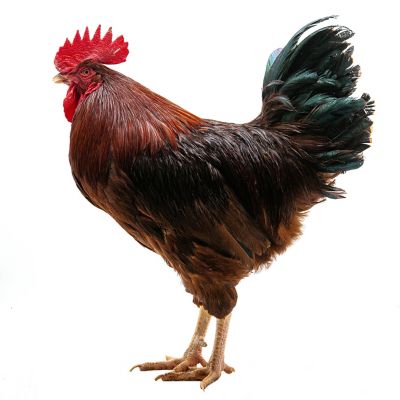
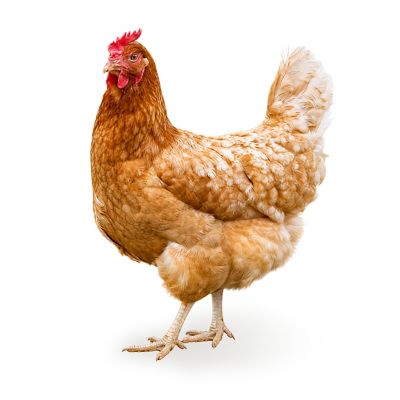
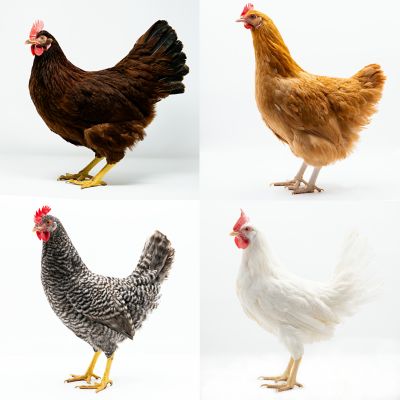
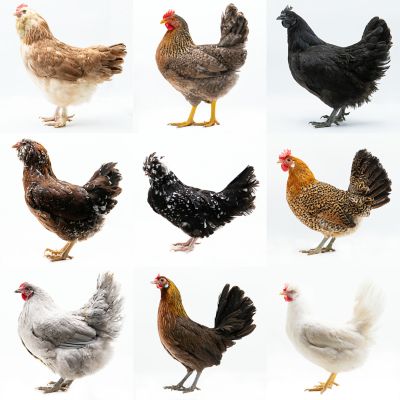
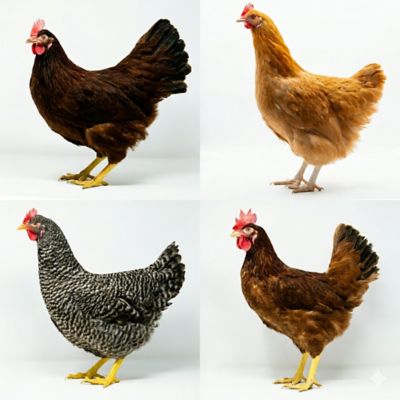
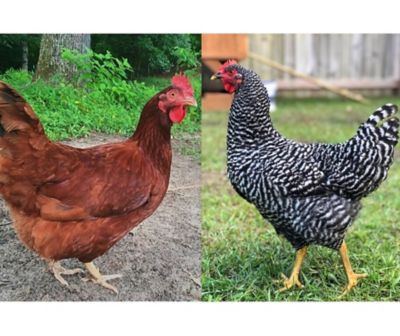
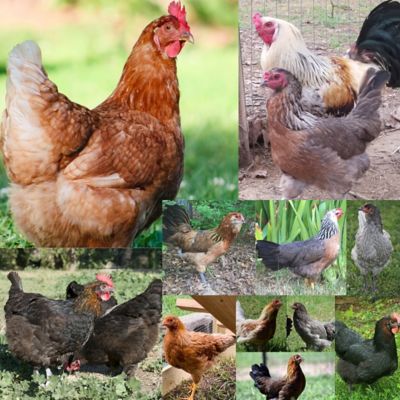
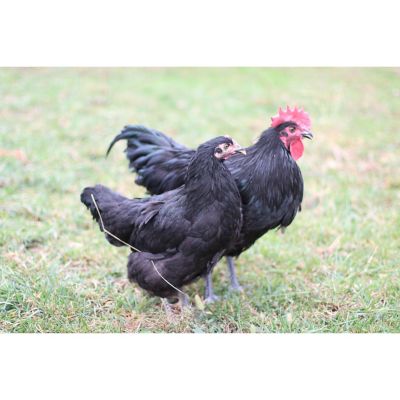
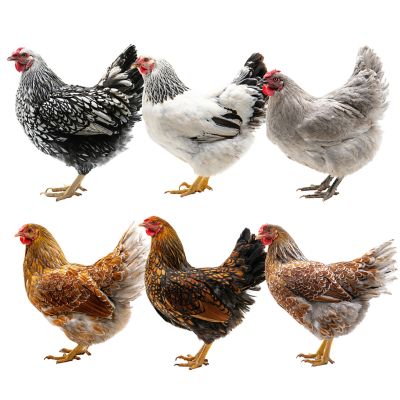
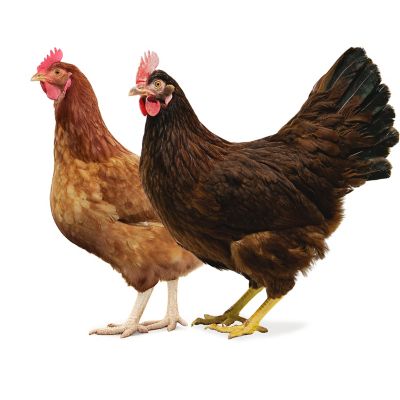
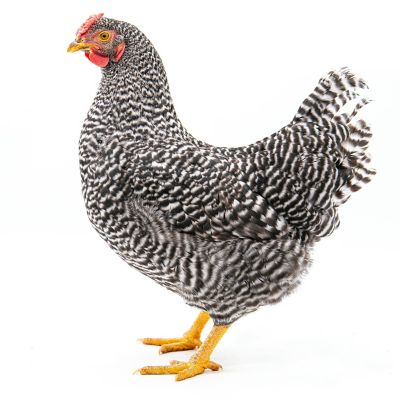
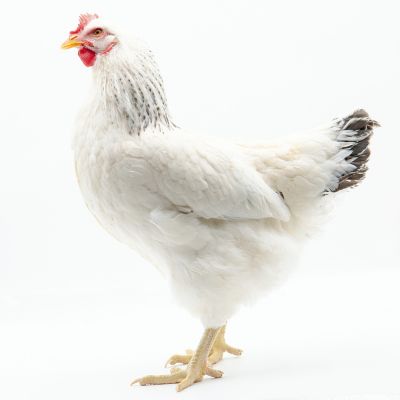
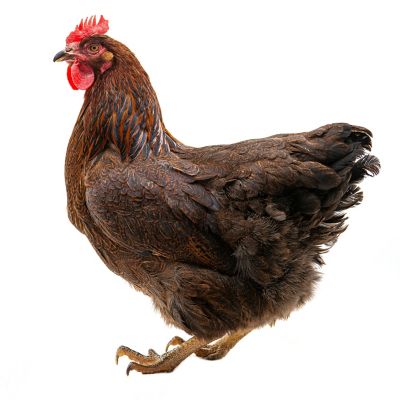
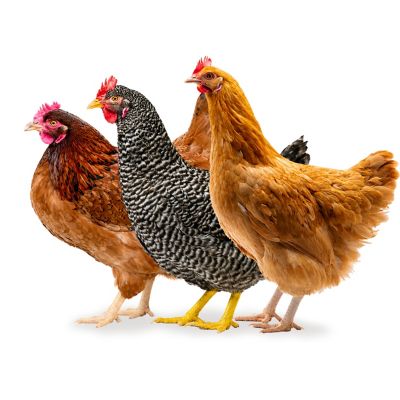
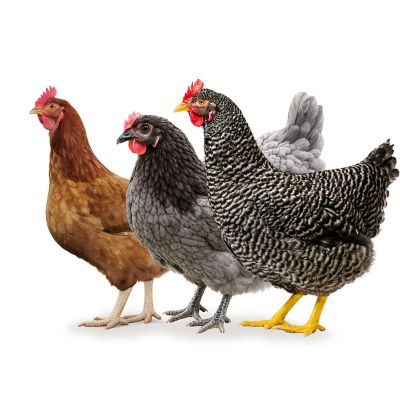
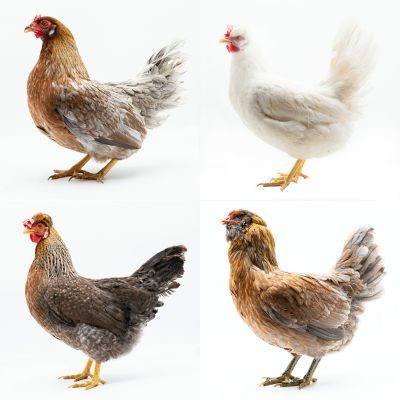
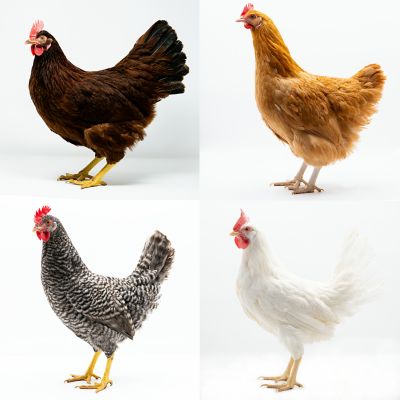
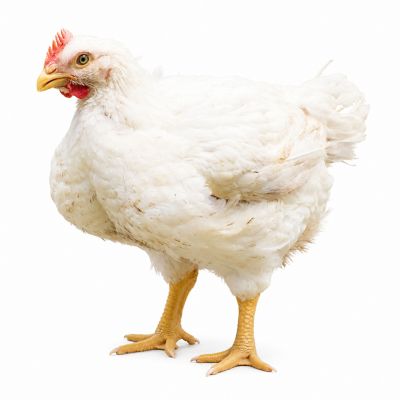
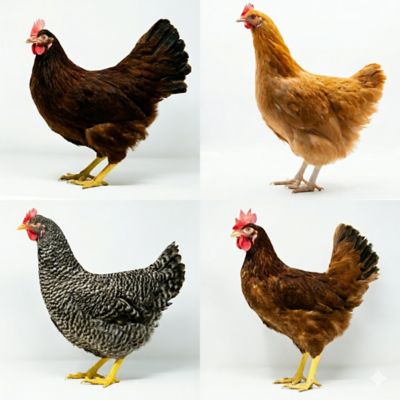
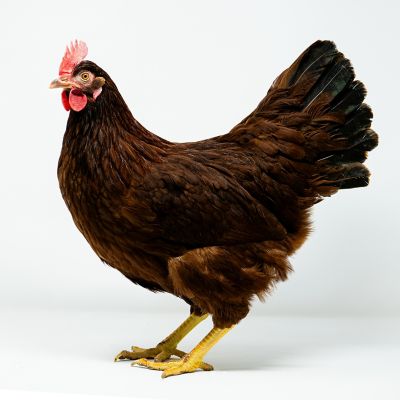
Brown egg laying chicks are a starting point for a flock that brings fresh eggs and a familiar rhythm to everyday chores. For a household with room for a coop, a small acreage, or an established chicken yard, these young birds offer the chance to raise laying hens from their earliest days. Brown eggs can range from pale tan to deeper shades, sometimes with speckles, depending largely on the hen’s genetics. Feather color alone doesn’t tell the whole story, and a darker shell doesn’t automatically mean a more nutritious egg. What matters most is finding birds whose adult size, temperament, and laying traits fit the space and attention a household can provide. Some laying chickens have a lighter build and an active, curious nature; others grow into heavier hens with a more easygoing manner. Those differences can matter when a flock shares a yard with a garden fence, children doing supervised chores, or hens already settled into their pecking order. Brown egg laying chicks won’t be filling a nest basket right away. Many pullets begin laying at around five to six months of age, though the timing varies with genetics, health, nutrition, and individual development. A hen does not need a rooster to lay eggs, which makes an all-hen flock a practical choice where rooster rules or close neighbors are a concern. Descriptions such as pullet and straight-run also matter: a pullet is a young female chicken, while straight-run chicks have not been separated by sex and may include males. Even sexed chicks can occasionally turn out differently than expected, so a little flexibility belongs in the plan. For a broader look at birds raised for the nest box,
Egg Laying Chickens provides another place to explore the category. The best fit is about more than shell color; it’s a flock that suits the household’s egg needs, daily routine, and long-term commitment to animal care.
The small size of a chick can make its care needs easy to underestimate. Beneath that soft down is a growing bird that depends on a prepared brooder, steady access to feed and water, and close observation every day. A suitable brooder has enough room for chicks to move freely between a warmed area and a less-warmed area, with secure sides and a floor that gives little feet good traction. Young chicks need supplemental warmth while their feathers develop, and their behavior helps show whether their setup is comfortable. Evenly spread birds that alternate between eating, drinking, exploring, and resting generally tell a different story than chicks huddled tightly together or crowding far away from the heat source. Brooder materials should stand up to frequent cleaning, and bedding needs to stay dry and loose rather than packed down around a leaking drinker. Absorbent, low-dust bedding supports cleaner footing, while easy-to-clean feeders and waterers make daily chores more manageable. Feed formulated for chicks supplies nutrients for early growth; laying feed has a different purpose and isn’t a substitute for a chick’s starting ration. As birds mature, their feed should match their stage of development, with the move to a laying ration timed appropriately rather than rushed. Treats can be tempting when a curious chick starts pecking at everything, but a complete ration needs to remain the foundation. Water containers also need to suit small birds, providing access without creating an open, deep space where a chick could get into trouble. For families, those first weeks can make animal care tangible: checking a drinker before school, noticing a bird that hangs back from the feeder, and learning that a quiet chick may need attention. Children still need adult supervision, and handwashing after handling poultry or their equipment belongs in the routine. Chicks and brooder supplies should stay away from kitchens and food-preparation areas, even when the birds look clean and healthy.
As brown egg laying chicks grow, the focus shifts from a brooder setup to a coop and run that work for full-size hens. Adult size helps determine how much room a flock needs at feeders, on roosts, and inside the enclosure, so planning around grown birds prevents cramped quarters later. A well-built coop has smooth, sound surfaces, ventilation, accessible areas for cleaning, and secure openings that help keep predators out. Galvanized hardware cloth with small openings offers a stronger barrier against many predators than lightweight poultry netting alone, and firm latches matter when raccoons can reach a door. Roosts with comfortable footing and nest boxes with clean bedding support the ordinary habits of a laying flock without making egg collection a wrestling match through an awkward corner. A coop that lets someone reach the water, remove soiled bedding, and gather eggs easily is a better match for daily chores than a layout that looks roomy but leaves every task just out of reach. Established flocks bring another consideration: growing pullets need appropriate separation and a gradual introduction rather than an abrupt move among larger hens. Chickens establish a pecking order, and enough space, multiple feeding points, and places to step out of another bird’s path can help reduce pressure. Local rules may also cover flock size, enclosure placement, and roosters, even on properties with plenty of open ground. Once laying begins, egg numbers will vary rather than follow a fixed daily promise. Age, health, nutrition, stress, and light exposure all play a part, and a brown shell is a trait, not a guarantee of a particular production rate. Regular nest checks, clean housing, and attention to appetite and behavior remain part of the job long after the first egg appears. For households that enjoy the steady work of tending animals, raising brown egg laying chicks offers more than a basket on the kitchen counter. It brings the satisfaction of watching small, downy birds grow into a settled flock, with familiar calls at feeding time and hens scratching through their run.