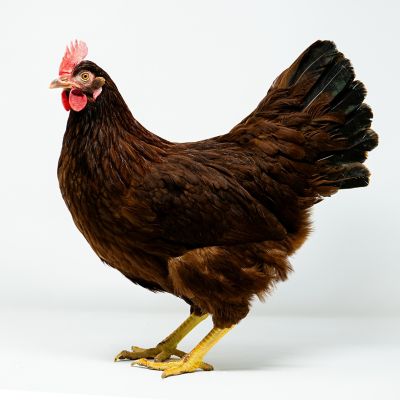
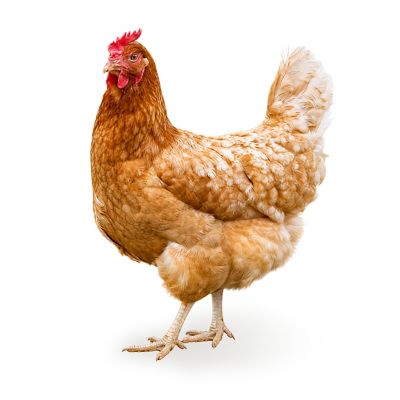
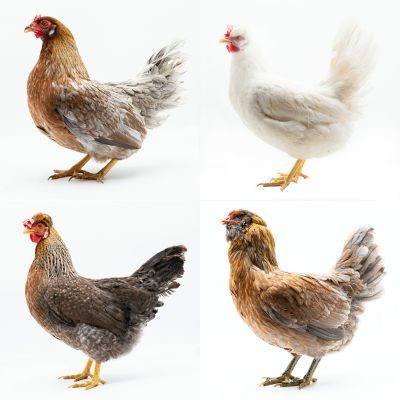
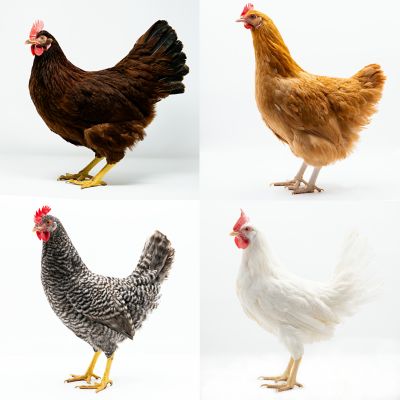
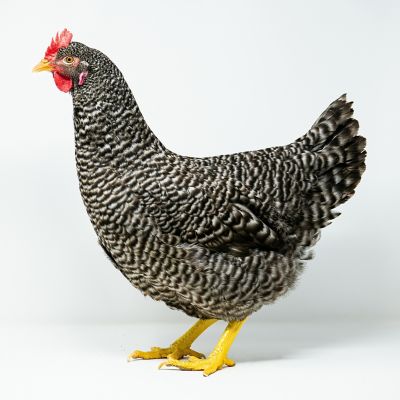
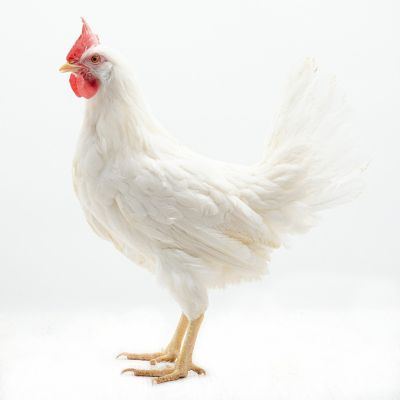
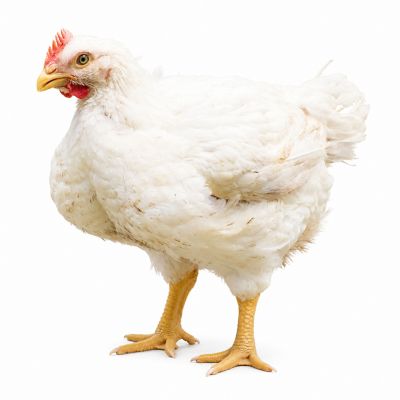
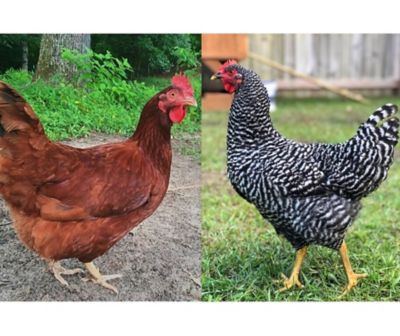
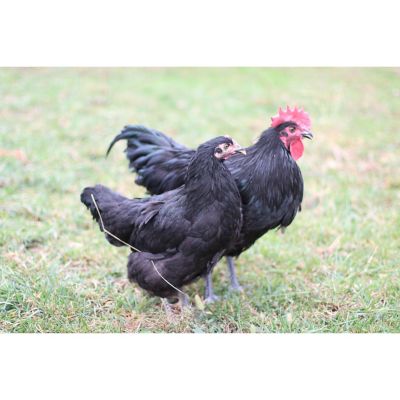
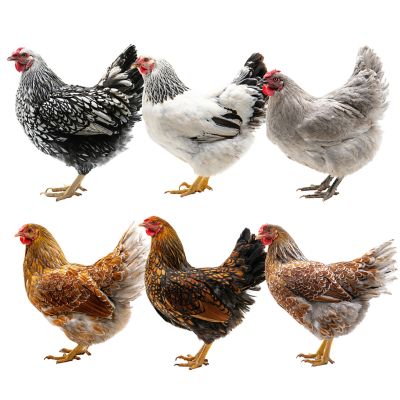
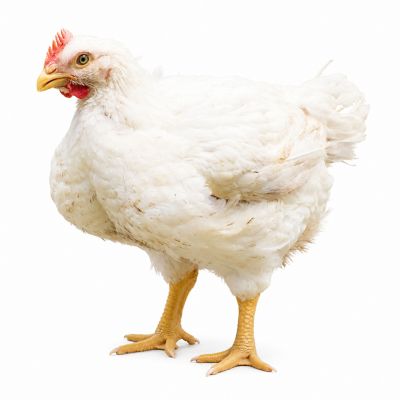
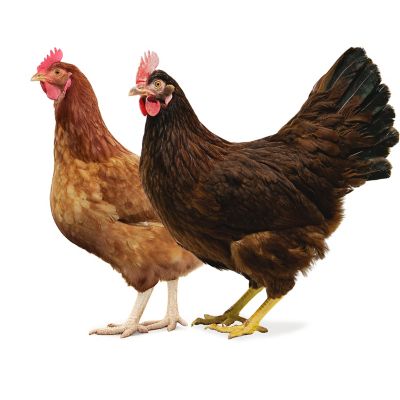
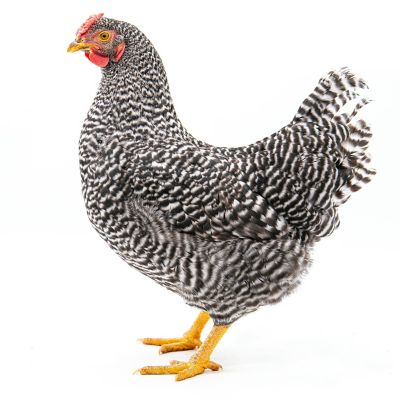
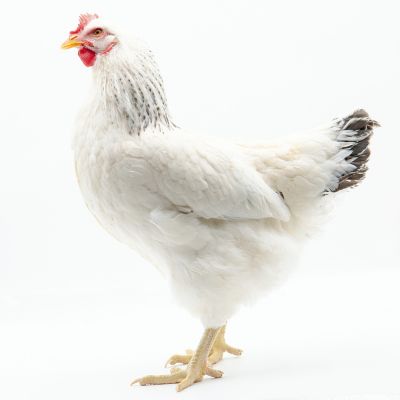
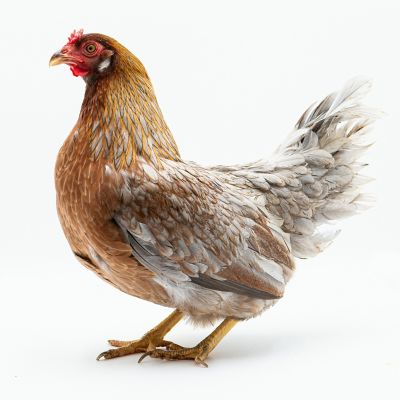
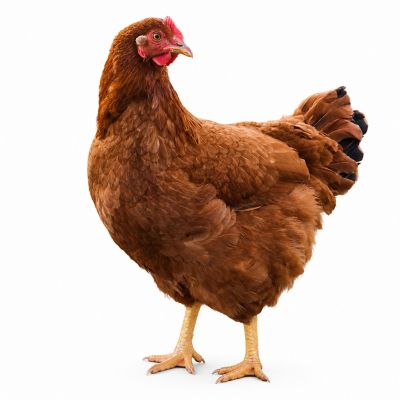
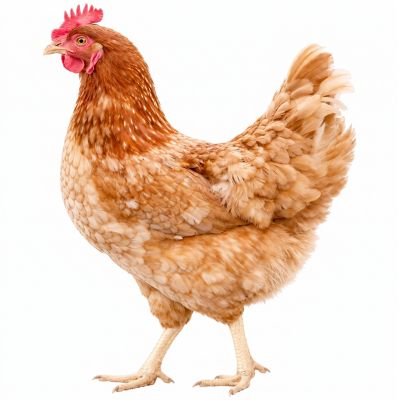
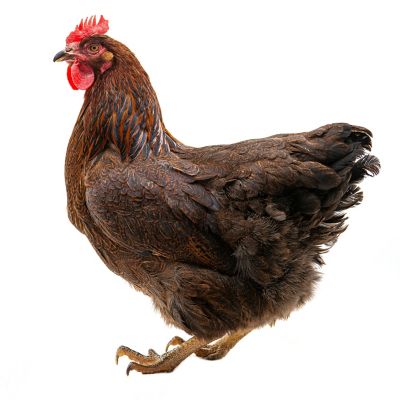
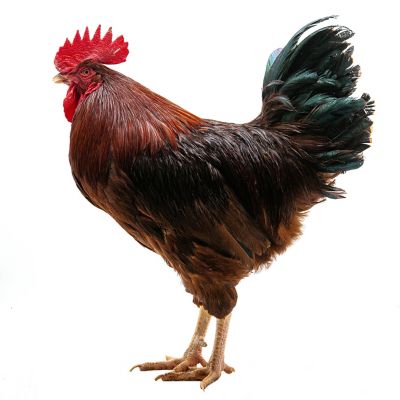
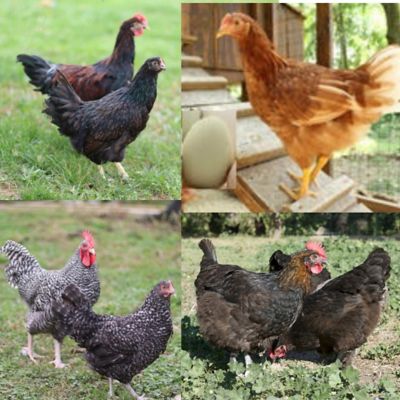
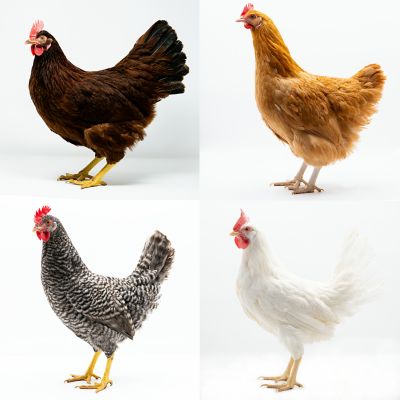
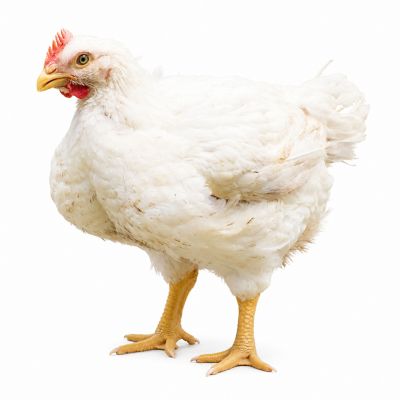
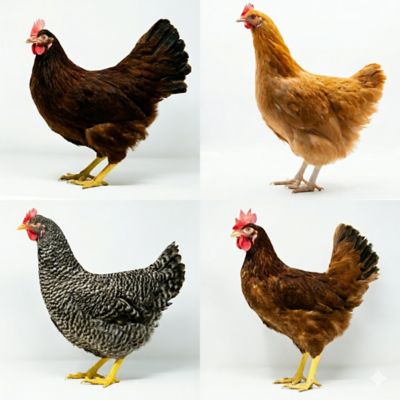
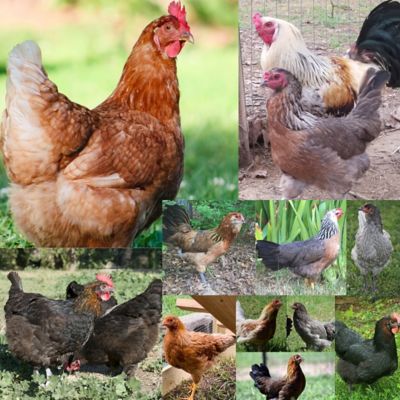
Meat and egg chickens give small farms, homesteads and backyard flocks a way to raise food close to home, but different birds fill different roles. Dual-purpose chickens combine useful egg production with a heavier body that can suit the table, while specialized laying breeds and meat birds concentrate on one job. A flock built around both purposes may consist of dual-purpose breeds or separate groups of layers and broilers. Black Australorps, Buff Orpingtons, New Hampshire Reds and Plymouth Rocks are familiar dual-purpose choices, with differences in temperament, growth and egg production. Australorps are known for strong laying performance, Orpingtons for their heavy build and generally gentle nature, New Hampshire Reds for relatively quick growth among traditional breeds, and Plymouth Rocks for their balanced laying and meat characteristics. Depending on breed, age and care, many dual-purpose hens lay roughly 180 to 280 eggs a year. Those figures are a planning range, not a promise for every bird. Mature hens of these breeds often weigh around 6 to 8 pounds, with roosters generally heavier; live weight is different from the weight of a dressed bird. Specialized layers, such as Leghorns, usually have lighter bodies and direct more of their energy toward egg production rather than meat. Cornish Cross broilers grow much faster and commonly reach processing size at about 6 to 9 weeks, depending on feeding, target weight and flock health. Dual-purpose birds take longer to develop a useful table size and generally have a different balance of breast and leg meat than fast-growing broilers. For a household gathering eggs for breakfast while raising an occasional group of table birds, that distinction matters. A heavier chicken is not automatically the best layer, and a hen that fills the egg basket is not necessarily the best choice for a meat-focused flock. Breed purpose, adult size and the time available for daily chores all help narrow the choice.
Age and sex are just as important as breed when considering chickens for meat and eggs. A day-old chick needs a brooder, age-appropriate heat, clean water and close attention before it is ready for regular flock housing. A started pullet is farther along in development, but the term does not necessarily mean she has begun laying. Many hens begin producing eggs at roughly 18 to 24 weeks, with some heavier breeds taking longer. Pullets are young females, cockerels are young males, and straight-run chicks are not separated by sex. Sexed chicks reduce uncertainty, although sexing is not a guarantee. Hens lay eggs without a rooster; a rooster is necessary only when fertile eggs are part of the plan. That makes an all-hen flock a practical fit for many households, especially where local rules restrict roosters. Families raising meat birds have a different timeline, since growth, feeding and processing arrangements need to line up. Fast-growing broilers require close attention to mobility and access to feed and water, while slower-growing birds call for a longer commitment before reaching the desired size. Feed should match the bird’s age and purpose rather than simply the fact that it is a chicken. Chick starter supports early development, grower or broiler rations support the appropriate growth stage, and layer feed supplies the calcium needed by laying hens. The higher calcium level in layer feed is not appropriate for young chicks. Separate feeding areas are helpful when a property has laying hens alongside growing meat birds, and separate housing can make age-specific care easier to manage. A family with children helping collect eggs may value calm birds and a routine that fits before-school chores. Someone raising chickens for the freezer may put more weight on growth rate, feed requirements and a clear processing plan. In either case, the commitment extends beyond bringing birds home: fresh water, complete feed, clean living space and daily observation remain part of the job.
Housing and flock supplies need to fit the birds’ bodies and behavior, not just the number of chickens on paper. Heavy dual-purpose breeds need enough room to move comfortably, nesting areas that accommodate their size and roosts they can reach without difficult jumps. Fast-growing meat birds often do better with a ground-level layout that keeps feed and water within easy reach. Meat and egg birds share many everyday needs with other
Farm Chickens, but their growth rate, body size and laying schedule shape how their space should be arranged. Wood housing offers a familiar farmyard look, while smooth interior surfaces, accessible doors and removable components can make cleaning less of a wrestling match. Galvanized hardware cloth, secure latches and protected openings help keep predators out; ordinary chicken wire alone is not a strong predator barrier. Dry, absorbent bedding, such as appropriate pine shavings, helps manage droppings and gives birds sound footing. Whatever the housing material, regular checks for loose fasteners, sharp edges and damaged mesh matter around scratching feet and curious beaks. Feeders and waterers should be sized and positioned so birds can reach them without crowding, tipping containers or dragging bedding into the water. A spilled drinker beneath a group of growing broilers can quickly leave a wet patch that needs attention, while a cramped nest may lead hens to lay eggs elsewhere. Covered feed storage helps discourage rodents and keeps rations clean. Cleaning access matters, too: a door wide enough for a shovel and a layout that allows each corner to be reached can save effort through repeated chores. Birds also benefit from gentle handling, daily checks for changes in appetite or movement, and separation of new arrivals before they join an established flock. Local poultry rules, space for manure management and access to veterinary advice belong in the planning. Matching breed purpose with suitable housing, feeding and daily care gives meat and egg chickens a workable place in a backyard setup or an established farm routine.