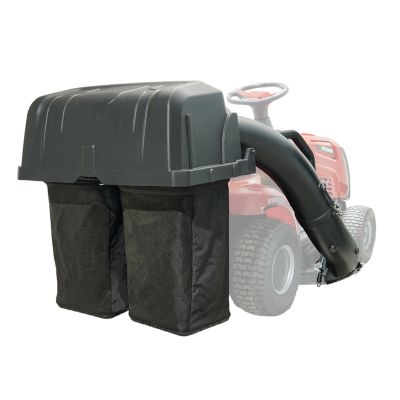
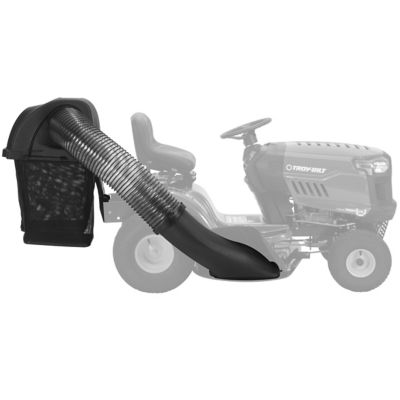
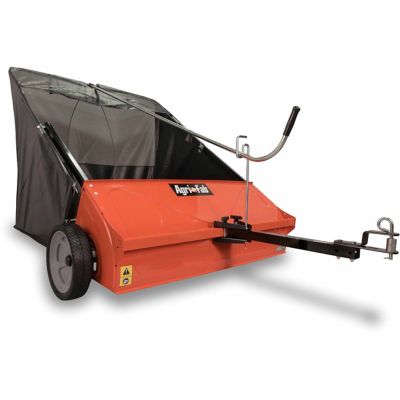
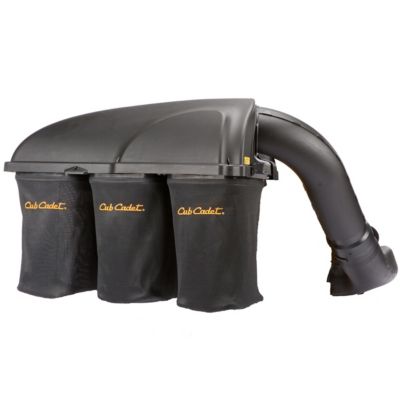
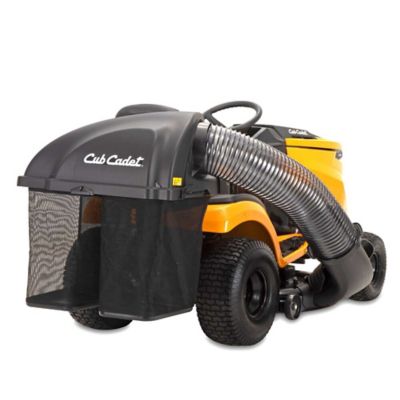
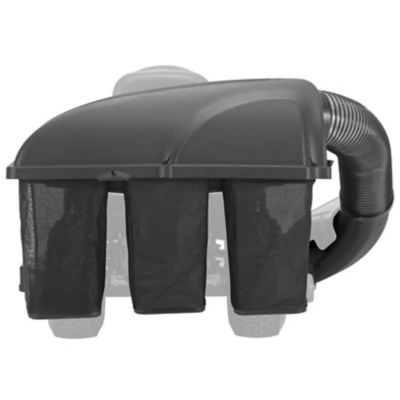
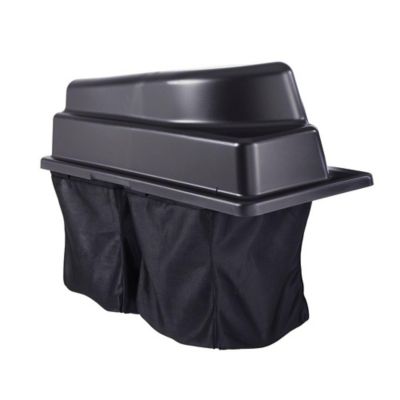
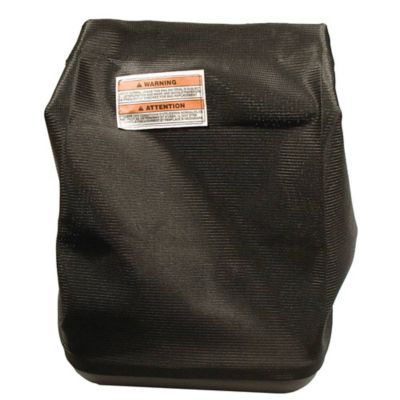
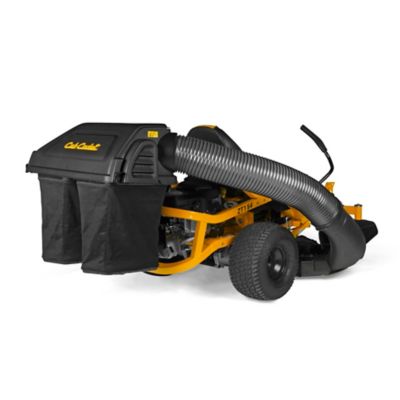
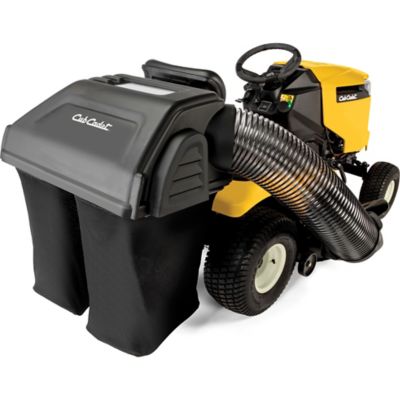
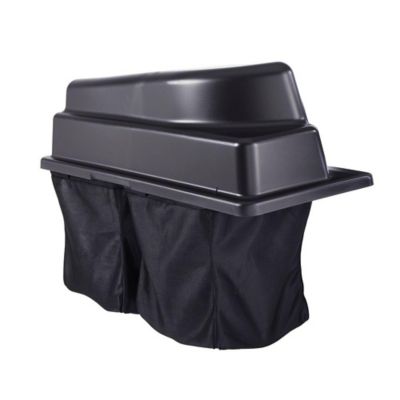
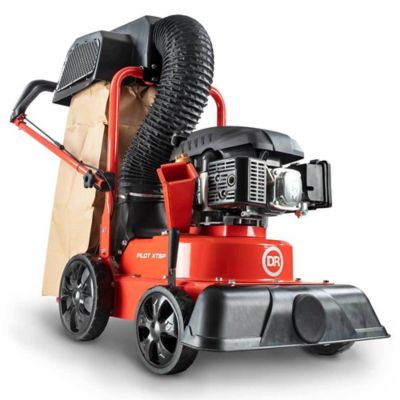
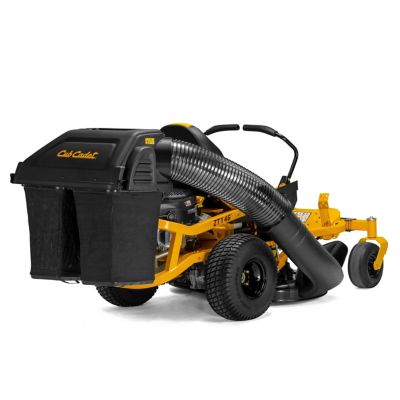
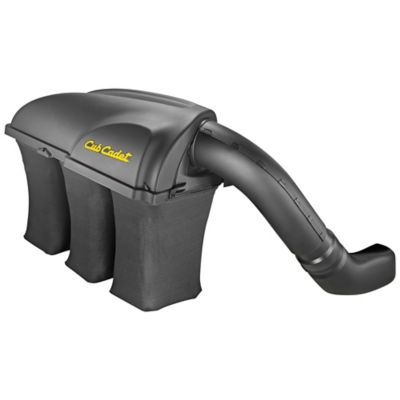
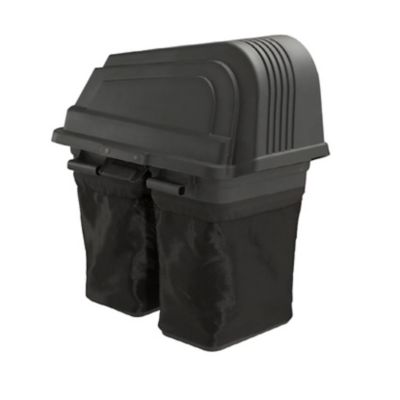
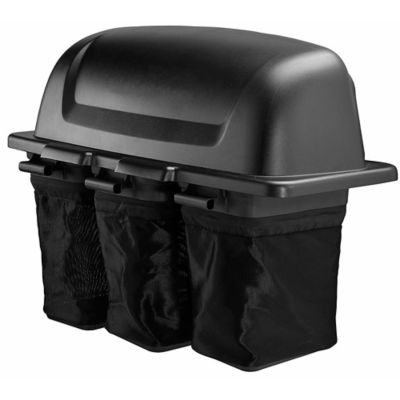
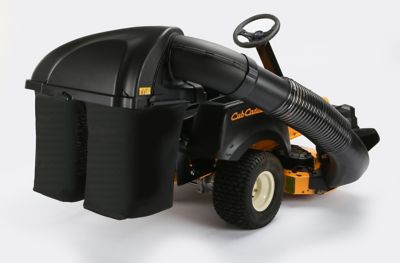
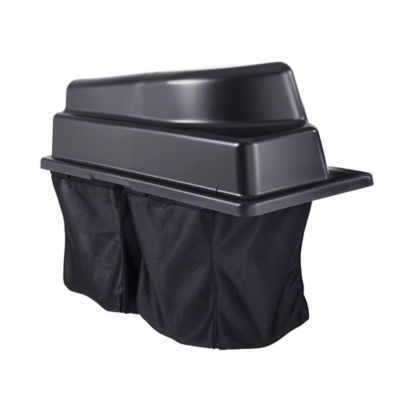
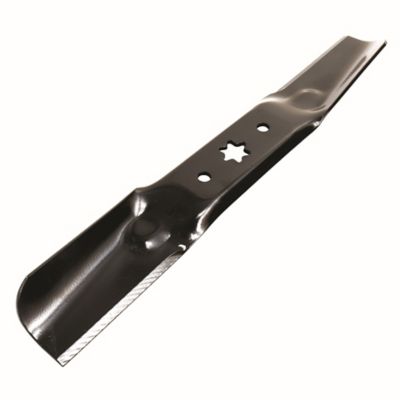
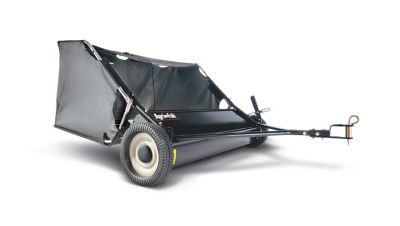
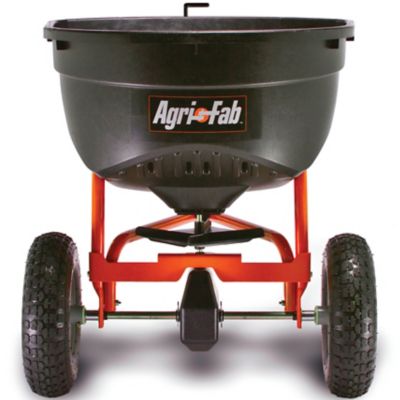
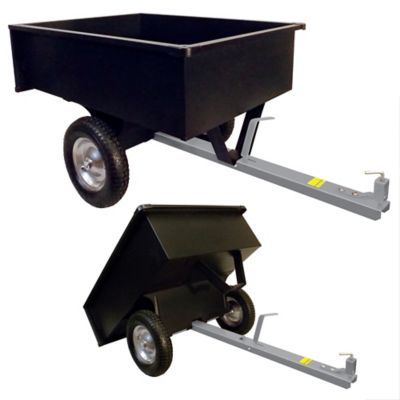
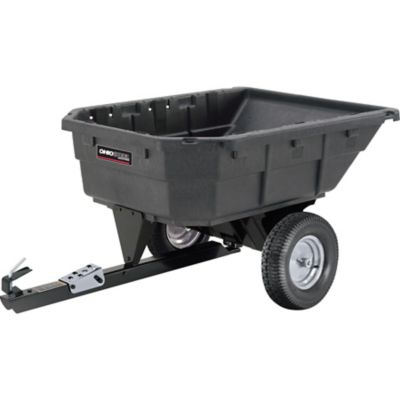
Bagger systems make it easier to collect grass clippings, leaves and other light yard debris while you mow, helping leave the lawn looking neat without stopping to rake every pass. They’re commonly used with riding lawn mowers, lawn tractors and zero-turn mowers, and the right setup can save a good deal of time when the yard is growing fast or leaves are coming down heavy during the cooler months. A bagger may be a practical choice for a homeowner who likes a tidy finish, someone caring for a large rural property, or a new mower owner getting a lawn back in shape after a long stretch of growth. They can also be useful for gathering clippings to add to a compost pile, collecting leaves for mulch or moving small amounts of yard debris to a disposal area. As you compare options, start with mower compatibility. Check the mower’s make, model, deck width and discharge configuration, since a bagger needs to match the deck and mounting points to work properly. A system built for a narrow deck may not fit a wider mower, while a bagger designed for one mower family may not attach safely to another. It’s also worth checking whether the mower requires a particular chute, adapter, mounting frame or blade setup. The deck size matters for more than fit; it can affect how much material is moved with each pass and how quickly the bags fill. If you mow a modest suburban lot, a compact twin-bag setup may be all you need. Bigger lawns, open acreage and heavy leaf coverage may call for a triple-bag system or a higher-capacity arrangement so you can spend more time mowing and less time unloading. Fabric or mesh bags are light, easy to remove and convenient to empty, while rigid containers or metal bins can offer a more durable feel and may hold their shape well around rougher work. Some systems attach near the rear of the mower, and others use a side-mounted or direct-attach design. A direct-attach setup can reduce the length of the discharge path and may help limit clogging, while a rear-mounted system can provide balanced capacity and straightforward unloading. Powered bagger systems use an additional blower, engine or internal paddle wheel to create stronger airflow. That extra power can be helpful when you’re collecting thick leaves, damp clippings or dense material that a standard mower discharge may struggle to move. Keep in mind that powered units can add weight, noise, maintenance and cost, so they make the most sense when the workload calls for them. For a closer look at available setups and fitment details, browse
Riding Lawn Mower Baggers and compare the system style with the work you do around your place.
Capacity is one of the biggest day-to-day considerations. A bagger’s listed capacity may be described by the number of bags, container size or total bushels, but the practical capacity depends on what you’re collecting. Dry grass takes up less room than loose leaves, and damp material can become heavy before the bags look completely full. Twin baggers are a familiar choice for routine lawn clipping collection and are often easy to empty by lifting one container at a time. Triple baggers can reduce trips to the compost pile or trailer when the yard is covered in leaves, though their added weight may be noticeable on smaller riding mowers. Before buying, consider how far you’ll carry a full bag and whether the mower has enough stability and rated capacity for the attachment. Look for a secure mounting frame, clear instructions and access to replacement bags, tubes, hardware and other wear parts. A transparent or marked chute can make it easier to see when material is building up, and a quick-release design saves aggravation when it’s time to dump the load. Airflow is just as important as bag size. Mow with the engine at the manufacturer’s recommended operating speed so the blades and discharge system can move clippings through the chute. Cutting only a little grass at a time usually works better than waiting until the lawn is tall and thick. When grass is wet from dew or rain, clippings can stick inside the chute and pack together, especially in dense areas or when the mower deck is set too low. If the system begins to clog, stop on level ground, disengage the blades, shut off the engine and remove the key before checking the chute or deck. Never reach into a running mower or try to clear a blockage while blades are turning. A little patience pays off: letting the lawn dry, raising the deck slightly and making a slower pass can help keep material moving. On leaf-covered ground, dry leaves generally flow more easily than wet ones, and mowing in manageable sections helps prevent the chute from becoming overwhelmed. A bagger is not intended to replace every yard cleanup tool, but it can pull double duty by collecting leaves, fine twigs and clippings as you work, provided the debris is light enough for the mower and attachment.
Regular care helps a bagger system last through many seasons of mowing. Empty the bags before they become packed tight, since an overfilled container can restrict airflow and make the mower work harder. After use, especially following damp grass or wet leaves, remove the bags and allow them to dry completely. Brush or rinse away buildup from the inside of fabric bags, then inspect seams, fasteners and mounting straps for wear. Clean grass and debris from the chute, blower housing and underside of the mower deck after shutting the machine down safely. A deck coated with old clippings can encourage moisture, mold and rust, while a partially blocked discharge path makes collection less efficient. Check belts, pulleys, impellers and hardware on powered systems according to the maintenance schedule, and tighten loose fasteners before they turn into a bigger problem. Store the attachment under cover during periods when mowing slows down, keeping fabric containers dry and rigid parts protected from standing water. If you’ll be using the mower for regular cutting as well as collection, make sure the bagger can be removed without a lengthy changeover; a simple mount is handy when you want to switch back to side discharge or mulching. Think about where you’ll empty the material, too. A compost area, garden bed, burn-free yard waste spot or trailer may be several trips away, and that distance can influence whether a lightweight twin system or larger high-capacity setup suits your routine. Bagger systems are especially useful for homeowners who want a clean lawn without raking the same stretch of grass again and again, caretakers of larger properties, and anyone preparing a yard for the quieter growing period ahead. With a properly matched attachment, sensible mowing habits and a little cleanup after each job, collecting clippings and leaves can become a smooth part of the regular lawn routine instead of a separate chore waiting at the end.