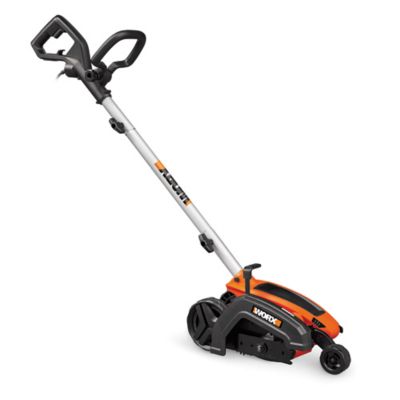
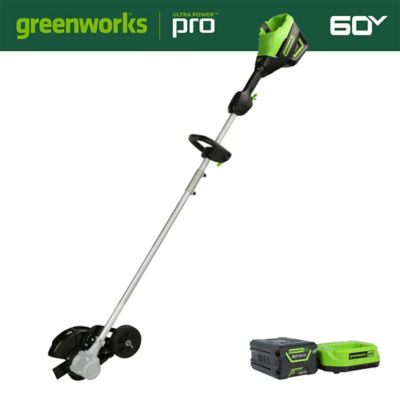
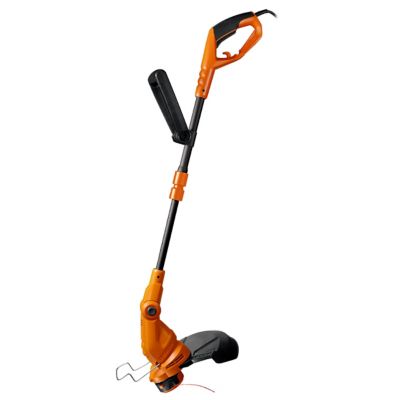
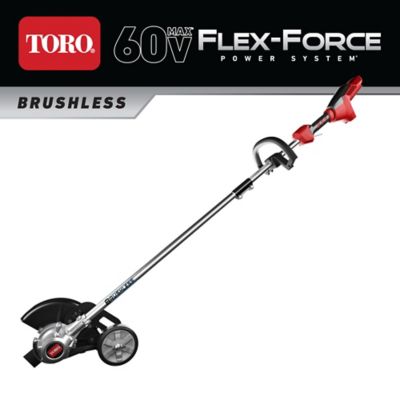
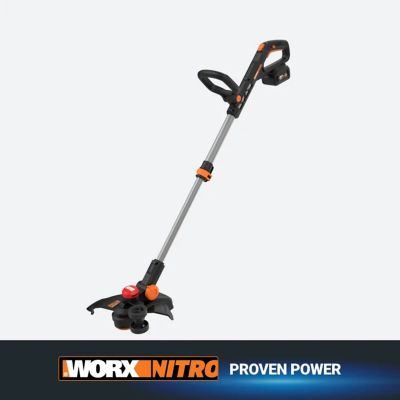
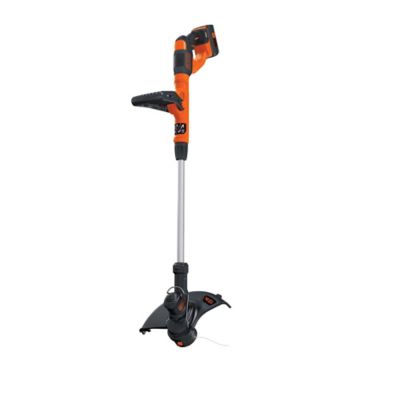
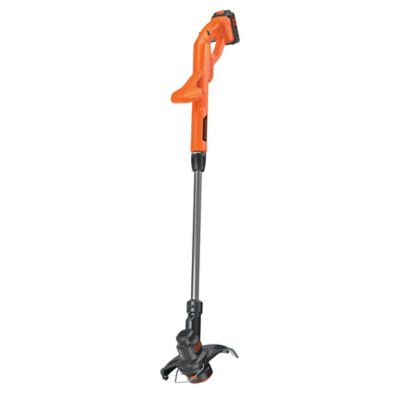
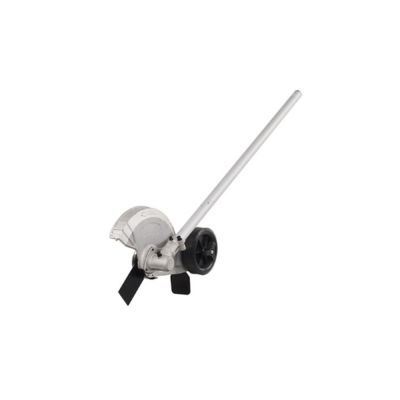
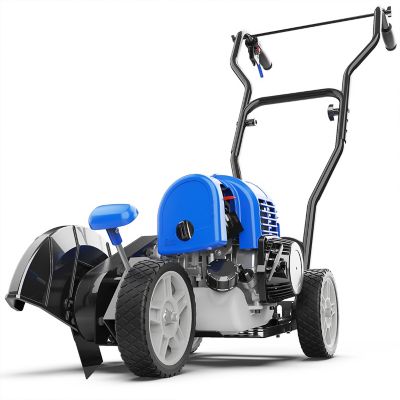
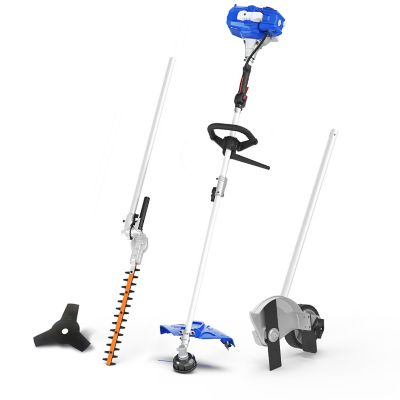
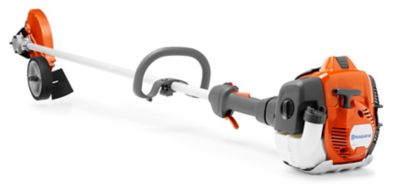
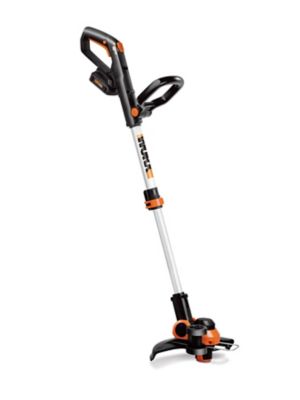
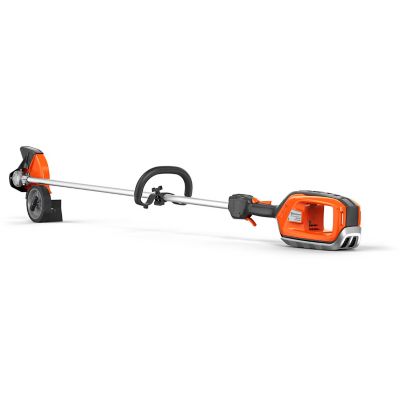
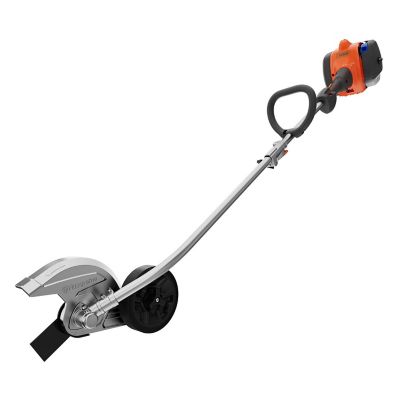
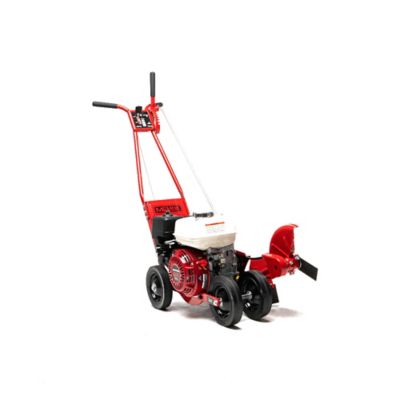
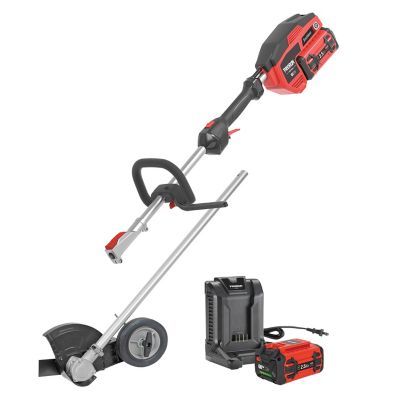
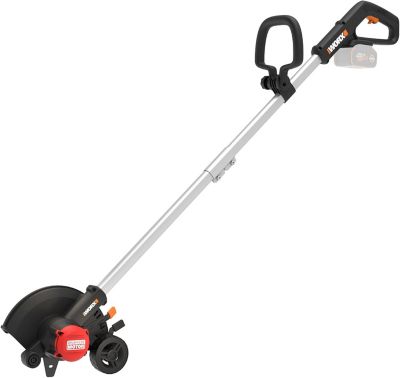
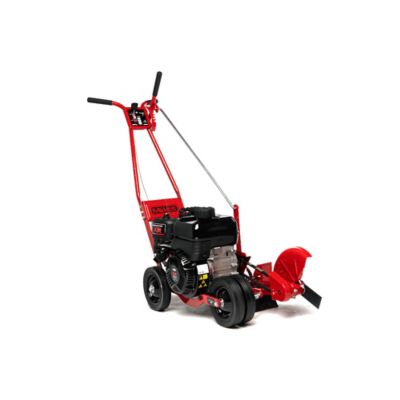
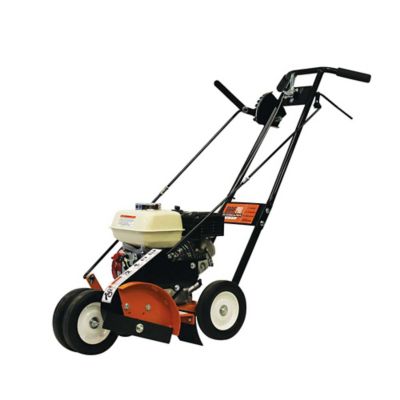
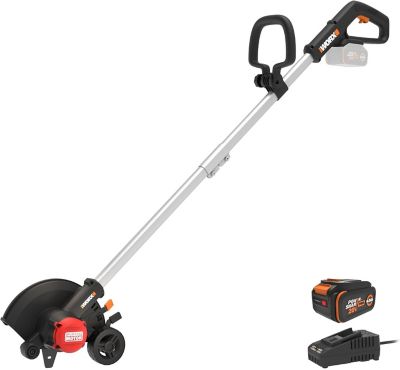
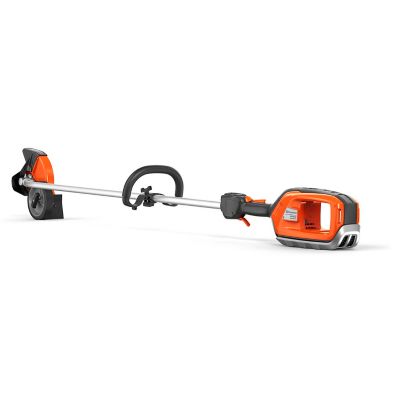
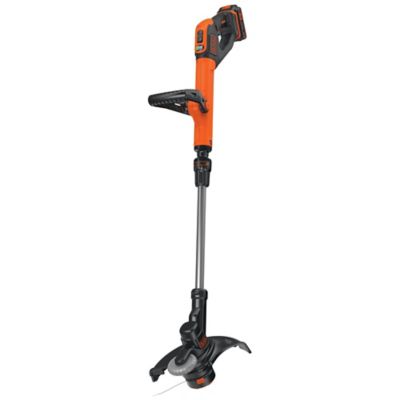
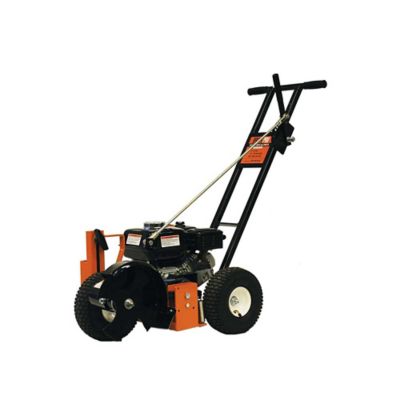
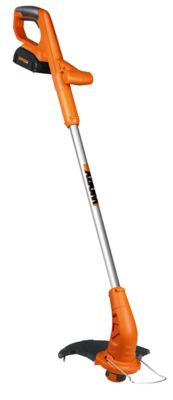
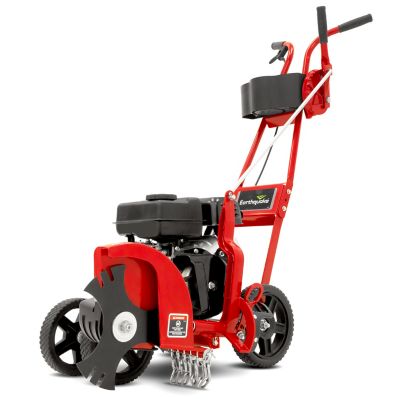
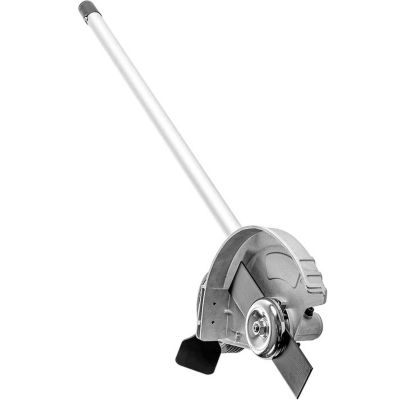
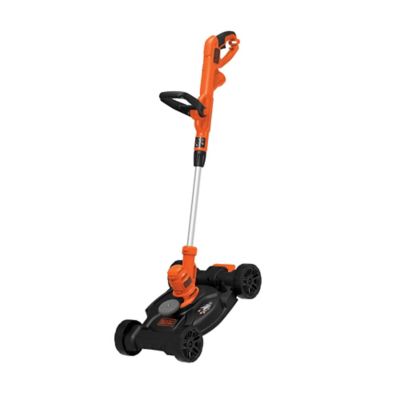
An edger machine is a powered lawn care tool with a vertically rotating blade that cuts a defined boundary between grass and sidewalks, driveways, or planting beds. Rather than simply clipping tall grass, it slices along the edge of the turf to leave a narrow separation where the lawn meets another surface. That clean line can make a farmhouse drive, a front walk, or a row of flower beds look better kept without changing the rest of the yard. Lawn edger machines suit homeowners tending a few paved borders as well as property caretakers maintaining longer runs around buildings and walkways. They serve a different purpose from string trimmers, which typically cut grass and weeds with flexible line. Some trimmers accept an edging attachment, but compatibility depends on the tool and attachment system. Standalone machines come in several power formats, each with its own practical fit. Gas-powered edgers offer freedom from a cord and can make sense for extended work away from an outlet, though they bring engine upkeep and fuel handling into the picture. Battery-powered edgers also work without a cord, with operating time depending on the battery, cutting conditions, and machine. An extra compatible battery can help with longer stretches, while battery weight affects how a handheld tool feels over the course of the job. Corded electric edgers suit work within reach of a suitable outlet and a properly rated outdoor extension cord. Their working range depends on cord length and the manufacturer’s electrical requirements. Around a house with several short paths, easy maneuvering may matter more than sheer power. Along a long drive with thick turf creeping over the border, steady tracking and enough cutting strength for the job become bigger considerations. The right match starts with the amount of edging, the layout of the property, and the ground the blade will encounter.
Machine layout makes a real difference once the work stretches beyond a few feet. Walk-behind edgers carry their weight on wheels, helping the operator follow a border without supporting the whole machine. Handheld edgers put more of that weight in the operator’s hands, making balance, grip placement, and handle adjustment worth a close look. A comfortable working position should allow control without constant bending or reaching. On wheeled machines, wheel size, spacing, and adjustment affect how the edger travels beside pavement or across uneven ground. Some designs include a curb wheel or similar adjustment for working where the lawn and pavement sit at different heights. That feature can matter along a raised sidewalk, but it is not part of every machine. Cutting depth is another useful comparison point. A shallow, maintained border calls for a different approach than turf that has spread well over a walkway, and a deeper setting is not automatically better. Adjustable depth allows the cut to suit the task within the machine’s operating limits. Steel blades handle repeated contact with soil, but they wear down and need inspection and eventual replacement. Blade dimensions, mounting hardware, and replacement compatibility matter just as much as the original blade’s shape. Depending on the design, housings and guards may include steel or molded polymer, while handles often combine metal tubing with grip surfaces for control. Construction details, fasteners, and access to service points all play a part in long-term ownership. A blade guard helps manage thrown material, but it does not replace eye protection, sturdy footwear, or keeping people and animals clear of the work area. Hearing protection may also be necessary. Loose stones, exposed irrigation parts, buried wiring, and woody roots deserve attention before any powered blade enters the soil. Edgers are meant for their stated lawn and border tasks, not cutting concrete or clearing substantial roots. For winding beds or tight corners, maneuverability deserves as much attention as power.
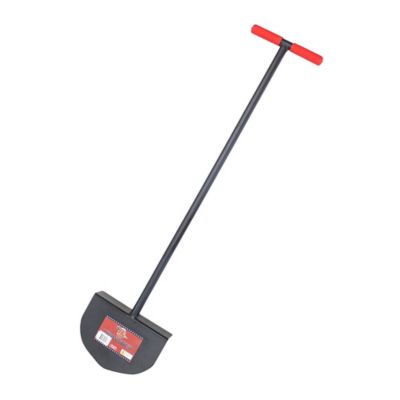
Care requirements are part of choosing an edger machine, especially for anyone who wants yard equipment ready for the next round of chores. Grass and packed soil can collect around the blade and guard, so accessible cleaning areas make upkeep less of a nuisance. Cleaning, inspection, and blade work require shutting the machine down and preventing an accidental start according to the owner’s manual. A worn, bent, or damaged blade can affect the cut and should be addressed with the specified replacement parts. Wheels, handles, guards, and fasteners also need periodic checks, particularly when the machine travels over rough ground. Gas models have fuel and engine-service requirements, with lubrication needs depending on engine design. Battery-powered models need a compatible battery and charger, along with charging and storage practices that follow the manufacturer’s directions. Corded machines call for attention to the power cord, connections, and extension-cord condition. Storage space matters, too: a full walk-behind frame takes a different footprint than a slender handheld tool, and folding or adjustable handles can affect how neatly equipment fits beside the mower. For short borders, small beds, or touch-up work where a powered machine feels like more than the job calls for,
Manual Edgers provide another way to define the lawn’s edge without an engine, battery, or cord. A powered edger earns its place when the property has enough border work to benefit from a rotating blade and a machine suited to the operator. Think of the sidewalk out to the mailbox, the pavement beside the garage, and the bed edging along the porch. Matching the tool to those everyday spaces helps keep the work manageable and the finished boundary neat, without asking the machine to do a job outside its intended purpose.