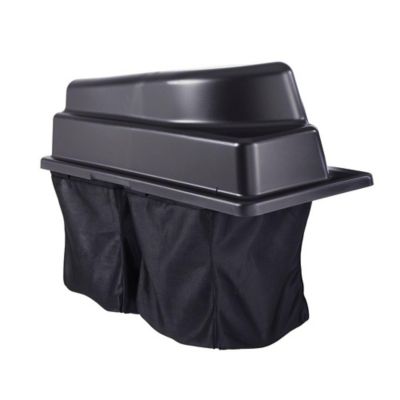
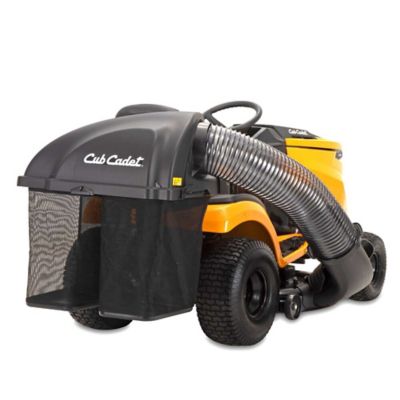
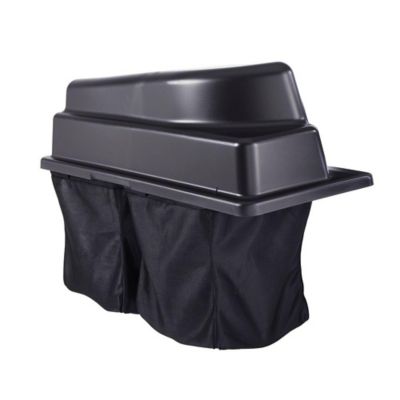
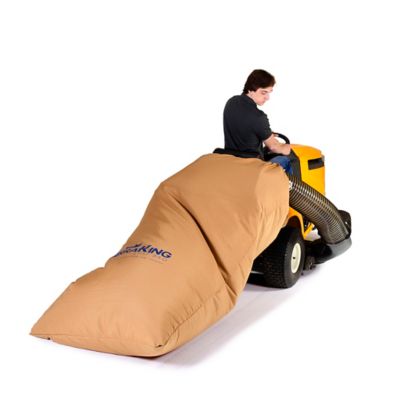
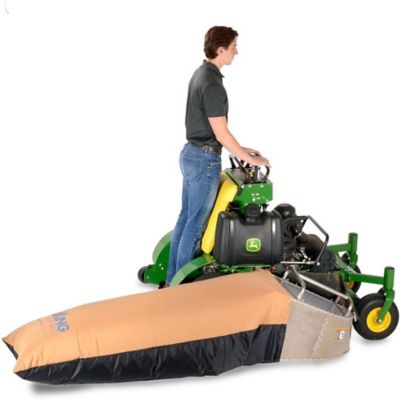
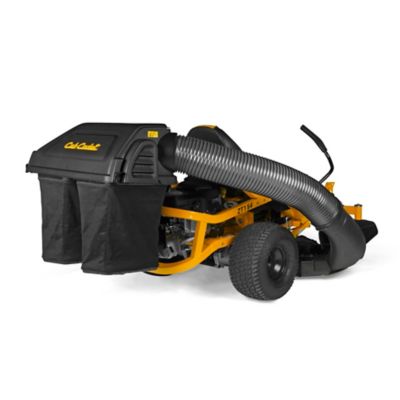
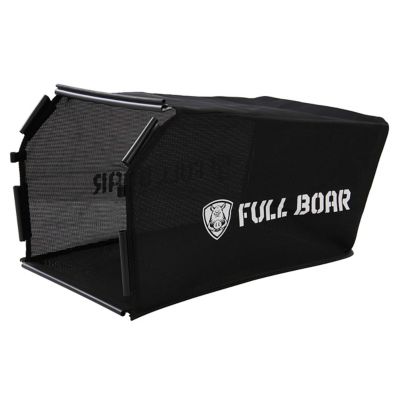
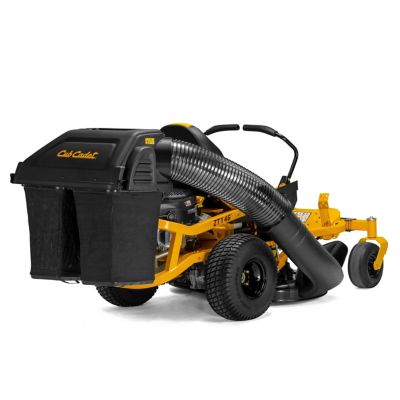
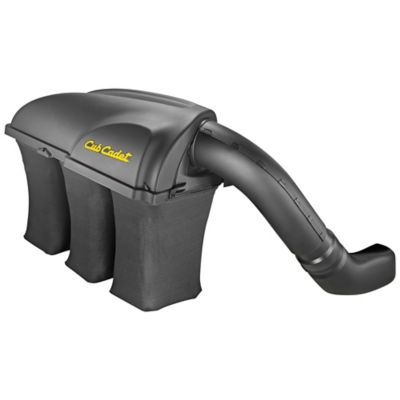
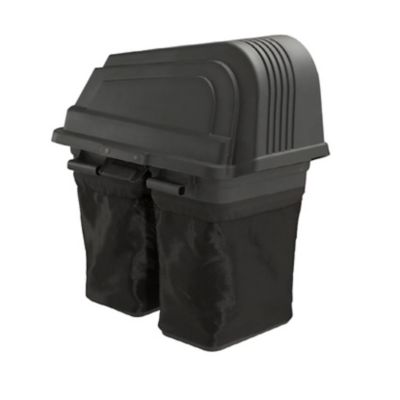
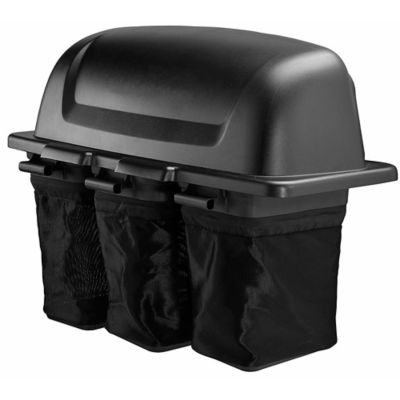
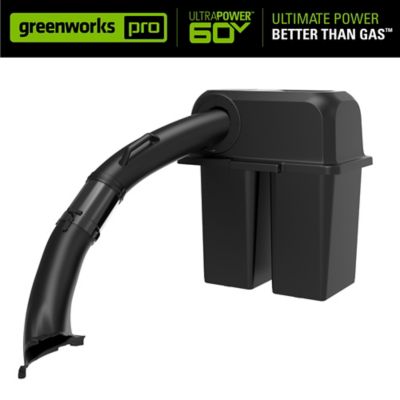
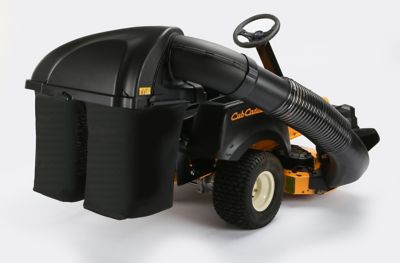
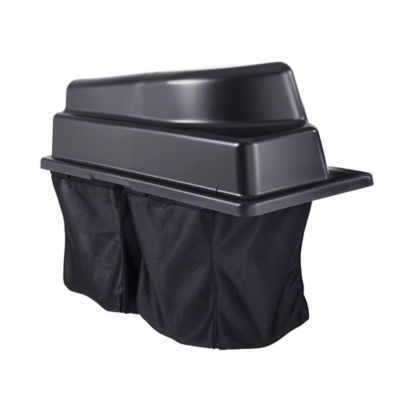
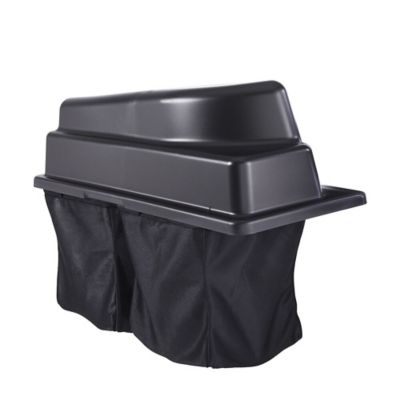
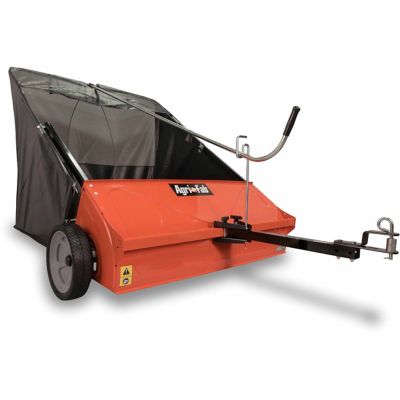
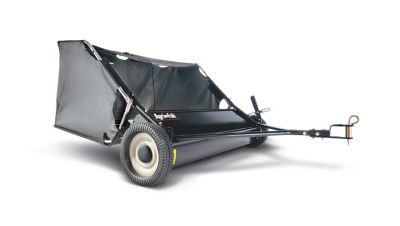
Bagger attachments make it easier to collect grass clippings, leaves and other light lawn debris as you mow, giving your riding mower or zero-turn mower a cleaner finish with less raking afterward. Mounted at the rear of the mower, a bagger typically uses a chute to carry material from the cutting deck into one or more collection bags or a hopper. That simple setup can make a big difference around country homes, large yards and places where fallen leaves gather along fence lines, driveways and outbuildings. Instead of leaving rows of clippings across the turf or pushing a heavy pile with a rake, you can gather debris as you work and unload it where it belongs. Collected grass may be added to a compost pile when appropriate, while leaves can be hauled to a garden bed, brush area or local yard-waste site. During the cooler months, a bagger attachment is especially handy for keeping up with a steady blanket of leaves before they become wet, matted and harder to move. It can also help tidy the lawn after a final round of mowing, when taller grass and scattered debris make a yard look rough going into winter. Homeowners with larger properties, hobby farmers, caretakers of shared grounds and anyone who prefers a neat, well-kept lawn may appreciate the time saved. A bagger attachment can even make a practical gift for someone who takes pride in their mower and spends weekends keeping the place looking sharp, though fit and mower compatibility should always be confirmed before purchase.
The most important consideration when choosing among bagger attachments is whether the attachment matches the mower and cutting deck. Check the mower’s model information, deck width and deck style, then compare those details with the listed fitment before ordering. A bagger made for one deck configuration may not work with another, even when the widths appear similar. Pay close attention to the chute design, mounting brackets, belt or drive requirements, and any included hardware needed to secure the assembly. Collection capacity is another useful detail. Smaller setups can be easier to empty and store, while larger-capacity hoppers or multi-bag systems may be a better match for broad lawns with a lot of leaves. A clear viewing area, mesh section or other fill indicator lets you keep an eye on the load without stopping to open the hopper, and easy-release bags help make unloading less of a chore. Look for sturdy frames, dependable latches and materials that can handle repeated use, especially if the mower sees long stretches of fall cleanup. Dry clippings and crisp leaves generally move through the chute more easily than damp, packed material, so mowing when the lawn is reasonably dry can help limit clogs. Before attaching, removing or clearing a bagger, shut off the mower, set the parking brake, remove the key and wait for all moving parts to stop. Keep the chute and collection area free of buildup, check fasteners from time to time, and store the attachment in a covered, dry place when the mowing season winds down. Baggers are made for collecting cut grass and loose lawn debris, not for hauling rocks, branches or heavy soil. For property owners comparing equipment for other chores,
Tractor Bucket Attachments can help with moving dirt, mulch and heavier materials around the farm or homestead. With the right fit and a little routine care, a bagger attachment can turn a long cleanup job into a steady pass around the yard, leaving the grass looking even and the walkways, garden edges and driveway clear.