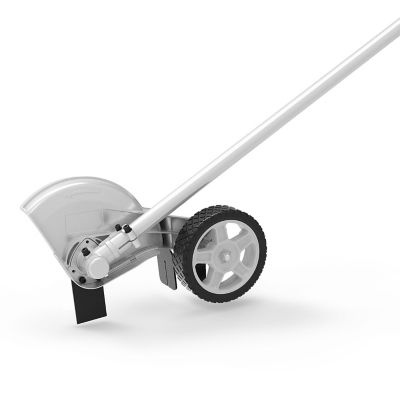
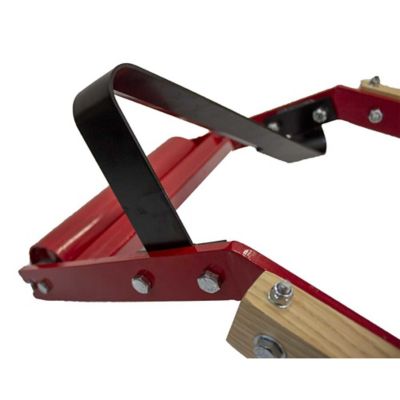
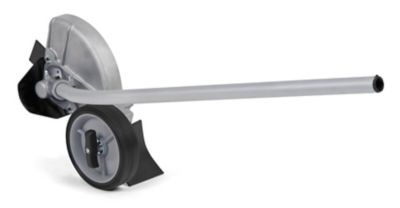
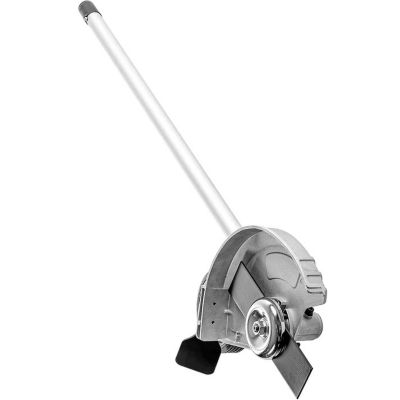
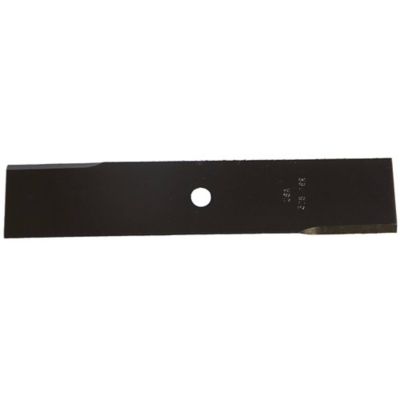
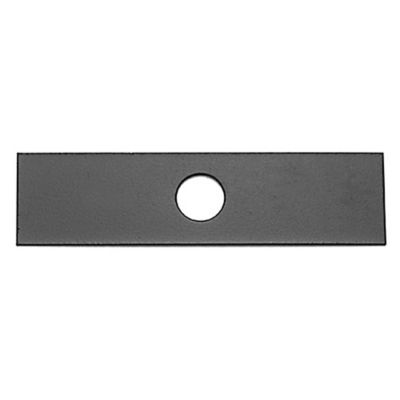
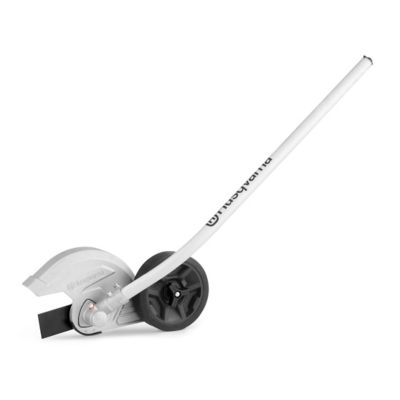
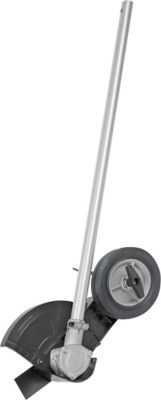
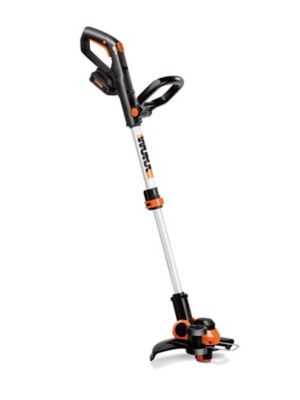
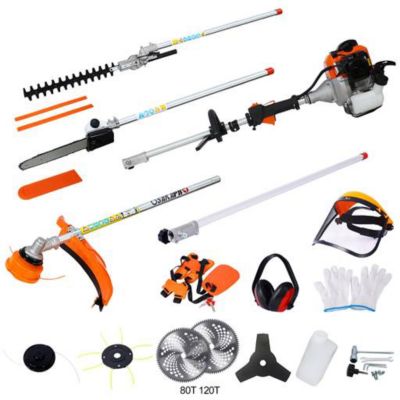
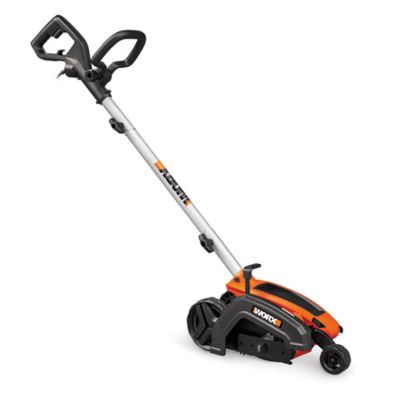
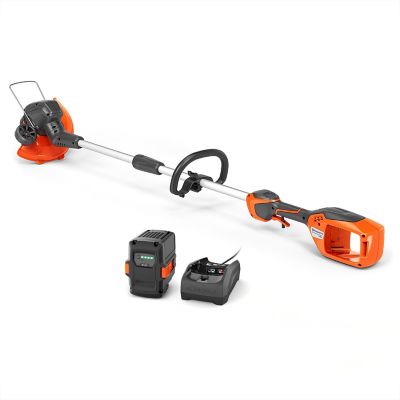
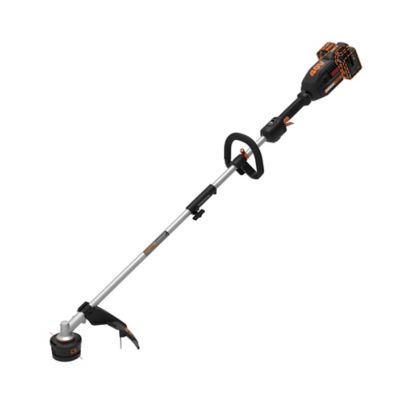
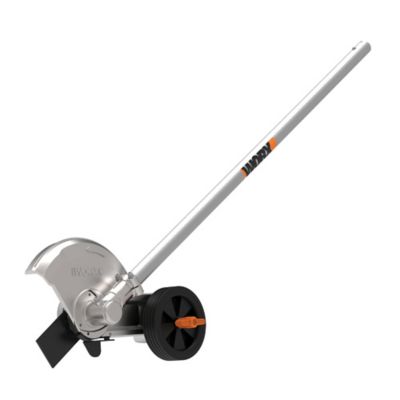
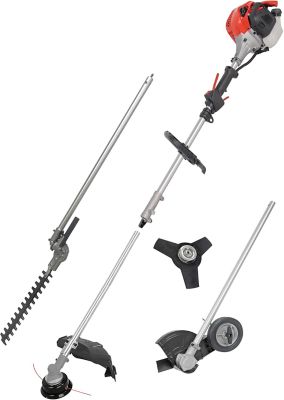
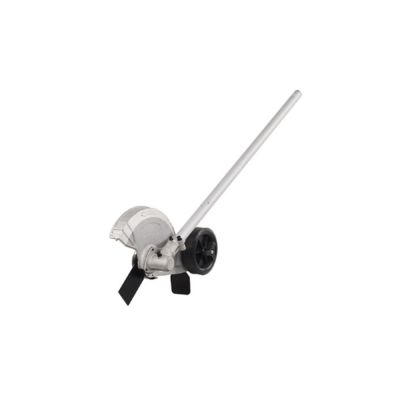
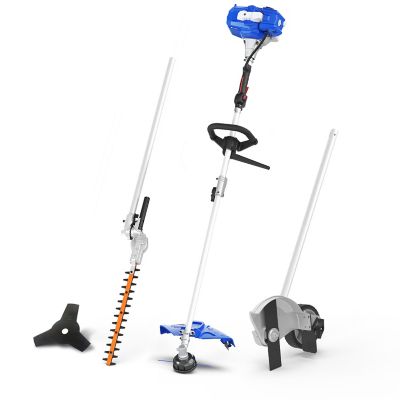
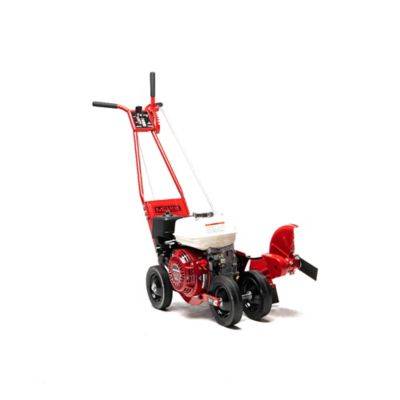
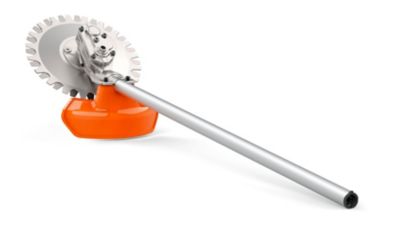
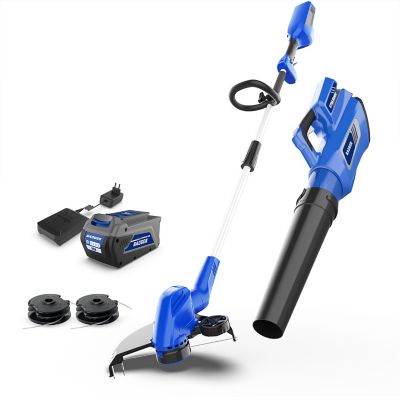
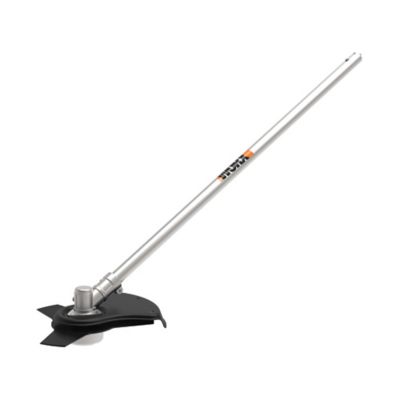
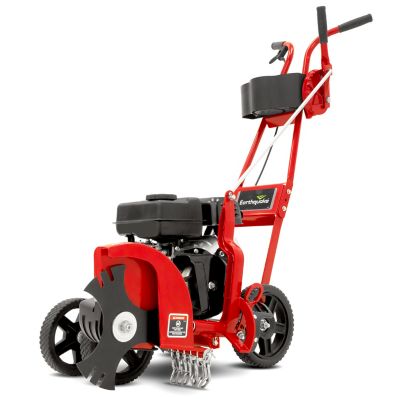
Edger attachments make it easier to give walkways, driveways, garden beds, and other hard borders a clean, finished line without keeping a separate machine in the shed. These specialized tool heads connect to a compatible multi-use powerhead or trimmer shaft, turning equipment you may already own into a dedicated lawn-edging setup. Instead of cutting sideways like a string trimmer, an edger attachment uses a vertical blade to slice through grass, roots, and creeping growth along the edge of a paved surface or planting area. That clear separation helps mulch stay in the bed, keeps turf from spreading across sidewalks, and gives the whole yard a tidy look that holds up through the changing seasons. A properly edged border can also make mowing easier, since the mower wheels have a more defined line to follow and are less likely to ride into a flower bed. These attachments are useful for homeowners caring for a small town lot, acreage owners maintaining long stretches of driveway, property managers keeping shared spaces neat, and anyone who prefers a straightforward attachment rather than another complete engine or motor to store. They can be especially handy during the cooler months, when fallen leaves, damp soil, and lingering grass growth make neglected borders stand out. A quick pass along the most visible edges can sharpen up the yard before outdoor gatherings, property showings, or seasonal cleanup, while regular touch-ups help prevent heavy overgrowth from taking hold.
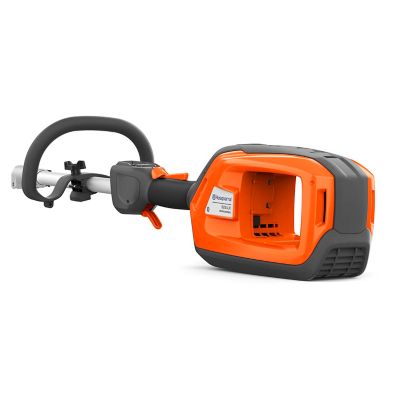
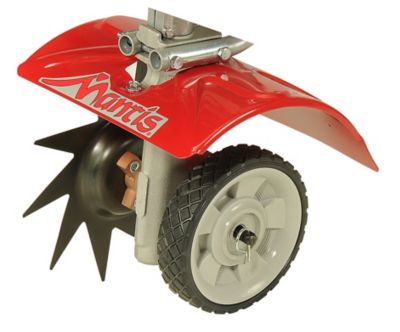
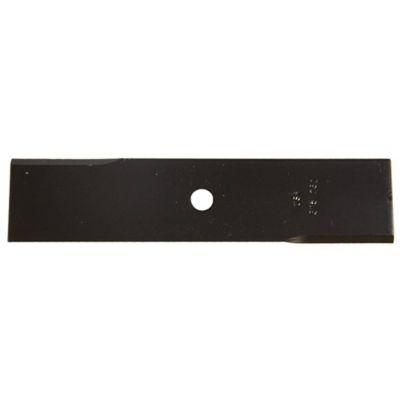
Compatibility should be the first consideration before choosing an edger attachment. Attachments are not automatically interchangeable, even when they look similar, so match the connection type to the powerhead or trimmer shaft you already have. Check the manufacturer’s specifications for the coupler style, shaft size, drive connection, and intended powerhead family before placing an order. Some systems use a click-in coupler, while others rely on a particular square shaft or another drive configuration. The attachment also needs enough power for the work you plan to do; thick, established turf and compacted soil may call for a stronger powerhead than light touch-up work around a small bed. Battery-powered equipment is often appreciated for quieter operation, fewer fumes, and easy starts around the house, while gas-powered equipment can be useful for longer runs or demanding jobs where extended runtime matters. Blade size is another useful detail to review. Many stick-edger attachments use blades in the 7- to 8-inch range, with cutting depths reaching up to about 3 inches, although the exact working depth depends on the attachment design and ground conditions. An adjustable guide wheel helps steady the tool and maintain a more even depth, particularly when the sidewalk or driveway is not perfectly level. A skid plate can help the attachment glide over the surface and protect the blade housing, while a depth adjustment lets you make a shallow maintenance cut or work deeper into a border that has become crowded with roots and runners. Look for a blade guard, sturdy housing, comfortable controls, and replacement blade availability as well. If you are comparing tools for a related workshop task, an
Edge Sander serves a different purpose and should not be confused with a lawn edger attachment; one is made for shaping outdoor borders, while the other is intended for smoothing material edges.
Using an edger attachment well comes down to preparation, a steady pace, and a light touch on the first pass. Before starting, clear away sticks, stones, toys, wire, and other debris from the cutting line, then inspect the area for sprinkler heads, landscape lighting, buried cable markers, and exposed roots. Marking a new border with a hose or line of flour can help create a smooth curve before you cut, especially around a rounded bed or a winding walkway. Keep both hands on the equipment as directed by the operating instructions, wear eye and hearing protection, use sturdy closed-toe footwear, and keep people and pets away from the work area. Let the guide wheel do its job instead of forcing the blade into the soil. On an established edge, make a controlled pass at a modest depth, then make a second pass if more soil or turf needs to be removed. Trying to cut too deep in one motion can bog down the powerhead, wear the blade faster, and leave a rough trench. Damp soil may cut cleanly, but ground that is soaked can smear along the hardscape, while very dry or rocky soil may require slower progress and extra care. After edging, rake or sweep loose soil and grass back into the bed or collect it for cleanup, then rinse or brush the attachment as recommended and check the blade for bends, chips, or excess wear. Store the attachment under cover during the cooler months, keeping the blade protected and the shaft connection clean. For a new homeowner, a careful do-it-yourselfer, or a gardener who enjoys giving practical tools as gifts, an edger attachment can be a useful addition to a compatible power system. It saves storage space, handles an everyday yard chore with less fuss, and leaves behind the crisp boundary that makes freshly mowed grass, dark mulch, and well-kept paths look their best.