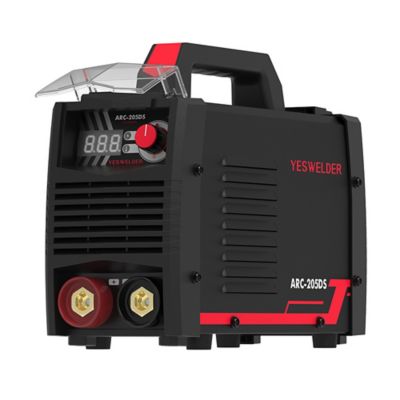
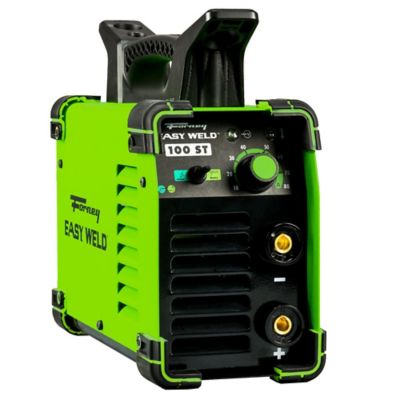
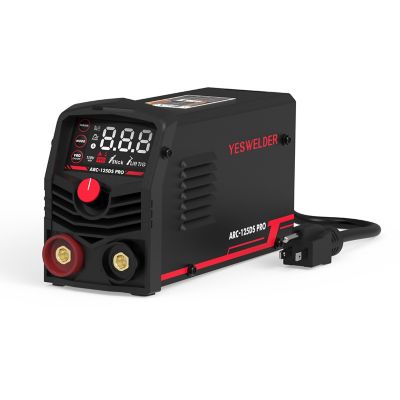
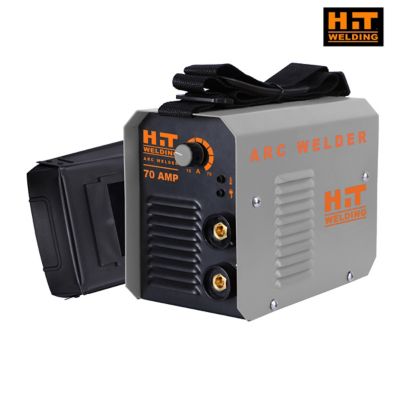
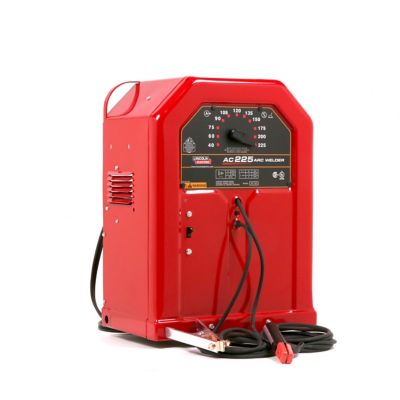
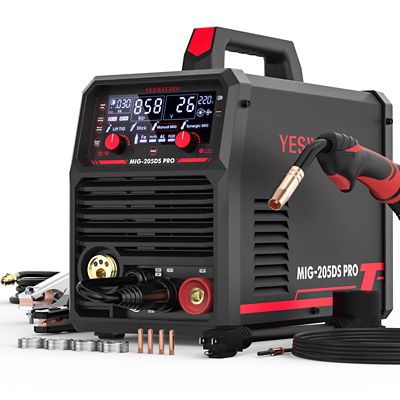
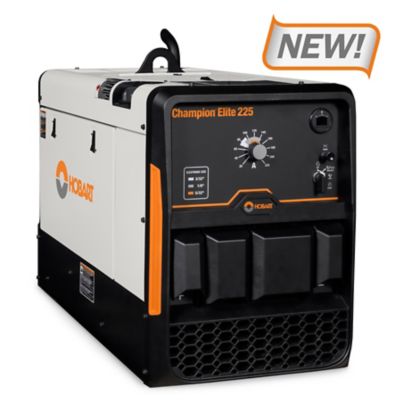
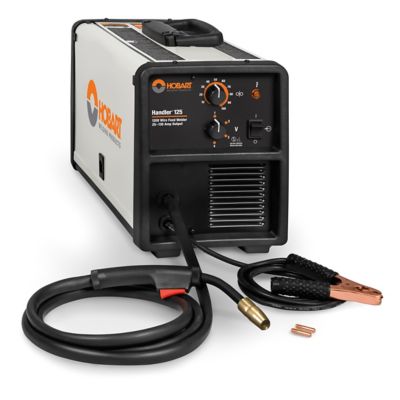
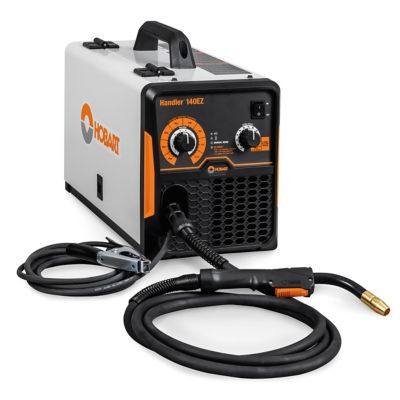
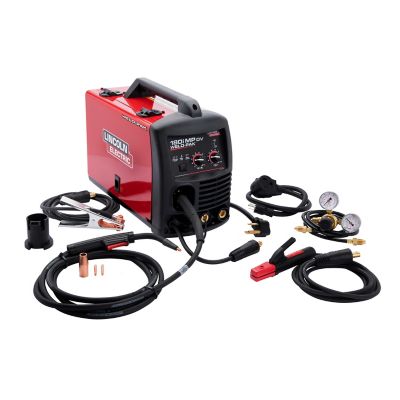
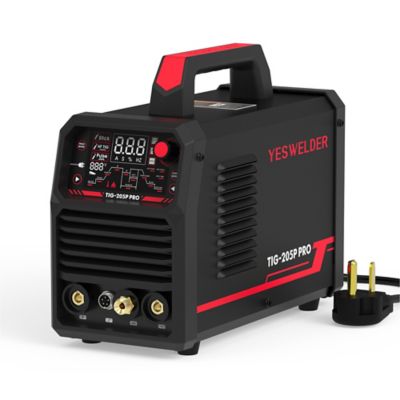
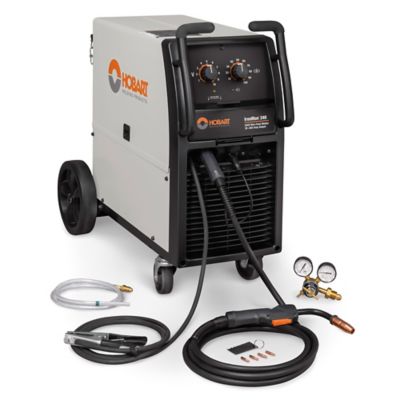
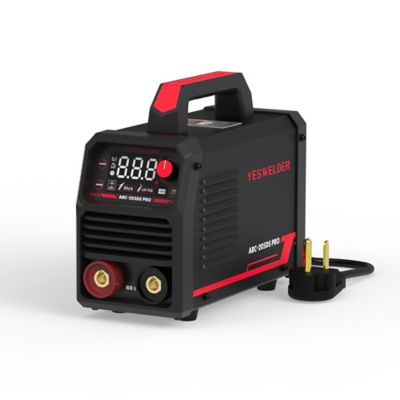
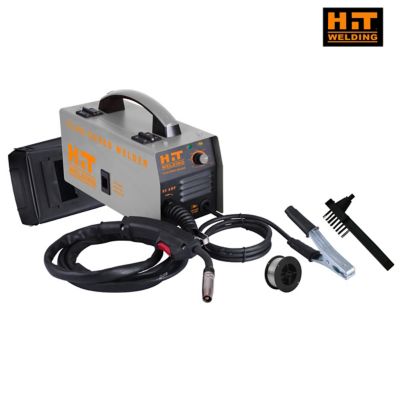
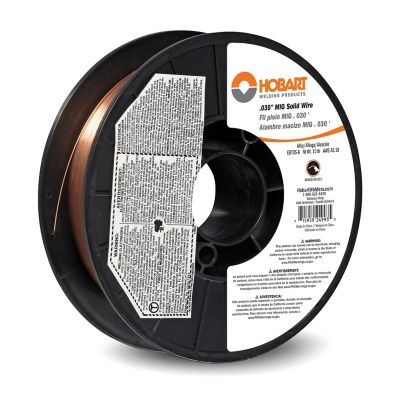
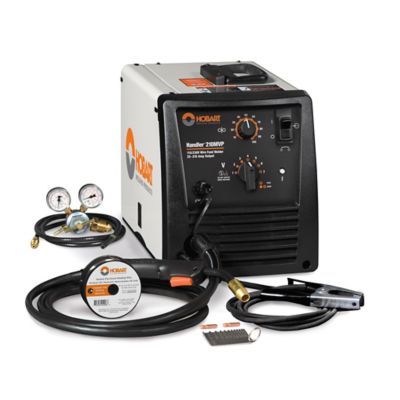
An arc welder earns its spot in the shop when a latch bracket breaks off a steel gate or a stack of angle iron needs to become a workbench frame. The machine creates an electric arc between an electrode and the metal. The heat melts metal at the joint, and the pieces fuse as the weld cools. While the weld puddle is molten, shielding gas or flux protects it from the surrounding air. Stick, MIG, TIG and flux-cored welding all work by creating an arc, though a machine described simply as an arc welder often refers to a stick welder. Stick welding feeds the joint with a flux-coated rod that gets shorter as the weld progresses. The coating provides shielding without a separate gas cylinder and leaves a layer of slag that has to come off afterward. That straightforward setup makes sense for plenty of farm and equipment work in mild steel, especially when the job is too far from the bench to bring the work to the machine. MIG welding continuously feeds wire and typically supplies shielding gas through the gun, a combination that suits jobs with a lot of short welds or repeated joints. Flux-cored welding also feeds wire, but the wire has flux inside it. Self-shielded wire doesn’t need a separate gas supply, while some flux-cored wires do. TIG welding takes a different approach: A tungsten electrode forms the arc without feeding metal into the puddle, and the operator can add filler by hand when the joint calls for it. That separation gives the operator close control on thin stock or on a joint where the bead will show. A shop that mostly sees steel repairs may have little need for several processes, while a shop that sees everything from sheet metal to heavy stock may benefit from a multiprocess machine.
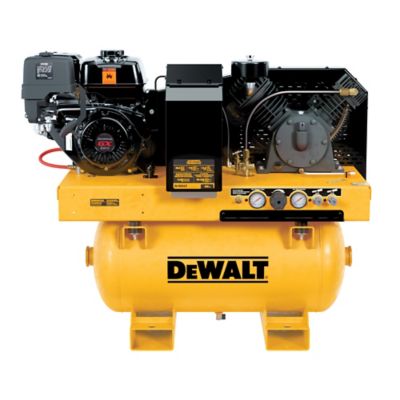
The best fit starts with the metal that actually lands on the bench. A welder that does fine joining flat bar for a rack may not have the low-end control needed to patch thin sheet without burning through it. Thicker steel generally calls for more output, and joint design and preparation matter just as much as the number on the front of the machine. Mild steel is common in farm and home shops, but stainless steel and aluminum bring different requirements. Rather than assuming one setup covers all three, check what metals and thicknesses the machine is rated for and which electrodes, wire or shielding gas the process calls for. Take a look at input power, too. A machine rated for 120 volts can make sense for lighter work where the shop has a compatible circuit. A 240-volt setup can support higher output, and a dual-voltage machine may have different output limits depending on which supply it’s plugged into. Duty cycle gives a better picture of how a welder will handle a long stretch at the bench than maximum amperage alone. A 30 percent duty cycle at a stated output means up to three minutes of welding in a 10-minute period, with the rest of that interval for cooling. That may hardly come into play while tacking together a frame and checking it for square, but it matters when laying down a series of longer beads. For work that takes the welder from the shop to a gate or machine shed, weight, handle placement and lead reach can matter as much as power. When there’s no suitable outlet near the work,
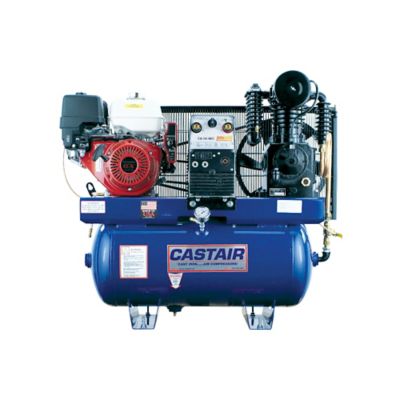
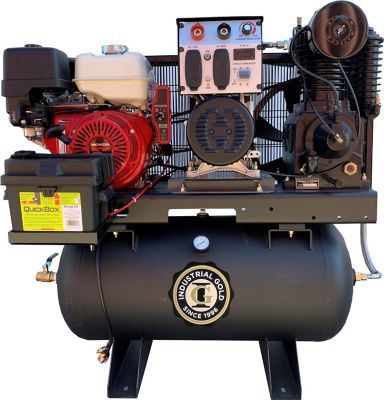
Welding Generators can help bring welding power to the job. Check the welder’s input requirements before pairing a separate welder with a generator.
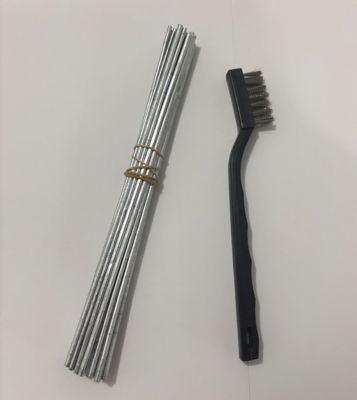
How a welder holds up has a lot to do with where it works and how it’s put away. A machine that spends its time on a cart beside the bench has an easier life than one that gets carried between buildings and set beside equipment for repairs. A sturdy housing and solid cable connections matter for a machine that moves around, and there’s real value in leads that reach the joint without pulling tight across the work area. After a job, loosely coiled leads are less likely to get kinked or caught under a cart wheel. Keeping the machine dry, leaving cooling vents clear and storing rods and wire as directed all help keep the setup ready for the next repair. The workspace deserves the same thought as the welder. Welding calls for a dry, well-ventilated area, a noncombustible work surface and enough clearance to keep sparks away from fuel, bedding and other materials that can catch fire. A welding helmet with the right shade, flame-resistant clothing, leather welding gloves and sturdy leather boots protect against the arc and hot metal. Coated metals, including galvanized steel, can give off hazardous fumes and call for extra precautions. For safety-critical repairs, such as a crack at a trailer hitch, leave the weld to a qualified welder. For everyday fabrication, a straightforward machine can suit a new welder learning on clean scrap as well as the person who keeps the gates, racks and worktables in shape. An arc welder can also be a practical gift for someone already setting up a metalworking space, provided its process and power needs fit that shop. Whether it’s headed for a permanent workbench or gets carried wherever a repair comes up, a good match is a machine that handles the metal, fits the space and can keep pace with the way the work gets done.