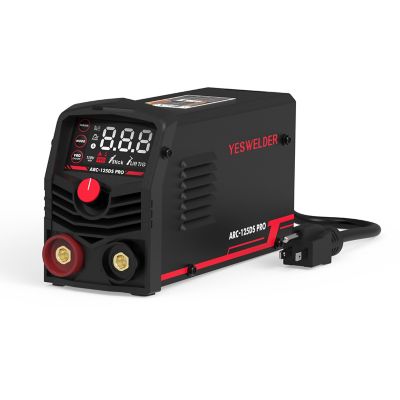
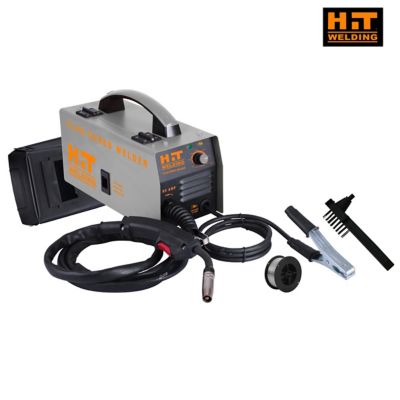
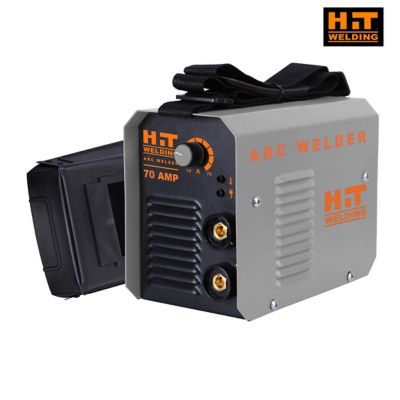
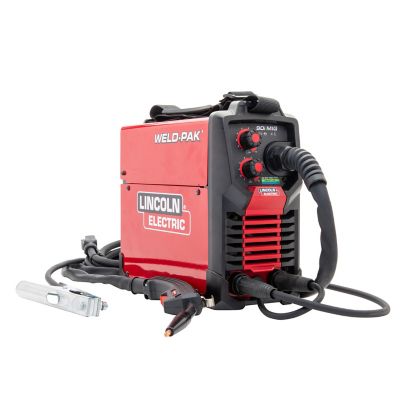
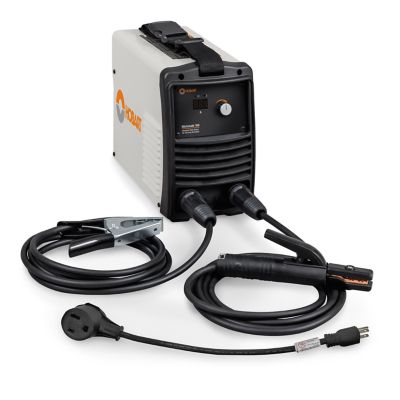
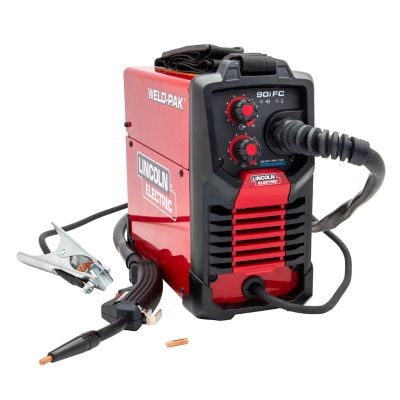
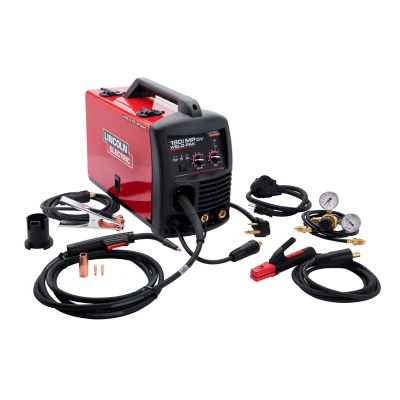
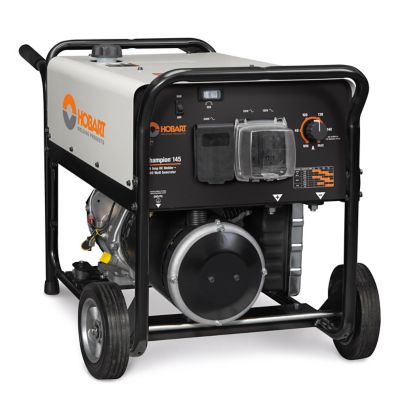
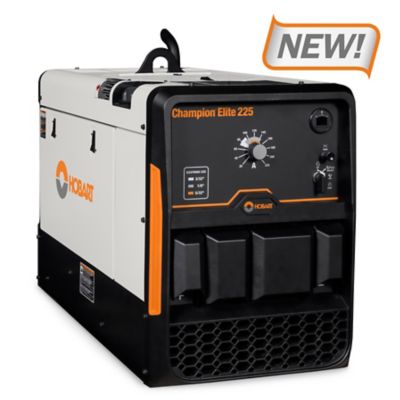
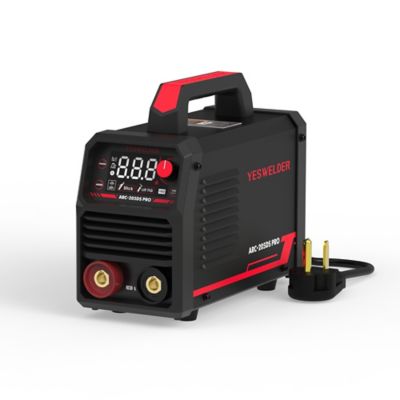
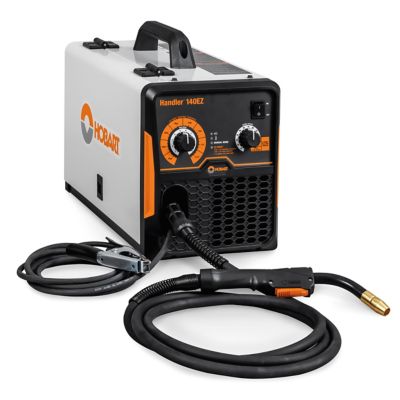
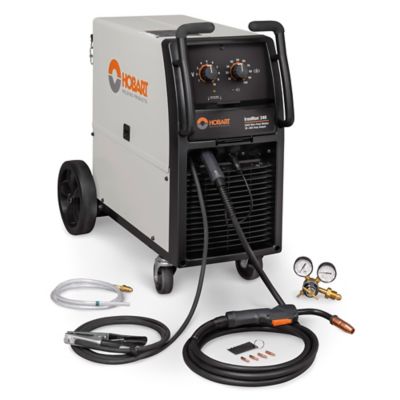
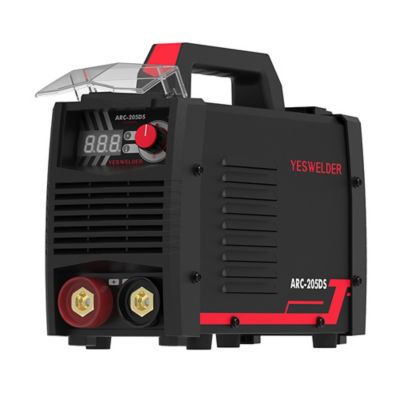
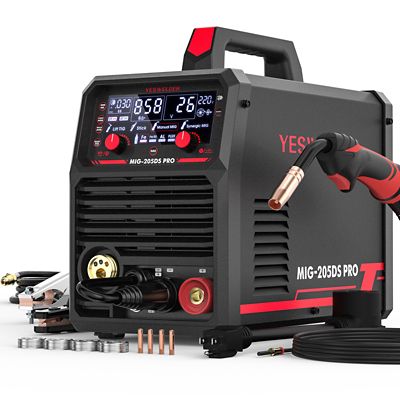
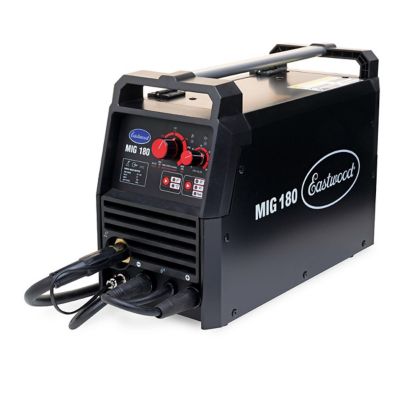
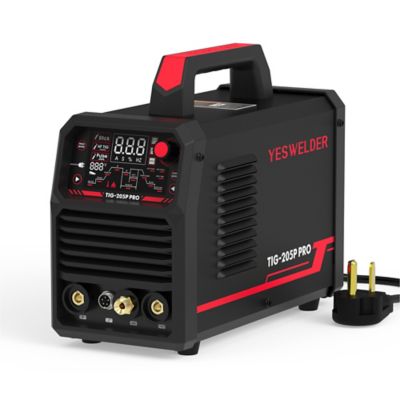
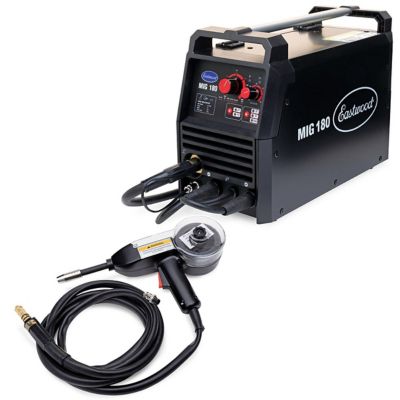
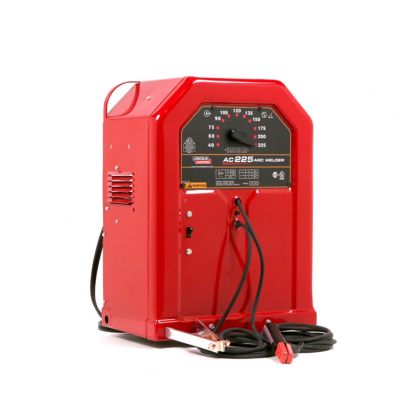
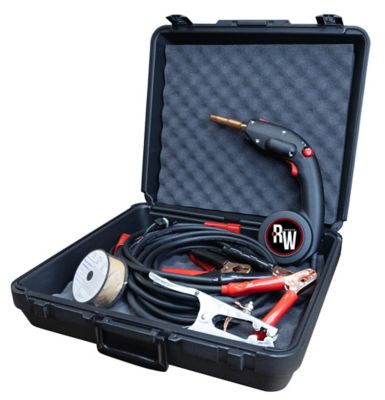
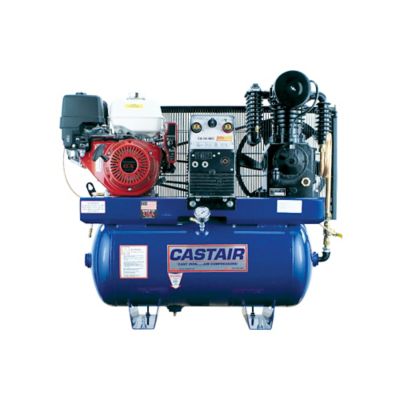
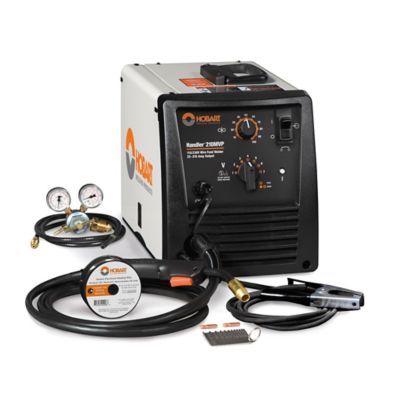
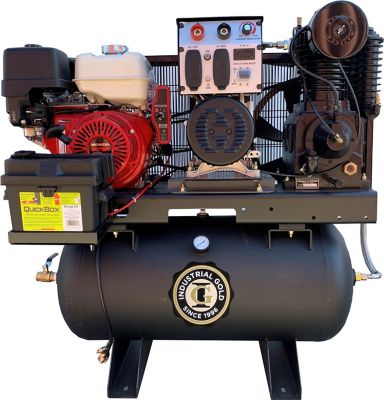
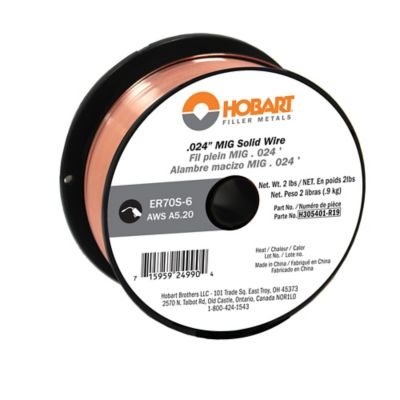
Electric welders bring heat and electricity together to join metal for farm repairs, shop projects, equipment maintenance, trailer work and fabrication around the homestead. They can help mend a gate hinge, reinforce a bracket, repair a mower deck or build a frame for a workbench, provided the metal is prepared correctly and the operator follows safe welding practices. The right welder depends first on the material and thickness involved. Mild steel is a common choice for general farm and shop work, while stainless steel and aluminum may call for a different process, added experience or specialized equipment. Thin sheet metal needs a different approach than heavy plate, and a machine that handles occasional light repairs may not suit long welding runs on thick steel. Before choosing an electric welder, consider the type of work you expect to tackle, the thickness range listed by the manufacturer, the available power supply and the location where welding will take place. A compact setup may fit nicely in a small shop or service truck, while heavier work may call for a machine with a higher amperage range and a proper 240-volt connection. If you are comparing options, the broader selection of
Welding Systems can help you look at machines and supporting equipment together rather than treating the welder as a stand-alone purchase.
Electric welding generally falls into three common processes: MIG, TIG and Stick. MIG welding feeds a wire electrode through a gun and is often chosen for general fabrication, repairs and projects that call for a steady bead with a relatively straightforward learning curve. It may be a practical fit for clean mild steel and some other metals, though the proper wire, shielding gas and settings matter. TIG welding gives the operator more control over the arc and filler material, making it well suited to neat work on thinner metals, stainless steel and aluminum when the machine and accessories support those materials. TIG takes patience and a steady hand, especially when controlling the torch, filler rod and foot pedal or fingertip controls. Stick welding uses a coated electrode and is valued for outdoor work, heavier steel and situations where wind could disturb shielding gas. It can handle less-than-perfect conditions, but it produces slag that must be chipped away between passes and may take practice to start and maintain the arc. When choosing among these processes, think about the workbench or jobsite, how clean the metal will be, whether portability matters and how often you expect to weld. Someone repairing pasture gates and equipment outdoors may lean toward Stick, while a person building shop fixtures from prepared steel may prefer MIG. A careful fabricator working with thin tubing or stainless pieces may appreciate TIG control. A welder can make a thoughtful gift for a new property owner, farm apprentice, mechanic or hands-on craftsperson, especially when paired with protective clothing, a properly rated helmet, gloves, clamps, wire or electrodes and a sturdy work surface.
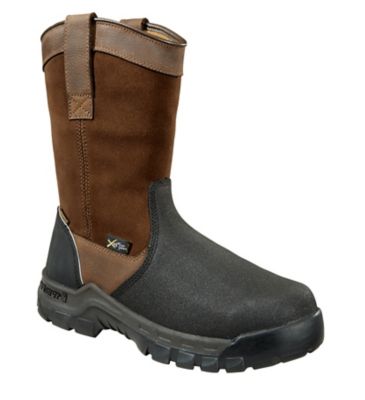
Safe setup makes just as much difference as the machine itself. Weld in a dry, well-ventilated area away from hay, bedding, fuel, sawdust, cardboard and other materials that can catch fire from sparks or hot metal. Keep a fire extinguisher close by, clear the floor of trip hazards and allow freshly welded pieces plenty of time to cool before moving them. A welding helmet with the proper shade protects your eyes and face from the bright arc, while leather gloves, a long-sleeved nonflammable jacket, sturdy boots and hearing protection help guard against heat, sparks and noise. Never weld on a tank, drum or container that may have held flammable material unless it has been professionally cleaned and cleared for hot work. Good preparation includes removing paint, rust, oil and scale from the joint, fitting the pieces tightly, securing them with clamps and making sure the work clamp has a clean connection. Read the machine instructions before plugging in, confirm the outlet and extension cord ratings, and match the wire or electrode to the metal and welding process. Pay attention to duty cycle as well: this rating indicates how long a machine can weld within a set period before it needs to cool. For occasional repairs, a lower duty cycle may be sufficient; repeated long passes call for more capacity and cooling time. During the cooler months, an enclosed shop can make welding more comfortable, but ventilation remains essential, and doors or fans should be arranged so fumes move away from the breathing zone without blowing shielding gas off the weld. With the right match between material, thickness, process and power supply, electric welders can support steady work on the farm, in the garage or around the shop for seasons to come.