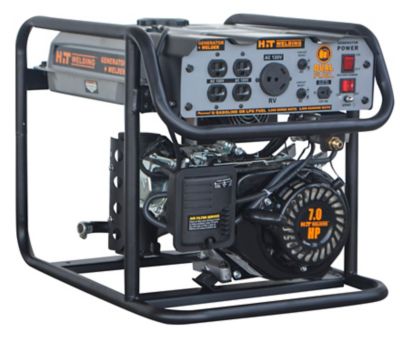
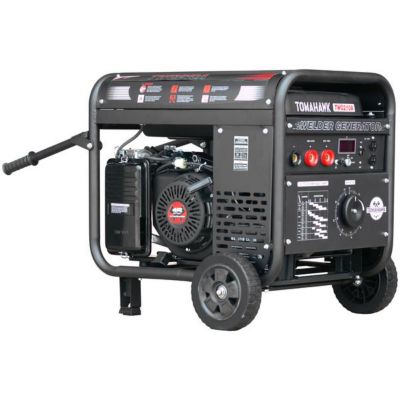
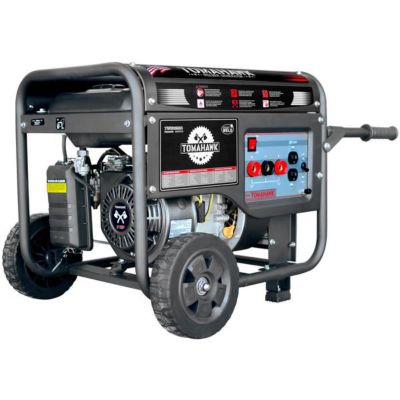
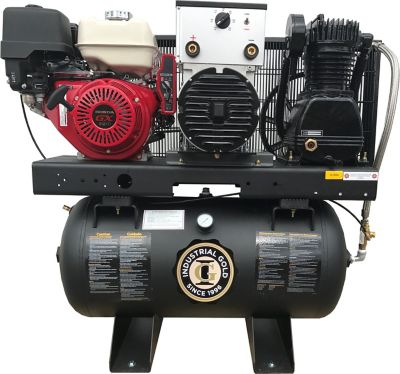
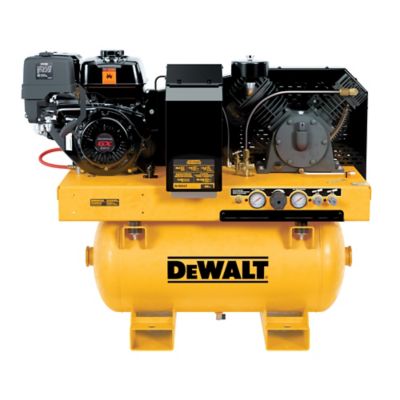
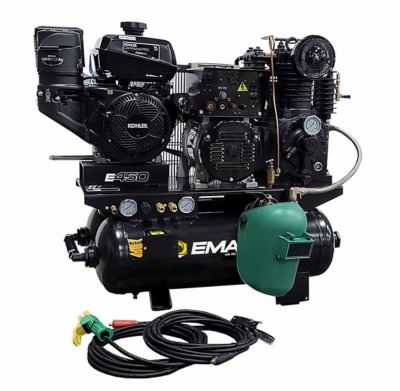
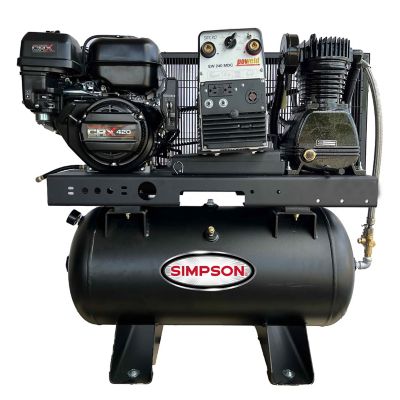
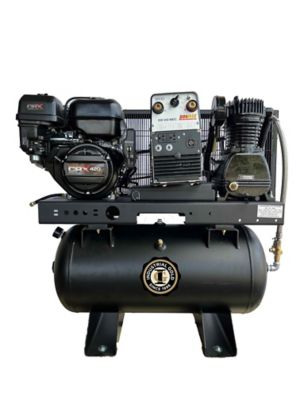
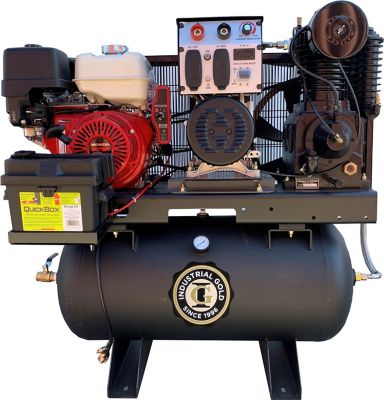
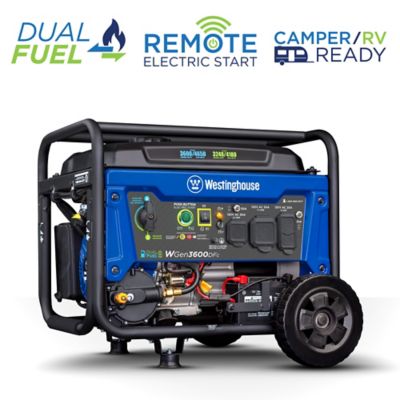
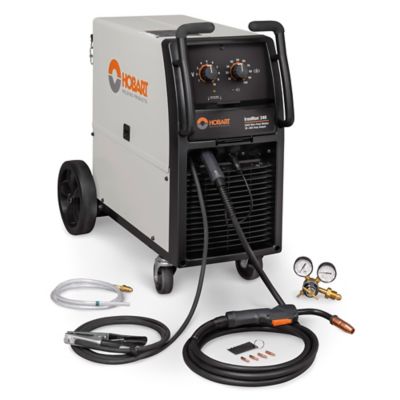
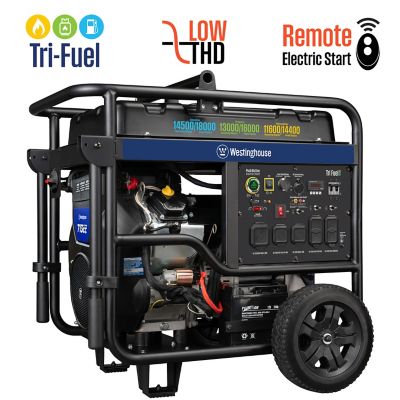
Welding generators bring dependable welding power to places where an extension cord cannot reach. Built around an internal-combustion engine, these units convert mechanical energy into electrical power for welding and can also provide auxiliary electricity for jobsite tools, lights, chargers and other equipment. That makes them a practical choice for farmers, ranchers, contractors, maintenance crews, fabricators and handy homeowners who handle repairs away from a powered shop. Out by a pasture gate, beside a stock trailer or at a construction site with no finished electrical service, a welding generator can help turn an inconvenient repair into a manageable job. Depending on the setup, a unit may support stick, TIG, MIG or flux-cored welding, giving users flexibility for everything from patching a cracked bracket to repairing heavy equipment and reinforcing a steel frame. Many people keep one in a service truck or trailer so they have welding capability and portable power in the same machine. Others use a smaller, easier-to-move unit around the farm, acreage or home workshop. For anyone who takes pride in keeping equipment working instead of waiting on a shop, a welding generator can be a useful addition to the tool lineup and a thoughtful gift for a mechanically minded family member, working neighbor or beginning fabricator.
When comparing welding generators, start by looking at both welding output and auxiliary power. Welding amperage helps determine the materials and electrode sizes a unit can handle, while auxiliary wattage shows how much power remains available for grinders, drills, saws, lights, battery chargers or other equipment. A machine with strong welding output but limited auxiliary capacity may be well suited to repair work but less useful when several tools need to run at the same time. Pay attention to the supported welding processes, output range and duty cycle, which describes how long the unit can weld at a given output before it needs to cool. Longer duty cycles can be helpful for repeated passes, structural repairs and larger projects, while lighter work around the homestead may not require the same sustained capacity. Fuel type is another practical consideration. Gasoline models are familiar and often easy to refuel, diesel units may fit well with other diesel-powered equipment on a farm or work fleet, and propane can offer a convenient option where that fuel is already stored and used. Think about fuel availability, storage, operating cost, engine maintenance and how far the unit will travel from the barn, garage or service truck. Electric start can make getting to work easier, especially when the machine is parked on cold ground or loaded in a trailer, while recoil backup may provide added peace of mind. Portability matters, too: check the overall weight, lifting points, wheels, handles and trailer compatibility before choosing a unit that will need to move across gravel, mud or uneven ground.
The work environment should guide the rest of the selection. Construction crews and mobile repair professionals often value rugged frames, protected controls, long run times and enough auxiliary power to support several tasks around a remote site. Farmers and ranchers may use welding generators to repair gates, feeders, trailers, implements and equipment in the field, where a permanent power source is nowhere close. Home users and hobby welders may prefer a compact unit that stores neatly and can be pulled out for occasional projects without taking over the whole shop. Inverter-based designs can provide cleaner, steadier power and may be a good fit when the generator will also run sensitive electronic equipment, though every device should be checked for compatibility and proper operating limits. If work takes place at high elevations, in dusty lots or during the cooler months, review the manufacturer’s operating guidance so the engine and electrical system are suited to those conditions. Keep ventilation in mind whenever an engine-powered unit is running, and operate it outdoors or in an area designed to safely manage exhaust. Use the correct cables, leads, grounding equipment, protective clothing, gloves, helmet and eye protection for the welding process, and give hot metal plenty of time to cool before handling it. It is also useful to keep consumables, spare fuel or approved fuel containers, extension cords and basic engine-service supplies organized with the machine. For projects that call for a dedicated arc-welding setup, shoppers can also compare
Arc Welders alongside welding generators. With the right balance of welding capacity, auxiliary power, fuel choice, portability and rugged construction, a welding generator can earn its keep year after year, helping keep work moving through changing weather and wherever repairs need to happen.