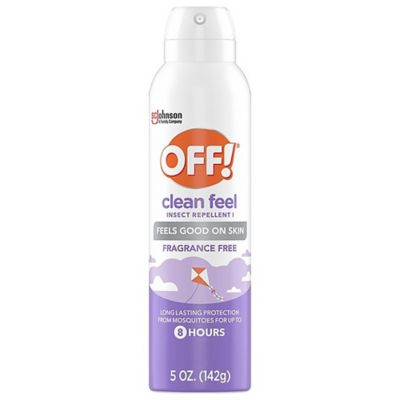
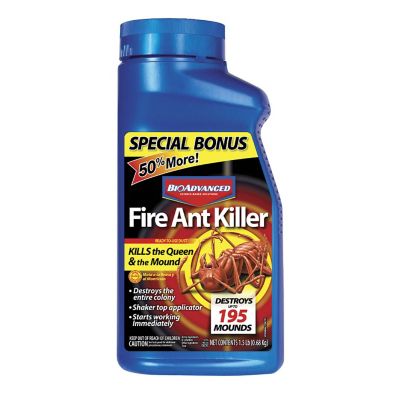
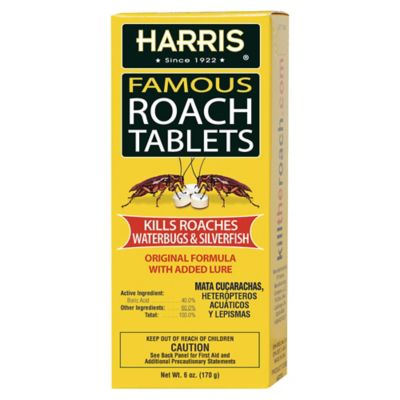
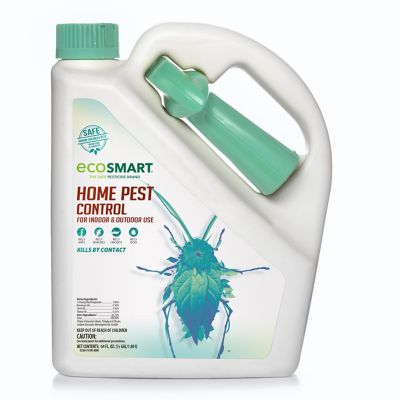
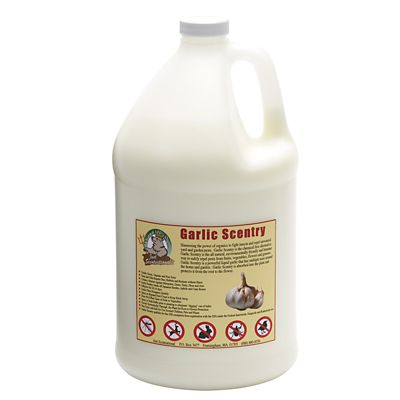
Ant repellents help discourage ants from entering or crossing treated areas, while other ant-control products kill ants on contact or deliver bait back toward the colony. That distinction matters when a line of ants shows up beside the kitchen sink, along a mudroom threshold, or near a feed-storage area. A repellent treatment may interrupt activity in one spot without reaching the nest, and a contact spray may kill visible workers without eliminating the colony behind them. Ant baits work differently: foraging ants feed on an attractive formulation and, depending on the bait and species, share it with other colony members. Choosing between these approaches starts with the intended treatment area and the kind of ant activity present. A few scouts near a doorway call for different considerations than steady trails emerging from a wall opening or several nests across a yard. Ants follow scent trails and search for food, water, and shelter, so crumbs beneath a cabinet, a dripping pipe, or spilled feed can keep drawing them toward the same place. Repellents work best as part of a broader approach that also addresses those attractants and accessible entry points. Product labels identify target pests and permitted application sites, making them more useful than broad claims about keeping bugs away. Some treatments cover several crawling insects, while others focus on particular ants or locations. Species can matter, too: carpenter ants, small household ants, and stinging ants do not necessarily respond to the same treatment or require the same approach. Persistent activity, ants associated with damaged wood, or stinging colonies near busy paths can call for professional pest identification. For everyday shopping, the most useful distinction is whether a treatment is meant to discourage entry, provide direct knockdown, or support colony control. Those purposes may overlap on a label, but they are not interchangeable.
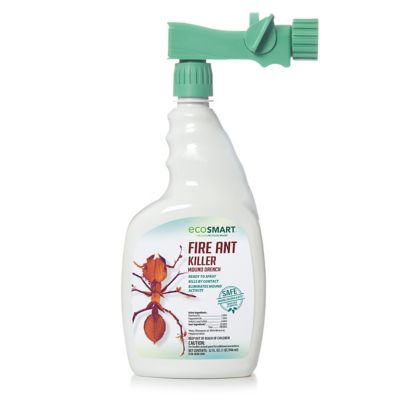
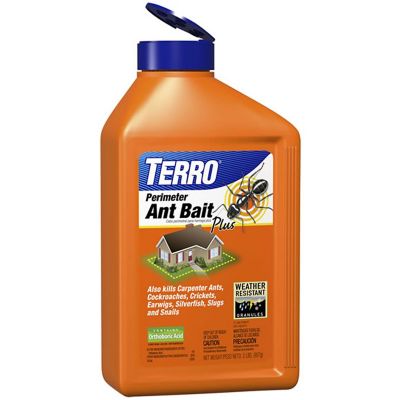
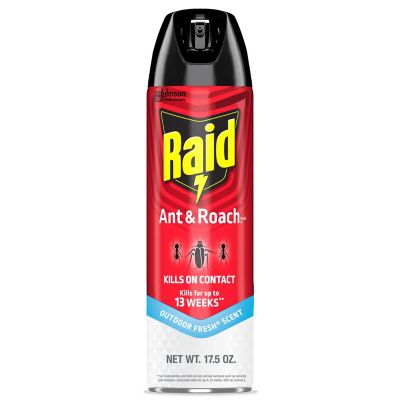
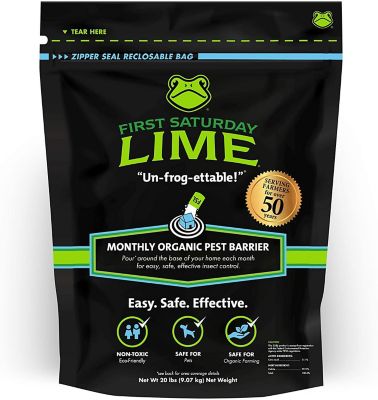
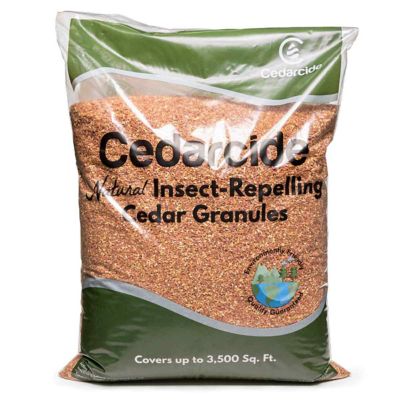
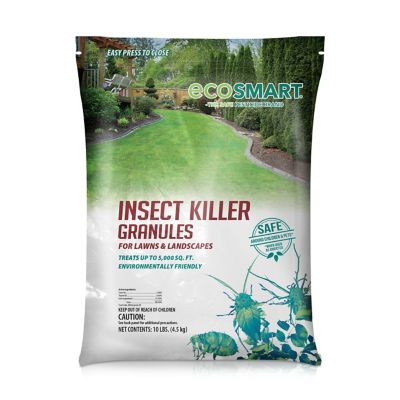
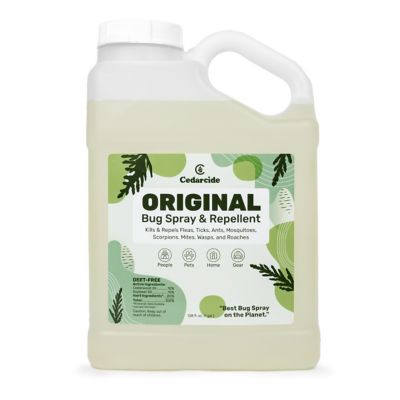
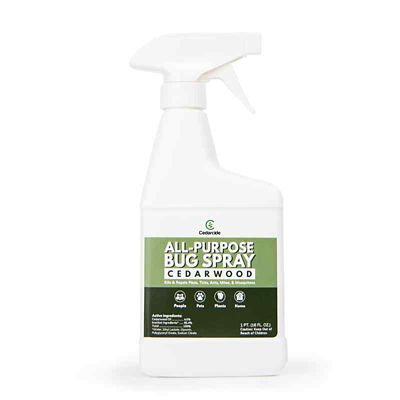
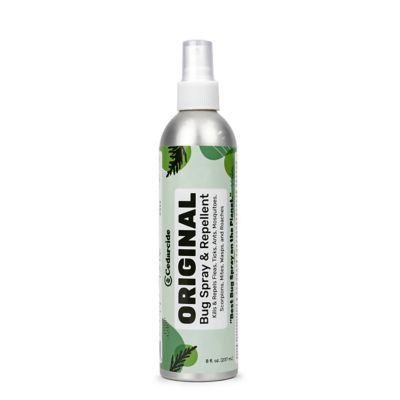
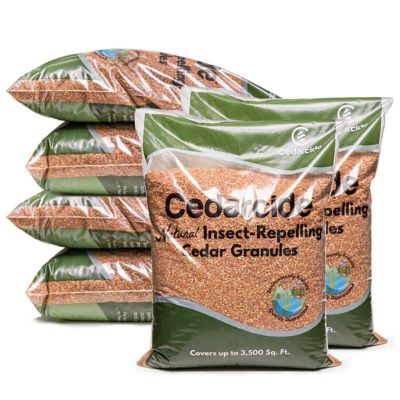
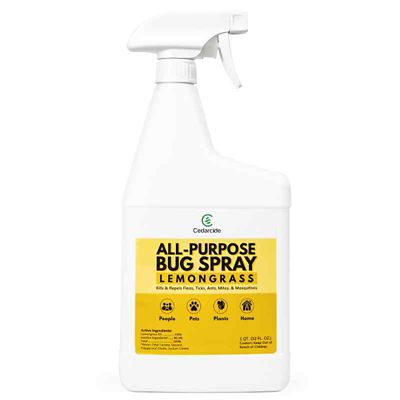
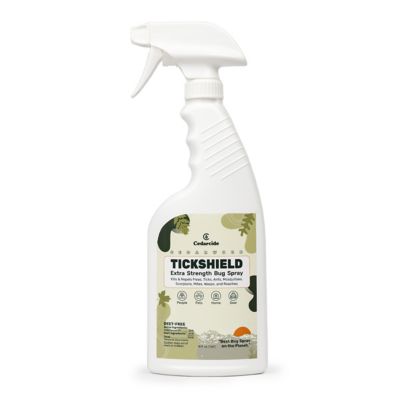
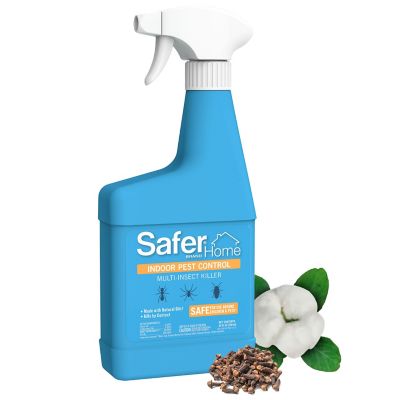
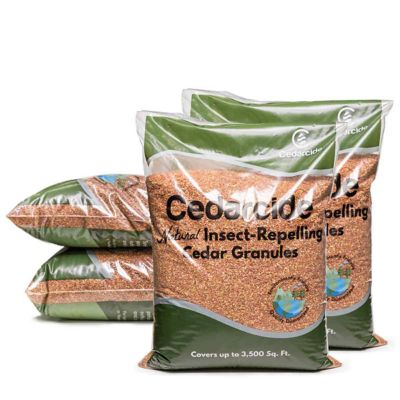
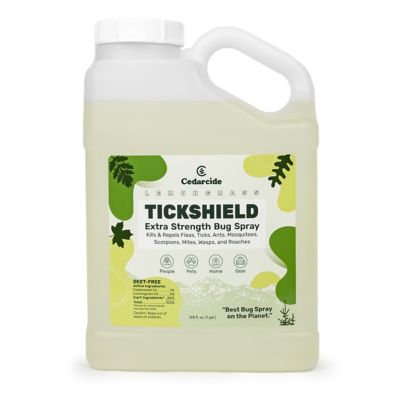
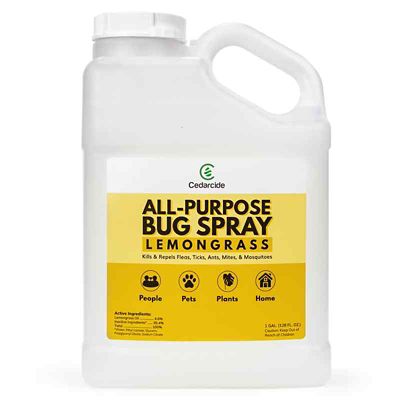
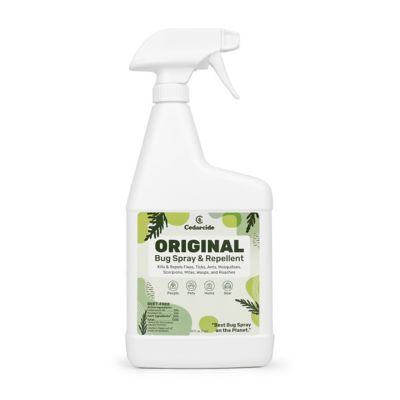
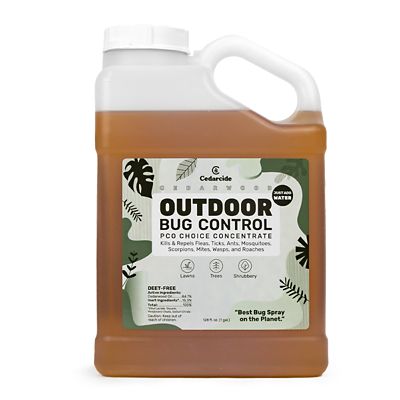
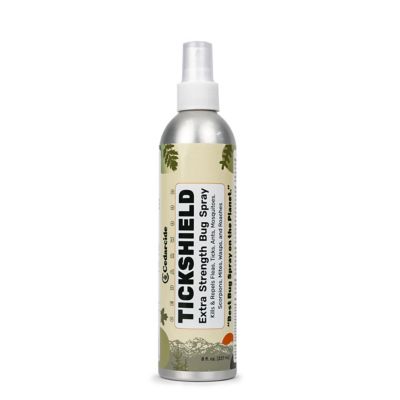
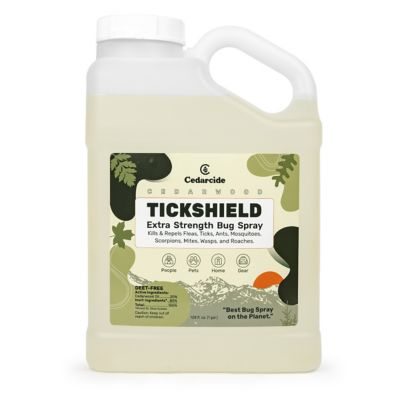
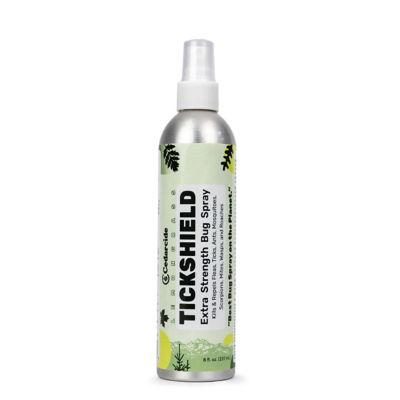
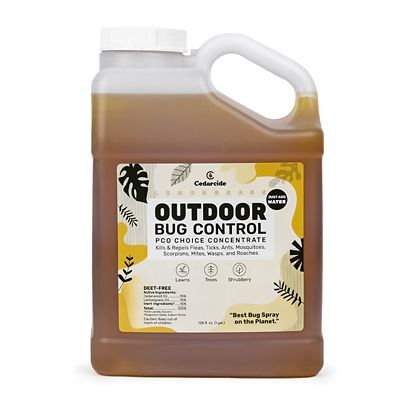
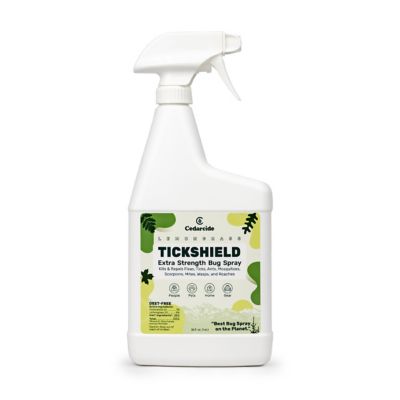
Ant repellents come in several application formats, with liquids, ready-to-apply sprays, concentrates, and dry treatments suited to different labeled settings. A narrow spray pattern can help with permitted crack-and-crevice applications, while a perimeter treatment may suit labeled areas around a building’s exterior. Granular formulations have their own placement and application requirements and should not be treated as a substitute for an indoor spray. The right format depends less on the size of the container than on where the treatment needs to go, how much area the label allows it to cover, and what equipment application requires. A small opening behind a utility cabinet presents a different job from an exterior foundation beside a gravel walkway. Indoors, label directions may distinguish between spot treatment, cracks and crevices, and broader surface application. Around a farm or homestead, a product labeled for residential spaces is not automatically appropriate for livestock housing, poultry areas, feed rooms, gardens, or animal bedding. Food-contact surfaces and places where feed is prepared or stored deserve especially close attention to application restrictions. Packaging matters as well: a well-fitting closure, clear measuring marks, and an applicator that suits the treatment area can make handling and storage more manageable. Refillable equipment needs care according to its directions, and concentrates require the labeled dilution rather than a stronger mix. Ingredient preferences are another consideration, but plant-derived ingredients do not automatically mean a formula is harmless to people, pets, beneficial insects, or surrounding surfaces. A noticeable scent is not proof of stronger ant control, either. Where children or animals spend time, placement restrictions, access to treated areas, and any reentry directions matter more than reassuring wording on the front of the package. Storage requirements, cleanup directions, and disposal instructions also belong in the buying decision, particularly for households keeping pest-control supplies alongside tools and other property-care essentials.
For ongoing ant activity, bait stations and other labeled ant baits offer an alternative to treatments intended mainly to repel or kill on contact. Many baits act slowly enough for foraging workers to carry or share the active ingredient before they die, helping the treatment reach beyond the ants in plain sight. Results depend on the ant species, bait acceptance, placement, and label directions; an enclosed station does not guarantee that ants will enter it. Ant feeding preferences can vary, so a bait that attracts one trail may draw little interest from another. Enclosed housings help contain the formulation, but they still require placement that prevents access by children, pets, and livestock. Low-profile designs can fit some permitted spaces beneath or beside fixtures, while other formats suit different labeled locations. Repellent sprays near bait placements can interfere with feeding or redirect ants away from the bait, which is why combining treatments takes more thought than simply applying both in the same spot. A practical ant-control setup also accounts for everyday routines: pet bowls on the back porch, a grain scoop beside an open bag, or sticky residue around a trash can can compete with bait and keep ants coming back. Tightly closed food and feed containers, prompt spill cleanup, repaired leaks, and sealed entry gaps help reduce those invitations without adding another pesticide application. For households dealing with more than one crawling pest,
Roach Repellents addresses a separate shopping need; a treatment labeled for ants is not automatically suitable for roaches. The best fit for an ant problem is a treatment whose stated purpose, application site, and handling requirements match the property and the people caring for it. Whether the concern is a kitchen trail, a workshop doorway, or activity near an outbuilding, clear labeling and a suitable application format make it easier to choose an approach that fits the job.