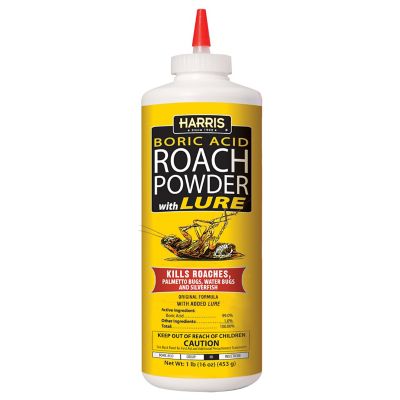
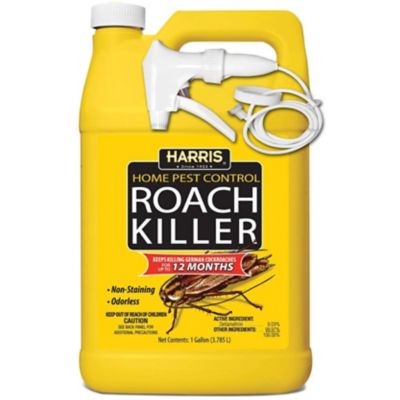
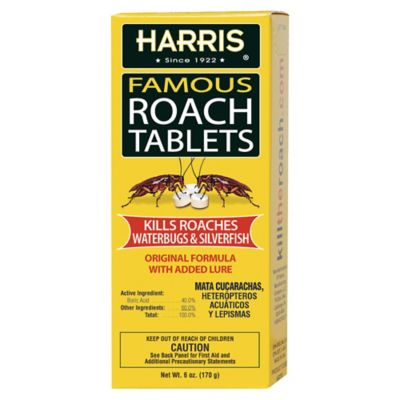
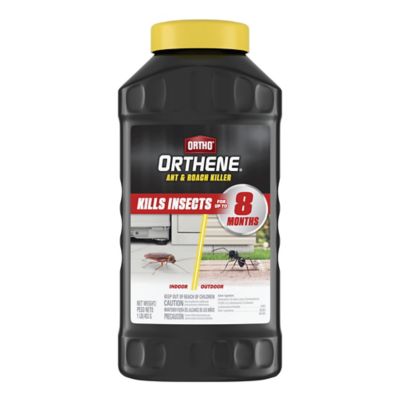
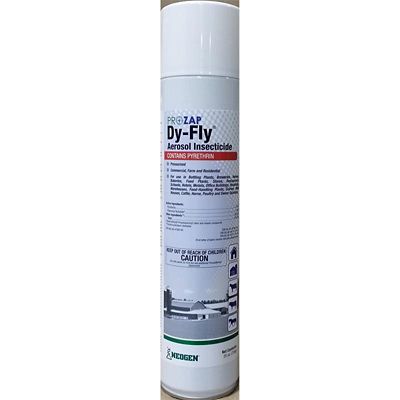
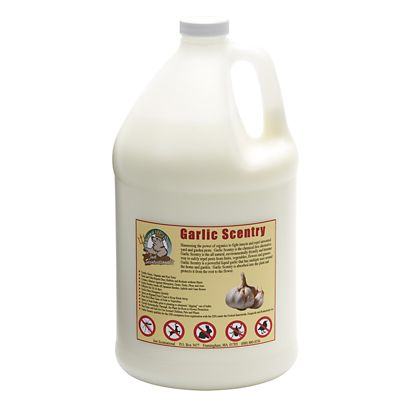
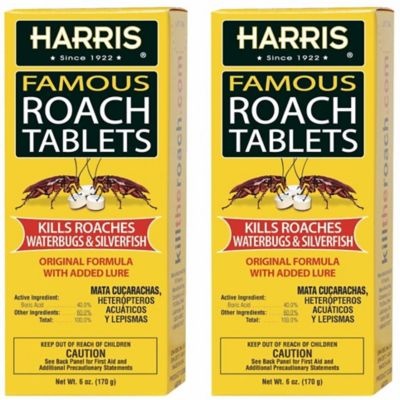
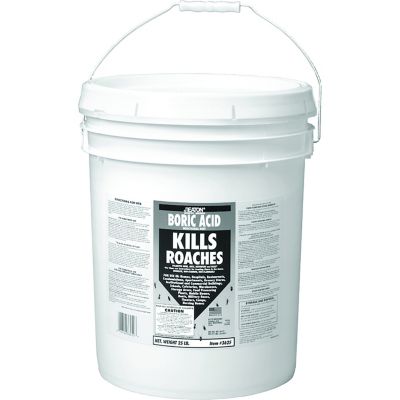
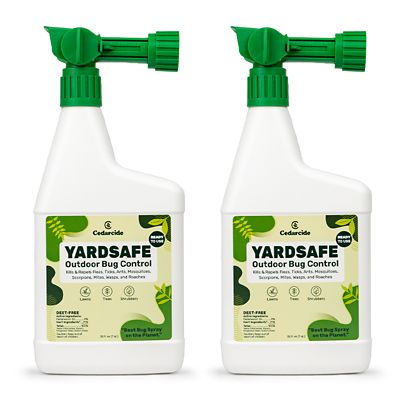
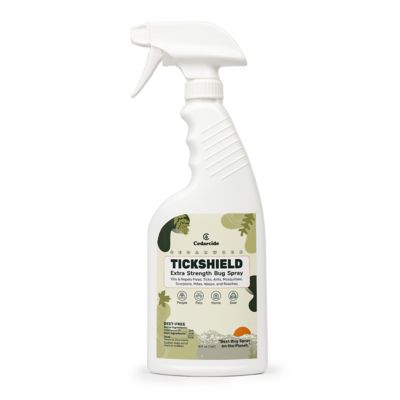
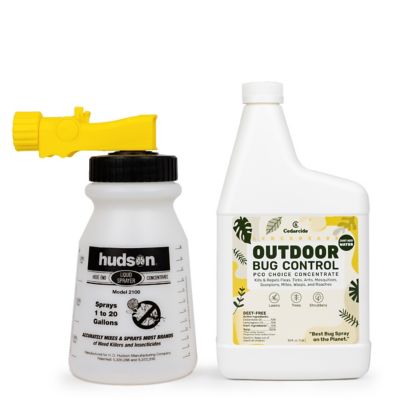
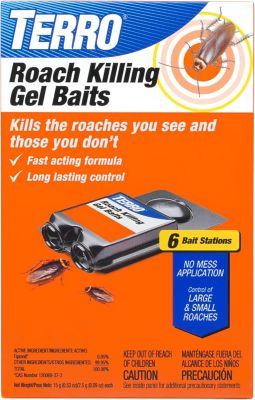
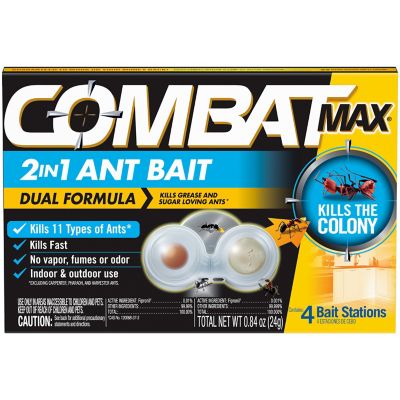
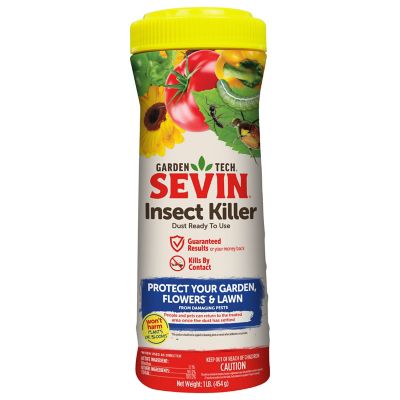
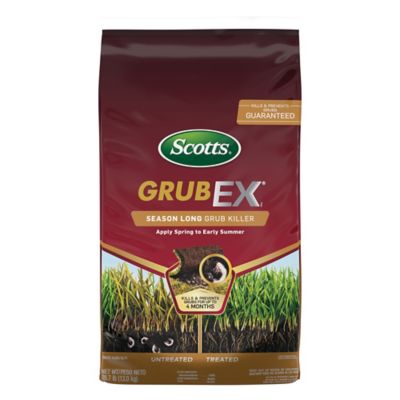
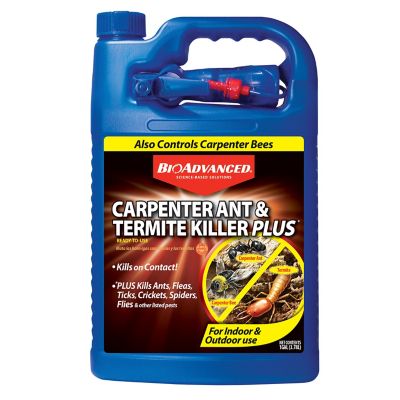
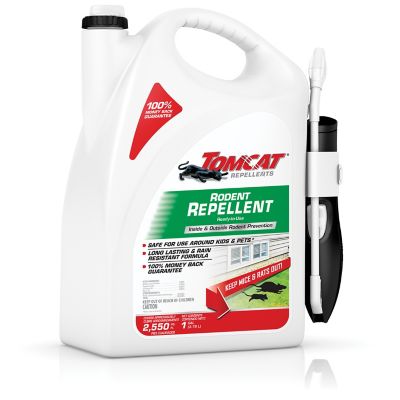
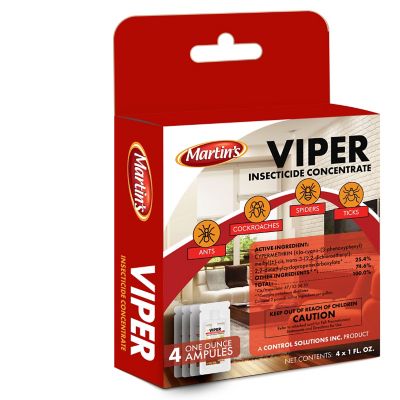
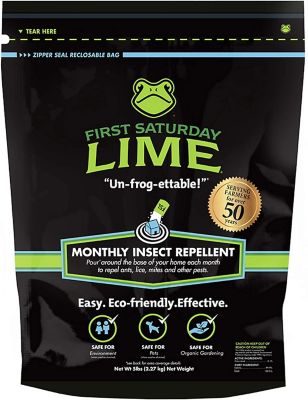
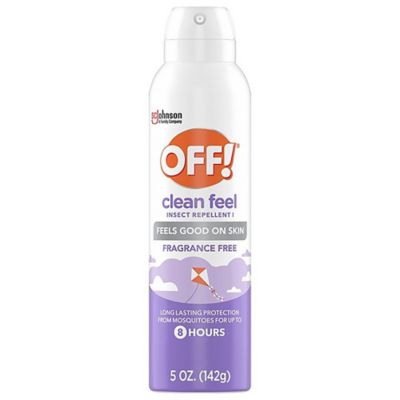
Roach repellents can help make kitchens, bathrooms, garages, barns, utility rooms and other tucked-away spaces less inviting to crawling pests. Roaches usually look for three things: food, water and a quiet place to hide. A warm appliance motor, damp cabinet beneath a sink or stack of feed bags can provide all three, especially as weather shifts between warmer days and cooler nights. Repellent products are designed to discourage activity around certain areas, create a treated barrier or help protect spaces where roaches may enter and travel. Depending on the product, you may find ready-to-use sprays, concentrates, scent-based formulas, powders for cracks and crevices, traps or other deterrent options. When comparing products, think about where you plan to use them, how large the area is, whether the surface is indoors or outdoors, and how often the treatment needs to be refreshed. A spray may be handy for baseboards, door thresholds and gaps around utility lines, while a powder may be better suited to a dry void behind an appliance or along a seldom-disturbed edge. Some formulas are made for broad perimeter use, and others are intended only for spot treatment. Read the label before purchase and again before use so you know the approved locations, application rate, drying time and precautions. Products that work around a detached garage, chicken coop or storage shed may not be appropriate for a food-preparation area, animal pen or living space, so match the product to the job rather than treating every area the same way. For homes with cats, dogs, poultry, livestock or young children, pay close attention to active ingredients and directions for keeping people and animals away during application and until treated surfaces are dry. Good storage is part of smart pest control, too: keep treatments in their original containers, out of reach and away from feed, seed, hay, food and water sources.
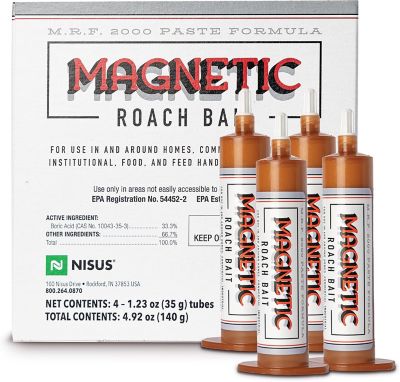
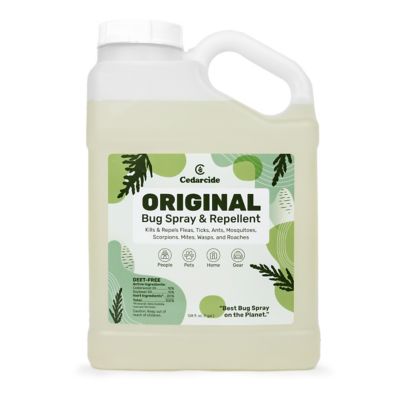
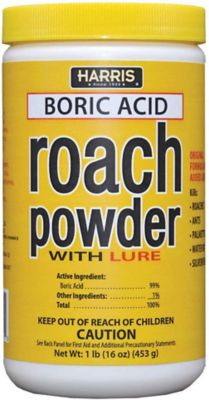
For best results, use a roach repellent as one part of a simple home-and-property routine. Start by looking for the conditions that bring roaches close. Wipe up grease and crumbs, sweep beneath cabinets and appliances, empty indoor trash regularly and store dry goods in tightly sealed containers. A dripping faucet, damp dishcloth or pet water bowl left beside a wall can provide enough moisture to keep pests coming back, so repair leaks, dry sinks and tubs when practical, and check the area around water heaters, washing machines and floor drains. In a farmhouse, shop or outbuilding, pay special attention to spilled animal feed, cardboard, clutter and piles of lumber where roaches can hide during the day. Seal small openings around pipes, windows, doors and baseboards with an appropriate caulk or weather-resistant material, and replace worn door sweeps where outdoor insects can slip inside. Apply repellents only to clean, dry surfaces and avoid spraying over food, dishes, bedding, animal feed or areas where pets regularly lie. Scent-based options may use ingredients such as peppermint, citrus or other fragrances that roaches tend to avoid, but these should be treated as deterrents rather than a guaranteed solution for an established population. Physical powders, including products made with abrasive mineral materials, can work by damaging or drying out insects that cross them; they need to stay dry and should be applied only as directed, since airborne dust can irritate the lungs and eyes. Never mix pest-control products with bleach, ammonia, vinegar or other cleaners unless the label specifically permits it. If you are seeing roaches during daylight, finding droppings that look like pepper flakes, or noticing activity in more than one room, a repellent alone may not be enough. In that situation, consider combining a suitable deterrent with labeled bait or another control product, while removing food and moisture sources. Place any bait where children and animals cannot reach it, and avoid spraying repellent directly around bait stations if the odor or residue could keep roaches from approaching. For additional options that can be used alongside prevention and exclusion, browse
Roach Control Products.
Choosing roach repellents often comes down to the people, animals and spaces you are trying to protect. Renters may want a low-mess option for a kitchen, pantry or apartment entryway, while homeowners may be looking for a longer-lasting perimeter treatment around doors, windows, crawl-space openings and the foundation. Folks with a workshop, tack room, hunting cabin or farm outbuilding may prefer a product that covers a wider boundary and stands up to regular foot traffic, dust and changing conditions. For a move into a new home, a housewarming basket or a practical care package for someone setting up a first apartment, pest-prevention supplies can be a useful addition alongside weather stripping, storage containers and basic cleaning tools, though any pesticide should be given with its label and safety directions intact. During the warmer part of the year, doors may stay open longer and insects may find more routes indoors; during cooler months, roaches and other pests may move toward heated buildings, plumbing spaces and sheltered storage areas. Checking treatment points after heavy rain, deep cleaning, remodeling or a change in building use can help you decide whether an application needs attention. Keep an eye out for fresh droppings, egg cases, shed skins, musty odors or repeated sightings, and follow the product’s reapplication schedule instead of spraying more often than recommended. If activity continues despite sanitation, sealing and properly used products, contact a licensed pest professional, particularly in homes with infants, older adults, respiratory sensitivities or animals that could be exposed. A steady approach—cutting off crumbs and moisture, closing entry points, choosing the right formula for each space and using it exactly as directed—can help keep the corners behind the refrigerator, the cabinet beneath the sink and the dim edges of the garage cleaner, drier and less welcoming to roaches.