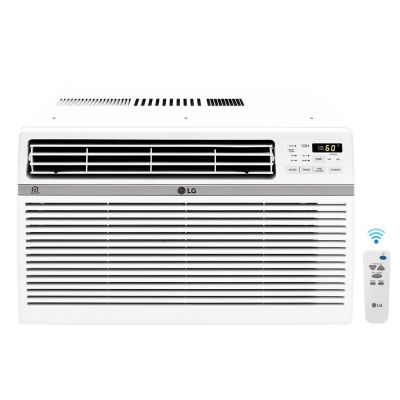
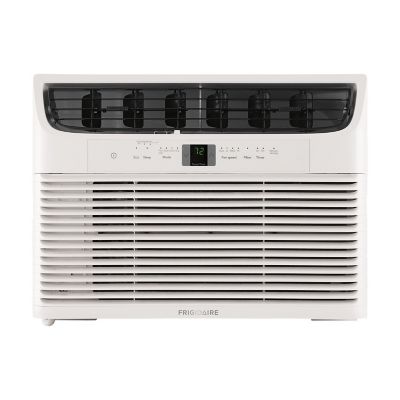
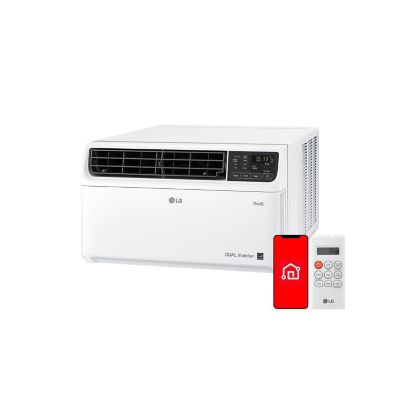
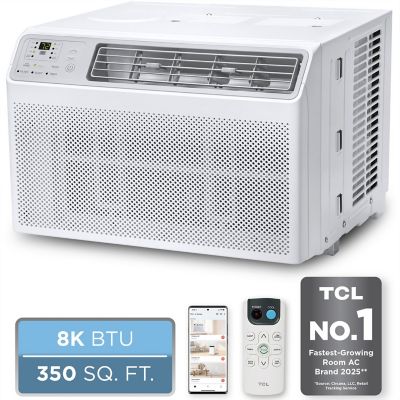
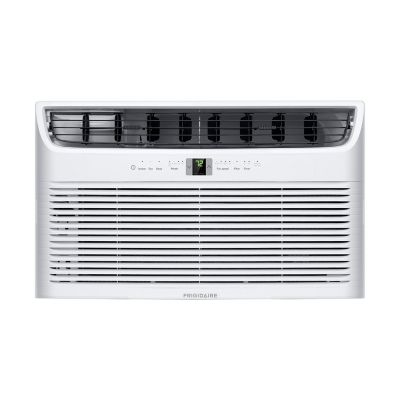
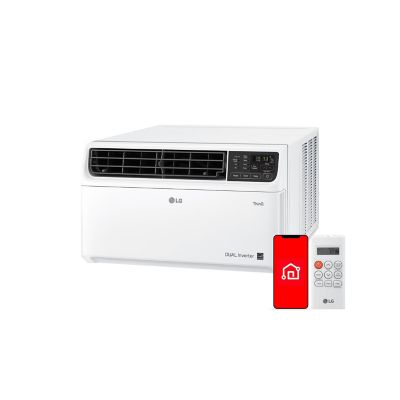
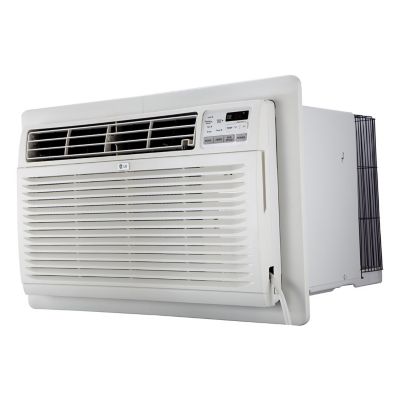
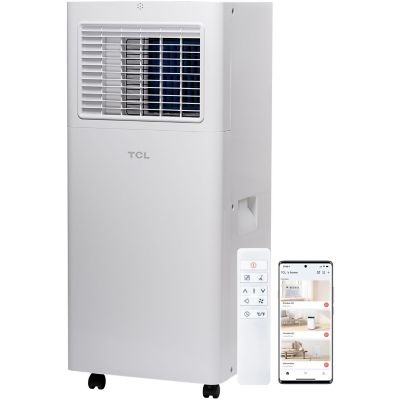
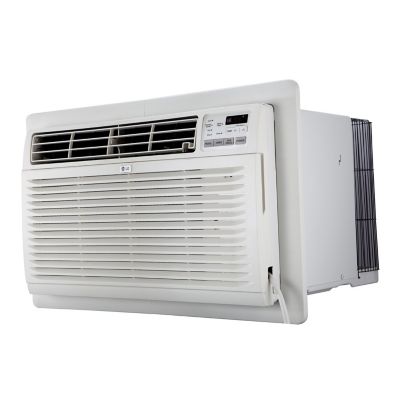
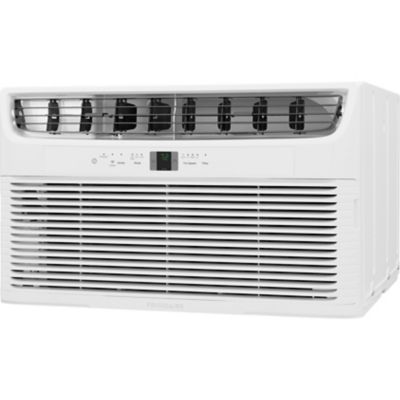
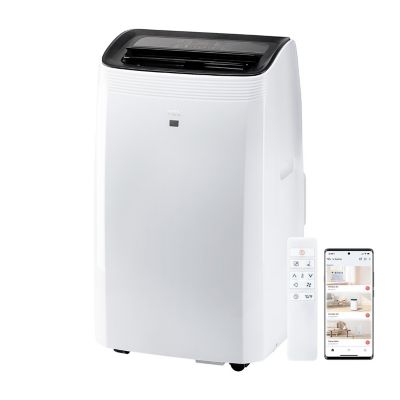
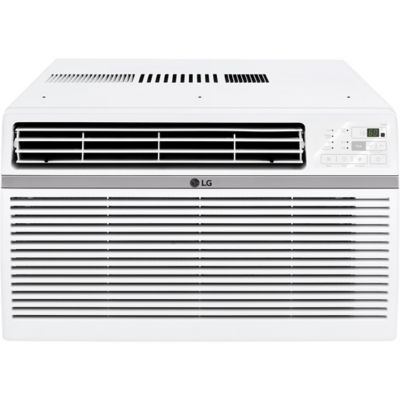
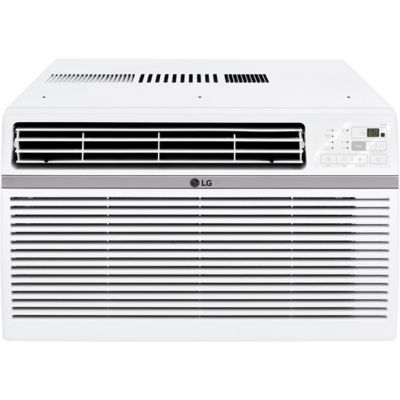
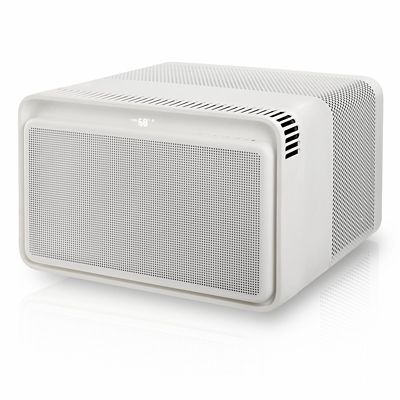
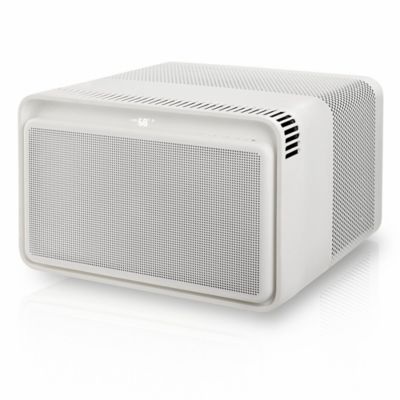
Air conditioners with timers let you set a cooling unit to turn on or shut off after a selected interval, helping room comfort line up with the day’s routine. An automatic shutoff can keep a bedroom unit from running longer than needed after bedtime, while a delayed start can begin cooling a home office before the afternoon paperwork starts. That can mean less unnecessary runtime, though actual energy savings depend on the temperature setting, weather, room conditions, and equipment efficiency. Built-in timers differ from one air conditioner to another: some offer an on timer or an off timer, while others support both functions or more detailed scheduling. A 24-hour timer generally lets you choose a delay within a 24-hour period; it does not necessarily repeat the same schedule every day. Recurring daily or weekly schedules are separate features worth checking in the controls description. A thermostat serves a different purpose, cycling cooling to maintain the selected temperature while the unit is operating. Sleep mode may gradually adjust temperature or fan settings overnight rather than simply shutting the unit down. Those distinctions matter in everyday use, whether the room is a farmhouse bedroom that catches late sunshine, a small office beside the mudroom, or a guest room that only needs cooling before company settles in. Clear displays, straightforward buttons, and a remote control can make timer adjustments easier without getting up from a desk or reaching across a windowsill. Connected controls may offer additional scheduling options, but those functions depend on the equipment and, in some cases, a working home network. For a room that stays warm even during the cooler months, timed cooling can still have a place, especially when sun through broad windows or heat from everyday appliances makes the space stuffy. The most useful timer is one that matches how the room actually gets lived in, without making a simple evening adjustment feel like another chore.
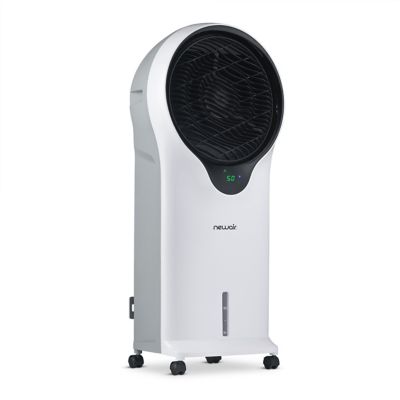
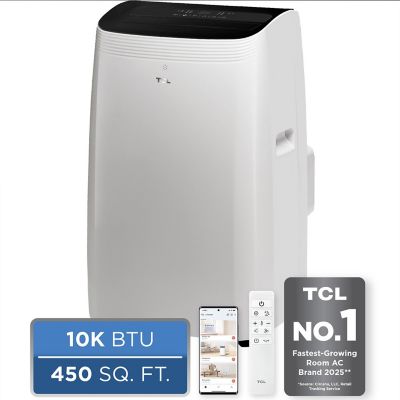
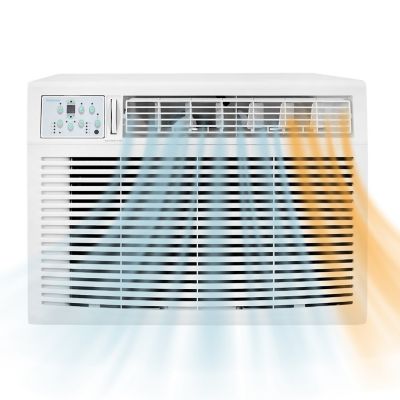
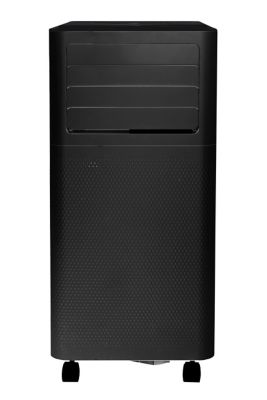
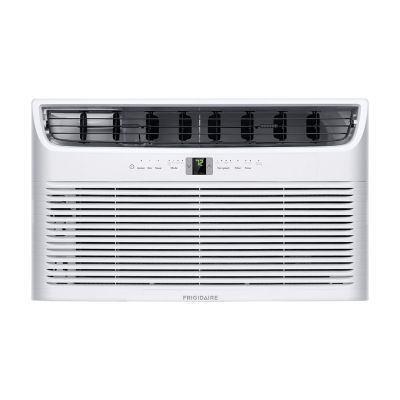
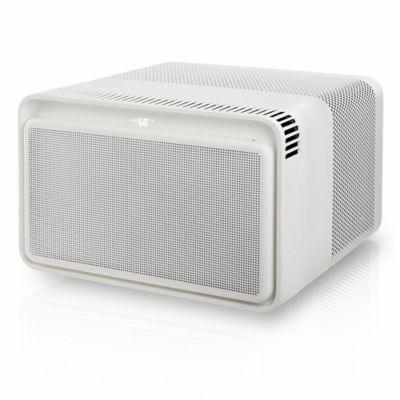
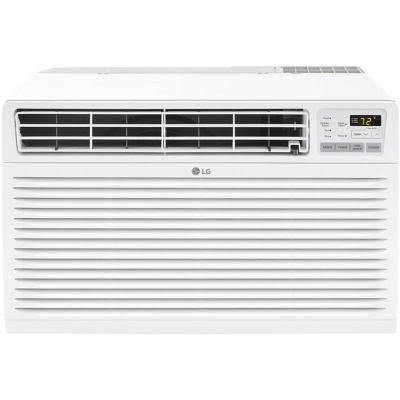
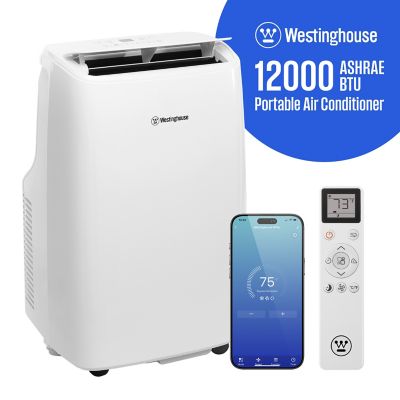
Window and portable air conditioners with timers suit different spaces, and a good fit starts with more than the room’s floor area. Cooling capacity is expressed in British thermal units per hour, commonly shortened to BTU, and the recommended coverage should be considered alongside ceiling height, insulation, sun exposure, and the number of people in the room. A west-facing upstairs bedroom may hold heat well after the rest of the house has cooled down. An open doorway into a hallway can also add to the space a room air conditioner has to handle. Too little capacity can leave the equipment running for long stretches without reaching the setting; too much can cool the room quickly without removing enough moisture. Window units need a compatible window opening, proper support, and the clearances specified by the manufacturer. Window style matters, since equipment intended for a double-hung window may not fit a sliding or casement window. Portable air conditioners sit indoors but still need to exhaust heat outside through an approved hose and window connection. Their floor footprint, hose reach, drainage needs, and access to an appropriate outlet all affect placement. Wheels can help with moving a unit across a level floor, although thresholds, stairs, and thick rugs may make relocation harder. For portable equipment, the seasonally adjusted cooling capacity, often labeled SACC, provides a useful comparison because it accounts for factors that affect cooling in the room. Browsing
Climate Control Air Conditioners can put timer features in context alongside these broader differences in installation and cooling performance. Sound levels deserve attention, too, particularly beside a bed, near a television, or where phone calls are part of the workday. Adjustable louvers and fan speeds help direct airflow where it feels comfortable rather than straight at a pillow or a stack of papers. A timer adds convenience, but it cannot make up for an undersized unit, a poor window seal, or a layout that blocks the air from circulating.
Everyday upkeep and solid installation help a timed air conditioner keep doing its job season after season. Cabinets commonly combine metal and molded plastic components, while filters, coils, seals, and exhaust connections all play a part in how well the equipment operates. A sturdy housing is useful, but protection from moisture damage, bent coil fins, and unnecessary strain on cords or hoses matters just as much for service life. In a country home, dust from gravel roads, pet hair, and lint from nearby laundry can collect on an intake filter faster than expected. Filter access is worth considering for that reason: an easy-to-reach filter makes routine checks less of a hassle. Some filters are washable and others require replacement, so care should follow the manufacturer’s directions, with power disconnected before cleaning. Portable units may collect condensate or require drainage under certain conditions, particularly in humid weather, and a timer does not eliminate that maintenance. Window seals and installation panels help keep warm air outside, while clear indoor and outdoor airflow paths give the equipment room to work. Electrical requirements are another part of the fit, including voltage, outlet configuration, and any dedicated-circuit instructions. Room air conditioners generally need a direct connection to a suitable wall outlet rather than an extension cord or power strip. An ordinary plug-in timer or smart plug is not automatically suitable for an air conditioner’s electrical load, making a built-in timer a different proposition from an add-on accessory. For bedrooms, home offices, and enclosed hobby rooms, a sensible setup pairs the timer with a comfortable thermostat setting and enough lead time for the space to cool. Household room units are not a substitute for equipment rated for open, dusty, or damp agricultural buildings. They also should not be the sole safeguard for people or animals that need continuous temperature protection. When cooling season winds down, cleaning, drying, and storage or weather protection should follow the installation and care instructions. A little attention to those details keeps the convenience of scheduled cooling grounded in the practical needs of the room.