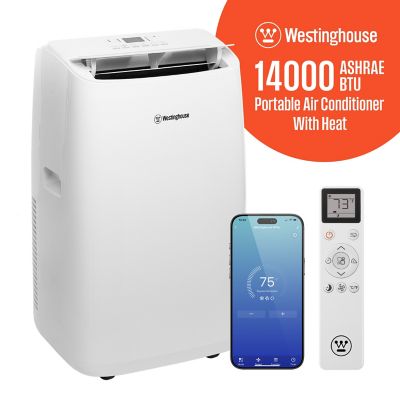
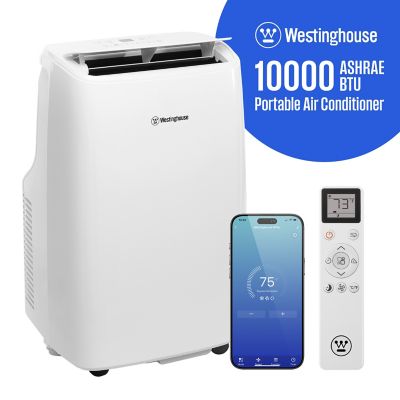
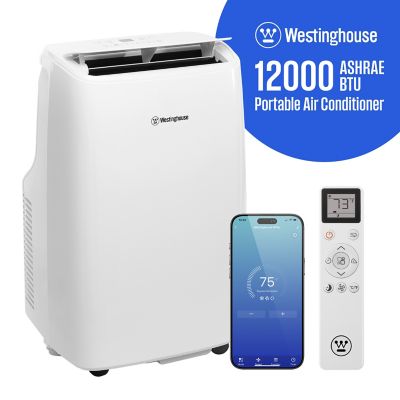
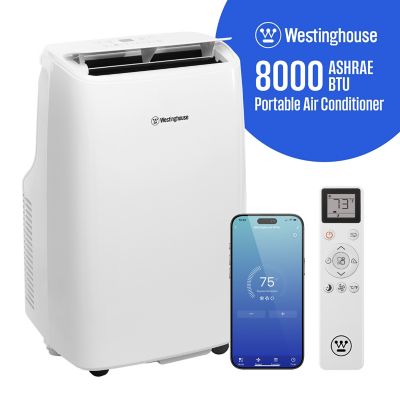
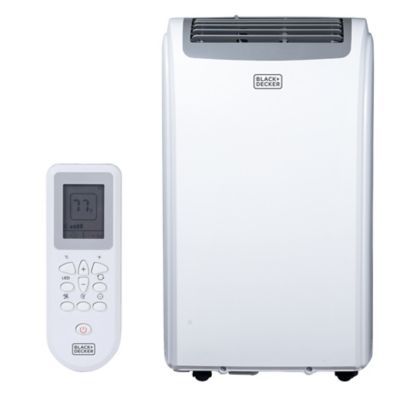
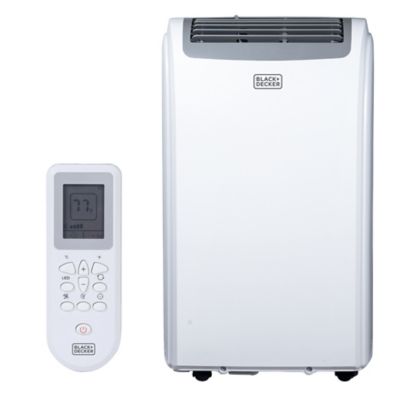
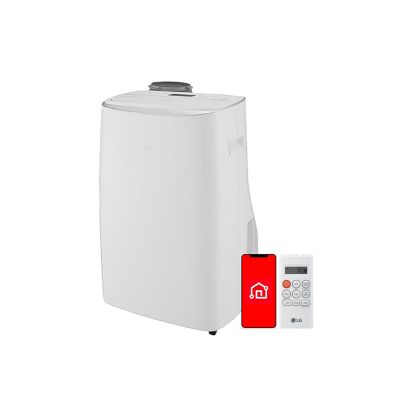
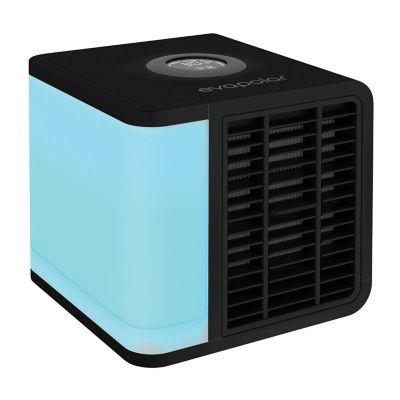
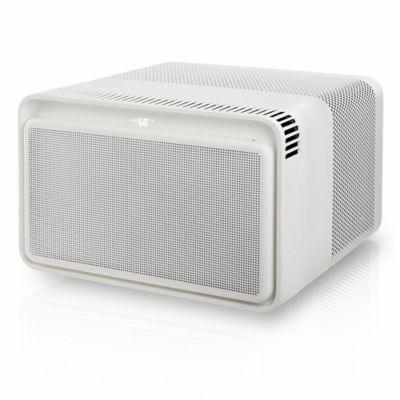
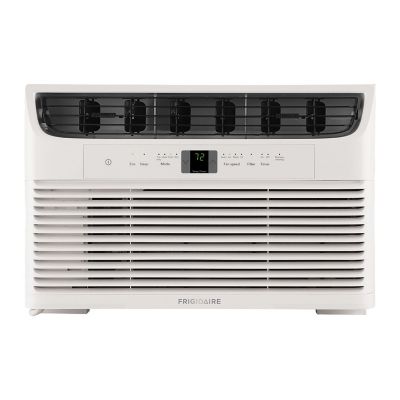
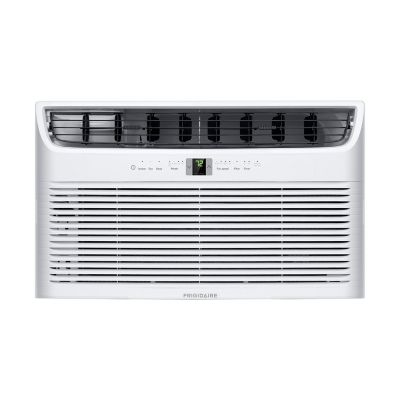
Climate control air conditioners help keep indoor spaces comfortable by removing heat and circulating cooled air, with thermostat controls that respond as the room temperature changes. During normal cooling, moisture can also condense on the cold indoor coil and drain away, which helps take the sticky feeling out of humid air. The term climate control does not mean every air conditioner provides heating, separate humidity control, or automatic switching between modes. Those functions depend on the equipment and its controls. For a farmhouse bedroom, a home office off the mudroom, or an enclosed workspace, the practical goal is steady comfort that suits the space and the people spending time there. A room that catches afternoon sun may stay warm long after the porch cools down, while a kitchen can need cooling when cooking and a houseful of company add heat. Thermostat-controlled operation responds to those changing conditions without someone constantly turning a dial. Some air conditioners cycle the compressor on and off to maintain a temperature setting; variable-speed models can adjust their output as the cooling demand changes. Fan settings, adjustable louvers, and temperature sensors also affect how evenly that comfort reaches across a room. Airflow matters when a desk sits around the corner from the window or a bed is directly in the path of the supply air. A gentle, well-directed stream often feels better than a cold blast aimed at one chair. Sound levels matter just as much in sleeping areas and rooms where conversation or phone calls are part of the day. Compressors and fans both contribute to operating noise, and a sound rating is most helpful when considered alongside the installation location. For households that need cooling in one main living area rather than throughout the house,
room cooling air conditioners offer a related category centered on comfort within individual spaces. The right fit depends on the room’s layout, heat load, and installation requirements, not simply how cold the air feels at the outlet.
Cooling capacity is commonly expressed in British thermal units per hour, or BTU/h, and it needs to match the demands of the space. Square footage is a starting point, but ceiling height, insulation, window exposure, occupancy, and heat-producing equipment all affect the load. An upstairs room beneath a sun-warmed roof has different needs from a shaded downstairs bedroom of the same size. An oversized fixed-speed air conditioner may cool the room quickly and shut off before removing much moisture, while an undersized unit may run for long stretches without reaching the thermostat setting. Capacity charts and manufacturer sizing information give those room details a useful frame of reference. Installation style brings another set of considerations. Window air conditioners need a compatible opening, proper support, and a secure seal around the cabinet. Through-the-wall units require an appropriate wall opening and a sleeve that matches the equipment’s requirements. Portable air conditioners still need a path outdoors for exhaust heat, along with space for their hoses and any required drainage. When comparing portable units, the same capacity rating method should be considered across models, since different rating methods can produce different numbers. Ductless systems place the cooling equipment in a more permanent arrangement and generally involve professional installation, electrical work, and refrigerant connections. Across these categories, fit includes more than cabinet width: nearby curtains, furniture, walkways, and outdoor obstructions can affect airflow or access. A grounded electrical supply with the specified voltage and circuit capacity is part of that fit, too. Air conditioners should connect according to their installation instructions rather than through an ordinary household extension cord or power strip. For an enclosed workshop, the intended operating environment deserves particular attention. Ordinary room air conditioners are not a substitute for ventilation or dust collection, and spaces with heavy airborne dust, flammable vapors, or other hazards call for equipment specifically suited to those conditions. That distinction matters on properties where a spare room, garage, and working shop may sit just a few steps apart.
Materials, construction, and routine care all play a part in how an air conditioner holds up through repeated cooling seasons. Depending on the design, equipment may combine a metal cabinet, molded panels, metal coils, thin heat-transfer fins, and removable filters. Outdoor sections need the mounting, clearances, and weather exposure specified by the manufacturer, while indoor sections need unobstructed airflow and access for cleaning. Those thin coil fins can bend if handled roughly, so moving or cleaning equipment takes more care than hauling a toolbox across the floor. In a home where boots track in field dust or pets shed near the return air, filters may need attention more often than in a lightly occupied room. Washable filters need cleaning and drying as directed; replaceable filters need the correct fit and replacement schedule. A clogged filter restricts airflow and can interfere with cooling performance. Condensate handling is another everyday detail that is easy to overlook until a damp spot appears. Drain pans, hoses, and outlets need the setup and upkeep specified for the unit, especially where gravity drainage or a collection tank is involved. Comfort controls can make daily operation easier, but their capabilities vary. Programmable schedules can align cooling with household routines, remote controls can save a trip across the room, and connected controls may allow temperature changes through a compatible app. A dry mode can help remove moisture under certain conditions, but it does not necessarily maintain a chosen humidity level independently of temperature. Likewise, heating is a separate feature, and equipment with a heat pump or another heating function has its own operating limits. As outdoor temperatures drop, minimum cooling and heating temperature ratings become important, particularly in rooms that still gain heat from sunshine or equipment during cooler weather. Energy-efficiency ratings, sleep settings, and clear temperature displays provide additional ways to compare how equipment fits daily life. For a quiet bedroom after chores, a family gathering space, or a properly enclosed work area, well-matched climate control means balancing cooling capacity, moisture removal, airflow, electrical needs, and care requirements with the way that space actually gets lived in.