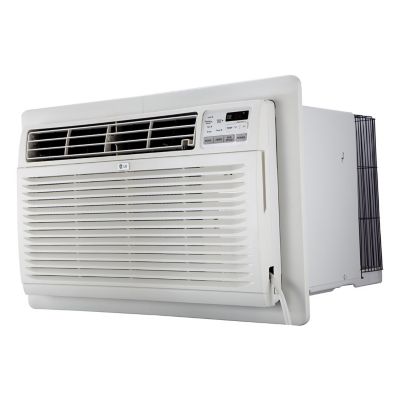
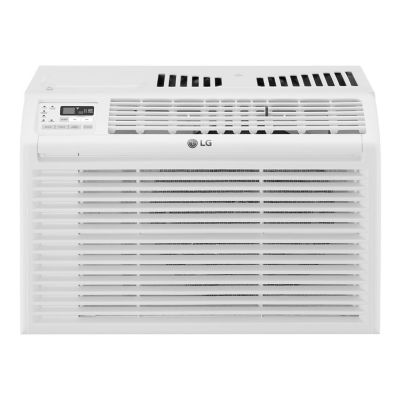
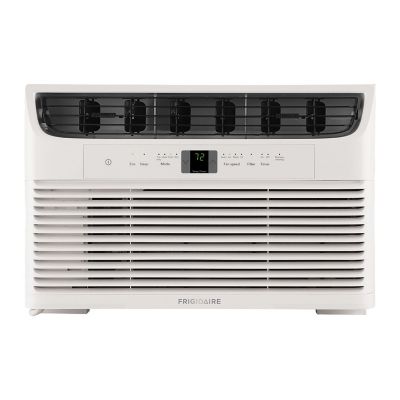
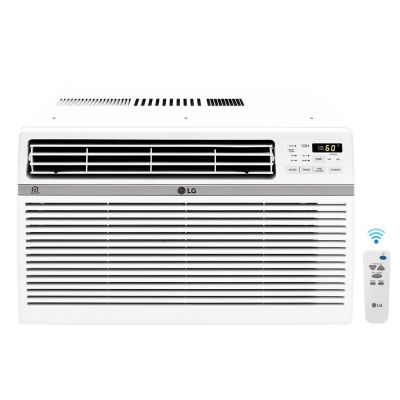
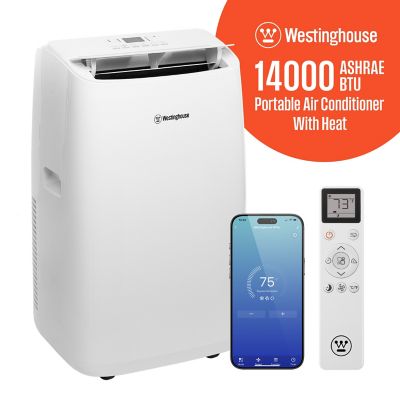
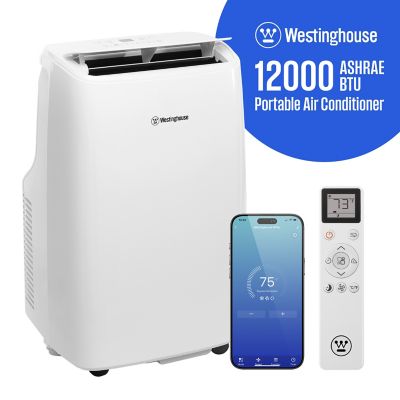
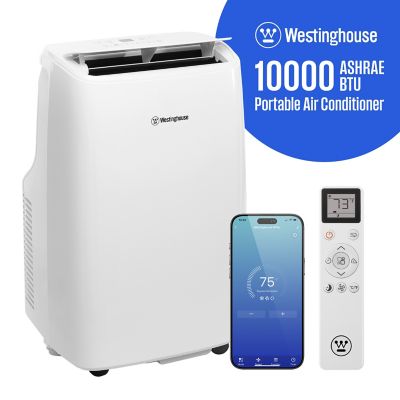
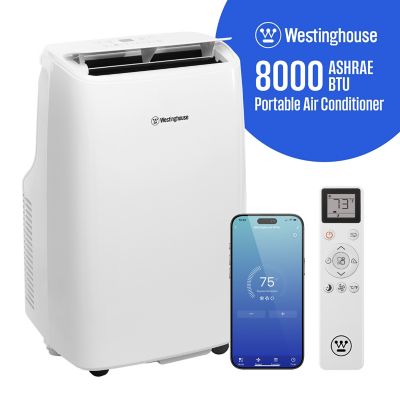
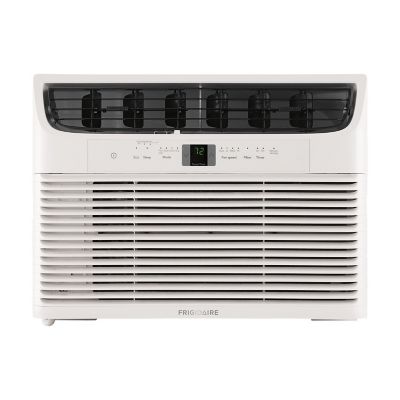
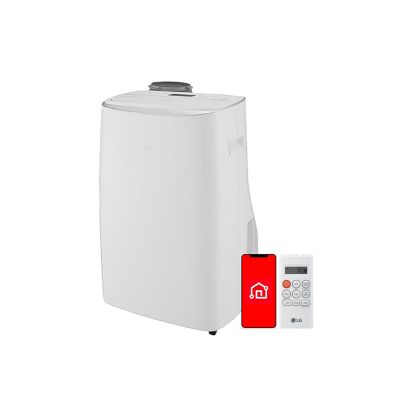
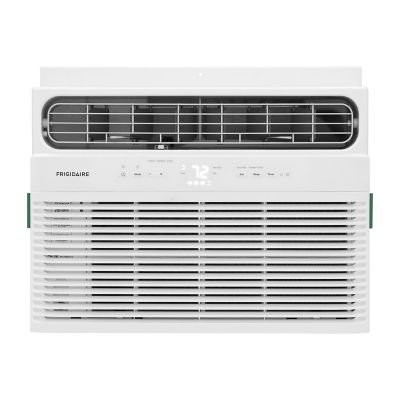
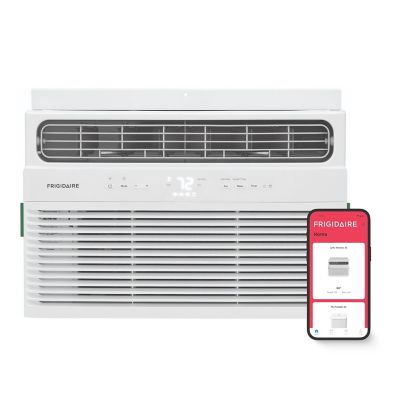
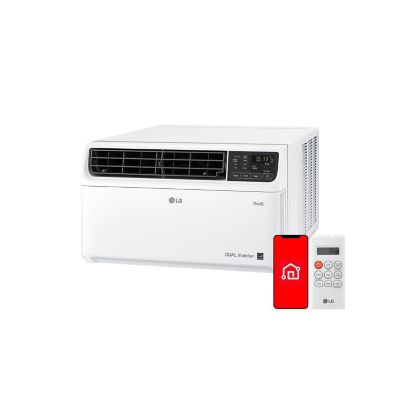
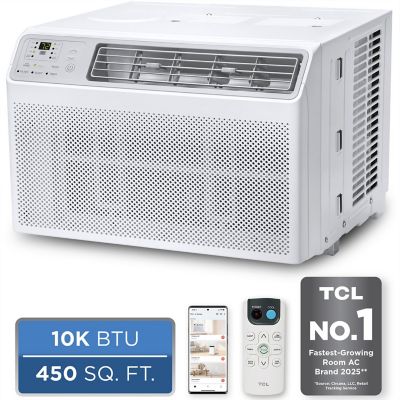
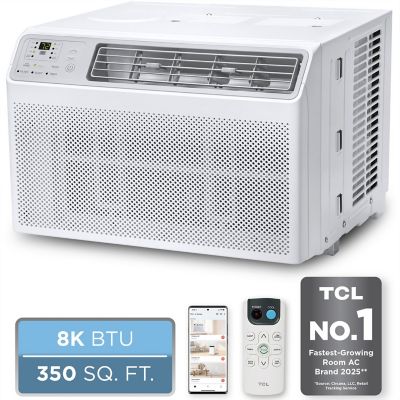
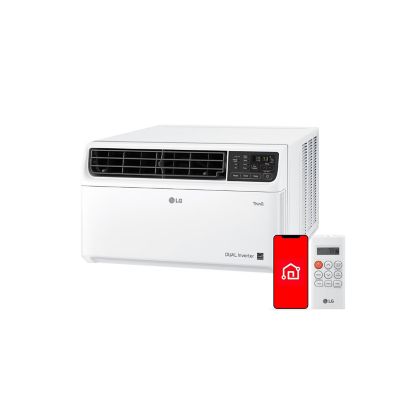
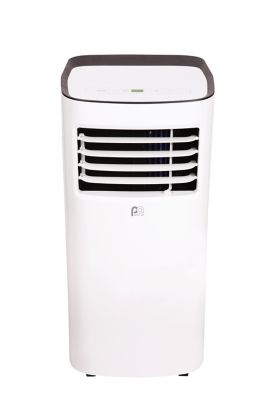
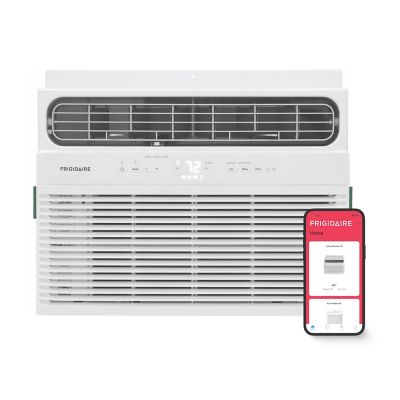
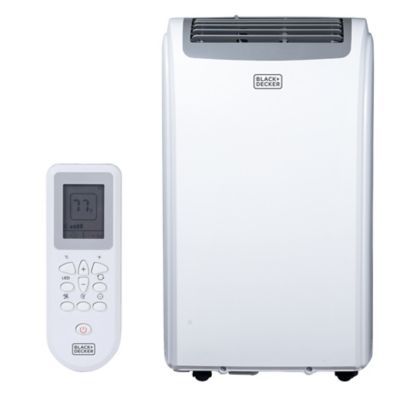
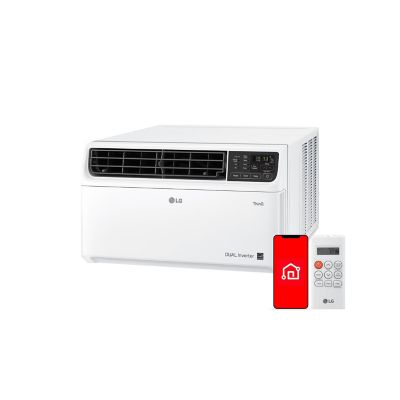
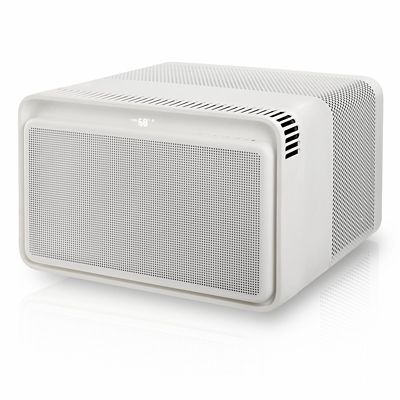
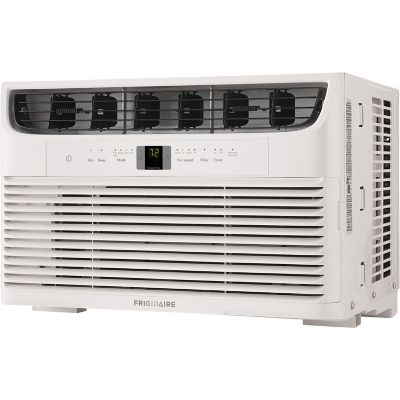
Remote controlled air conditioners make it easier to keep indoor spaces comfortable without getting up to adjust the temperature, fan speed, or operating mode. Most modern window air conditioners, portable air conditioners, and ductless mini-split systems include a handheld remote, while some also offer Wi-Fi or app-based controls for added convenience. A remote can be especially handy in a bedroom, home office, workshop, nursery, hunting cabin, or finished garage where the controls may be across the room or mounted up high. On a warm afternoon, you can lower the temperature from your chair; at bedtime, you can switch to a quieter sleep setting without leaving the covers. These units are also useful in homes with changing indoor conditions, such as a farmhouse with sunny rooms, a workshop that heats up during the day, or a spare room that only needs cooling when guests arrive. Many remotes let you adjust the target temperature, choose low, medium, or high fan speeds, and switch between cooling, fan-only, dry, and energy-saving modes. Dry or dehumidifying mode can help take some of the sticky feel out of the air, while fan-only operation may be all you need during a mild stretch. Timer settings are useful for cooling a room before bedtime or turning the unit off after everyone has settled in. Look for clearly marked buttons, an easy-to-read display, and a remote that feels comfortable in your hand. A backlit display can be helpful in a dark bedroom, and a simple layout is valuable for anyone who prefers straightforward controls. Keep in mind that remote functions vary by unit, so check the listed features to confirm whether the remote controls every setting or only basic temperature and fan adjustments.
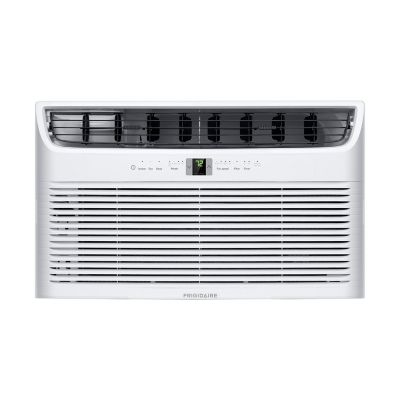
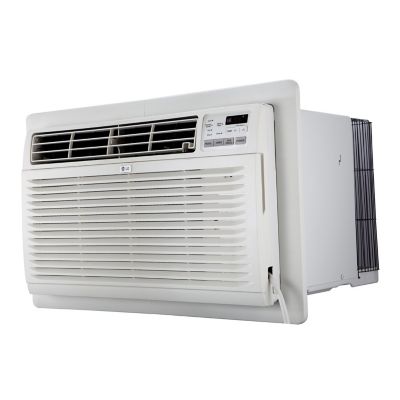
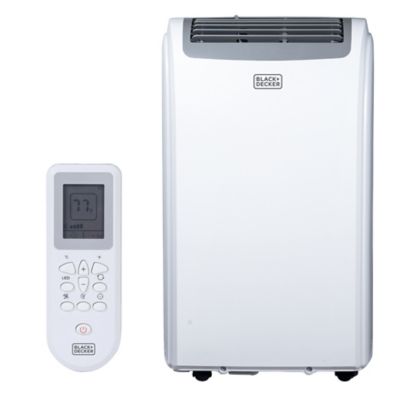
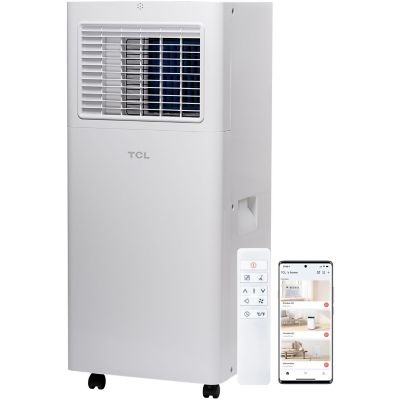
Choosing the right remote controlled air conditioner starts with the space you need to cool. Check the recommended room size and match it to the square footage of the room, rather than choosing by appearance alone. A unit that is too small may run constantly without taking the heat out of the room, while an oversized unit may cool the air quickly without removing enough humidity. Window air conditioners sit in a window opening and are a practical choice for bedrooms, kitchens, living rooms, and other spaces with a suitable window and a nearby electrical outlet. Measure the window before ordering, including the opening width and height, and make sure the window style is compatible with the unit. Portable air conditioners stand on the floor and typically roll from room to room, making them useful when you rent, want flexible placement, or need cooling in a space that cannot accommodate a window unit. They usually require an exhaust hose connected to a window kit, so plan for a path that keeps the hose secure and the window closed around the kit. Ductless mini-split systems use a wall-mounted indoor unit and a separate outdoor component, offering a clean-looking solution for spaces without a traditional duct system, though installation is more involved. In every case, consider the room’s insulation, sun exposure, ceiling height, number of occupants, and heat-producing equipment. A west-facing room with large windows may need more cooling capacity than a shaded room of the same size. Noise level is another important detail, especially for light sleepers, babies, home offices, and quiet areas. Energy-saving modes, programmable timers, and inverter-style operation may help manage electricity use, while a washable filter can make routine upkeep simpler. Clear airflow around the unit matters, too; furniture, curtains, and stored boxes should not block the intake or discharge. Before installation, review the electrical requirements and use a properly rated outlet rather than an extension cord unless the manufacturer specifically allows one.
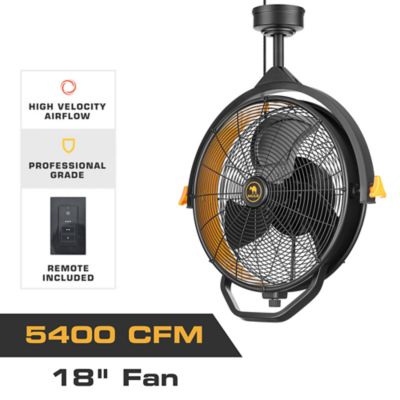
Remote controlled air conditioners can be a thoughtful and practical gift for someone setting up a first apartment, outfitting a guest room, improving a home office, or spending more time in a workshop or seasonal cabin. They are also useful for older adults or anyone who has difficulty reaching wall controls, since temperature changes and timer adjustments can be made from a nearby chair or bed. A remote-controlled unit can help visiting family members settle into a comfortable room without needing to learn a complicated control panel, and portable models can be moved where they are needed as the seasons change. During warmer weather, use cooling mode to bring down the room temperature, then rely on sleep or timer settings to avoid running the unit longer than needed. During cooler months, the fan-only setting may help circulate air in some spaces, but an air conditioner should not be used as a substitute for approved heating equipment. For dependable performance, clean or replace the filter as directed, keep the outdoor portion of a window or mini-split system free of leaves and grass clippings, and drain a portable unit when its instructions call for it. Store the remote where it will not get buried under blankets, tools, or feed catalogs, and keep fresh batteries on hand. If cooling more than one outdoor sitting area, porch, barn office, or covered patio is part of your setup, browse
Remote Control Outdoor Fans for another convenient way to move air. Whether you need a compact option for a bedroom or a stronger system for a larger living area, compare cooling capacity, installation needs, noise, controls, maintenance, and energy features before choosing. The right remote controlled air conditioner can make a room feel more restful after a long day outside, more workable during chores and projects, and more welcoming when family or friends stop by.