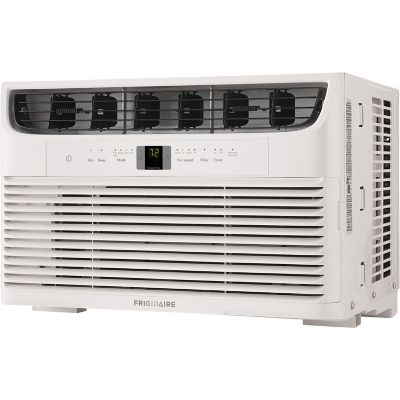
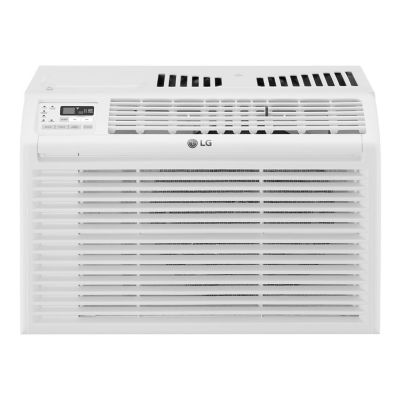
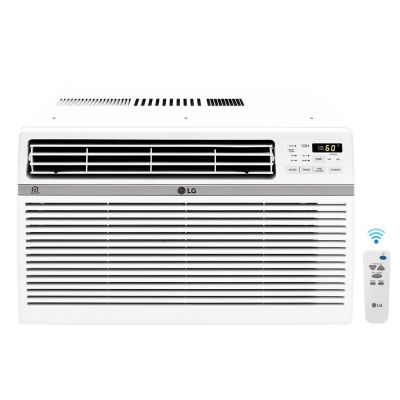
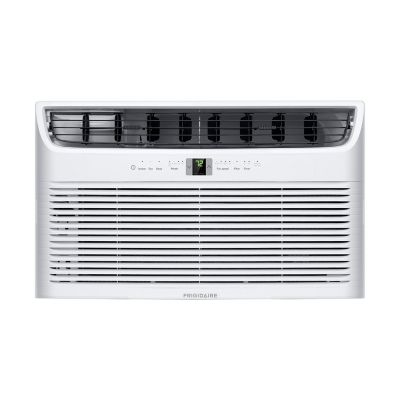
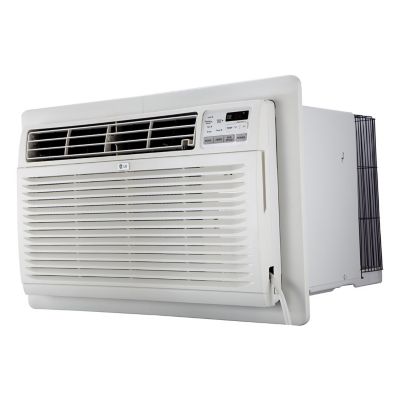
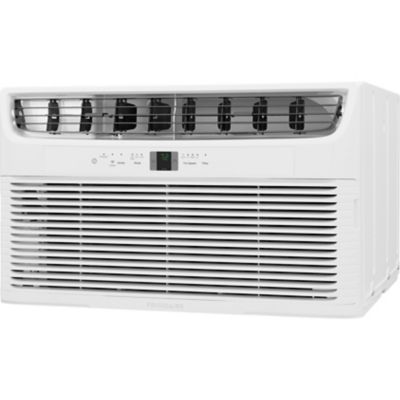
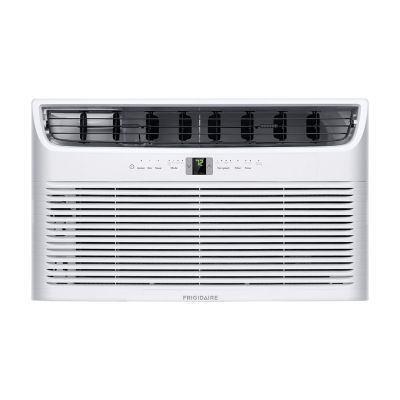
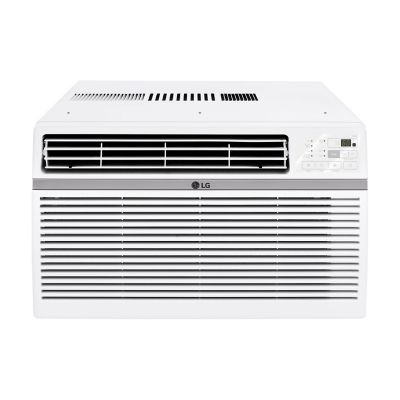
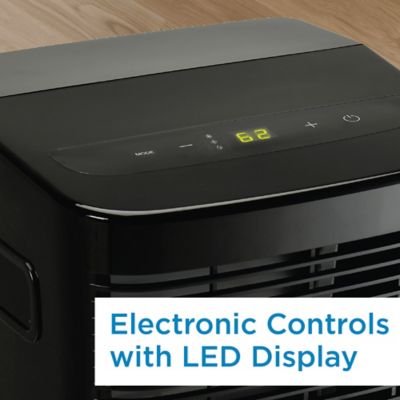
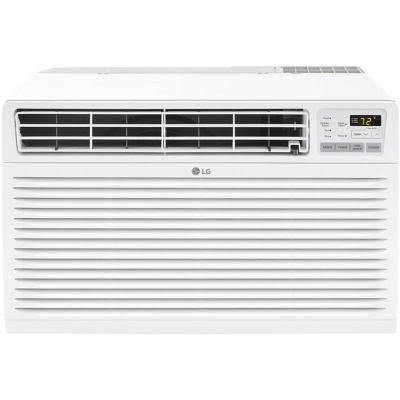
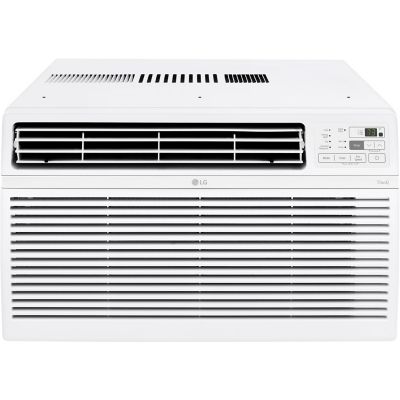
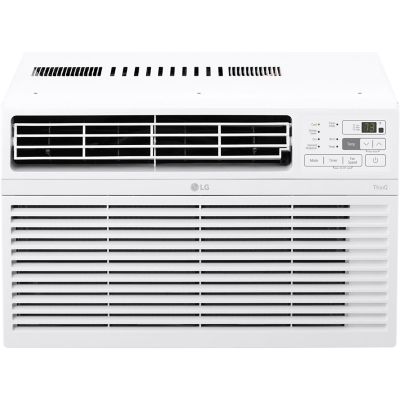
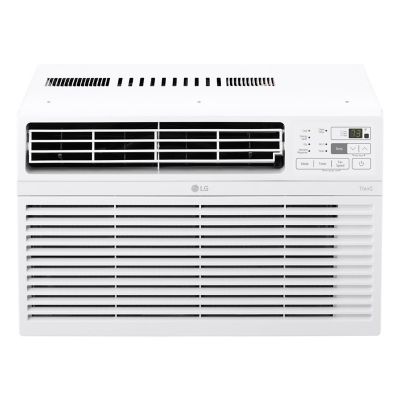
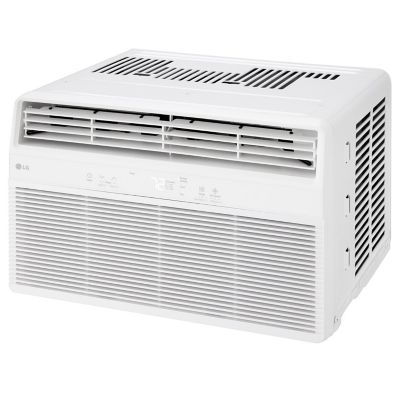
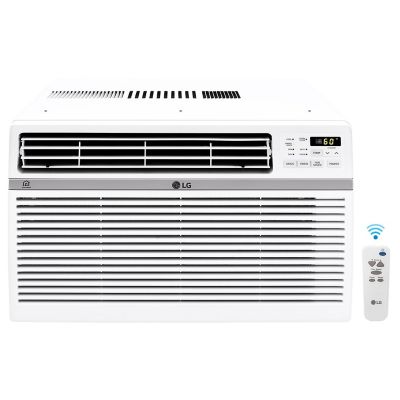
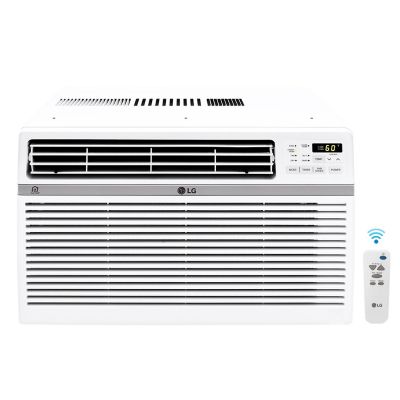
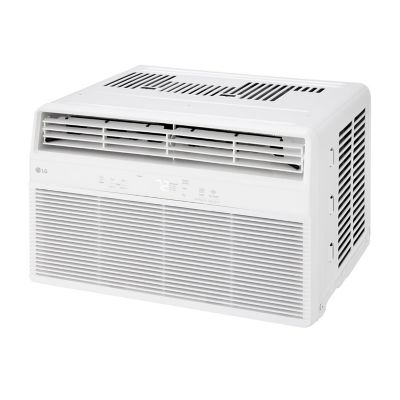
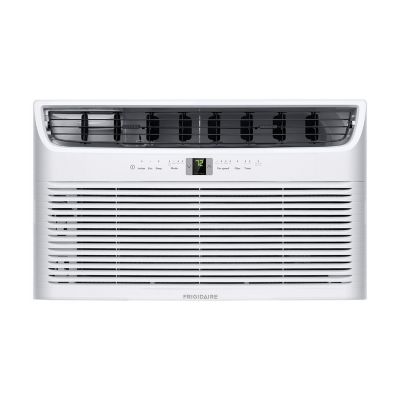
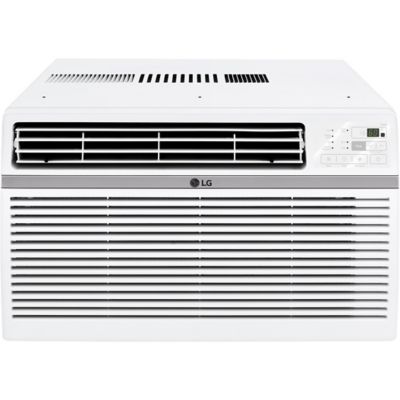
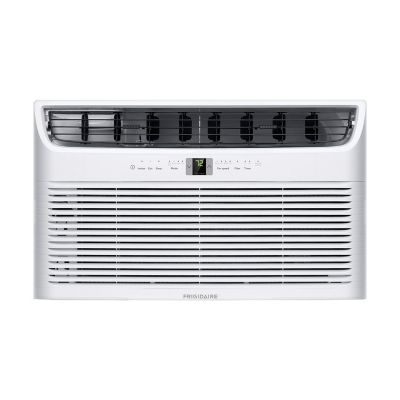
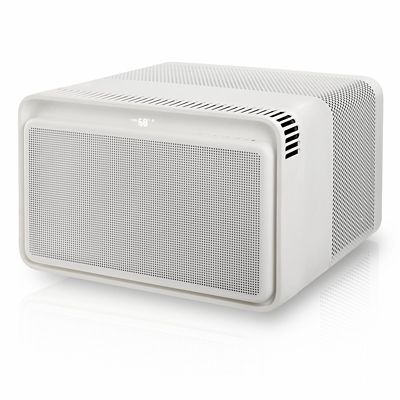
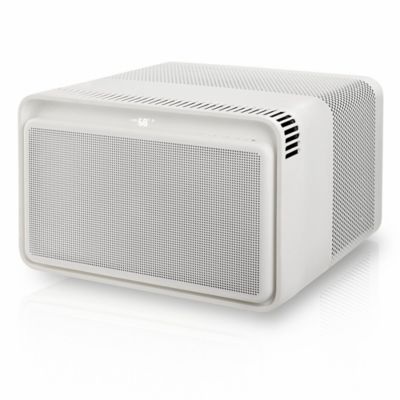
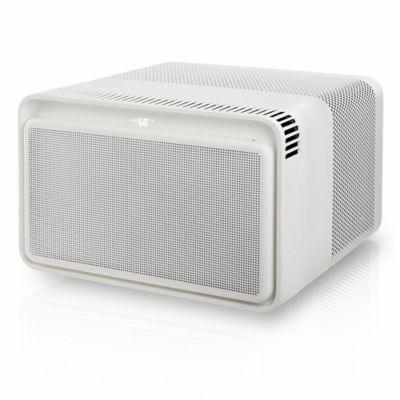
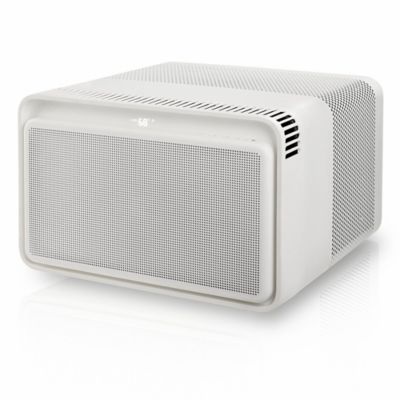
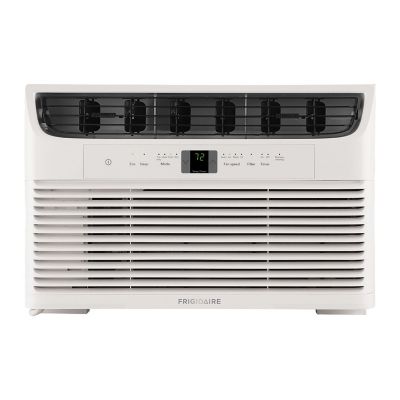
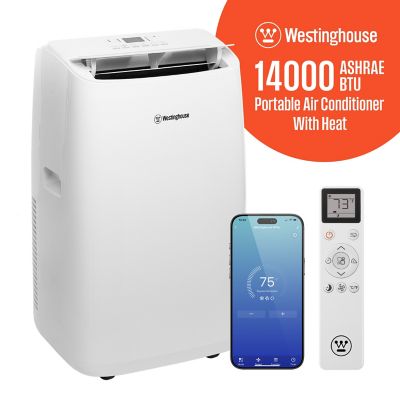
Window air conditioners with timers make it easier to keep a room comfortable without running the unit from morning to night. A built-in 24-hour programmable timer can be set to turn the air conditioner on before you get home, shut it off after you fall asleep, or cool a room during the warmest part of the day and rest during cooler hours. That kind of scheduling can be handy in a farmhouse bedroom, workshop office, hunting cabin, rental, garage apartment, or any room that does not need whole-house cooling. It also helps cut down on wasted energy when a room sits empty. Some window AC units offer separate on and off timers, while others include sleep settings that gradually adjust the temperature or fan speed as the night goes on. Remote controls are useful when the unit is mounted across the room, and models with Wi-Fi or app controls can add scheduling from a phone. When comparing window air conditioners with timers, start with the room size and the unit’s cooling capacity, measured in BTUs. A smaller unit may suit a compact bedroom or office, while a larger space with high ceilings, strong afternoon sun, poor insulation, or several people may need more cooling power. Oversizing is not always better, since an air conditioner that cools too quickly may not remove as much humidity from the room. Check the manufacturer’s recommended square-foot coverage, then consider the room’s layout, window placement, and how much heat comes through the walls and glass. A room over a garage, a sunroom, or a space with cooking equipment may need extra consideration. Units with multiple fan speeds and directional louvers let you move cool air toward a bed, desk, sofa, or workbench instead of sending it straight into one corner. For a quiet bedroom, pay attention to published noise ratings and look for sleep or low-fan settings. In a busy shop or living area, a little extra sound may be less noticeable, while in a nursery, guest room, or light sleeper’s bedroom, quieter operation can make a real difference. Window air conditioners with timers can also be a practical choice for apartment dwellers who need room-by-room comfort without installing a permanent central system. Browse
Window Air Conditioners For Apartments when a compact setup is needed for a rental or smaller living space.
Before choosing a window AC unit, measure the window opening from side to side and check the height, sill depth, and available clearance around the frame. Many units use adjustable side panels, but the window still needs to open wide enough and support the weight safely. Confirm whether the unit is made for a single-hung, double-hung, or sliding window, and follow the installation instructions instead of relying on a quick fit. A firm, level installation helps prevent rattling, air leaks, and water draining in the wrong direction. It is also important to check the electrical requirements. Some smaller window air conditioners plug into a standard household outlet, while higher-capacity units may require a dedicated circuit or a particular voltage. Avoid using an extension cord unless the manufacturer specifically approves it, and keep the plug, cord, and outlet away from moisture. After installation, seal gaps around the side panels so warm outdoor air and dust do not creep back into the room. Energy-saving modes, programmable timers, and adjustable thermostats can work together to keep cooling manageable during warmer stretches, especially when the unit is set to run before the room becomes hot rather than trying to catch up after heat has built up. Regular care matters, too. Clean or replace the filter as recommended, keep the front grille and airflow path free of curtains or furniture, and inspect the outside portion of the unit for leaves, grass clippings, and other debris. As the weather cools, remove the unit when practical or use a properly fitted cover designed for window AC equipment; leaving an exposed unit in changing weather can invite drafts and moisture. A timer-equipped window air conditioner can be useful for older adults who prefer a simple daily routine, college students in a warm dorm-style room, guests staying in a spare bedroom, or anyone who wants a more comfortable place to sleep without cooling the entire house. It can also make a thoughtful housewarming or practical home gift when you know the recipient has a suitable window and electrical setup. Compare timer options, BTU ratings, controls, airflow settings, energy features, noise levels, and installation details to find a unit that fits the room and the way it will be used through warm days, cool evenings, and changing seasons.