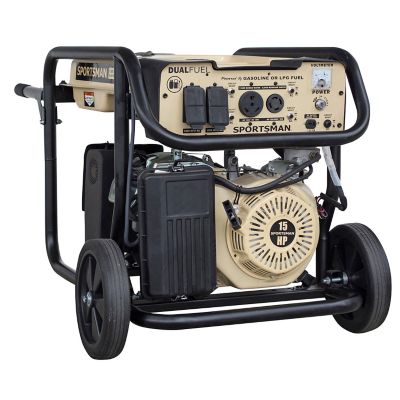
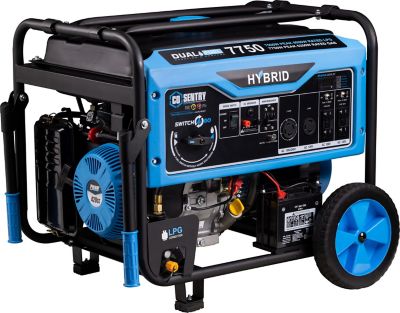
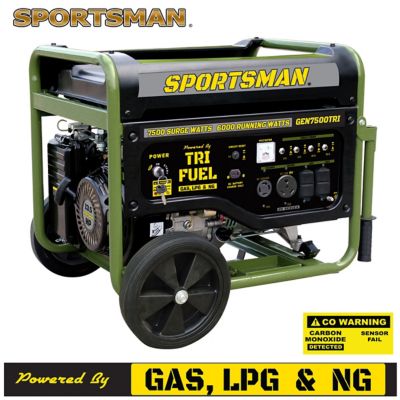
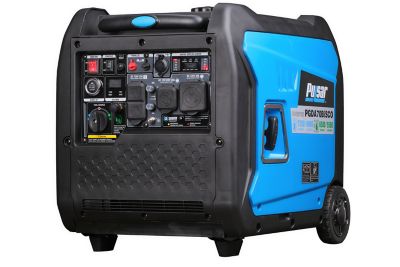
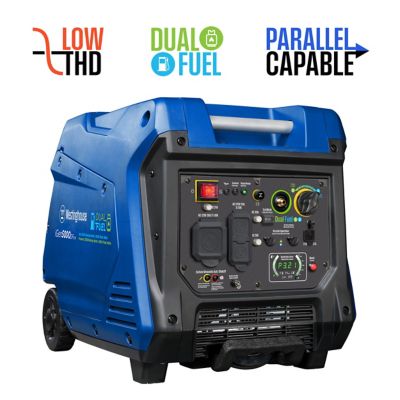
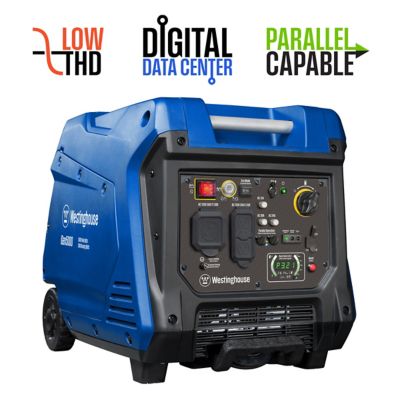
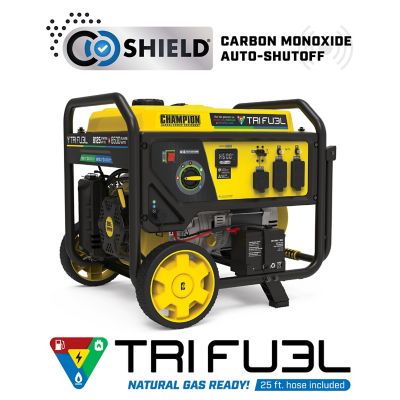
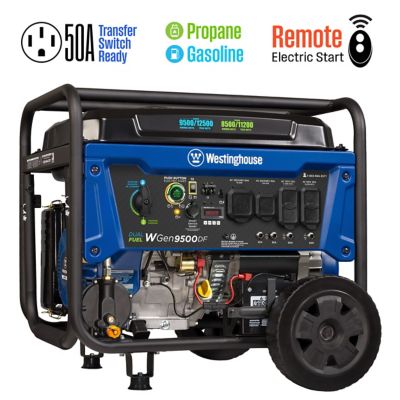
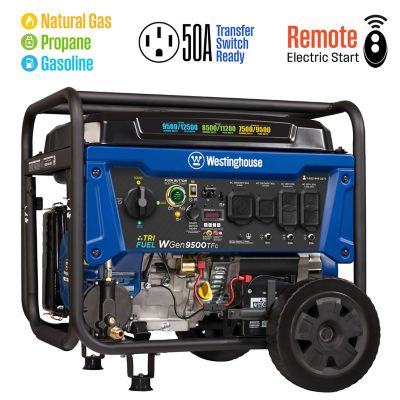
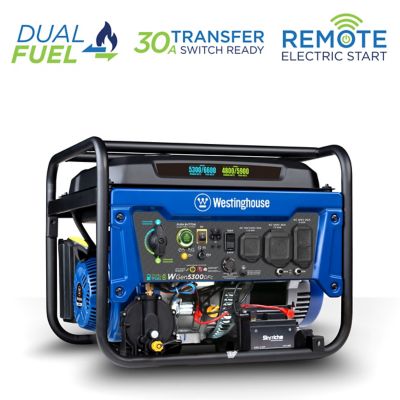
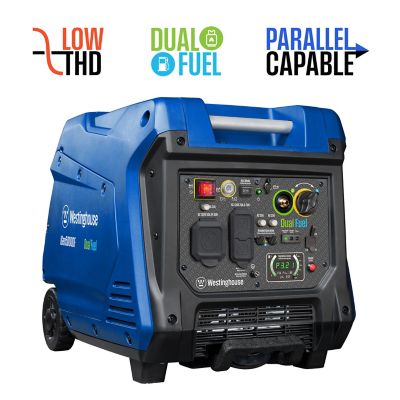
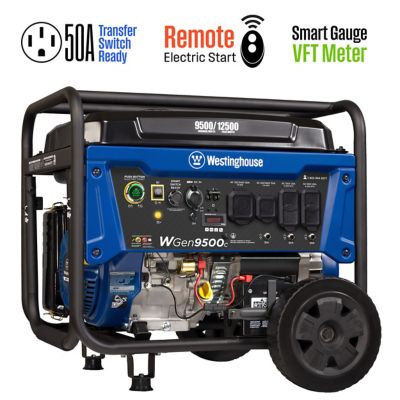
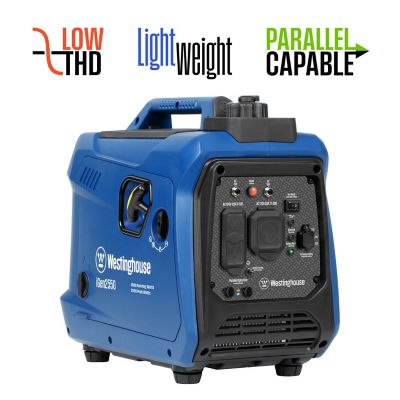
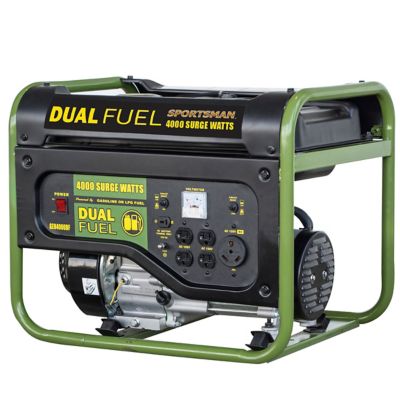
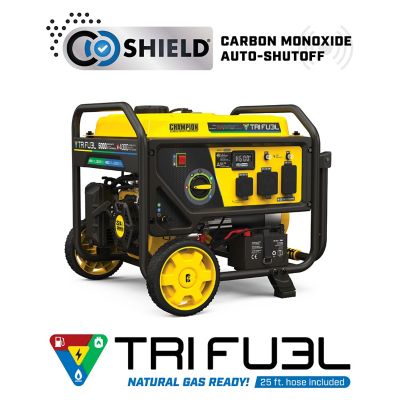
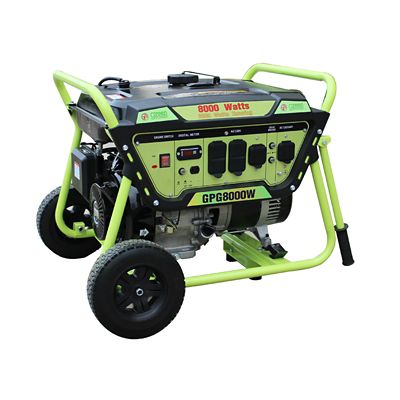
A 6,000-watt generator can bring practical power to places where an outlet is out of reach, whether that means running tools beside a fence line or keeping selected household essentials going through a power outage. For property owners, tradespeople and folks with a shop a good ways from the house, this size can offer a middle ground between a smaller portable unit and a larger backup setup. The important distinction is whether the stated 6,000 watts refers to starting output or running output. Starting watts cover the brief extra demand that some equipment needs when a motor kicks on, while running watts describe the load a generator can support continuously under its rated conditions. A refrigerator, well pump or air compressor may need considerably more power at startup than it does once running. That means two setups with the same total running load can place very different demands on a generator. Equipment nameplates and manufacturer specifications give a clearer picture than appliance size alone. A few lights, a refrigerator and battery chargers make a different load than a pump paired with a large shop tool, and some combinations will exceed what this generator class can handle. Electric resistance heaters, water heaters and whole-house heating or cooling equipment can also demand more power than expected. Giving the essentials priority and leaving room for startup loads helps match the generator to the work rather than stretching it to its limits. On a rural property, that might mean supplying a compatible water pump before powering additional tools, or keeping food storage running while handling smaller electrical needs separately. For a contractor, it might mean supporting one demanding tool at a time instead of several motors starting together. The right fit depends less on how many things plug in and more on what those things draw, how they start and how long they need to run.
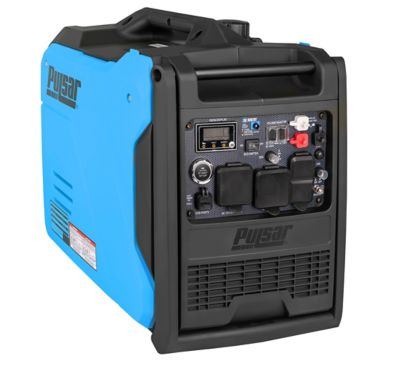
The frame, engine layout and controls matter just as much as the wattage printed on the housing. Steel frames, protective finishes and well-positioned guards can help a portable generator stand up to regular loading, unloading and travel across a working property. Rubber engine mounts help limit vibration, while accessible oil fills, drain points and air filters make routine upkeep less of a chore. Wheels and folding handles are worth a close look when the route from storage to the work area includes gravel, packed dirt or uneven ground. A wheel kit helps with rolling, but it does not make a heavy generator safe for one person to lift into a truck. Overall dimensions, weight and the manufacturer’s handling provisions all affect how well the machine fits the available transport and storage space. Fuel type adds another consideration. Gasoline models call for an appropriate fuel storage routine, while propane-capable models need a compatible cylinder, regulator and hose arrangement. Dual-fuel designs offer flexibility, though rated output and operating time can differ between fuels. Runtime figures also depend on the electrical load and stated test conditions; a number measured at a light load does not describe a full day of running demanding equipment. Outlet configuration deserves the same attention. Some generators supply only 120-volt power, while others include 120/240-volt capability, and individual receptacles have limits separate from the generator’s total output. A matching plug alone does not establish compatibility with a pump, RV connection or building inlet. For electronics, controls and chargers, check the equipment maker’s requirements against the generator’s output specifications rather than assuming every portable generator produces the same electrical characteristics. Inverter designs and conventional generators differ in operation, and features such as automatic voltage regulation do not, by themselves, establish suitability for every sensitive device. Sound ratings are another useful comparison when they include the testing distance and load, especially for work near livestock areas or other people.
Living with a generator also means having a sensible place to operate it and a routine that keeps it ready for the next job. Any fuel-burning portable generator belongs outdoors, at least 20 feet from buildings, with the exhaust pointed away from doors, windows and vents. A garage, barn, shed, crawl space or partly enclosed work area is not a safe operating location, even with a door open. Carbon monoxide shutoff features add protection but do not replace proper placement or working carbon monoxide alarms in the home. Electrical connections need equal care. Powering household circuits requires approved transfer equipment installed by a qualified electrician according to applicable codes; a generator must never feed a home through a wall receptacle. For direct connections, outdoor-rated extension cords with the proper wire size and amperage rating help match the cord to both the load and the distance. Keeping cords out of vehicle paths and away from sharp edges matters around a busy property, where a good setup can quickly turn into a trip hazard or a damaged connection. Grounding and ground-fault protection requirements depend on the generator and how it is connected, so the manual and an electrician are better references than a one-size-fits-all assumption. Beyond setup, straightforward care goes a long way: checking engine oil as directed, servicing filters, inspecting cords and receptacles, and following the maintenance schedule for the hours of operation. Refueling belongs on the shutdown side of the job, after the engine has cooled. Storage instructions matter, too, particularly for gasoline left in the fuel system between jobs. A brief record of operating hours and service dates can make upkeep easier when several pieces of powered equipment share the same shed. For needs that stay comfortably below this power range,
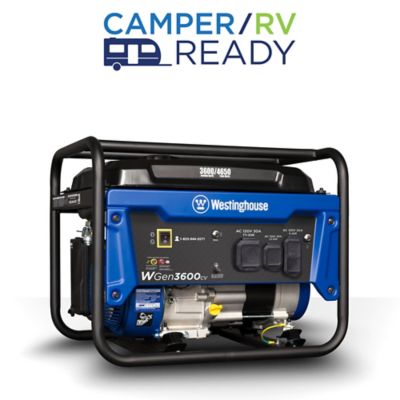
3500w Generators offer another size to consider, with running output, starting capacity, weight and connections still guiding the match. Whether the work centers on a small acreage, a remote project or selected home essentials, a generator that fits the actual load and handling routine earns its place alongside the rest of the working equipment.