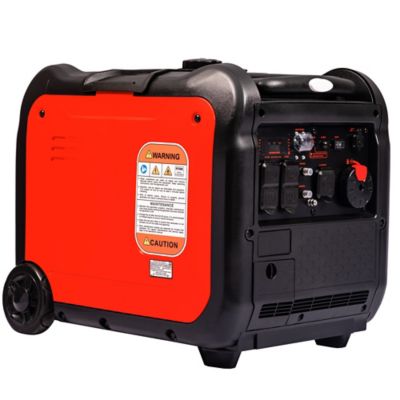
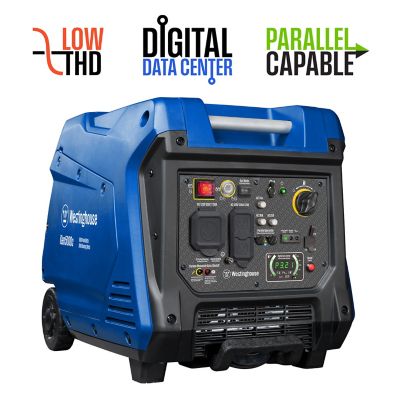
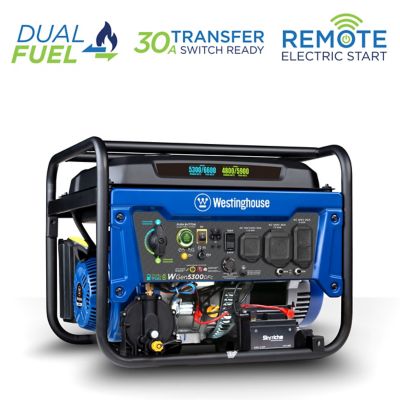
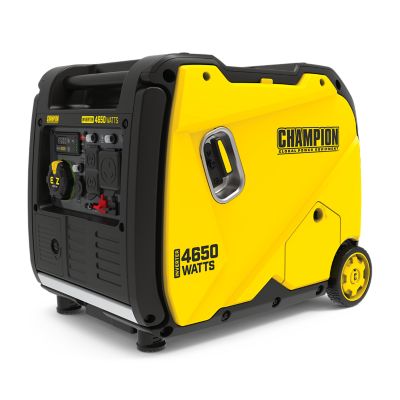
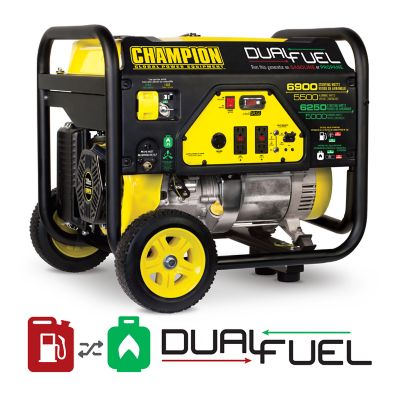
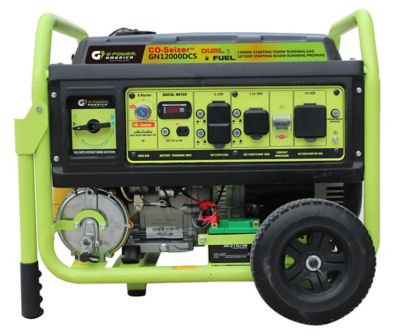
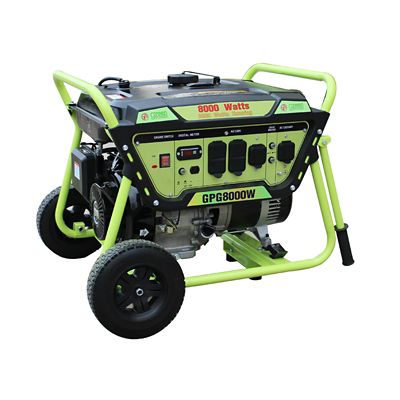
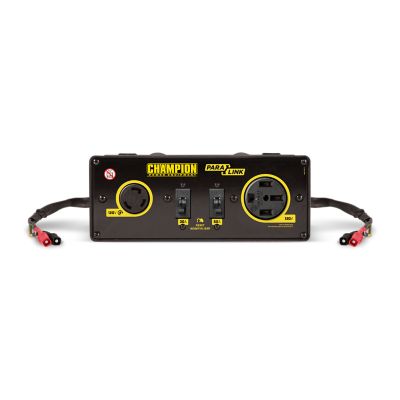
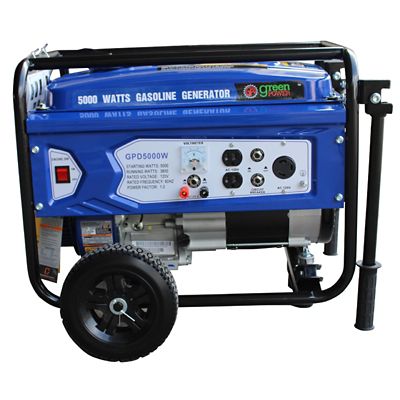
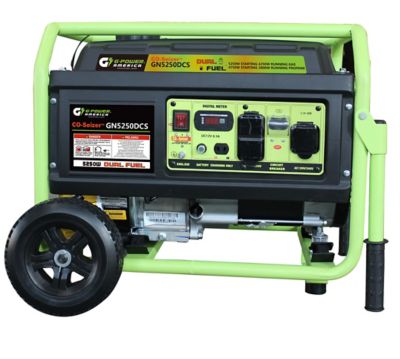
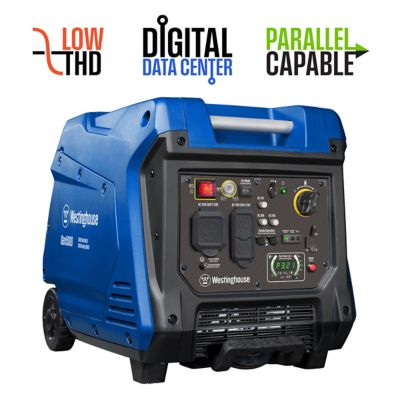
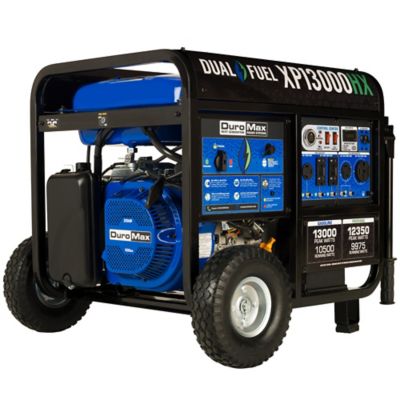
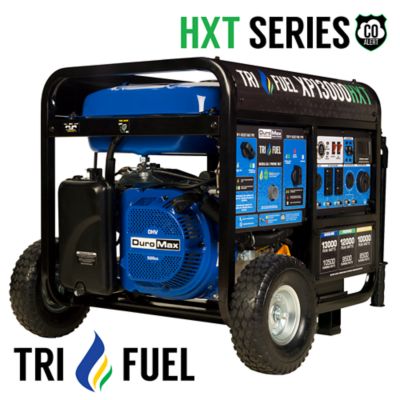
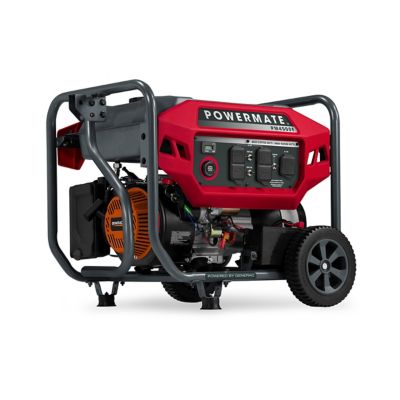
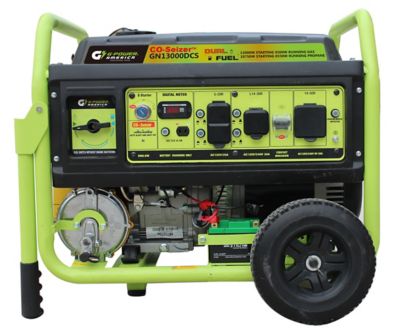
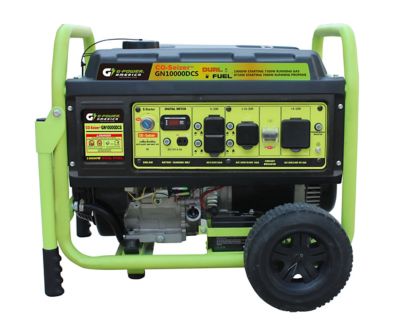
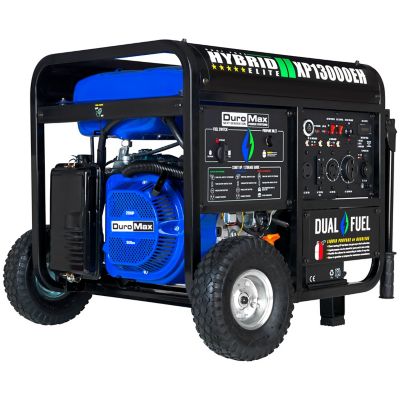
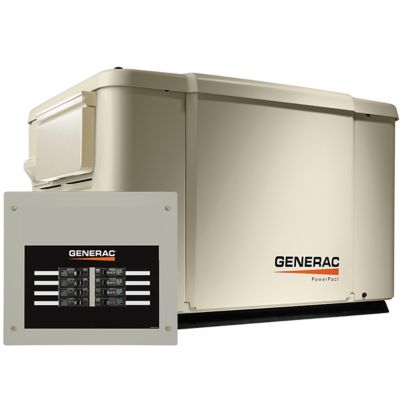
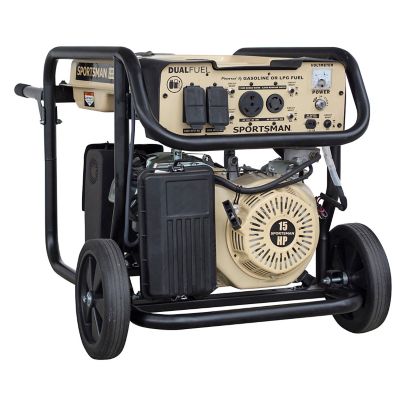
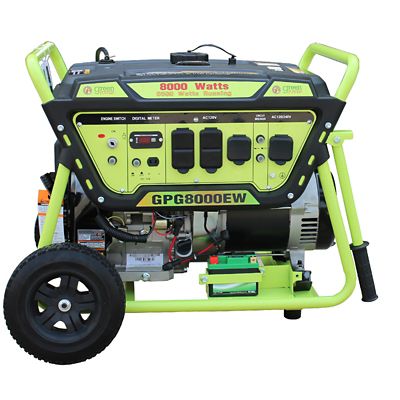
5000 watt generators are a practical middle ground for backup power at home, on the farm, at the campsite or around a job site. They typically provide about 5,000 starting watts, also called peak watts, and roughly 3,900 to 4,250 running watts once equipment is up and operating. That extra starting power matters for appliances and tools with electric motors, including refrigerators, freezers, sump pumps, well pumps, air compressors and some power tools. A unit in this range can often keep key household essentials going during an outage, such as a refrigerator, a few lights, a Wi-Fi router, phone chargers, a television and a small fan, though the total load needs to stay within the generator’s continuous output. On a farm or rural property, a 5000 watt generator can help keep a freezer cold, run work lights in a barn, power a small pump or operate hand tools where an extension cord from the house will not reach. It can also be useful for tailgating, hunting camp, seasonal cabins and RV trips, with enough capacity for common conveniences like a coffee maker, microwave or compatible air conditioner. Runtime depends on the fuel tank, load and operating conditions, but many gas-powered models run for several hours at a partial load and may cover much of a workday or overnight stretch when used carefully. Before choosing one, make a list of the equipment you need most and check each item’s running and starting wattage. Motors, compressors and pumps may draw considerably more power for a few seconds when they start, and several high-demand appliances may not be able to run together.
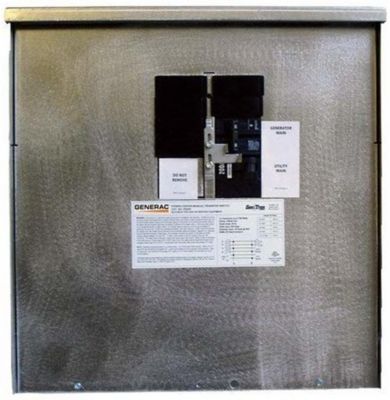
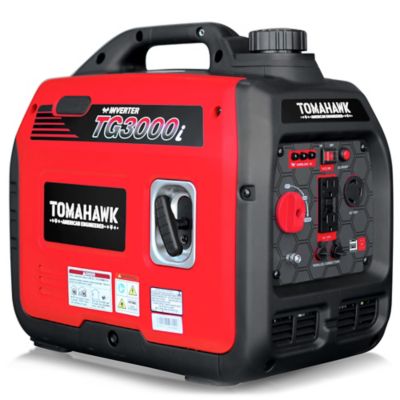
The generator’s design and fuel options make a real difference in everyday use. Open-frame models are often a sensible choice for farms, workshops and construction areas where durability, portability and straightforward operation matter. Inverter generators are generally quieter and produce cleaner, more stable power, which can be a better fit for sensitive electronics such as laptops, routers, televisions and battery chargers. A dual-fuel generator gives you the option to run on gasoline or propane, offering added flexibility when fuel availability changes or stored gasoline has been sitting for a while. Gasoline is convenient to find and can provide strong output, while propane stores well when kept in an approved container and can be handy for emergency planning. Look for useful features such as electric start, remote start, a fuel gauge, wheels and folding handles, especially if the generator may be moved between a garage, trailer and work area. Weight commonly falls in the 60- to 100-pound range, so wheels and a balanced frame are more than small conveniences when the ground is uneven or muddy. Runtime displays, multiple household outlets and a 30-amp outlet may also be helpful, depending on how you plan to connect equipment. For home backup, have a qualified electrician install the proper transfer equipment if you want to connect selected circuits through your electrical panel. Never connect a portable generator directly to a wall outlet, and never operate one inside a home, garage, barn, shed, basement or enclosed porch. Place it outdoors, well away from doors, windows and vents, where exhaust can disperse, and use a working carbon monoxide detector nearby. Models with automatic CO shutoff add an important layer of protection, but they do not replace safe placement, ventilation and regular attention.
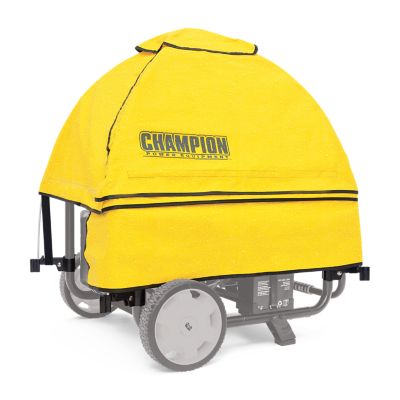
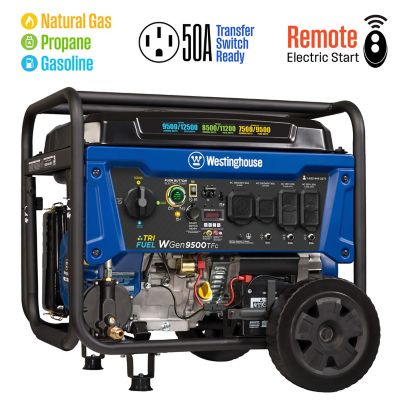
A 5000 watt generator can make a thoughtful gift for a new homeowner, a family with a rural property, an RV owner, a contractor or anyone preparing for dependable backup power during the cooler months and storm season. It is also the kind of practical equipment that earns its keep long after it is unwrapped, whether it lights a remote section of a property, helps keep food from spoiling during an outage or powers a circular saw during a weekend project. Keep the unit on a level, dry surface and protect it from rain and snow with an approved operating cover that allows plenty of airflow. Store fuel only in suitable containers and follow local rules, and keep gasoline, propane and the generator away from heat sources and ignition points. Before an emergency, run the generator outdoors according to the manufacturer’s directions, inspect the oil level, check cords for damage and make sure you know which appliances can run together. Heavy-duty, outdoor-rated extension cords sized for the load help reduce voltage drop and overheating; never use frayed cords or indoor household cords outside. When the power goes out, start with the essentials and add equipment one item at a time, watching the generator’s load and listening for signs that it is being pushed too hard. For larger homes, multiple outbuildings or equipment with demanding startup loads, stepping up to
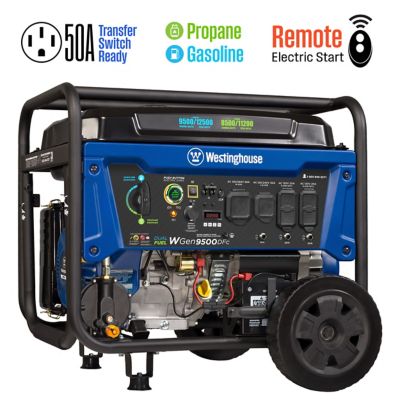
9500 Watt Generators may provide more capacity and flexibility. With the right size, safe setup and regular maintenance, a 5000 watt generator can be a dependable part of a home, farm or worksite power plan.