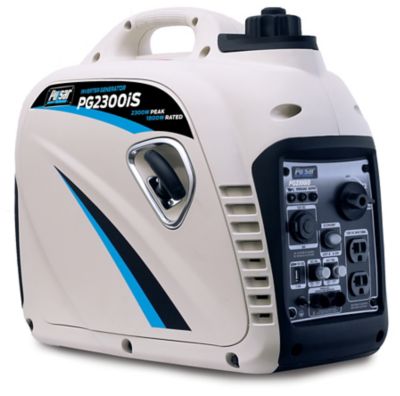
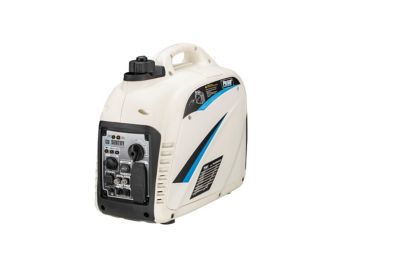
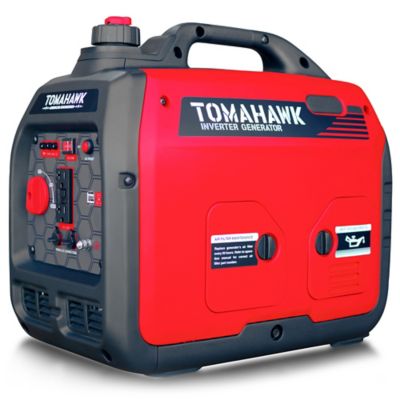
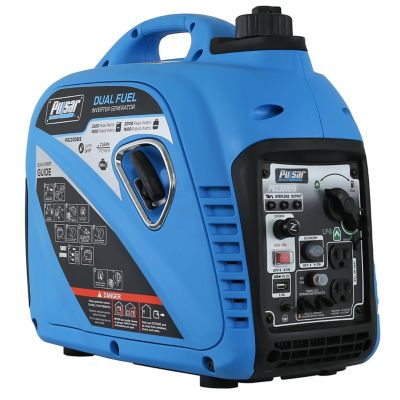
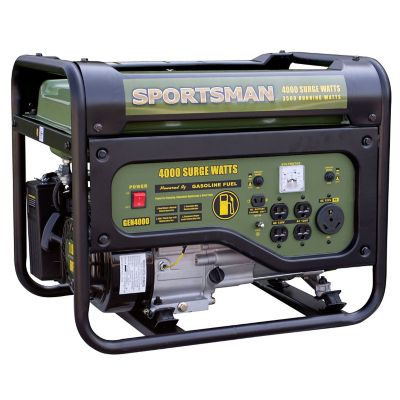
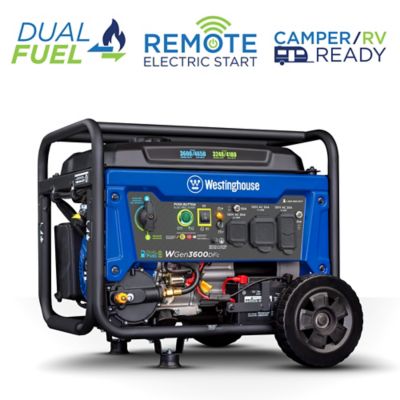
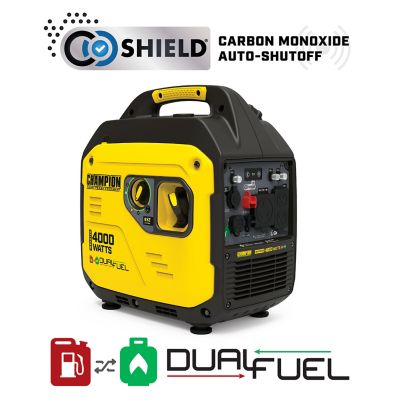
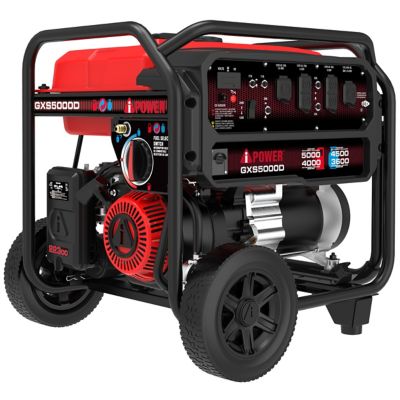
An 1800-watt generator brings portable power to smaller jobs, everyday essentials and places where an outlet is out of reach. This power range can suit a few lights at a hunting cabin, battery chargers beside a fence repair or selected household essentials during an outage. The important distinction is whether 1,800 watts refers to running power or starting power. Running watts describe the electrical load a unit can support continuously, while starting or surge watts cover brief increases when equipment switches on. A generator advertised with 1,800 starting watts may have a lower continuous rating, so both figures matter when comparing options. Refrigerators, pumps and some power tools can draw more electricity at startup than they do once running. A combination that fits within the running limit can still exceed the available surge capacity when a motor kicks on. For steady loads, the combined wattage of everything connected needs to stay within the unit’s continuous output rating. That makes generators in this range a practical match for modest power needs rather than a substitute for whole-house backup. A few lights and phone chargers make a very different load from a microwave or an electric cooking appliance, which can take up much of the available output on its own. For a small shed, campsite or work area, outlet type matters just as much as the wattage on the label. Many portable units provide household-style 120-volt outlets, but connections, outlet limits and USB charging options vary. Equipment requiring 240 volts needs a power source specifically rated to supply it. Folks carrying power between the barn, truck and campsite may also appreciate a manageable footprint and straightforward controls. The best fit comes from matching the generator’s actual ratings to the equipment it will run, with room for startup demand instead of counting on every appliance drawing its lowest listed wattage.
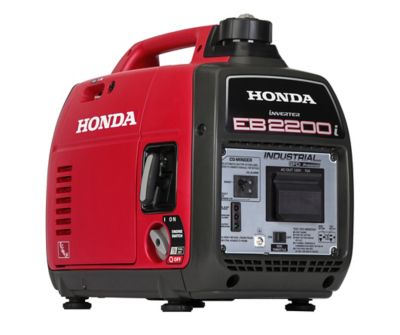
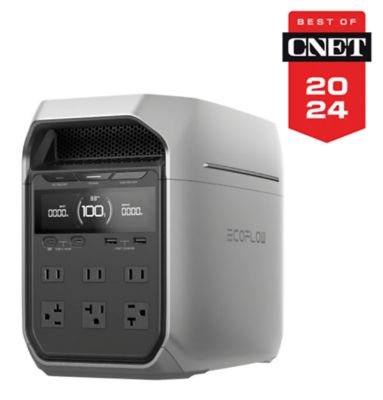
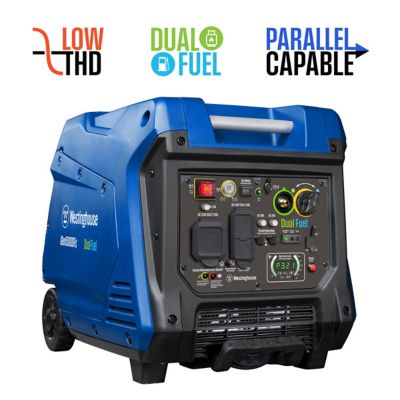
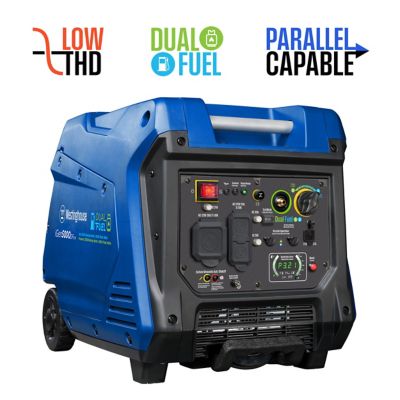
Options in the 1800-watt range include fuel-powered generators and battery power stations, with different strengths for work and recreation. A fuel-powered generator makes electricity with an engine and alternator, and its runtime depends on tank capacity, electrical load and operating settings. Refueling can extend operation, but the engine must be shut off and allowed to cool before adding fuel. Inverter generators regulate electrical output electronically and often adjust engine speed as demand changes. Depending on the model, that can mean lower fuel consumption and less sound under lighter loads. For laptops, televisions and other electronics, the published waveform and power specifications are worth checking rather than assuming every generator has the same output characteristics. Battery power stations store electricity instead of making it through combustion. Models approved for indoor operation can power compatible equipment without engine exhaust at the point of use, though cooling fans may still make some sound. Their 1,800-watt output rating describes how much power they can deliver at once, not how long they can run. Battery capacity, usually listed in watt-hours, is the separate figure that helps explain runtime. A 1,000-watt-hour battery supplying a steady 100-watt load has a theoretical ten-hour energy supply; actual runtime is shorter because of conversion losses, internal power consumption and operating limits. Larger loads drain that stored energy faster, even when they remain below the output ceiling. This distinction matters for anyone hoping to keep several devices running through a long evening at a cabin or finish charging tool batteries away from the shop. Charging options may include a wall outlet, a compatible vehicle connection or solar panels, depending on the unit. Solar charging also depends on panel compatibility, input limits, placement and available sunlight. For either type of power source, published runtime figures are most useful when the stated test load resembles the job ahead. A light-load runtime claim does not describe how long the same unit will operate near its full output.
Portability, construction and upkeep also shape how well an 1800-watt generator fits daily life. Steel frames can provide protection around open-frame equipment, while enclosed housings cover internal components and may help control sound. Handles, wheel arrangements and overall dimensions affect loading and carrying, especially when the route includes gravel, gates or a narrow storage space. Listed weight deserves a close look, along with whether it includes fuel or other operating supplies. Controls that are easy to reach, clear load indicators and accessible maintenance points can make ownership less of a chore. Fuel-powered equipment needs the oil checks, filter care, fuel handling and service intervals specified in its manual. Battery power stations have their own charging, ventilation and storage requirements, particularly when sitting between trips. Keeping connections clean, protecting equipment from moisture and leaving cooling openings clear are important for both types. Safe placement is essential for every combustion-engine generator: operation belongs outdoors, at least 20 feet from occupied buildings, with exhaust directed away from doors, windows and vents. A garage, barn, shed, camper or tent is not a safe operating location, even with doors open. Carbon monoxide shutoff features do not replace proper placement, and working carbon monoxide alarms remain important inside nearby occupied spaces. Power cords must suit the electrical load, connection and setting, with grounding and ground-fault protection handled according to the equipment instructions and applicable requirements. Connecting a generator to household wiring requires approved transfer equipment installed by a qualified electrician; plugging generator output into a wall outlet can endanger utility workers and others. For jobs that need more output,
3500w Generators offer another size range to consider. Within the 1800-watt category, a good match balances usable output, starting capacity, runtime and carrying weight with the real task at hand, whether that means charging tools by the pasture or keeping a few essentials powered away from an outlet.