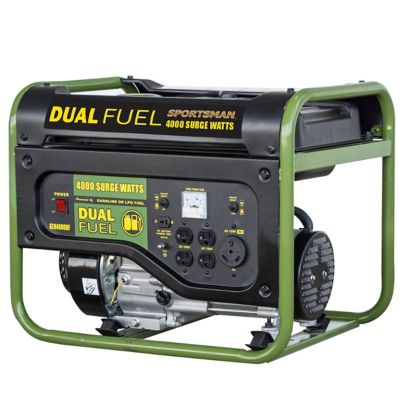
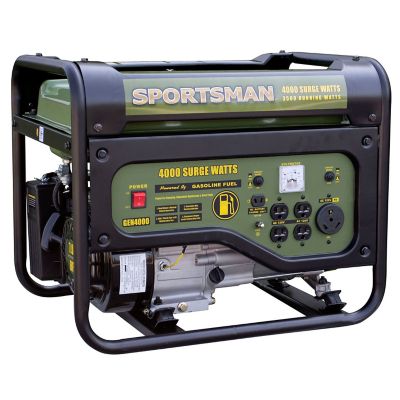
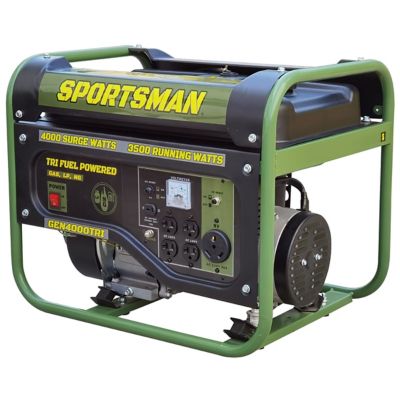
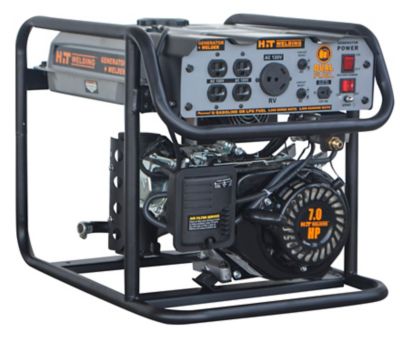
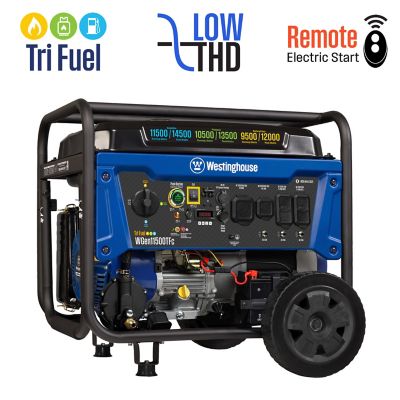
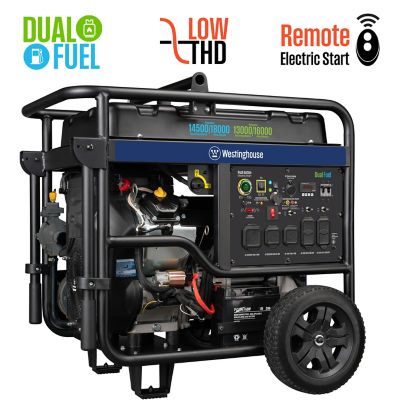
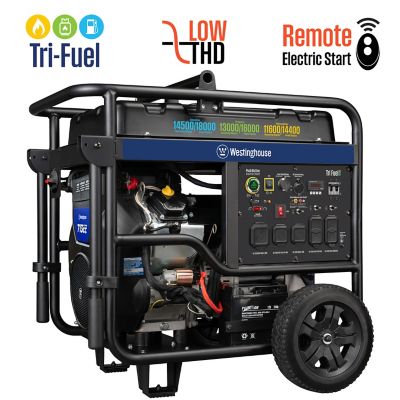
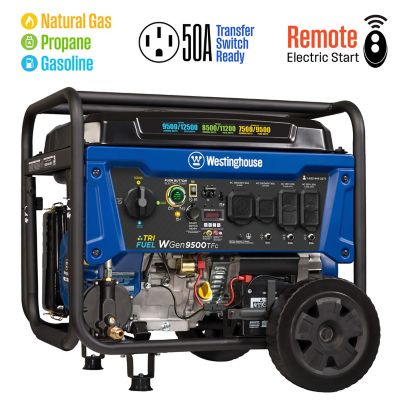
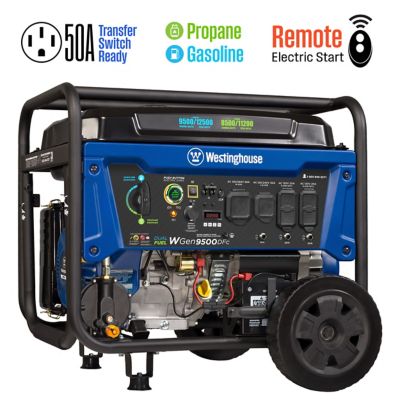
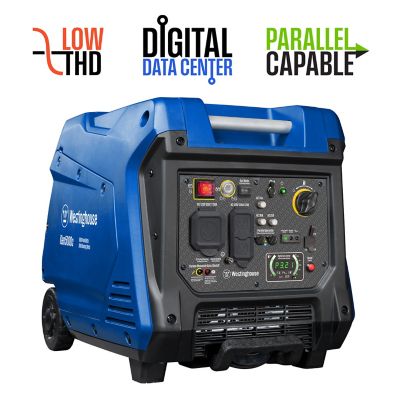
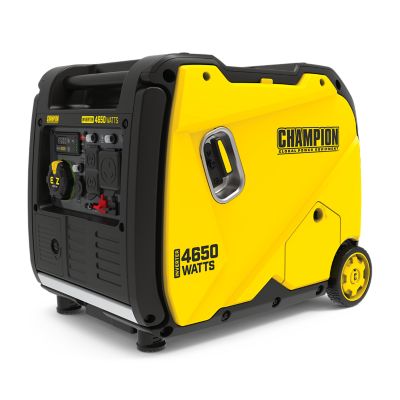
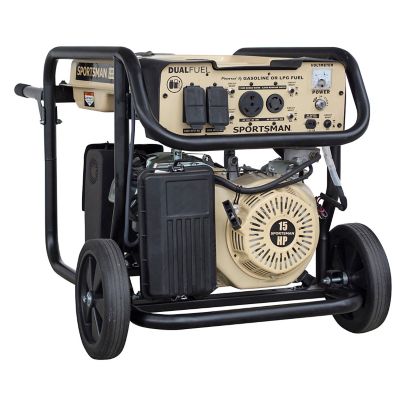
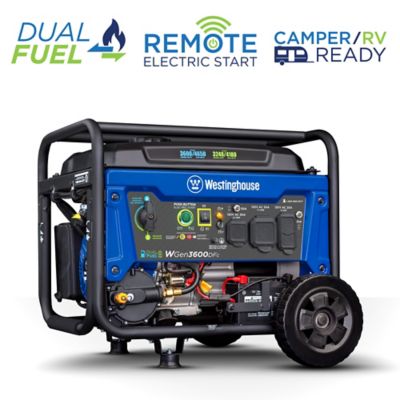
A 3500w generator can be a handy middle-ground source of portable power for home, farm, campsite, RV, workshop, or tailgate use. In many cases, a generator in this class produces about 3,500 starting watts and roughly 3,000 to 3,500 running watts, though the exact output depends on the unit and its fuel system. Starting watts cover the brief surge needed when a motor kicks on, while running watts support equipment after it is operating. That difference matters with refrigerators, freezers, well pumps, sump pumps, air conditioners, compressors, and other motor-driven appliances. A refrigerator may use modest power once running but need more for a few seconds at startup, and a small freezer, lights, fan, phone charger, and internet equipment may all be used together if the total load stays within the generator’s limits. A 3500-watt model may also run a single 15,000 BTU RV air conditioner or a small microwave, but it generally will not power every appliance in a home at once. Before buying, add the running watts for the equipment you plan to use and leave room for startup surges. Check each appliance’s label or owner’s manual rather than relying on an estimate, especially for older motors, pumps, heaters, and tools. If the goal is emergency backup, make a short list of must-have loads first: perhaps a refrigerator, chest freezer, a few lamps, a fan, a CPAP machine, phone chargers, or a furnace blower. During an outage, it is usually better to run those essentials in turns than to overload the generator by connecting everything at once. A transfer switch installed by a qualified electrician is needed to connect a portable generator to household wiring; never plug a generator into a wall outlet, and never attempt to power a house by “backfeeding.” For simple use, heavy-duty outdoor-rated extension cords sized for the load can connect individual appliances directly. Keep the generator outdoors, well away from doors, windows, crawl spaces, and garages, and place it on a dry, level surface where exhaust cannot collect. Carbon monoxide is odorless and dangerous, so a working carbon monoxide alarm inside the home and near sleeping areas adds an important layer of protection. Give the unit plenty of breathing room, keep children and pets away from hot surfaces, and let the engine cool before refueling. These habits may seem like small details when the lights are out, but they are the same careful steps that help keep a busy farmstead, campsite, or jobsite running safely.
When comparing 3500w generators, start with the kind of work the unit will do most often. Traditional open-frame generators are often valued for practical, straightforward power and may suit property maintenance, construction tasks, barn chores, or occasional outage use. Enclosed inverter generators are generally quieter and often produce cleaner, more consistent power for sensitive electronics such as laptops, televisions, chargers, and medical equipment. Many inverter models can adjust engine speed as demand changes, which may help reduce noise and fuel use during lighter loads. Noise ratings, fuel capacity, runtime, starting method, outlet selection, wheel kits, handles, and overall weight can make a big difference once the generator leaves the garage. A pull-start engine may be perfectly dependable for occasional use, while an electric-start model can be easier for someone who would rather not wrestle with a starter cord on a cold morning. Look for useful outlets that match your setup, including standard household receptacles and, for RV owners, an RV-ready connection when needed. A 30-amp outlet may be helpful for compatible RV service, but it does not automatically mean the generator can run every appliance in a larger RV at the same time. Check fuel type and storage needs, too. Gasoline is widely available, but it should be stored only in an approved container away from ignition sources. Fuel stabilizer can help when equipment sits through the cooler months, and the engine should be operated and maintained according to the manufacturer’s instructions. Keep spare oil, a funnel, approved fuel storage, and replacement filters or spark plugs on hand when practical. Run the generator periodically under load so it is not a complete stranger when a storm, blown transformer, or remote camping trip puts it to work. A 3500w generator can be a thoughtful gift for a new homeowner, an RV owner, a camper, a rural neighbor, or anyone building a more prepared workshop, especially when paired with safe extension cords, a weatherproof storage plan, and a clear understanding of its limits. For lighter jobs such as charging small electronics, running a few lights, or powering a compact fan, a smaller unit may be easier to carry and more economical; shoppers comparing output levels can also browse
1800w Generators. Whether it stays in a truck bed beside the fishing gear, rolls out near the barn during an outage, or waits in the shed for the next power interruption, choosing the right 3500-watt generator comes down to matching real-world loads with safe, dependable features.