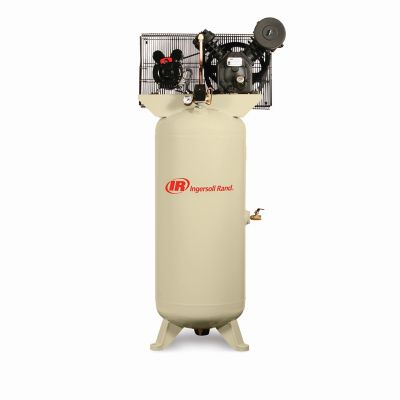
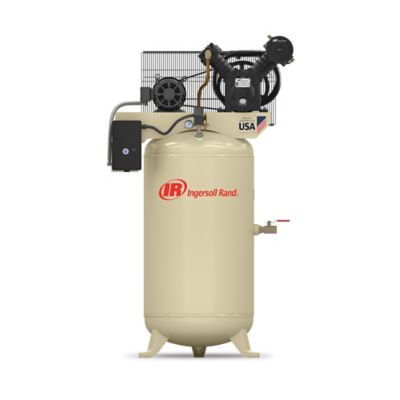
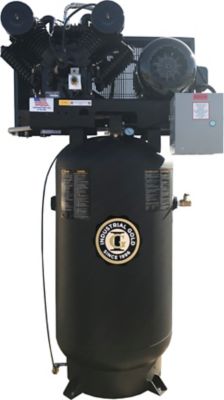
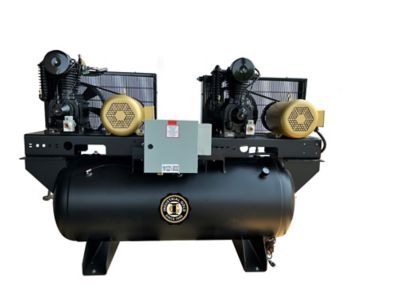
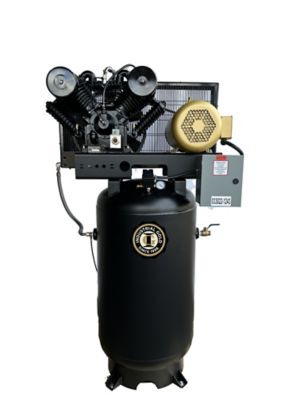
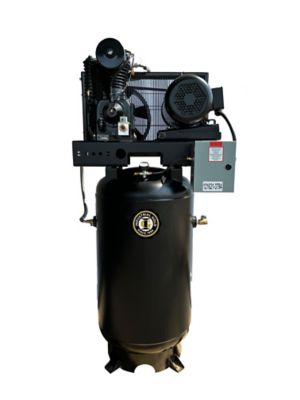
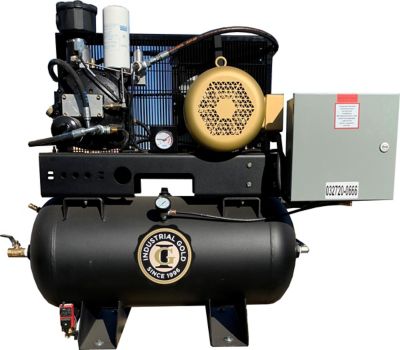
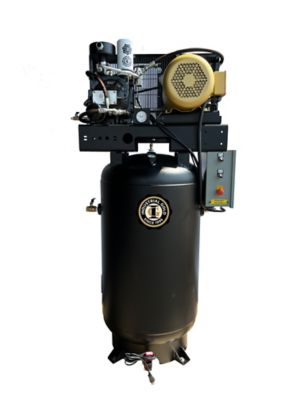
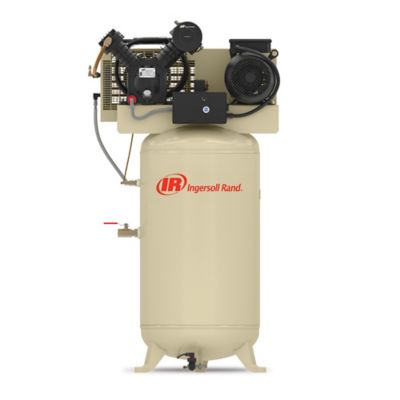
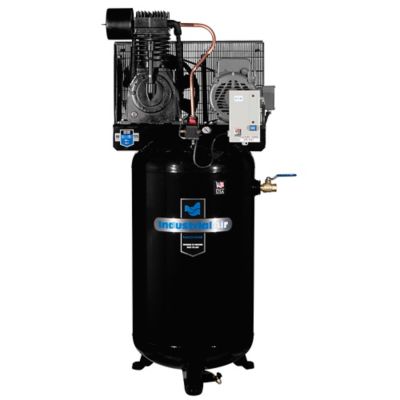
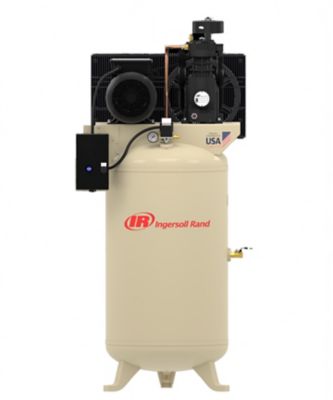
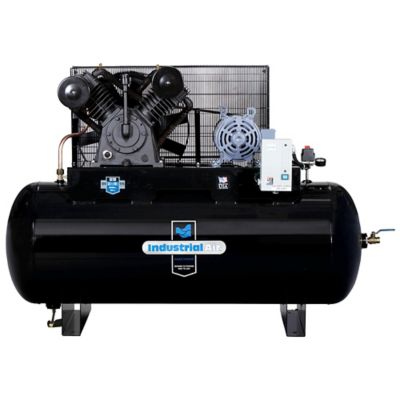
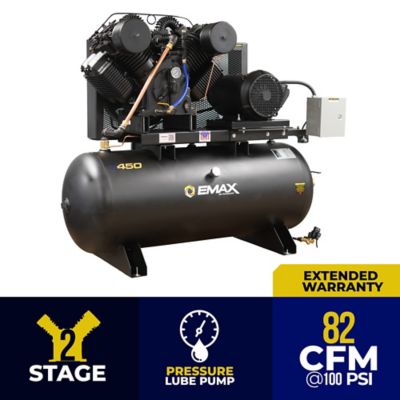
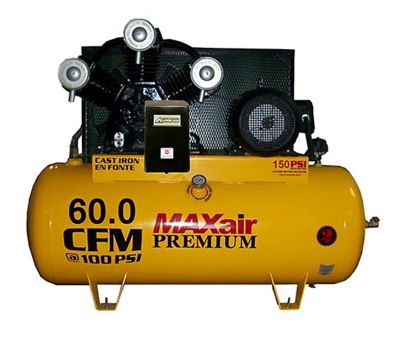
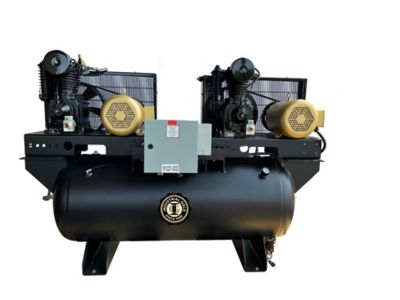
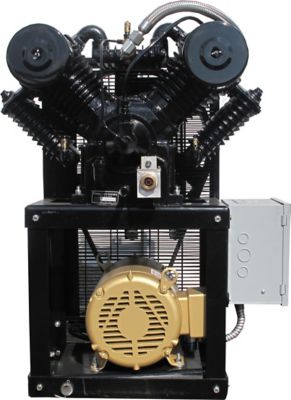
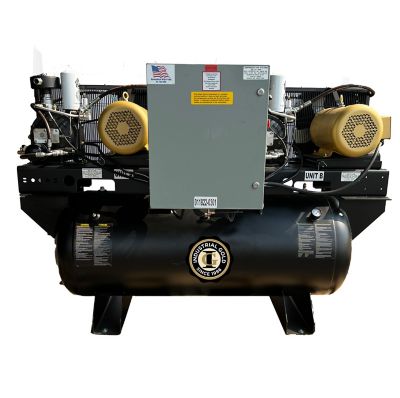
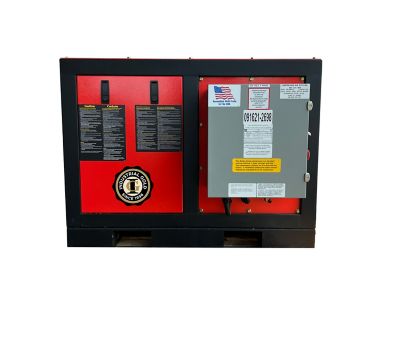
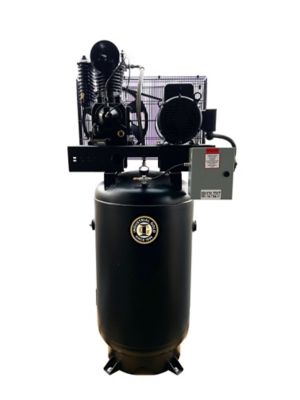
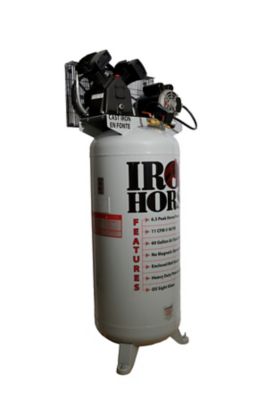
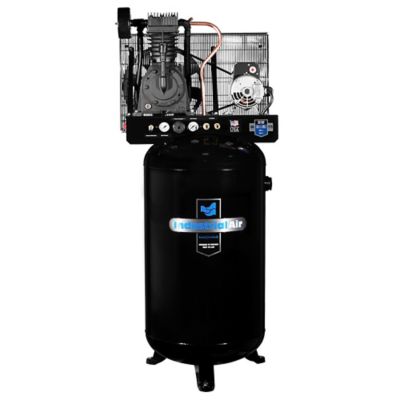
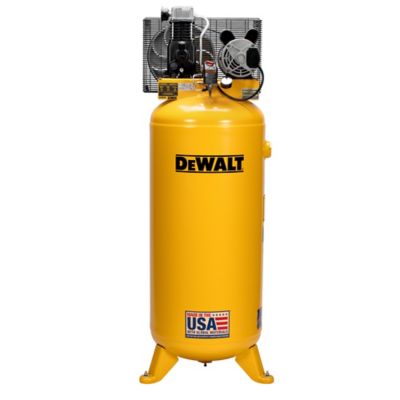
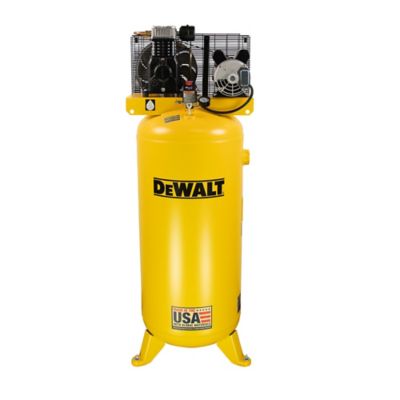
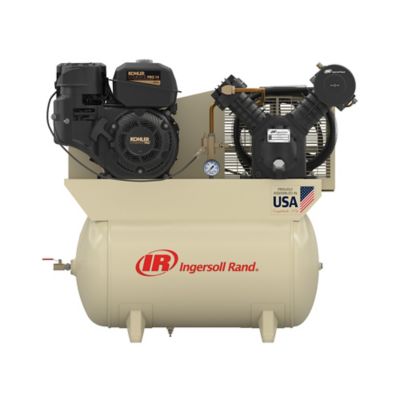
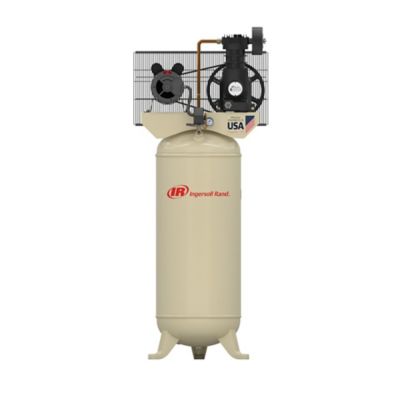
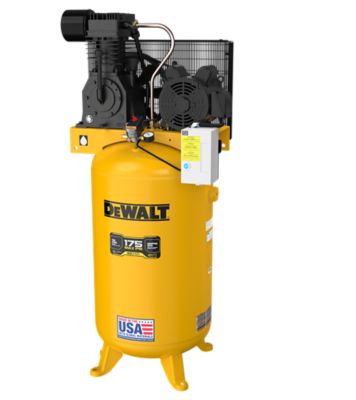
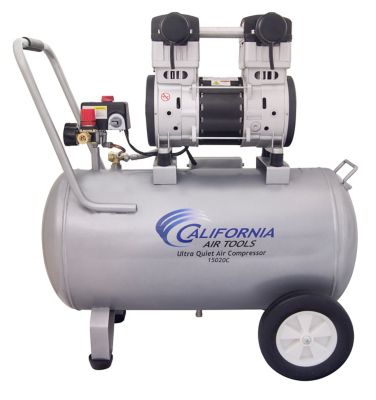
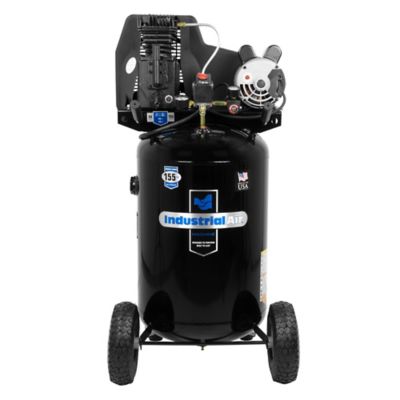
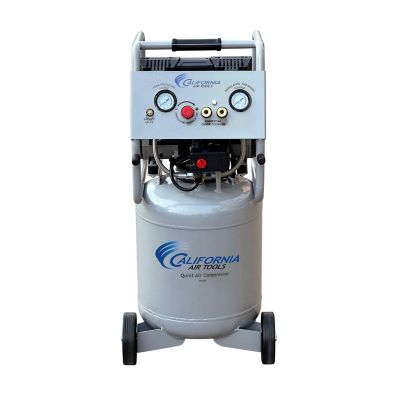
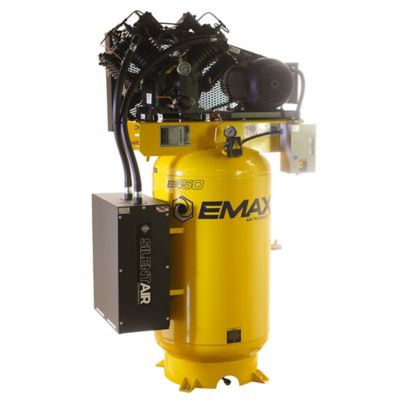
A 230V air compressor supplies compressed air for work that calls for more sustained airflow than a small household setup may provide, from turning stubborn fasteners on farm equipment to running pneumatic sanders in a busy shop. These electric compressors operate on a power supply matched to their motor’s voltage and phase requirements. The 230V designation describes the electrical requirement, not the amount of air the compressor delivers or the pressure it can produce. For day-to-day performance, delivered airflow, tank capacity, maximum pressure and duty cycle tell more of the story. Airflow is commonly listed in cubic feet per minute, or CFM, at a stated pressure; ratings at 90 pounds per square inch, or PSI, are helpful when comparing compressors for many shop tools. A compressor needs to meet the tool’s airflow requirement at its specified working pressure, with enough room for the actual workload. An impact wrench loosening a tractor wheel’s lug nuts takes air in short bursts, while a sander working across a large panel draws air much more steadily. Running two tools together adds another demand. Tank capacity provides stored air to help handle those bursts, but a larger tank cannot make up for a pump that delivers too little air during continuous work. Many stationary shop compressors have 60- or 80-gallon tanks, though capacities vary across the category. Single-stage and two-stage pump designs also serve different needs. A two-stage pump compresses air in successive stages and can support higher storage pressures, with some models rated up to 175 PSI. That higher tank pressure does not mean a connected tool should run at the same pressure; a regulator sets the working pressure within the tool manufacturer’s limits. Duty cycle matters just as much during longer jobs because it describes how much running time the compressor is designed to handle over a stated interval. Together, these specifications help match 230V air compressors to repair bays, woodworking spaces, equipment sheds and other work areas where air tools earn their keep.
The right fit starts with the shop’s electrical service and the space around the machine. A 230V compressor may require single-phase or three-phase power, and those requirements are not interchangeable just because the voltage matches. Many home garages and farm shops have single-phase service, while some commercial facilities have three-phase power. Motor nameplate information and the installation manual establish the supply requirements, including whether a particular compressor needs a hardwired connection or a specified cord-and-plug arrangement. A qualified electrician can verify service capacity and select the circuit protection, conductors, disconnect and grounding required for the installation. A nearby receptacle or an existing circuit is not enough to establish compatibility. Compared with a similarly powered 120V motor, a motor designed for 230V generally draws less current, but voltage alone does not establish energy consumption or compressor output. For smaller tasks where the electrical setup and airflow demand suit that category,
120V Air Compressors offer another option to consider. Physical fit deserves the same attention as electrical fit. A vertical receiver tank generally takes up less floor area than a horizontal tank of similar capacity, while overall height, service access and the manufacturer’s clearance requirements still matter. A stationary compressor needs a suitable supporting surface and any anchoring specified for that machine. Room around the pump, motor, belt guard and drain makes inspection and routine service easier, and ventilation helps carry away heat generated during operation. Noise also affects placement, especially where the compressor shares a wall with an office or sits beside a workbench. Access to the pressure switch, gauges and shutoff should stay clear rather than tucked behind stored equipment. Planning an air line route to the main work area can also keep hoses out of walkways and away from sharp edges. A compressor that fits the building, the power supply and the way work moves through the shop is easier to live with through a full day of repairs.
Construction and upkeep play a big part in how a 230V air compressor handles repeated shop work. Depending on the design, pumps may incorporate cast-iron cylinders, aluminum components or a combination of materials, while receiver tanks are commonly steel. Material names alone do not tell the whole story; pump design, motor protection, service access and the manufacturer’s operating limits all matter. Belt-driven arrangements can provide access to separately mounted pump and motor components, while direct-drive designs connect them without a belt. Oil-lubricated pumps require the specified lubricant and scheduled checks or changes, whereas oil-free designs have their own maintenance requirements rather than eliminating upkeep altogether. Clear access to the intake filter, oil sight glass where fitted, belt adjustment points and tank drain helps make those tasks part of the regular shop routine. Compressed air carries moisture, and condensation collects inside the receiver, so draining according to the manufacturer’s procedure helps limit internal corrosion and water moving into the air lines. Filters, separators and dryers address different needs downstream. A paint sprayer calls for clean, dry air, while some pneumatic tools also require lubrication according to their instructions; those requirements need a line arrangement that keeps oil away from finishing equipment. Hose diameter, line length, fittings and quick-connect couplers affect pressure loss between the tank and the tool. A strong airflow rating at the compressor will not overcome every restriction in a narrow hose or undersized fitting. On a farm, that difference can show up when an impact wrench struggles at the far end of the equipment shed even though the tank gauge shows plenty of pressure. In a woodworking shop, steady airflow and proper moisture control help keep sanding and finishing work moving without unnecessary interruptions. Regular checks for leaks, loose connections, damaged hoses and changes in pump sound help catch problems before the next long repair job. With a setup matched to the tools and care matched to the machine, a 230V air compressor becomes a practical part of the workspace, ready for equipment maintenance, fabrication and the everyday jobs that come through the shop door.