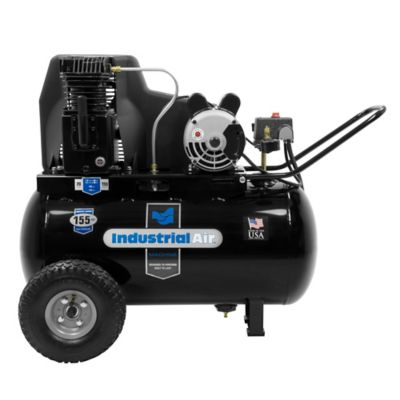
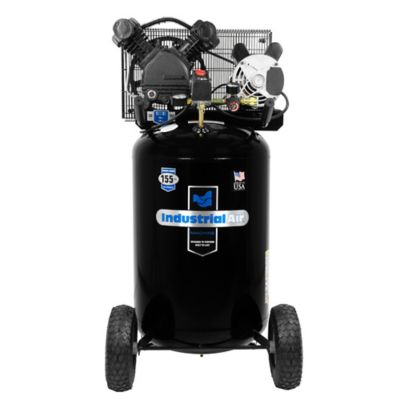
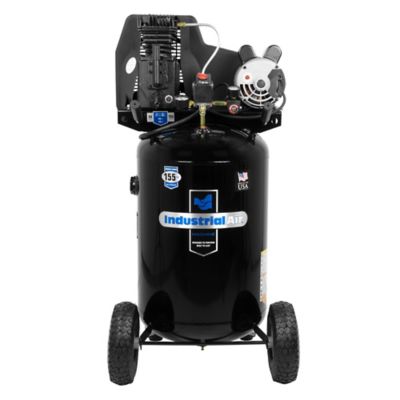
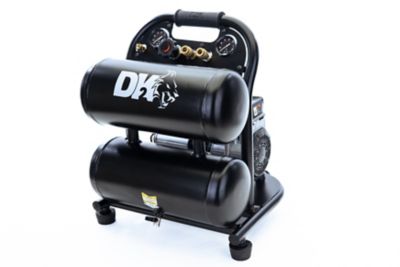
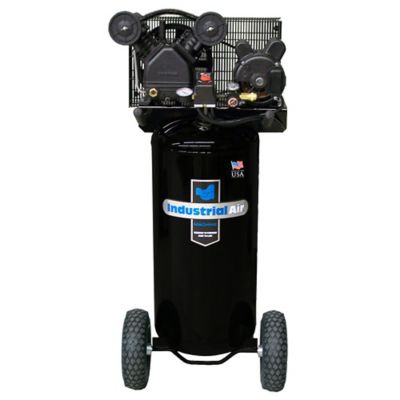
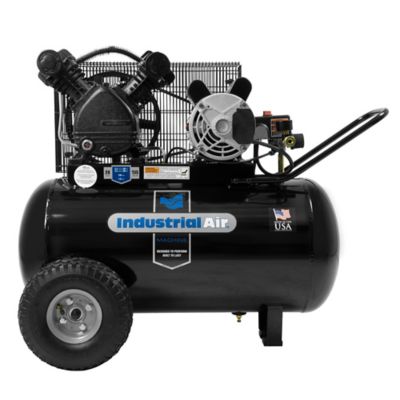
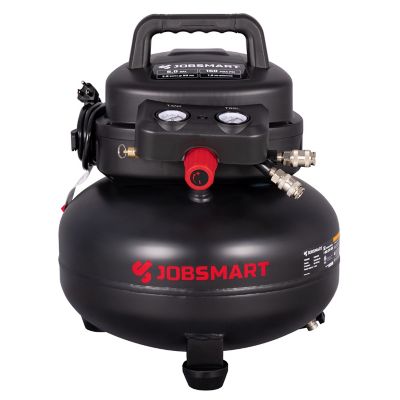
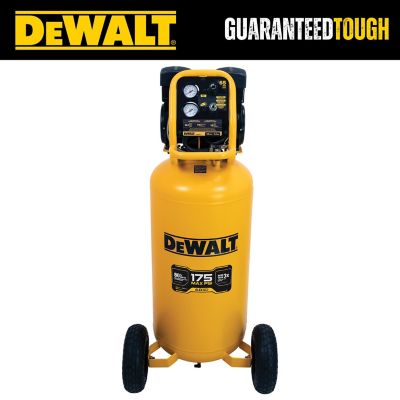
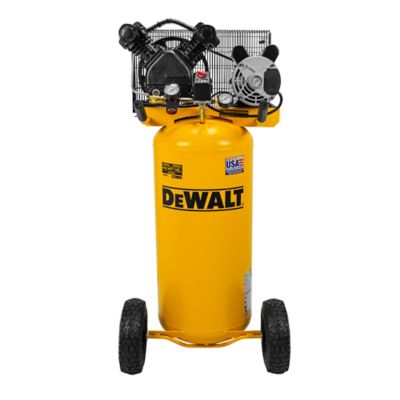
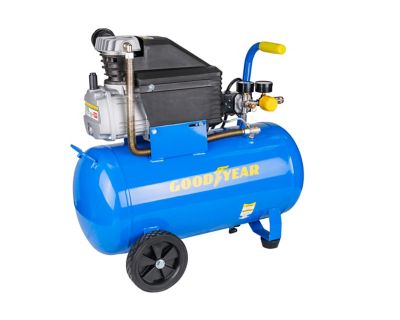
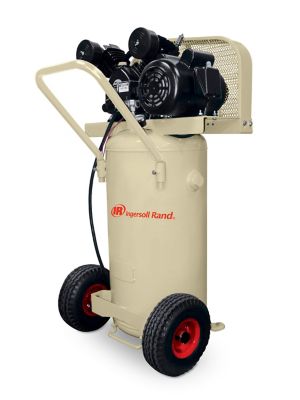
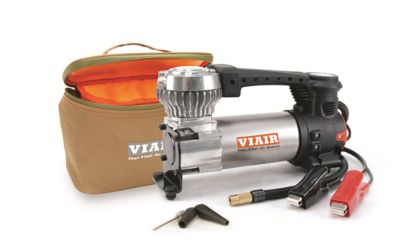
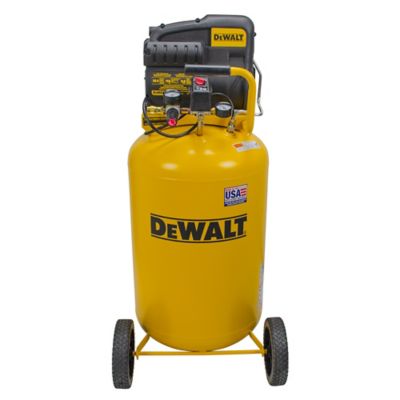
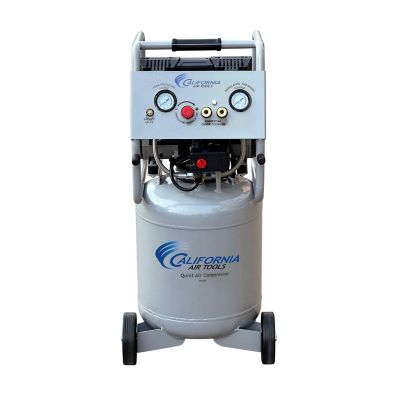
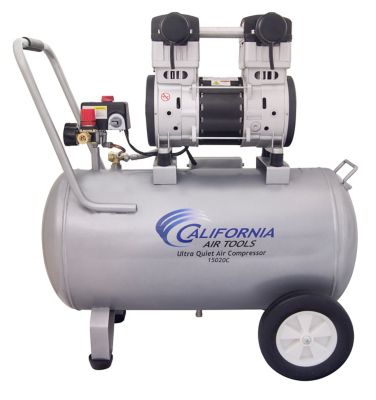
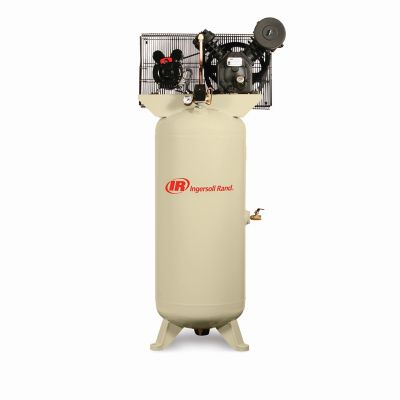
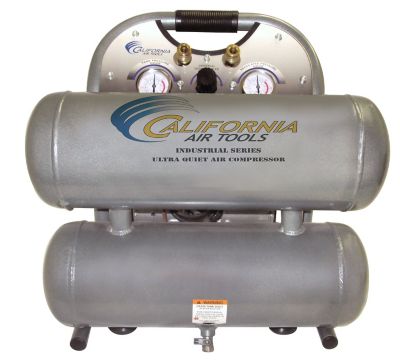
120V air compressors run on a 120-volt electrical supply and turn electricity into compressed air for tire inflation, nailers, staplers, and other pneumatic tools. Many plug into a standard grounded household outlet, provided the outlet and circuit meet the compressor’s electrical requirements. That makes them a practical fit for garages, home workshops, farm outbuildings, and small repair spaces with a suitable electrical connection. Portable models can travel between a workbench and a repair project, while stationary designs give a compressor a regular place in the shop. The right fit depends on the work happening at the end of the hose. Topping off a wheelbarrow tire or driving trim nails takes air in short bursts; running a sander, grinder, or paint sprayer can demand much more sustained airflow. Cubic feet per minute, or CFM, describes how much air a compressor delivers, and the pressure listed alongside that rating matters. A CFM rating at 90 PSI gives useful context for tools rated at that same pressure, while pounds per square inch, or PSI, describes air pressure rather than volume. Matching both figures to the tool’s requirements helps keep work moving without long pauses while the tank refills. Tank capacity, measured in gallons, provides a reserve of compressed air, but a larger tank does not automatically mean the pump can support continuous operation. Duty cycle also matters because it describes how much running time the compressor can handle within a given period under the manufacturer’s stated conditions. For someone fastening a few boards between measurements, intermittent output may fit the pace just fine. For a repair bench where an air tool runs repeatedly, airflow and recovery time deserve closer attention. Maximum pressure and horsepower tell only part of that story; delivered airflow at the working pressure is a better starting point for judging whether a 120-volt air compressor suits the job. Allowing some airflow capacity beyond the tool’s stated demand also leaves room for normal pressure losses through hoses and fittings.
The shape and construction of a 120V air compressor affect how comfortably it fits into everyday work. Compact tank designs can tuck beneath shelving or ride along to a small carpentry project, while wheeled units make more sense when the compressor needs to move around a garage without being carried. Handle placement, overall weight, wheel size, and the space needed to reach the drain valve all influence how manageable that movement feels. A tall tank can save floor space, but overhead clearance and a stable, level resting spot still matter. A wide base helps keep a smaller unit settled while the pump runs. Steel tanks are common, and protective finishes help shield exterior surfaces from scratches and corrosion, although tank care remains important regardless of the finish. Guards around belts or moving parts, protected gauges, and well-positioned controls can make a difference in a busy workspace where hoses, lumber, and equipment share the floor. Oil-free pumps generally require less routine pump lubrication, while oil-lubricated designs call for oil checks and changes according to the owner’s manual. Neither design removes the need for regular inspection. Noise is another practical consideration, especially in an attached garage or a shop where conversation needs to carry across the bench. Published sound ratings can help with comparisons when the measurement conditions are similar, and vibration-isolating feet can reduce movement against the floor. Connections deserve just as much attention as the tank and motor. Hose diameter and length affect pressure loss, and restrictive fittings can limit the air reaching a tool. Couplers must match the hose and tool connections, while regulators help set the delivery pressure for each task. Easy-to-read gauges make it simpler to check tank pressure and regulated outlet pressure separately. For finishing work, suitable moisture separation or filtration may also be necessary; compressed air straight from the tank is not automatically ready for every application. Keeping these parts matched helps a compressor serve the work rather than making each task a round of changing fittings.
A sensible setup gives a 120-volt air compressor room to work and makes routine care easier to keep up with. The electrical circuit must support the motor’s running and startup demands, along with any other load on that circuit. A matching plug alone does not confirm that the circuit is suitable. Manufacturer instructions determine whether a dedicated circuit is necessary and whether an extension cord is permitted. When practical and allowed by the manufacturer, a properly sized air hose can provide working reach without extending the electrical connection. The compressor also needs the ventilation clearance specified in its manual, with the intake away from heavy dust and debris. Moisture collects inside air tanks as compressed air cools, so draining the tank at the recommended intervals is an important part of limiting internal corrosion. Accessible drains make that task less awkward, particularly when the compressor sits near a wall or beneath a bench. Hoses, couplers, guards, and power cords need regular checks for damage, and a tank with serious rust or other damage needs evaluation rather than a patch or improvised repair. Pressure must be released as directed before disconnecting or servicing components, and the safety relief valve should never be blocked or altered. Eye protection and appropriate hearing protection belong alongside pneumatic work, and compressed air should never be directed at skin or clothing. Tire inflation calls for the pressure specified by the tire or equipment manufacturer, not the compressor’s maximum setting. For work that exceeds the output of a suitable 120-volt setup,
220V air compressors offer another category to compare, with electrical requirements that may call for a different circuit and professional installation. Voltage alone does not establish airflow, so tool demand, CFM, pressure, and duty cycle still matter. From a homeowner handling small repairs to a farmer keeping shop equipment ready for the next chore, a well-matched compressor provides a handy source of air without taking over the whole workspace.