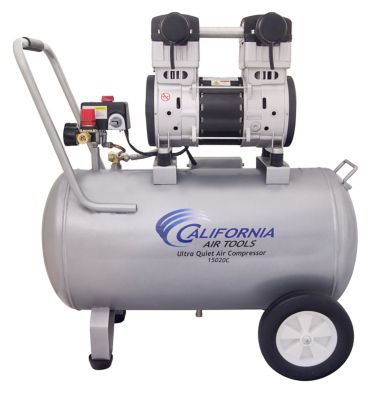
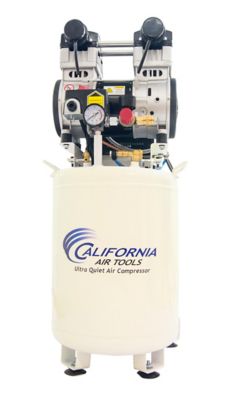
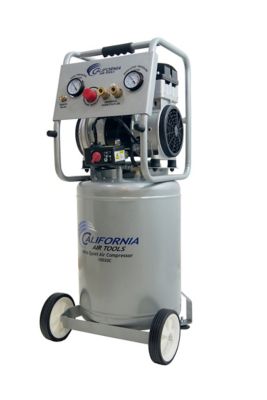
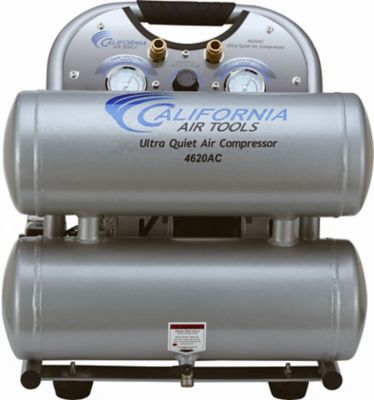
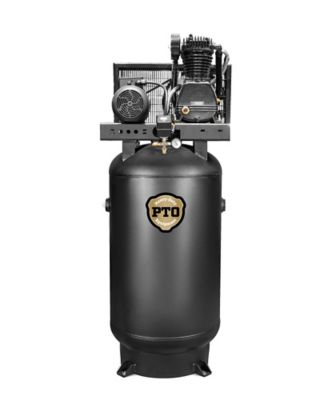
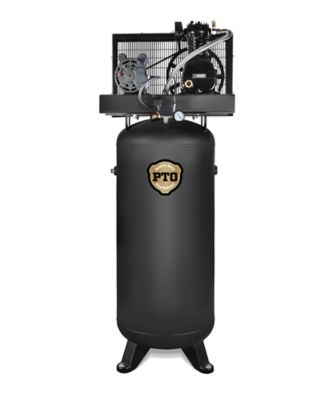
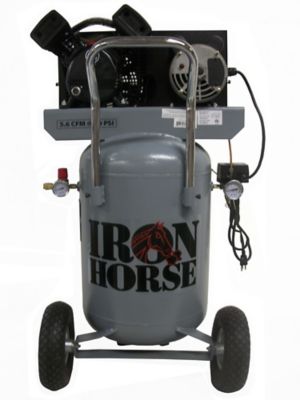
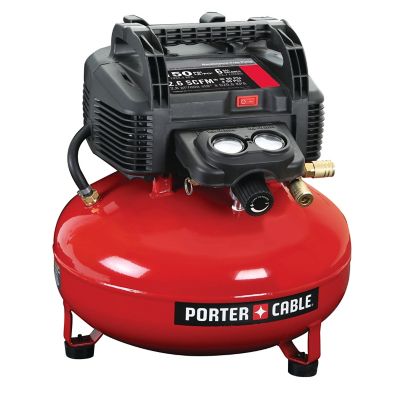
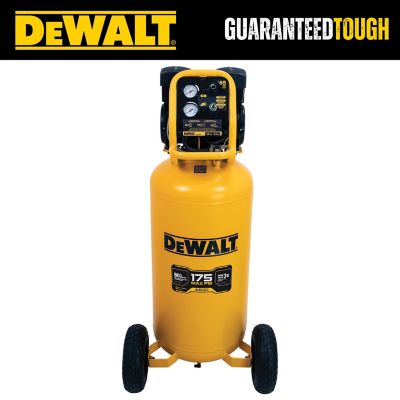
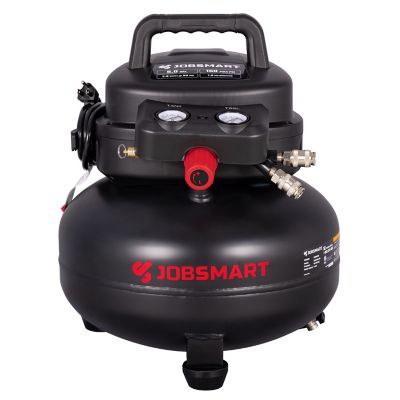
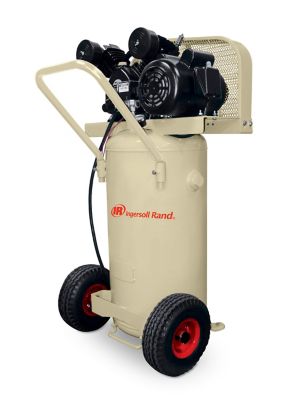
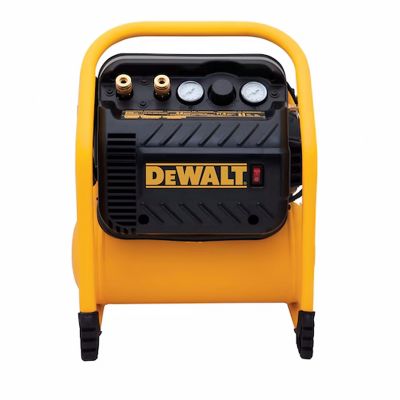
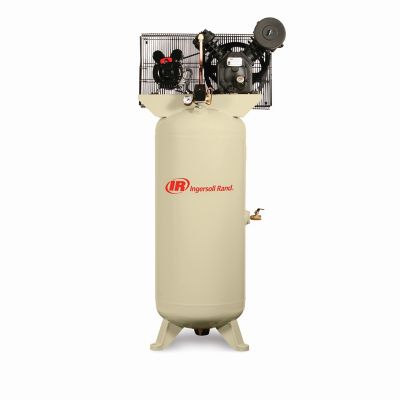
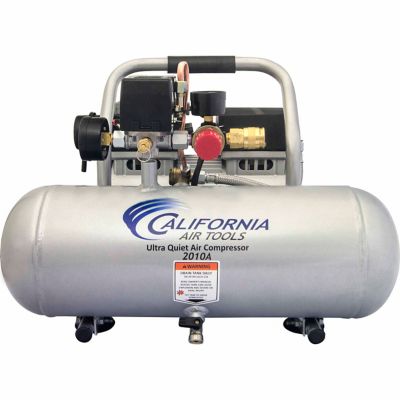
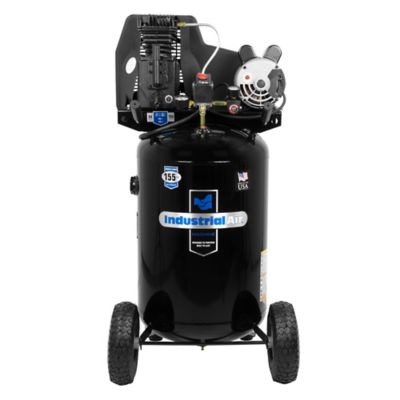
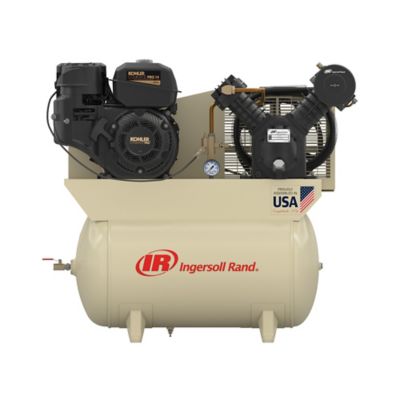
A 220V air compressor is built for work that calls for more power, faster recovery and longer run times than many standard household units can provide. These electric compressors draw power from a 220V or 240V source and are often found in farm shops, garages, barns, maintenance buildings and small commercial workspaces. They can support air tools such as impact wrenches, grinders, sanders, spray equipment, blow guns and tire inflators, making them a practical addition wherever repairs and upkeep are part of the routine. A tractor, trailer or livestock gate project may start with a simple fastener and turn into an afternoon of work, and having a steady supply of compressed air can keep the job moving without repeated trips to a smaller portable unit. Before choosing a compressor, think through the tools you plan to run and how often they will operate. Impact wrenches may work in short bursts, while sanders, grinders and spray guns can draw air continuously. Check each tool’s cubic feet per minute, or CFM, requirement and compare it with the compressor’s delivered CFM rating at the pressure you need. A higher CFM rating gives the compressor more breathing room when several tools run during the same project. Maximum pressure, listed in pounds per square inch or PSI, also matters, though a higher PSI number alone does not tell the whole story. Match the pressure range to your tools, then give priority to the airflow rating and duty cycle for equipment that will run for extended periods.
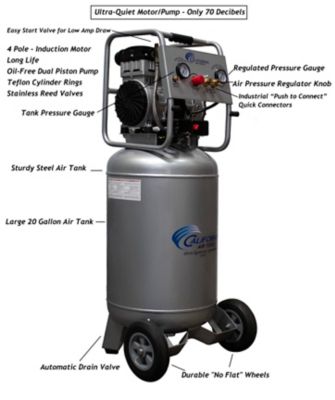
Tank size is another important part of the buying decision. A smaller tank can suit light fastening, inflation and occasional blow-off work, while a larger receiver tank stores more compressed air and can help reduce how often the motor starts during demanding tasks. Larger tanks also take more floor space and may need a firm, level base, so measure the doorway, work area and available clearance before bringing one home. Portable models can be useful when air is needed in different parts of a barn, shop or property, while stationary models make sense when the compressor will stay near a workbench or service bay. Oil-free designs generally simplify routine upkeep, while oil-lubricated pumps may call for regular oil checks and changes according to the manufacturer’s instructions. Pay attention to noise ratings if the compressor will sit near a home, office or animal area, and look for accessible drain valves, pressure gauges, regulator controls and hose connections that fit the tools already in your shop. During the cooler months, condensation can collect inside the tank and air lines, especially when equipment moves between warm and cold spaces. Drain the tank after operation, keep the air intake clear and store hoses where they will not be stepped on, pinched or exposed to sharp edges. A compressor can make a thoughtful gift for a farmer, rancher, mechanic, woodworker or homeowner who spends weekends taking care of equipment, building projects and property repairs. For lighter household needs, shoppers may also want to compare
120V Air Compressors before settling on a higher-powered setup.
Electrical planning deserves careful attention before installation. Most 220V residential compressors need a dedicated 220V or 240V circuit with the correct breaker, disconnect and wire size for the compressor’s amp draw and the distance from the main electrical panel. A longer wire run may require a larger gauge to help manage voltage drop, and the exact requirements vary by the motor, circuit length and local code. Single-phase equipment is commonly suited to many homes and small shops, while three-phase compressors are generally intended for commercial or industrial electrical systems. A three-phase model should not be connected to a standard residential outlet without the proper electrical equipment, such as an approved phase converter or variable frequency drive when appropriate. Have a licensed electrician review the setup, install the circuit and verify that the outlet, grounding and protection devices match the compressor specifications. Once the system is in place, allow the pump to reach operating pressure before connecting air tools, and set the regulator to the pressure recommended for each tool. Keep hands, clothing and hair away from moving belts and pulleys, wear eye and hearing protection, and never point compressed air at people or animals. Inspect hoses, fittings and safety valves for wear, leaks or damage, and replace parts that show trouble instead of trying to patch them for another round of work. A well-planned 220V air compressor setup can serve a busy farm shop, a home garage or a service area through changing seasons, from airing up trailer tires as the weather warms to handling repair work when colder days send projects indoors. Choosing the right phase, tank capacity, CFM, PSI, noise level and electrical arrangement helps ensure the compressor fits the space and supports the tools that matter most.