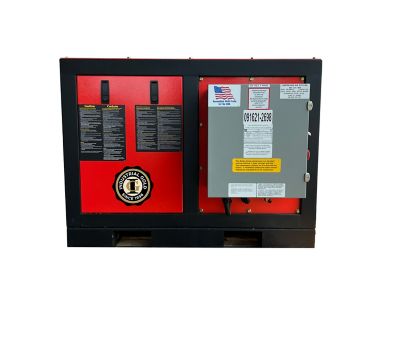
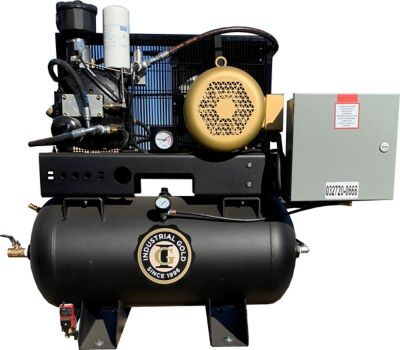
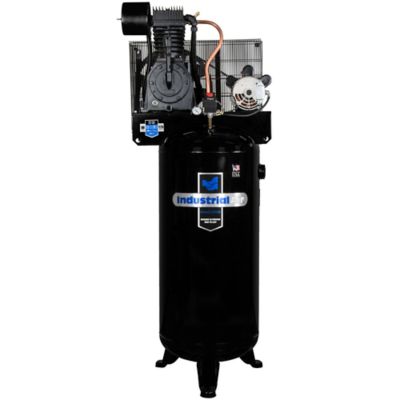
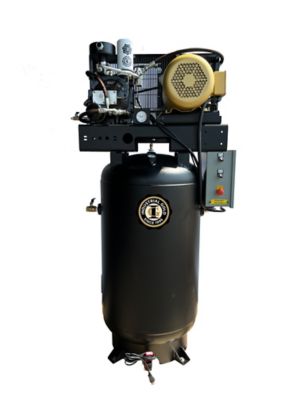
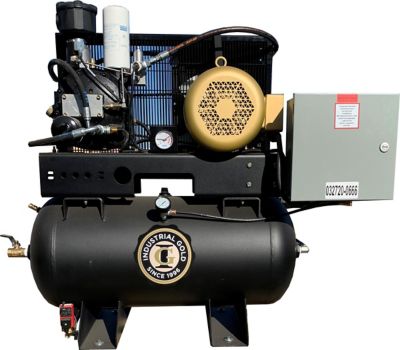
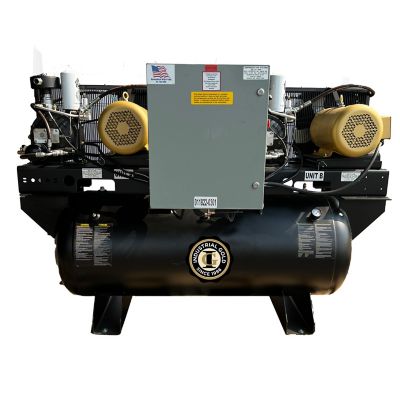
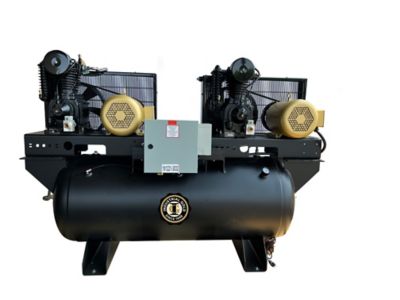
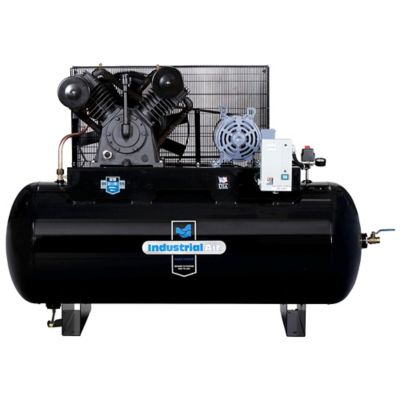
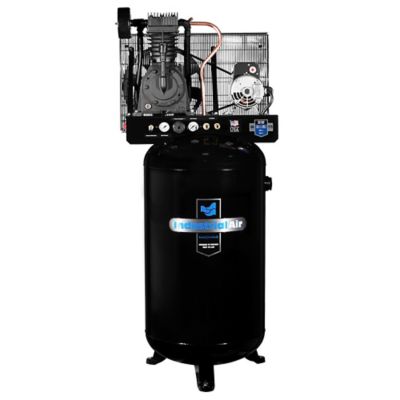
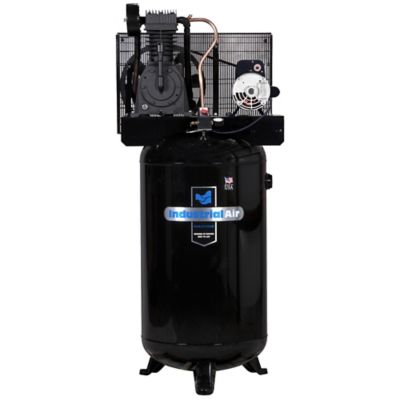
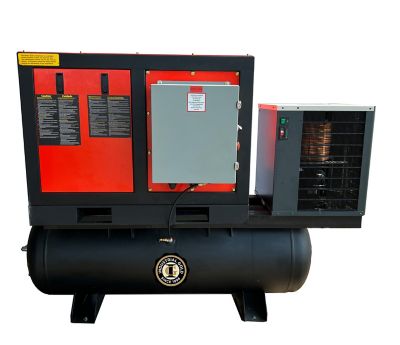
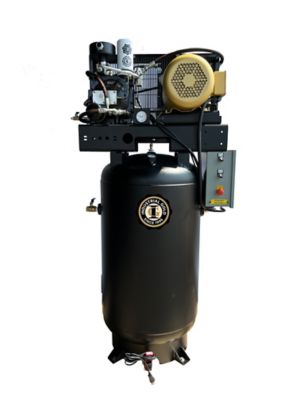
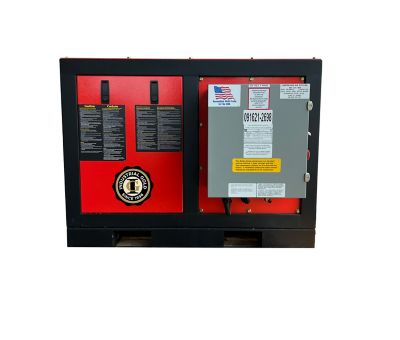
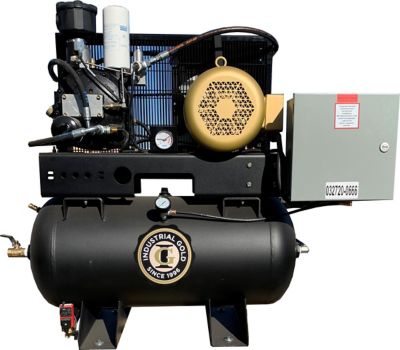
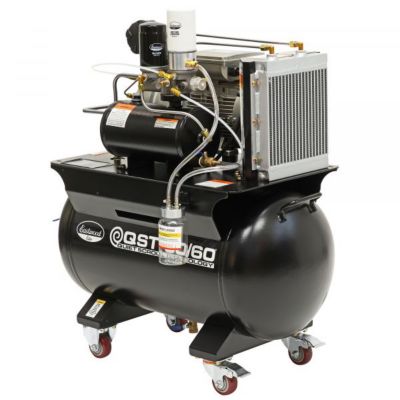
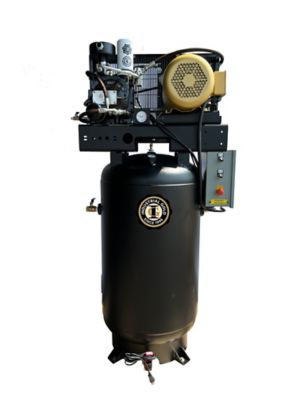
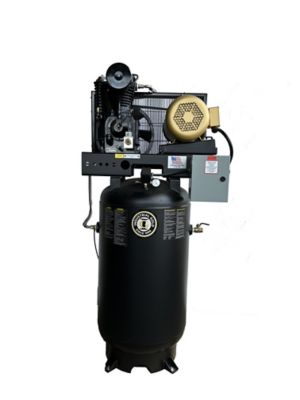
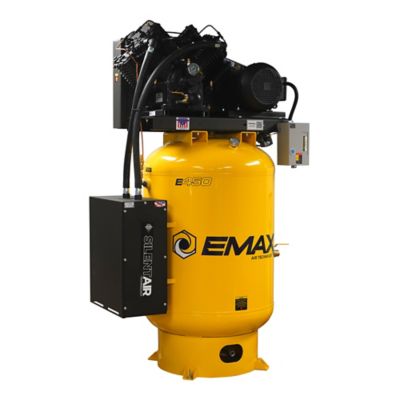
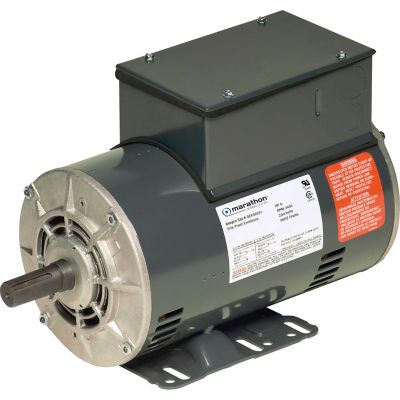
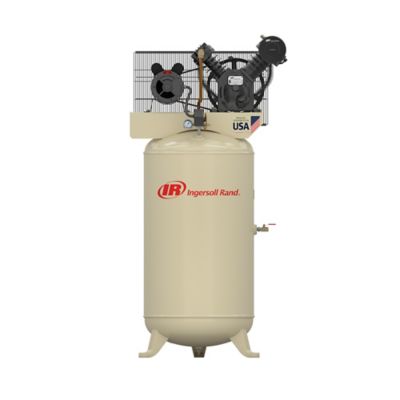
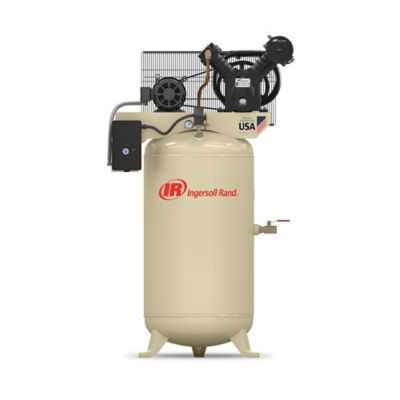
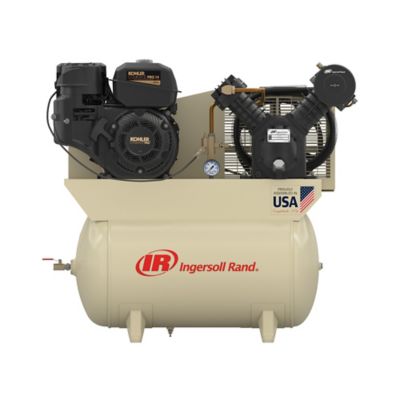
Three phase air compressors are built for demanding work where a steady supply of compressed air matters day after day. Instead of relying on the alternating current used by many household tools, these compressors run on three phase electrical power, commonly found in commercial shops, farm operations, manufacturing buildings and larger garages. The three-phase design delivers smooth motor operation, helps reduce electrical stress and can draw lower amperage per horsepower than a comparable single-phase setup. That makes it a practical choice for high-horsepower equipment and long work cycles, especially when air tools are running through a busy day of repairs, fabrication or production. A three phase air compressor may power impact wrenches, ratchets, grinders, drills, spray equipment, tire machines and other pneumatic tools, giving a shop the dependable air supply it needs without stopping every few minutes for the tank to recover. In a rural shop, that steady airflow can make a real difference when servicing tractors, changing heavy equipment tires or cleaning dust and chaff from hard-to-reach places. In an auto or metalworking shop, it can keep several tasks moving while the compressor runs in the background. Many units are designed for frequent or continuous duty, though the exact duty cycle, horsepower and operating requirements vary by compressor type and construction.
Before choosing among 3 phase air compressors, start with the electrical service available at the intended installation site. Common voltage ratings include 208V, 230V and 460V, with 480V systems also used in some large facilities. Voltage and phase requirements need to match the building’s electrical service, and the wiring, disconnect, breaker and motor protection should be planned with a qualified electrician. A compressor made for three phase power is not automatically ready to run from a standard residential outlet. Homes and smaller outbuildings often have single-phase service, so installing a large three phase unit may require a properly sized rotary phase converter or variable frequency drive. Those solutions can add substantial cost and may affect motor performance, controls and warranty requirements, so it pays to confirm the electrical setup before bringing a compressor home. Shoppers comparing three phase models with other options may also want to review
220V Air Compressors when the available service or shop layout points toward a different electrical configuration. A licensed professional can verify the available voltage, phase, wire sizing and startup amperage rather than relying on a panel label or an old extension cord. Keep in mind that a compressor motor can draw considerably more current during startup, and long wire runs may require additional planning. Never attempt to adapt a high-horsepower compressor with makeshift wiring, undersized cords or an improvised converter.
Air demand is the next big piece of the decision. Check the required cubic feet per minute, or CFM, for each air tool and compare that number with the compressor’s delivered CFM at the working pressure, not just the tank size or advertised peak figure. PSI tells you the pressure available for the job, while CFM tells you how much air the compressor can provide over time. A framing nailer or blow gun may need short bursts, while a die grinder, sandblaster or paint sprayer can use air continuously and place a much heavier load on the compressor. If multiple tools may run at once, add their air requirements and leave a little breathing room so the motor is not forced to run at its limit all day. Reciprocating, or piston, compressors are a familiar choice for repair shops and farm workshops because they are straightforward, powerful and well suited to intermittent or moderate-duty use. Rotary screw compressors are often selected for facilities that need a large, consistent volume of air across extended production periods. Tank capacity, pump speed, recovery time and the rated duty cycle all deserve a close look alongside horsepower. A larger tank can help handle short bursts and reduce frequent cycling, but it does not replace adequate CFM for continuous-use tools. Installation space matters, too. Leave room around the compressor for ventilation, belt or filter service and safe access to drains and controls. A level, solid surface helps limit vibration, while rubber isolation pads can help reduce noise and movement. In cooler months, condensation can collect inside the tank and air lines, so regular draining is important; a moisture separator, air dryer and suitable filtration may be needed for painting, clean air tools or other jobs where water and oil would cause trouble. Check oil levels when the compressor requires lubrication, inspect belts and fittings, listen for unusual vibration and follow the service schedule in the owner’s manual. With the right electrical service, air capacity and maintenance plan, a three phase compressor can become the steady heartbeat of a hardworking shop, keeping tools ready through equipment repairs, building projects and long days at the workbench.