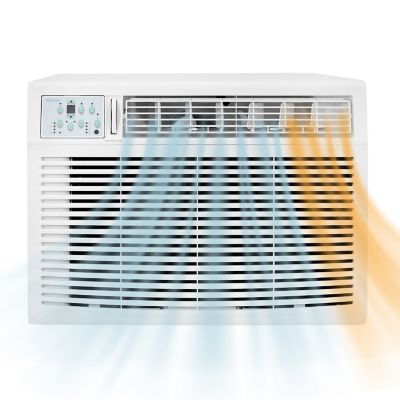
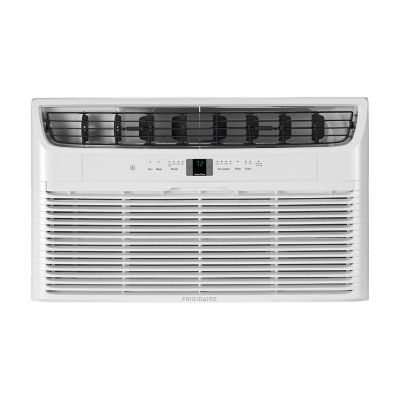
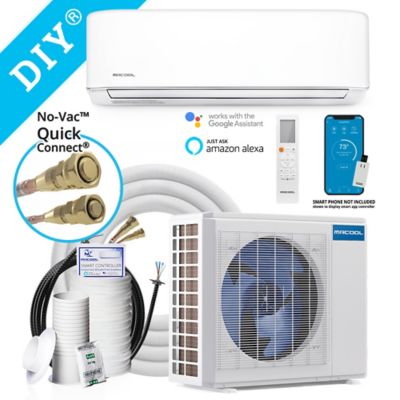
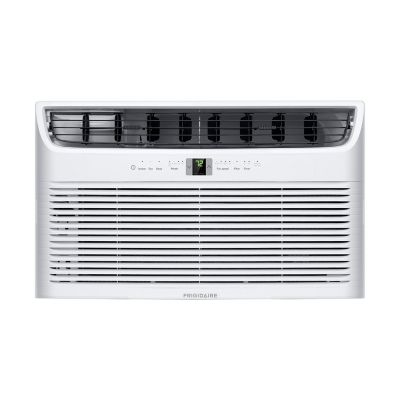
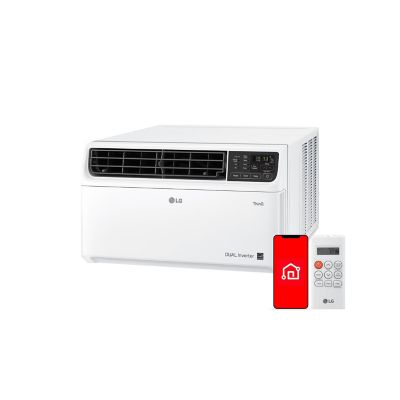
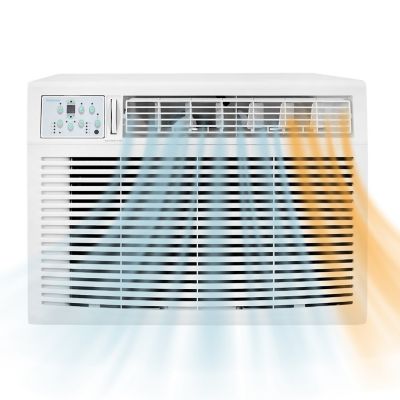
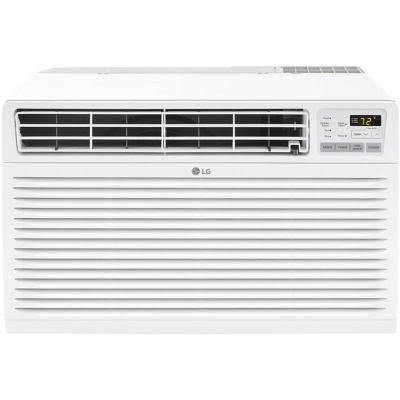
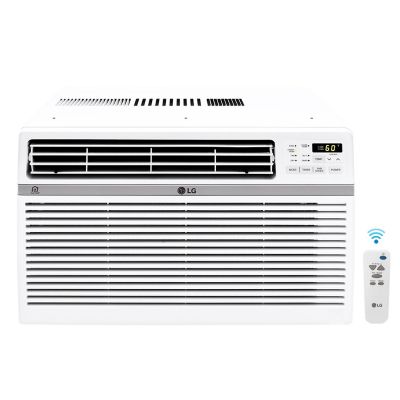
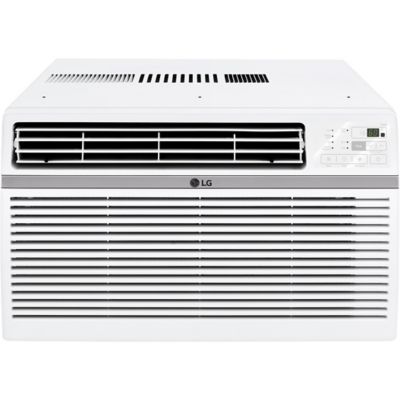
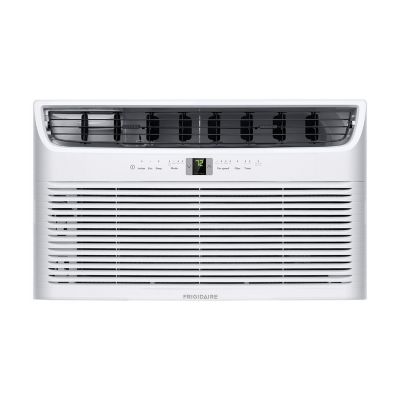
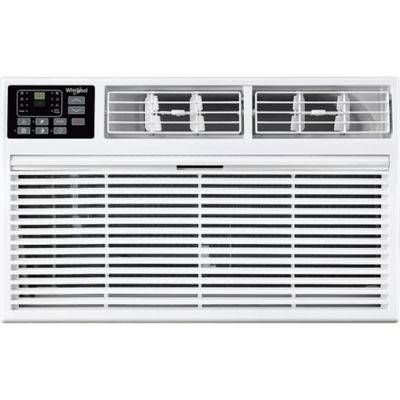
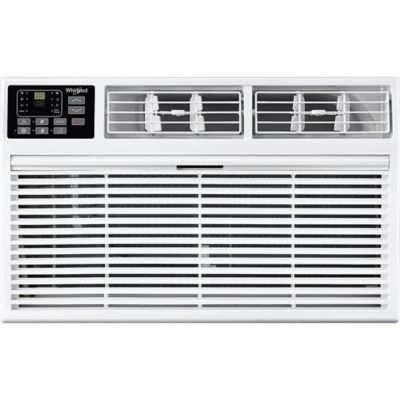
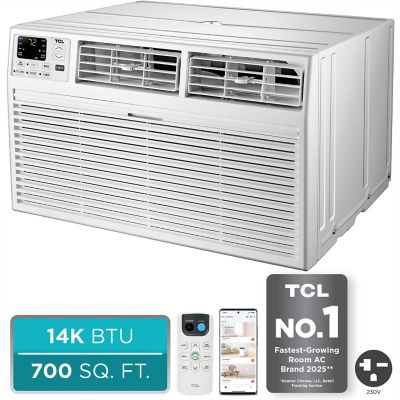
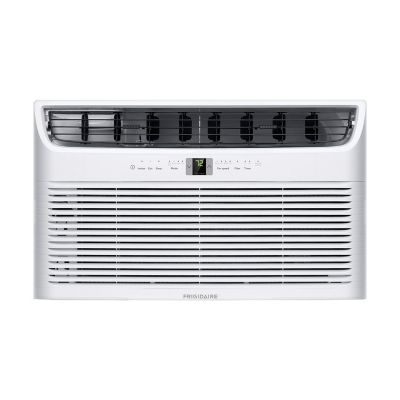
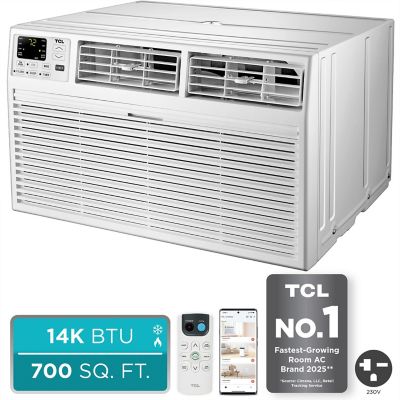
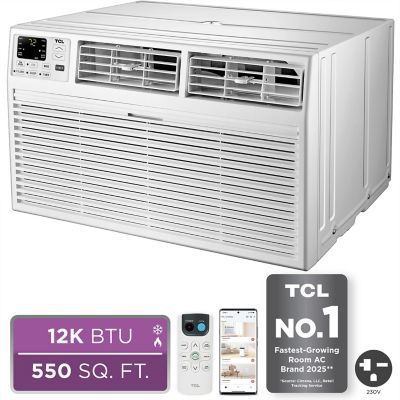
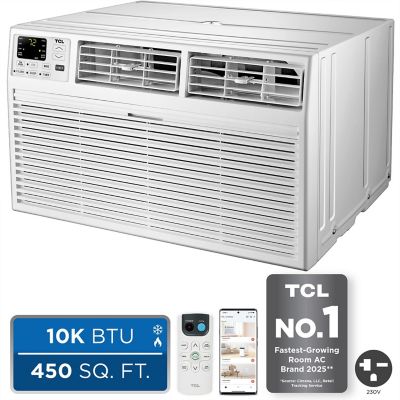
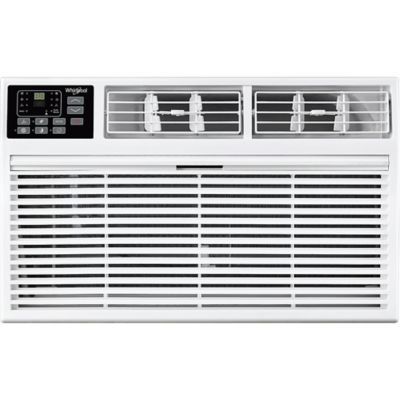
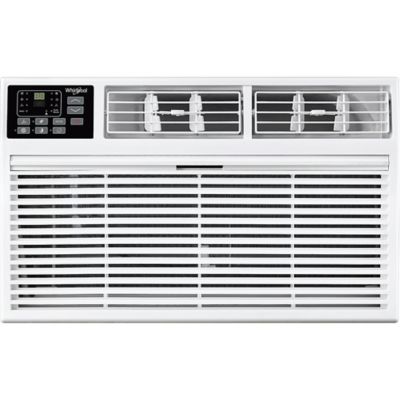
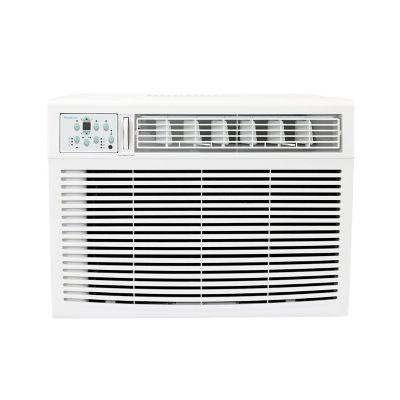
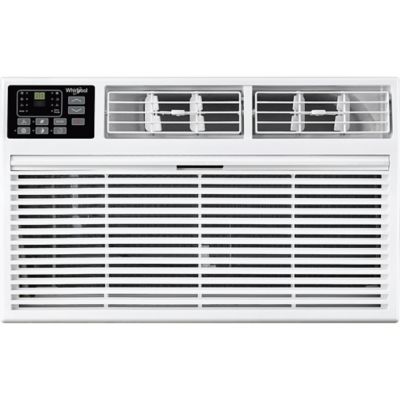
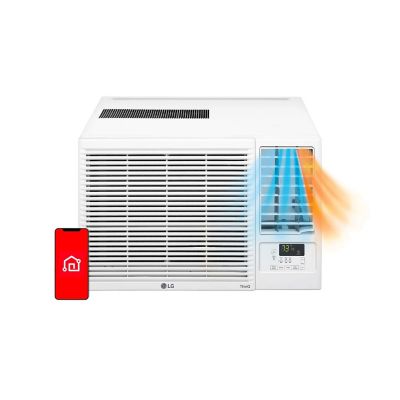
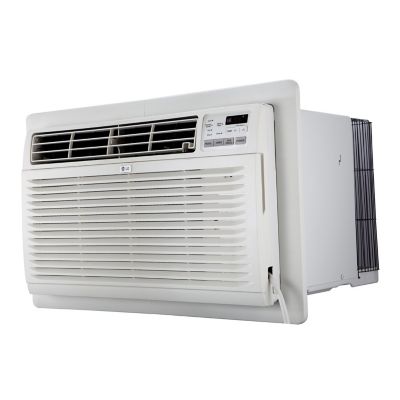
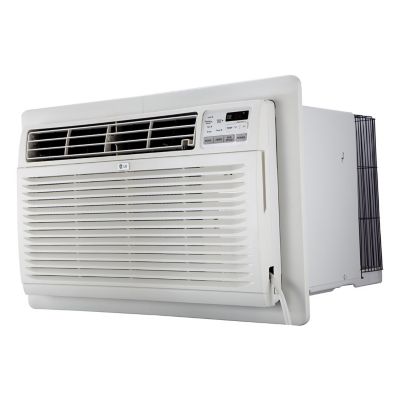
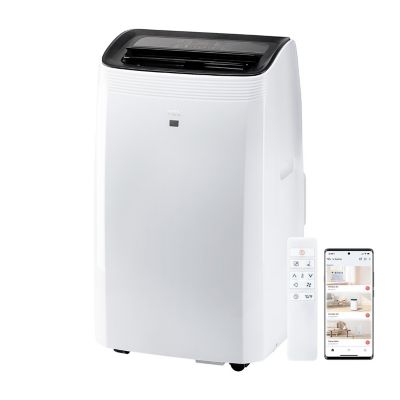
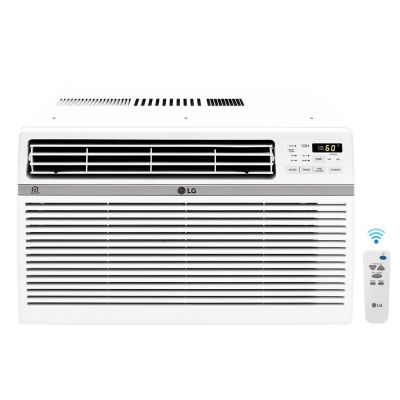
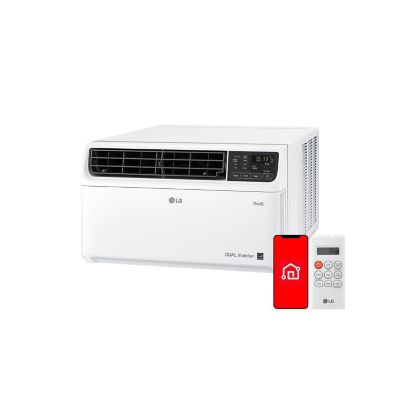
230 V air conditioners are built for cooling spaces where a standard household outlet and smaller portable unit may not be enough. They are a practical choice for large bedrooms, living rooms, enclosed porches, workshops, farm offices, cabins, garages, and open-concept areas that tend to hold heat. Many models in this category are made to cool several hundred square feet, though the right capacity depends on more than floor area alone. A sunny room with broad windows, high ceilings, poor insulation, or frequent foot traffic may need more cooling power than a shaded, well-insulated room of the same size. Measure the space before shopping, and pay attention to the unit’s listed coverage area and cooling capacity. An air conditioner that is too small may run almost nonstop without making the room comfortable, while an oversized unit can cycle too quickly and leave the air feeling damp. A 230 V air conditioner can be especially useful in an older farmhouse addition, a finished outbuilding, or a large room where heat builds up under a metal roof. It can also help keep a home office, guest room, hobby space, or tack-room work area more pleasant when the weather warms. Some models include adjustable fan speeds, programmable timers, remote controls, air filters, and Wi-Fi or voice-control features, which can make it easier to manage comfort from across the room or before heading in from outdoor chores. If you are choosing one as a practical housewarming gift, a thoughtful upgrade for a family member, or a useful addition to a hunting cabin or workshop, consider the recipient’s room size, electrical setup, and installation plans rather than choosing by appearance alone.
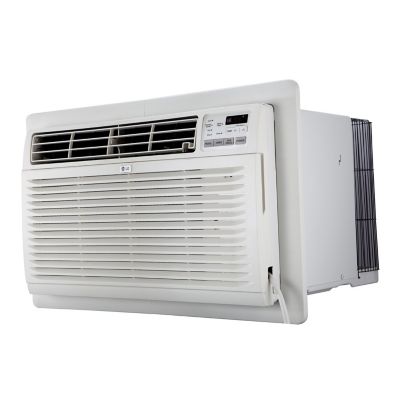
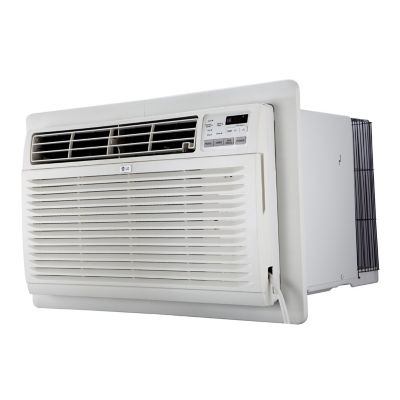
Before buying, confirm the electrical requirements and installation location. A 230 V or 240 V air conditioner generally needs a dedicated, higher-amperage circuit and the correct NEMA receptacle, such as a NEMA 6-20 outlet, depending on the model. These units will not plug into a standard 115 V household outlet, and using an adapter or extension cord that is not rated for the load can create a serious safety hazard. Check the product specifications, look at the plug configuration, and have a qualified electrician install a new circuit if the proper outlet is not already in place. This is especially important in older homes, detached garages, barns, and rural properties where the electrical service may have been changed or expanded over the years. Window-mounted 230 V air conditioners are often a good fit when you want a seasonal setup that can be removed or stored during cooler weather. Make sure the window is wide and strong enough for the unit, and use the included side panels, support hardware, and weather seals to limit drafts and keep rain out. A through-the-wall model can offer a cleaner, more permanent solution for a finished room, but the wall opening must match the required dimensions and the installation should provide proper support, drainage, and weatherproofing. Not every window air conditioner can be installed through a wall, so check whether the chassis and ventilation design are approved for that type of installation. Before putting the unit in service, inspect the mounting area, confirm that outdoor air can move freely around the back, and keep curtains, furniture, storage boxes, and other items away from the air intake and discharge.
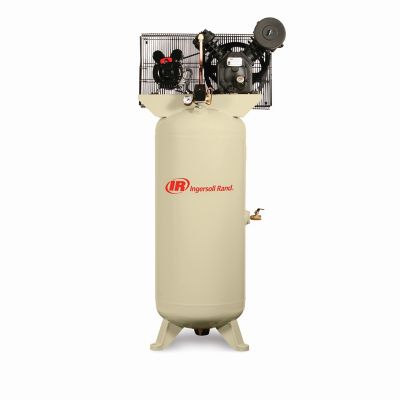
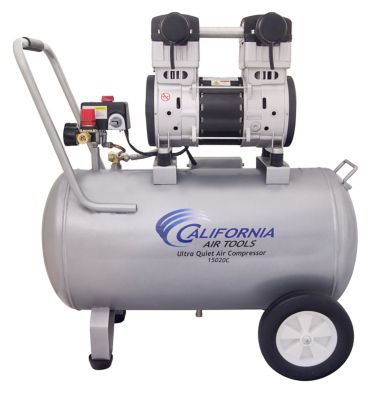
Daily care helps a 230 V air conditioner cool reliably through long stretches of warm weather and makes it easier to put away when the seasons change. Clean or replace the filter according to the manufacturer’s instructions, since a clogged filter makes the unit work harder and can reduce airflow. Dust the front grille, check the drain area for blockage, and look over the window seal or wall sleeve for gaps that could let outside air and moisture inside. In a dusty workshop, shed, or home near gravel roads and fields, filters may need attention more often than they would in a closed living room. Keep grass clippings, leaves, sawdust, and animal bedding away from the outdoor portion of the unit, and never cover the vents while the air conditioner is running. During cooler months, clean and dry a removable window unit before storing it in a protected place, or follow the manufacturer’s directions for leaving a through-the-wall model installed. If the room also needs warmth during colder weather, look for an air conditioner with a built-in heating function, while keeping in mind that heating performance and operating requirements vary by model. Units with energy-saving modes, programmable controls, and adjustable thermostats can help manage operating costs, but insulation, shade, and sealed doors and windows make a difference too. For people comparing equipment for a shop or outbuilding, remember that an air conditioner is designed to cool and dehumidify living or work spaces, while
220V Air Compressors are intended for powering pneumatic tools and handling compressed-air jobs. Taking a careful look at the room, outlet, mounting style, maintenance needs, and desired features will help you choose 230 V air conditioning equipment that fits comfortably into the way your home, farm, or workshop is used.