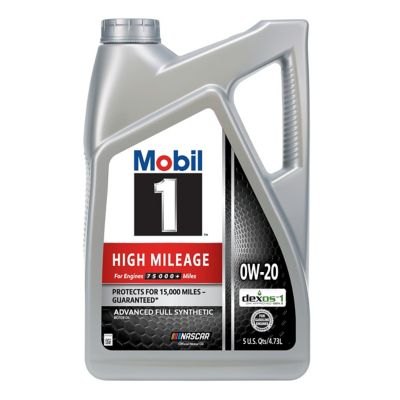
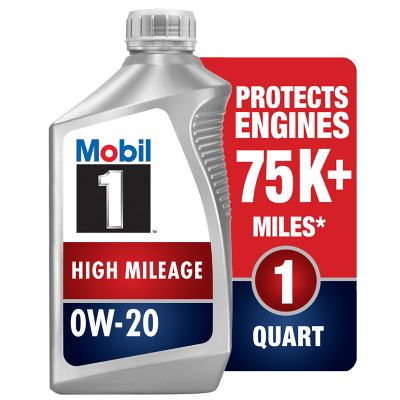
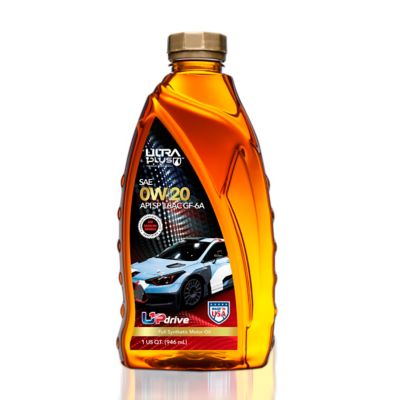
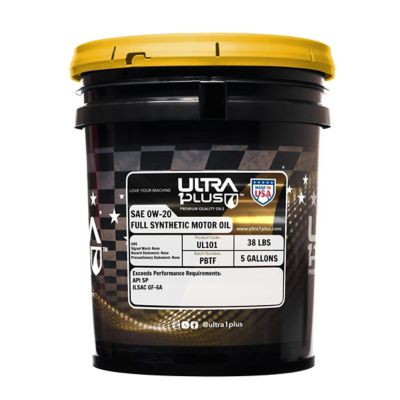
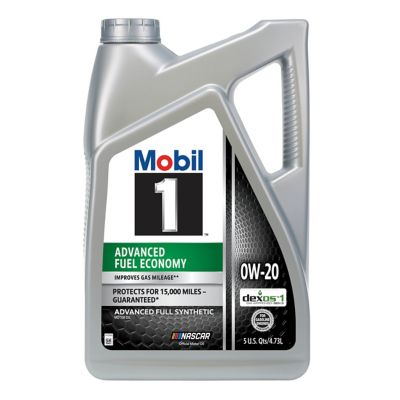
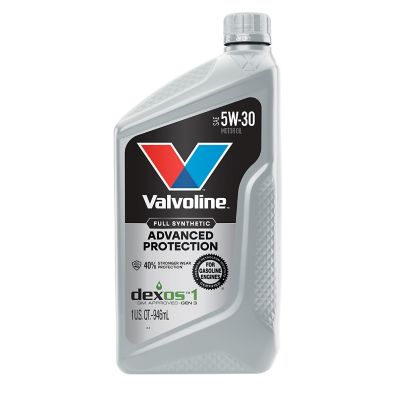
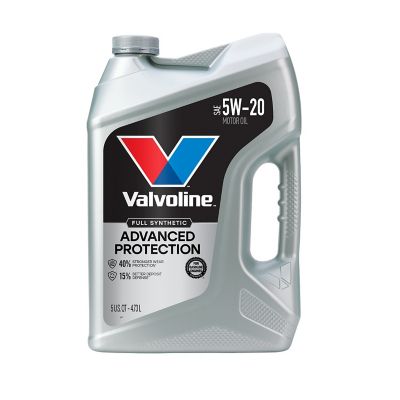
0W-20 oil is a low-viscosity, multigrade motor oil specified for many modern gasoline engines, including those in certain cars, SUVs, light-duty pickups, and hybrids. It helps lubricate moving parts, carry heat away from working surfaces, and limit deposits while supporting the engine’s intended fuel efficiency. The two numbers describe different aspects of its viscosity performance: the “0W” identifies its winter grade, based on standardized cold-cranking and pumping tests, while the “20” identifies its viscosity grade at high temperatures. The W stands for winter, not weight, and the zero does not mean the oil has no thickness. A 0W grade meets cold-temperature requirements at lower test temperatures than a 5W grade, which matters when an engine has sat overnight in a chilly driveway or an unheated shed. The 20 grade includes a viscosity measurement at 212°F, although actual oil temperatures vary with the engine and its workload. Together, those ratings describe an oil that can circulate in cold conditions and maintain the viscosity range specified for an engine designed around it. Many 0W-20 motor oils are full synthetic, but the viscosity designation alone does not establish the base-oil formulation or overall performance. That information belongs on the product label, along with its service classifications and manufacturer approvals. For shoppers, the most important match is the one between the bottle and the vehicle’s owner’s manual. A thinner oil is not automatically better for every engine, and a thicker oil is not automatically more protective. When 0W-20 is the specified grade, its lower viscosity can help reduce internal resistance and support fuel economy without requiring a switch to a heavier grade simply because the vehicle works hard. Picture the everyday routine of starting up before daylight, heading down a gravel lane, and making the trip into town: the right oil needs to suit both that first cold crank and the miles that follow. That makes the required viscosity and performance specifications a better starting point than a broad promise on the front of a jug.
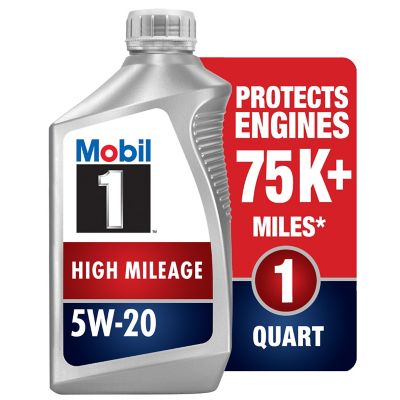
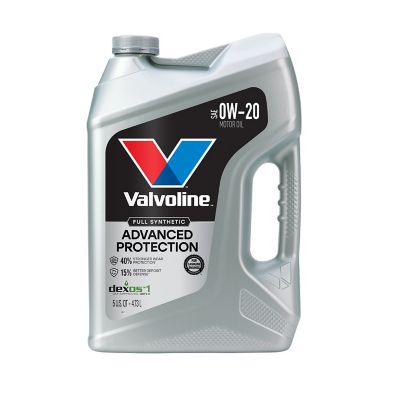
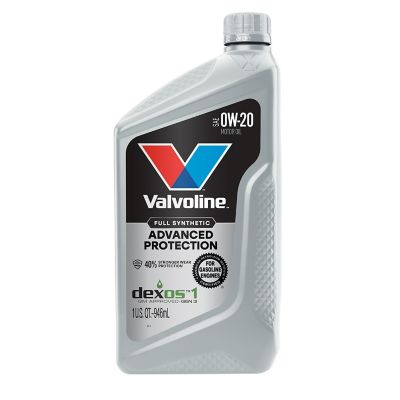
Shopping for 0W-20 engine oil involves more than finding matching numbers on a label. The correct oil also needs to meet the API service category, ILSAC standard, or vehicle-manufacturer specification called for in the owner’s manual. Those requirements address performance characteristics that viscosity alone cannot describe, including deposit control, wear protection, and compatibility with emissions equipment. Some engines also require protection against low-speed pre-ignition, a concern in certain turbocharged gasoline engines. Matching the stated specification is a straightforward way to narrow the selection without assuming every bottle of 0W-20 offers the same capabilities. Full-synthetic formulations are common in this grade and can offer strong resistance to oxidation and viscosity breakdown, along with cold-temperature performance. Still, “synthetic” does not replace an approval requirement or grant every vehicle a longer oil-change interval. High-mileage formulations are another consideration for engines that have accumulated plenty of trips to work, school drop-offs, and runs to the feed store. They may include seal conditioners and additive packages intended to address concerns associated with engine age, but they cannot repair worn parts or fix a mechanical leak. Mileage alone also does not mean an engine needs a different viscosity. Container size is a practical purchase consideration, especially for folks who handle routine maintenance at home. A larger jug may suit an oil change, while a smaller bottle can make sense for topping off between services. The engine’s listed oil capacity, including the filter change when applicable, determines how much to have on hand; the size of the container does not determine how much belongs in the crankcase. Having enough for the job saves an extra trip, but pouring in the entire jug without checking capacity can lead to overfilling. For a household with several vehicles, matching oil to each engine matters more than keeping one grade for everything. Two pickups parked beside the same barn can have very different lubrication requirements, even when they handle much the same daily chores.
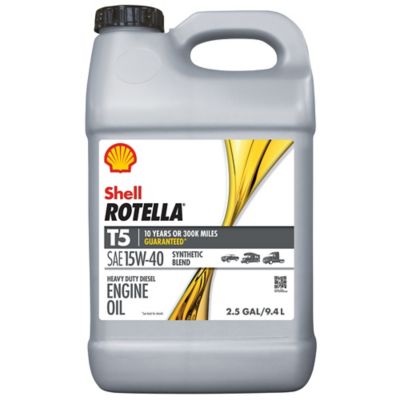
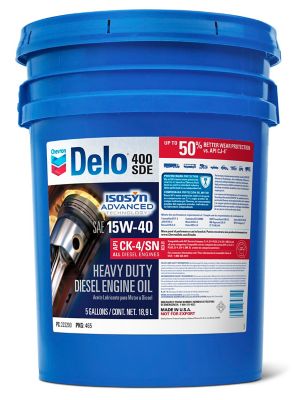
During the cooler months, 0W-20 oil is especially relevant to drivers whose vehicles call for its cold-start performance. A frosty windshield and a stiff door seal are easy to notice, but the oil inside the engine also responds to falling temperatures. Its winter rating addresses how it performs under specified cold conditions; it is not a guarantee of instant lubrication or effortless starting at every temperature. Battery condition, engine condition, and the weather still play their parts. For commuters, families, and rural drivers making a mix of highway runs and short trips, the maintenance schedule deserves as much attention as the oil grade. Repeated short drives may leave an engine without enough time at operating temperature to reduce accumulated moisture and fuel dilution. Dusty roads, extensive idling, and towing can also affect service needs, depending on the vehicle manufacturer’s definitions of severe operation. Full-synthetic 0W-20 does not make those conditions disappear, and a mileage claim on a container should not override the vehicle’s service requirements. Following the specified time or mileage limit, or the oil-life monitoring system as directed in the manual, keeps the purchase tied to the way the vehicle actually operates. The same care applies to hybrid vehicles: fewer engine-running hours do not automatically remove calendar-based maintenance requirements. A spare bottle of the correct oil can be handy on a garage shelf for an engine that needs occasional topping off, with the cap secure and the label readable. If oil consumption changes noticeably, adding more is no substitute for finding the cause. Households maintaining both gasoline and diesel vehicles may also need
Diesel Engine Oil, since diesel lubrication requirements can differ substantially and a matching viscosity alone is not enough. Whether the next drive is a long commute or a supply run before the weather turns, choosing 0W-20 by the engine’s stated requirements keeps the focus where it belongs: suitable lubrication, sensible maintenance, and the right amount of oil ready for the job.