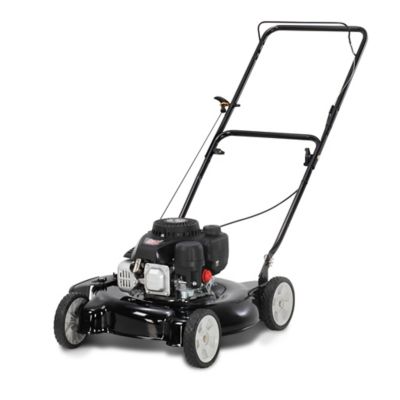
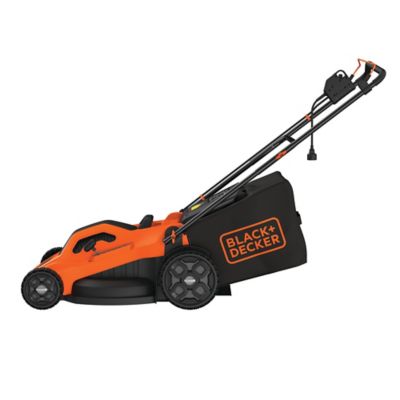
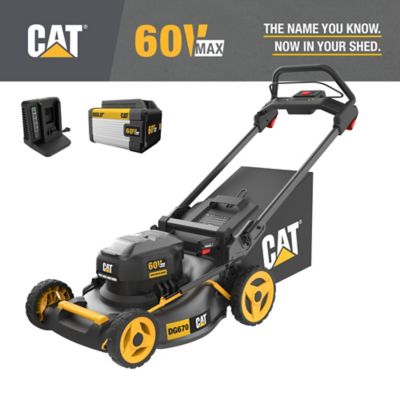
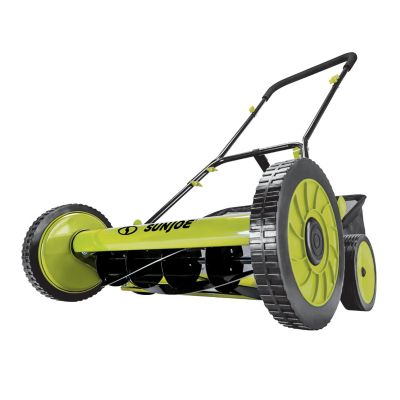
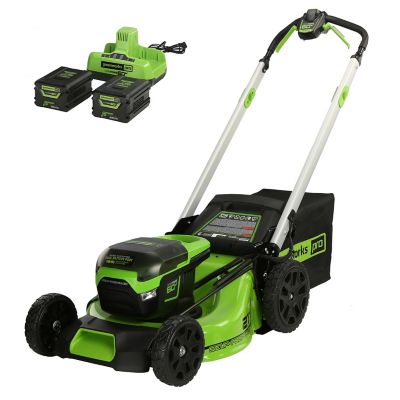
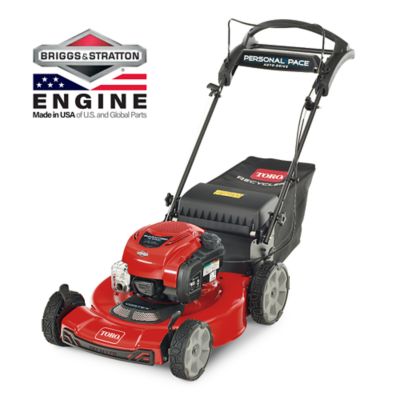
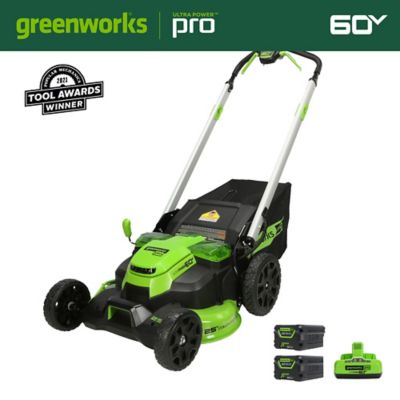
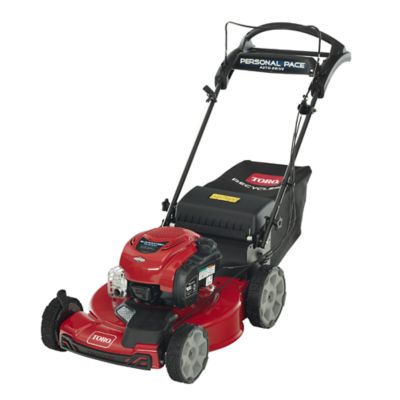
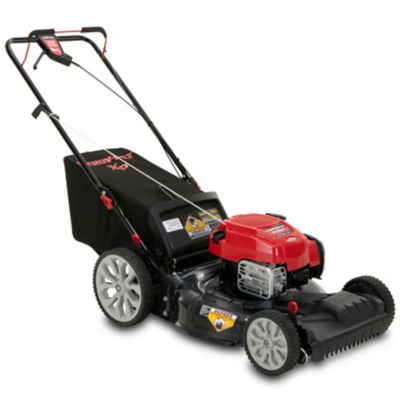
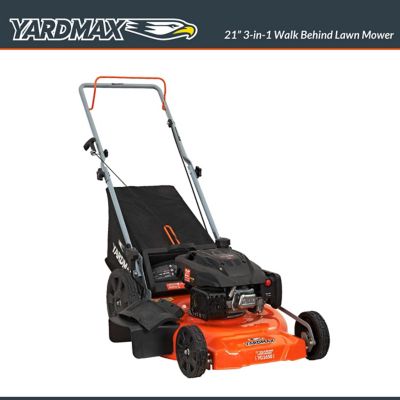
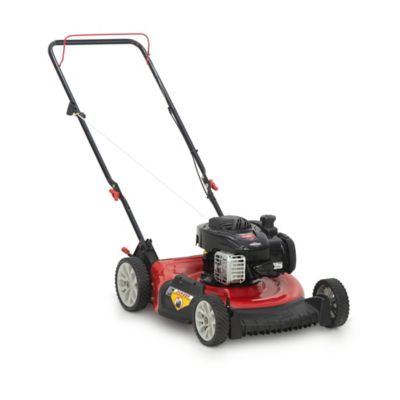
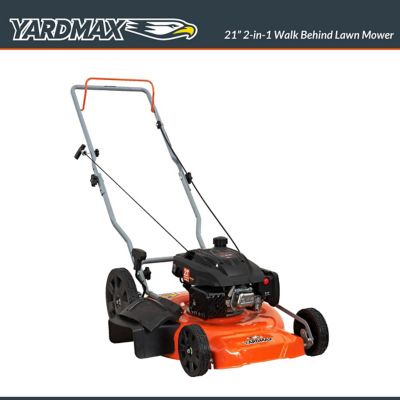
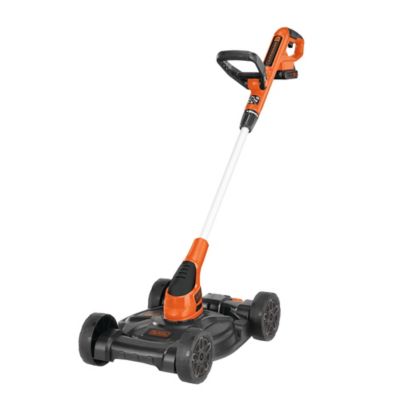
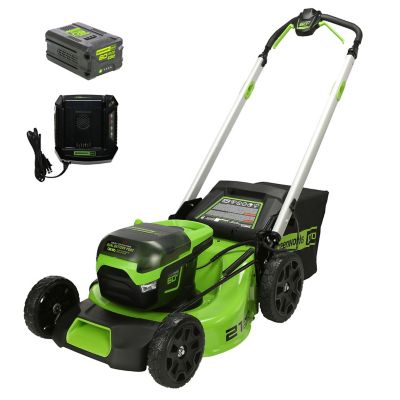
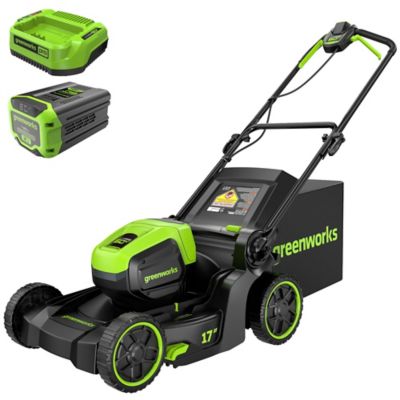
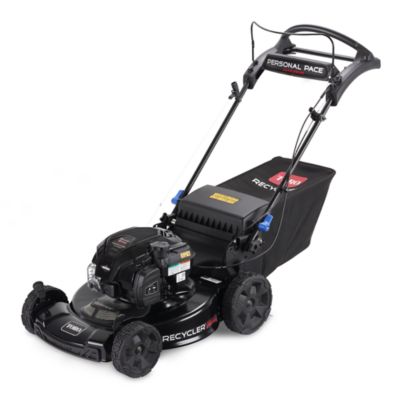
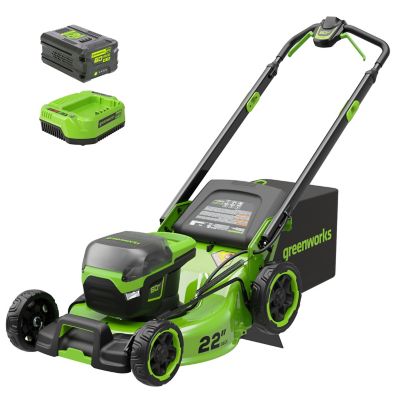
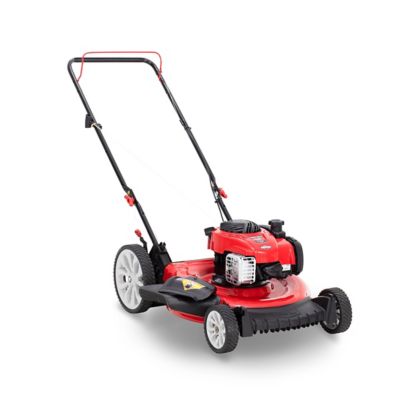
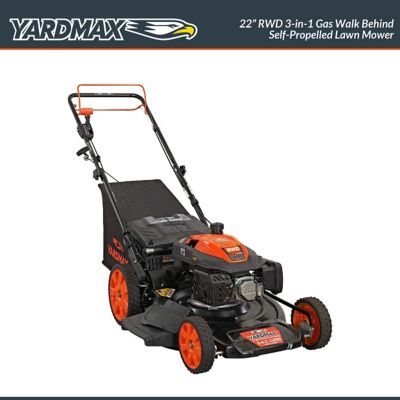
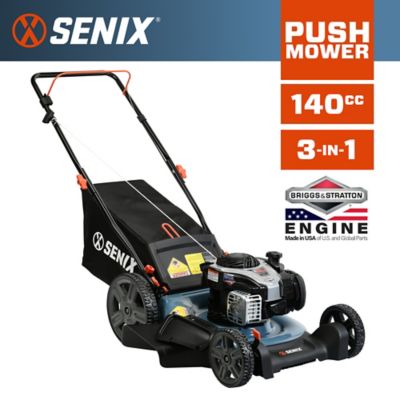
A 20-inch lawn mower generally cuts a swath about 20 inches wide, making it a practical choice for small to medium yards where room to turn matters as much as open grass. This size suits the lawn beside a farmhouse, a fenced backyard, or a front yard broken up by trees, flower beds, and walkways. A narrower cutting path can make it easier to work around these obstacles, though the mower’s overall width, wheel placement, and handle shape also affect how it moves through tight spots. The stated cutting width is not the same as the machine’s outside dimensions, so gate openings and shed doorways deserve a separate look. Compared with a wider mower, a 20-inch model generally requires more passes across an open lawn, but that trade-off may make sense when most of the job involves corners and short stretches of grass. These mowers are intended for maintained lawns rather than brush, saplings, or rough pasture. Gas, battery-powered, and corded electric designs bring different considerations to the same basic task. Gas engines need the fuel and engine care specified in their manuals, and starting systems vary by model. Battery-powered mowers avoid gasoline handling, but runtime depends on the battery, grass height, cutting conditions, and whether the mower powers its own wheels. Battery compatibility matters, too; packs and chargers are not interchangeable unless the manufacturer expressly allows it. Corded electric designs require access to an outlet and an outdoor extension cord that meets the mower’s electrical requirements, with a mowing route that keeps the cord clear of the blade. Push mowers rely on the operator to move them forward, while self-propelled designs add powered assistance. That assistance can be helpful on longer stretches or uneven ground, but it does not remove the need to follow slope limits and operating directions. Yard layout, power preference, and the amount of walking and pushing involved all help determine whether a 20-inch mower fits the work.
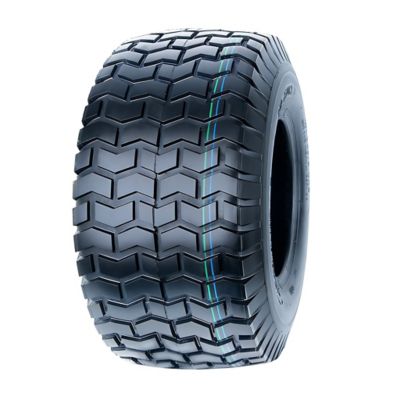
Deck construction, wheel design, and handle fit have a lot to do with how a mower feels once it leaves the shed. Steel decks provide a solid housing around the blade, while molded composite decks can reduce weight and resist rust; the construction and care requirements vary with each design. Mower weight is worth considering separately from cutting width, especially when the route includes several turns around garden beds or a trip across a gravel driveway. Larger rear wheels can help a walk-behind mower roll over minor bumps, but wheel size alone does not determine traction or make rough ground suitable for mowing. Handle height and grip placement should allow comfortable control without forcing the operator to hunch over or reach too far forward. Where adjustable handles are included, they can help accommodate different adults sharing the yard work. Cutting-height adjustment is another useful consideration, particularly for lawns with different grass types or patches that grow at different rates. The available height range matters more than the number of adjustment positions by itself, and a single-lever system works differently from a design that adjusts each wheel separately. Mulching, bagging, and side discharge also change how clippings move through the yard. A mulching setup recirculates clippings beneath the deck so the blade can cut them into smaller pieces, while a bagging setup collects them for removal. Side discharge sends clippings out beside the mower, making discharge direction important near walkways, parked vehicles, and garden beds. Not every mower supports every clipping option, and some configurations require specific attachments. Thick or overgrown grass may call for a higher setting and slower pace rather than expecting the mower to handle everything in one pass. A sharp blade and a clear deck support an even cut, whether the job is a small patch beside the porch or a longer run along the fence. Stones, wire, and other loose objects need to be cleared before mowing because a compact mower still has a fast-moving blade.
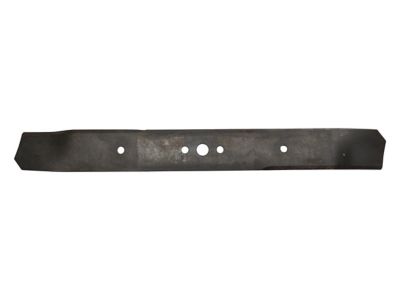
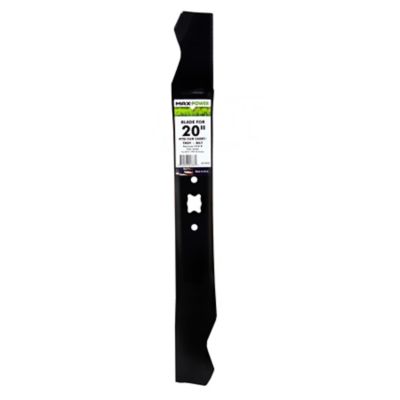
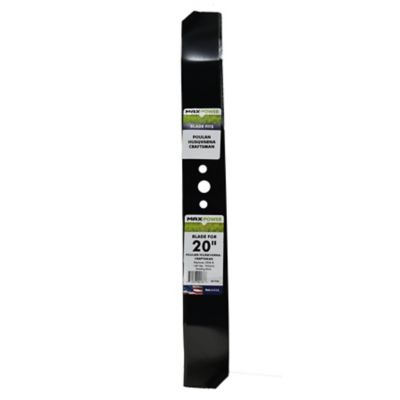
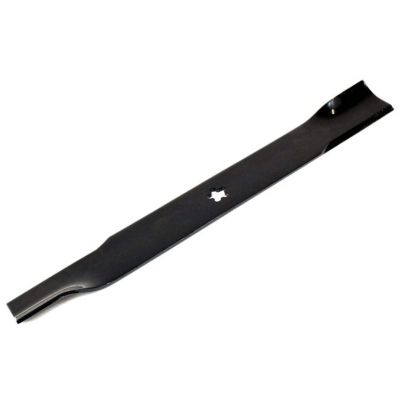
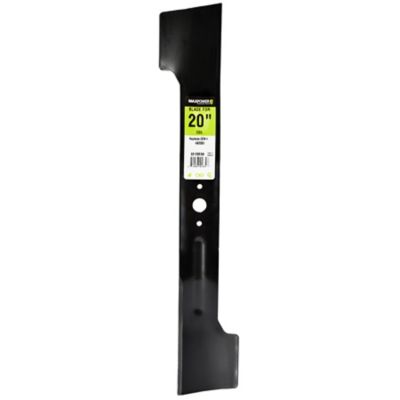
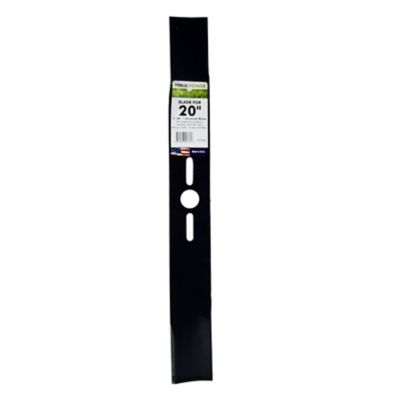
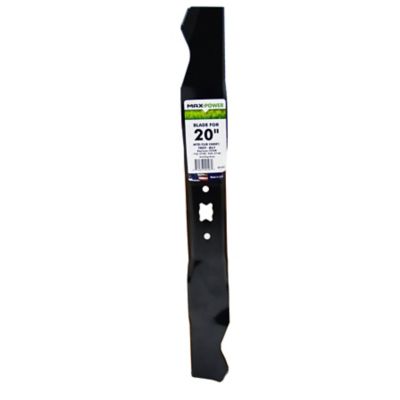
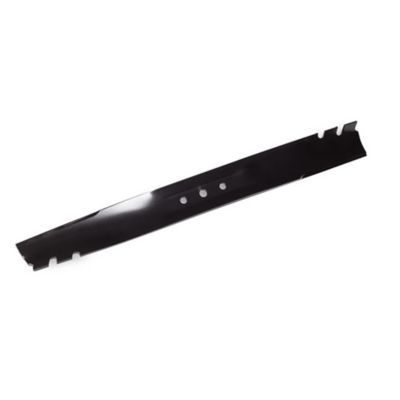
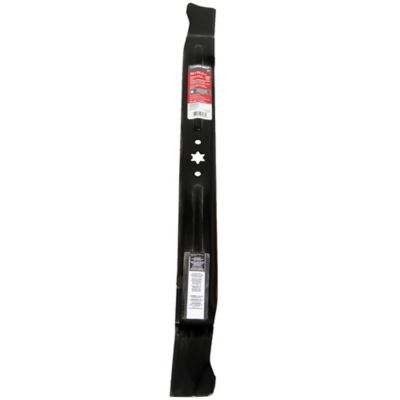
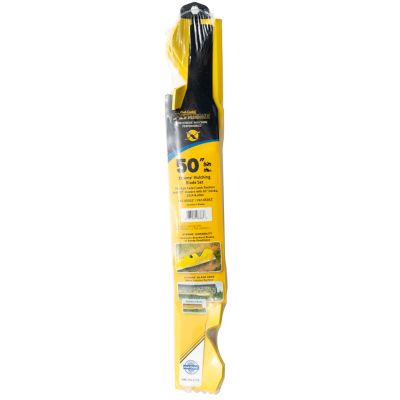
Routine care helps keep a 20-inch lawn mower ready for the next round of yard work and can extend its service life. Grass buildup underneath the deck can interfere with clipping flow, while clogged air passages or neglected engine components can affect operation. Cleaning methods should follow the mower’s manual, since washout fittings, electrical components, and engine placement differ between designs. Before clearing clippings or working near the blade, the mower needs to be shut off and secured against an unexpected start using the manufacturer’s procedure. That may include removing the battery, unplugging the power cord, or disconnecting the spark plug lead. Gas models also have model-specific requirements for oil checks, air-filter care, spark plugs, and fuel storage. Battery-powered models need attention to charging instructions, battery contacts, and storage conditions, even though they have no gasoline engine to maintain. Blade inspection matters with either power source; chips, bends, and excessive wear call for attention rather than another trip around the yard. Replacement blades and other parts must match the mower’s specifications, not simply its advertised cutting width. Storage fit is worth sorting out before bringing a mower home. A 20-inch cutting path does not guarantee that the mower will fit between a shelving unit and a workbench, and folding handles reduce storage space only where that feature is provided. Some designs permit upright storage under specific conditions, while others need to remain level. Access also matters when the mower has to cross a threshold or share a shed with feed cans and garden tools. For a nearby size comparison,
21 Inch Lawn Mowers offer a slightly wider cutting category, though weight, drive type, dimensions, and clipping options may matter more than that extra inch. A well-matched mower balances the space to be cut with comfortable handling, manageable upkeep, and a storage footprint that works at home.