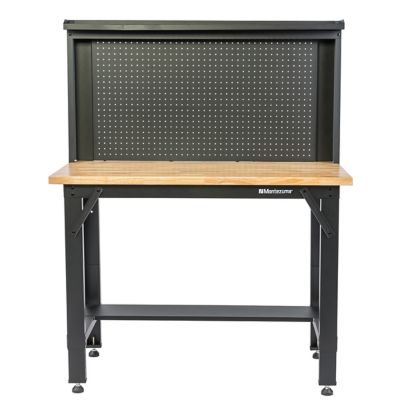
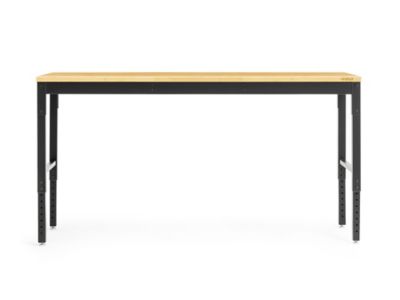
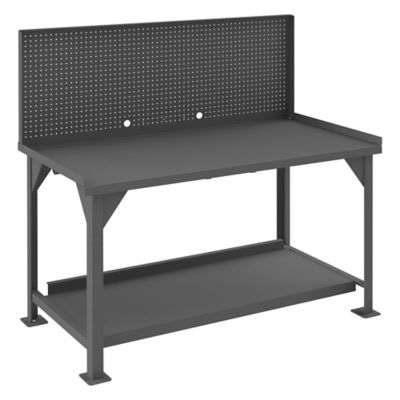
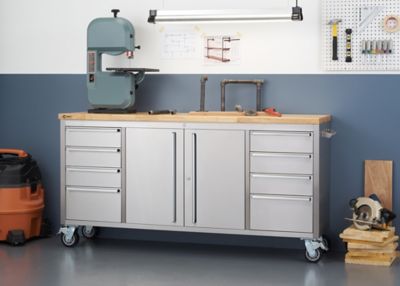
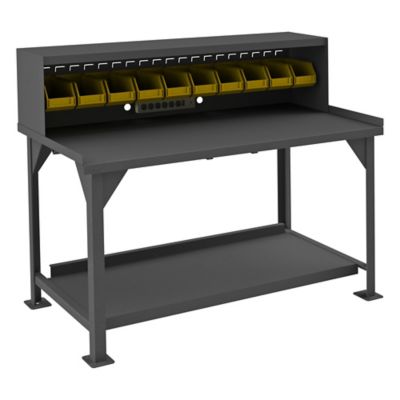
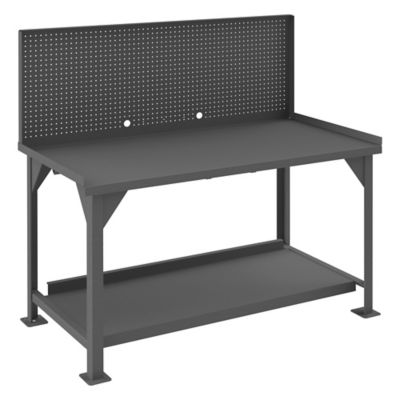
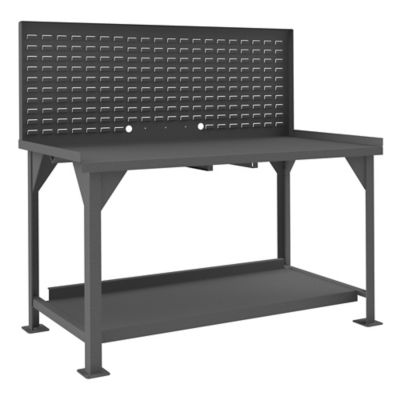
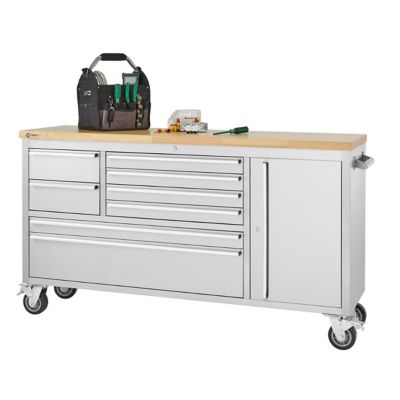
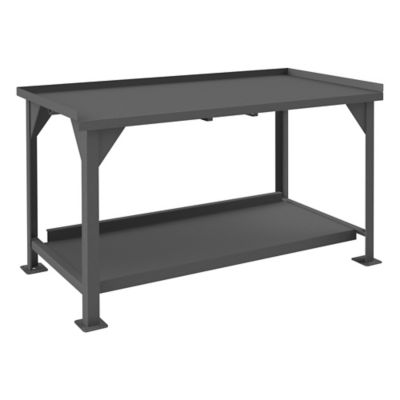
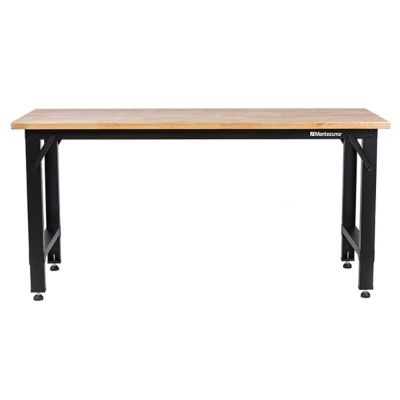
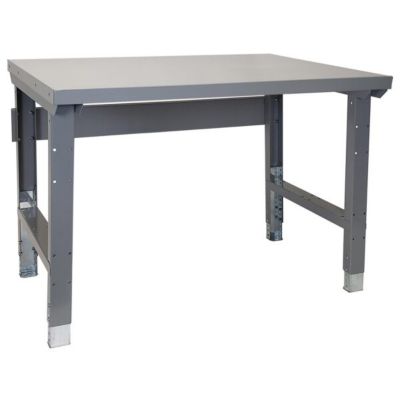
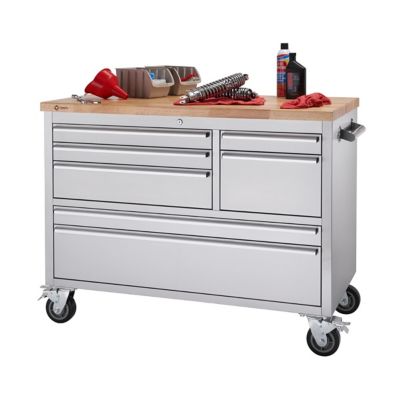
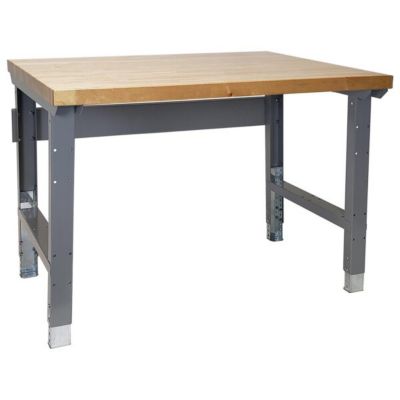
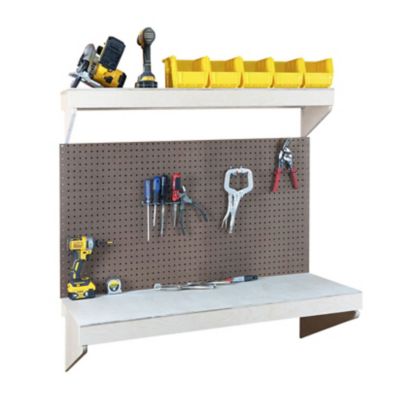
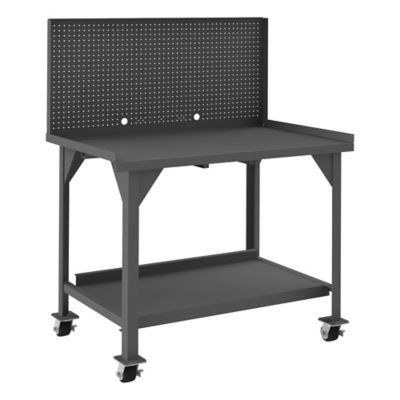
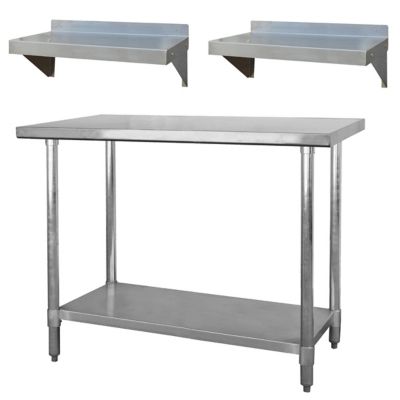
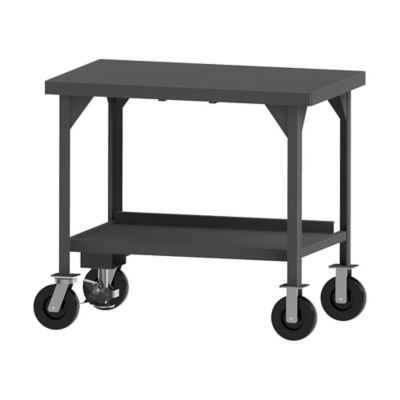
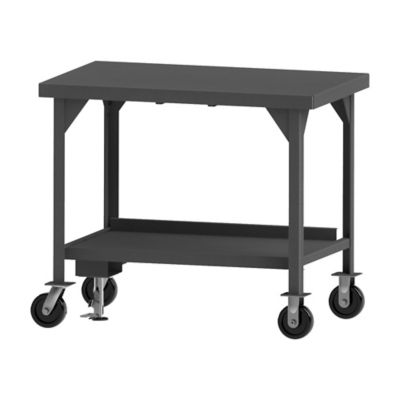
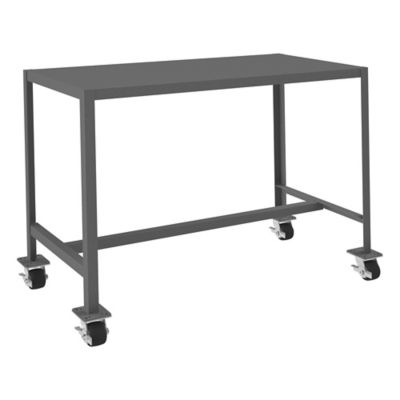
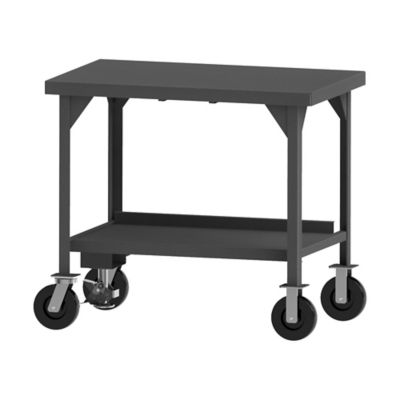
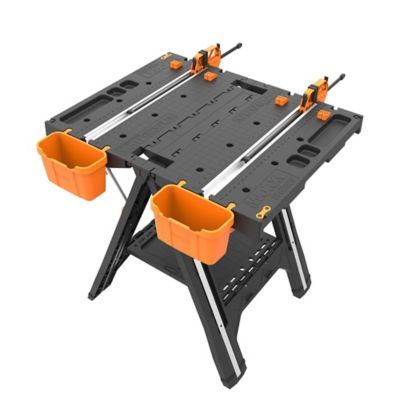
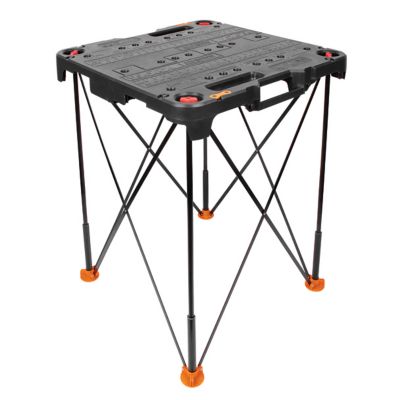
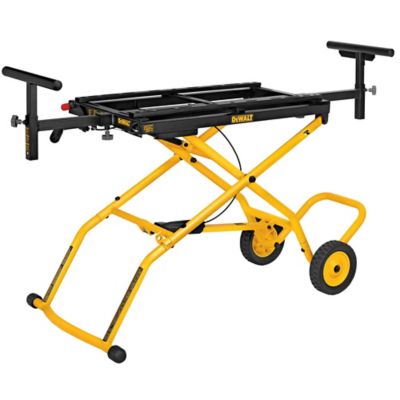
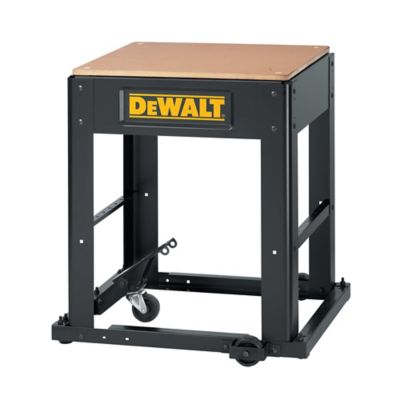
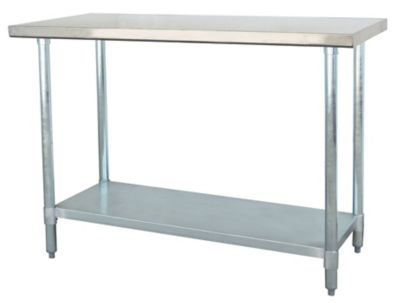
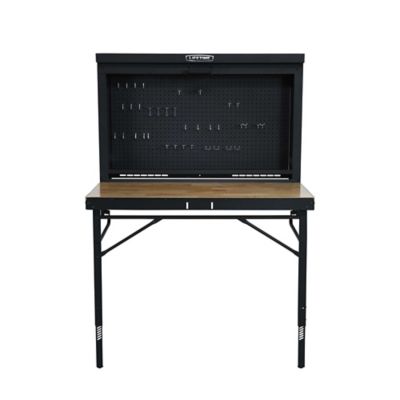
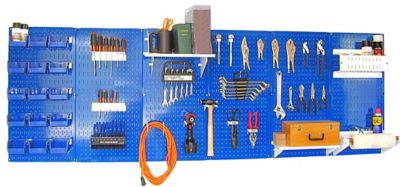
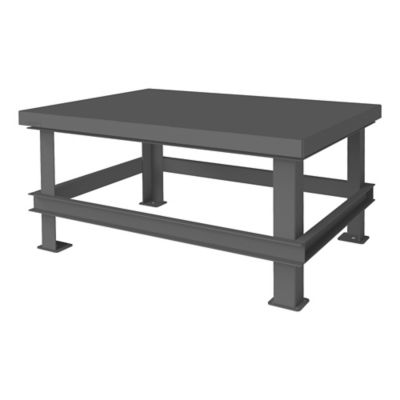
A garage workbench gives you a steady place to tackle the jobs that never seem to fit on the kitchen table, tailgate or front porch. Whether you are tuning up small equipment, repairing a fence latch, sorting fasteners or working on a weekend project, a solid work surface helps keep the work organized and easier on your back. For a rural home, the garage may pull double duty as a shop, storage area and staging spot for chores around the property, so it helps to choose a workbench that fits the way you actually work. Start by measuring the open space, including room to walk around the bench, open nearby doors and move bulky materials in and out. Think about the height and depth, too. A taller setup can be comfortable for standing tasks, while a lower surface may suit detailed work or projects done from a stool. Weight capacity matters when the bench will hold hand tools, hardware, small engines or other heavy materials. A sturdy frame, dependable legs and a work surface that can handle everyday knocks are useful features for a busy garage. Shelves, drawers and cabinets can keep commonly used supplies close at hand, while a clear top leaves room for laying out parts without losing a screw in the shuffle. If the work area needs to serve more than one purpose, a compact design, foldable section or movable setup can make it easier to clear space for vehicles, feed storage or seasonal equipment. Those looking to build out a full workspace can also explore
Workbench Kits for a coordinated way to get a bench and related components working together.
The right garage workbench depends on the kind of work that happens there. Someone restoring an old piece of equipment may need a broad, hard-wearing surface and plenty of room to spread out tools, manuals and parts. A homeowner handling small repairs may put more value on drawers, pegboard-style organization and a compact footprint. For woodworking, crafting, model building or home improvement projects, a smooth top and dependable lighting can make a noticeable difference, especially when measuring, marking or lining up small pieces. If metal, oil or rough materials are part of the routine, look for surfaces that are easy to wipe clean and frames that can stand up to regular use. A protective mat can help with spills and scratches, while a dedicated place for cords and accessories helps prevent clutter from taking over. Good lighting is worth planning from the start; overhead fixtures may brighten the room, but focused light near the work surface can help with close-up tasks during the darker hours of the cooler months. Keep safety in mind as well. The bench should sit level on a stable floor, leave enough clearance for safe movement and stay away from areas where moisture can collect. Storing sharp tools, chemicals and small hardware in secure, easy-to-reach locations helps keep the workspace useful without making it hazardous. In a shared garage, a well-organized bench also gives each family member a defined place to work, whether a teenager is learning basic repairs, a seasoned do-it-yourselfer is maintaining property equipment or a neighbor is helping with a project.
Garage workbenches can make practical gifts for handy homeowners, new property owners, hobbyists and anyone who enjoys fixing things instead of replacing them. They are especially useful for someone setting up a first shop after moving to a new house, barn or rural homestead, where a dependable work area quickly becomes part of the daily routine. A workbench can support chores across the seasons, from cleaning up garden tools as the weather warms to preparing equipment for storage when outdoor work slows down. It can also serve as a place to wrap gifts, repair holiday decorations, organize hunting or fishing gear, or sort hardware before a fence or outbuilding project. When choosing one as a gift, consider the recipient’s available space, preferred working height and the types of projects they enjoy. A person who likes small repairs may appreciate built-in organization, while someone who works on larger items may need an open, heavy-duty surface. Color and style are secondary to fit, strength and usefulness, but a clean, straightforward design can blend into a garage, basement, shed or utility room. Taking a little time to plan the setup pays off: place the bench near the tools and supplies used most often, leave room for safe movement and keep the surface clear enough that the next project can begin without a major cleanup. With a dependable garage workbench at the center of the space, everyday repairs feel less scattered, and even a quick fix can turn into a satisfying afternoon of hands-on work.