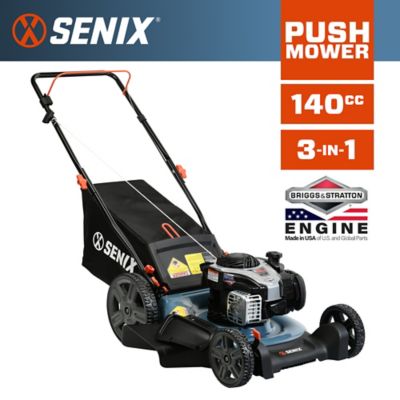
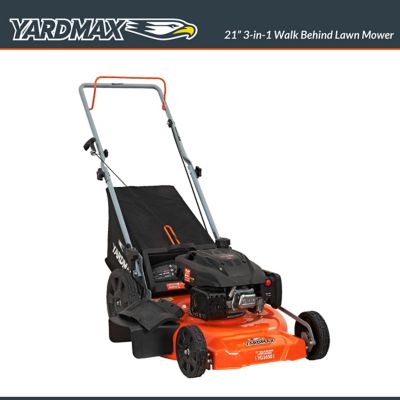
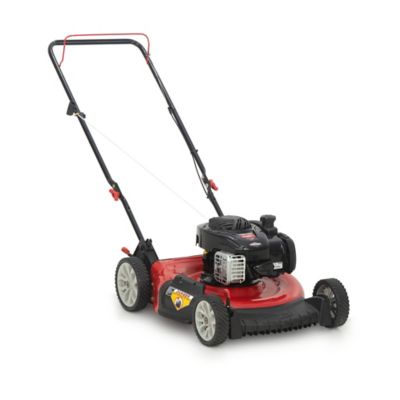
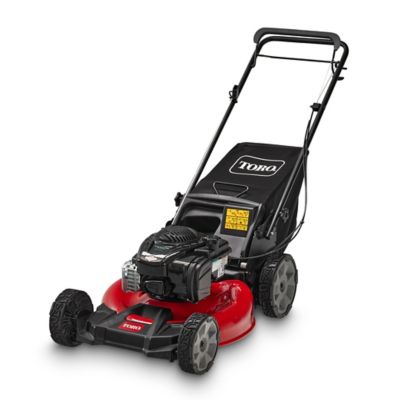
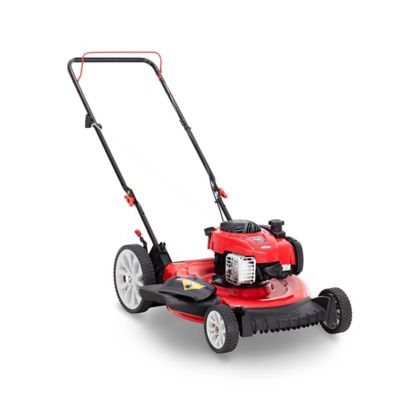
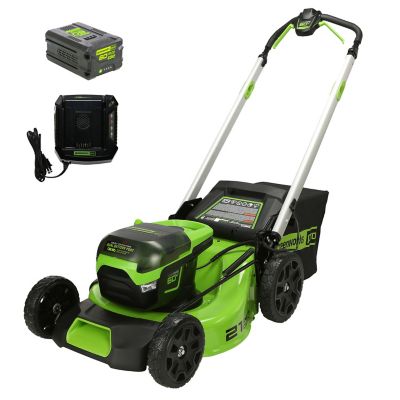
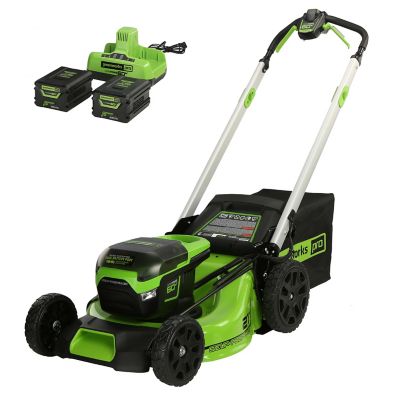
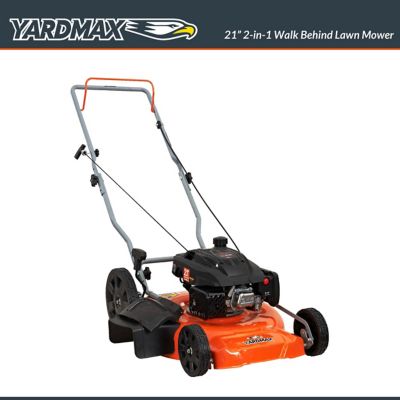
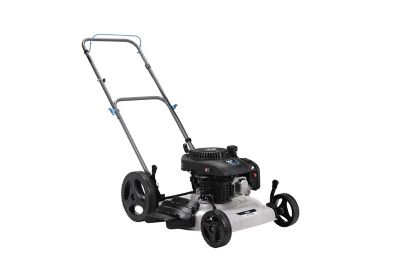
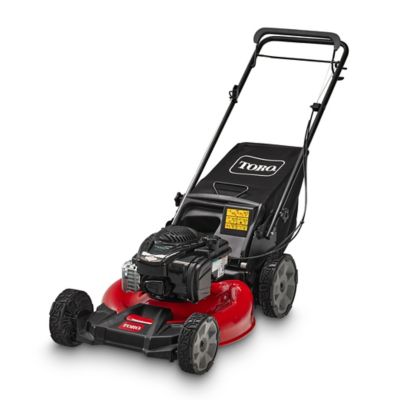
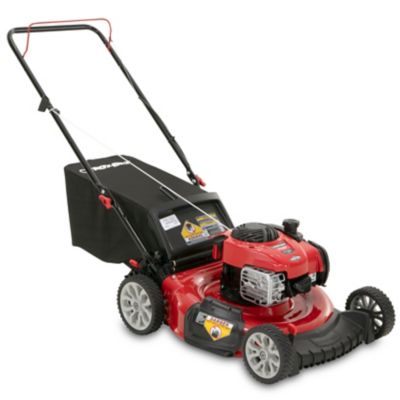
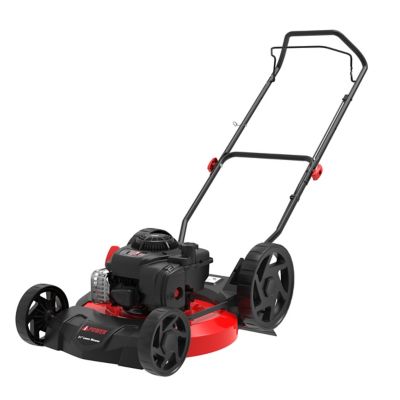
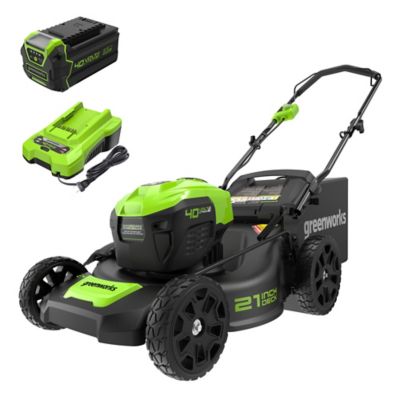
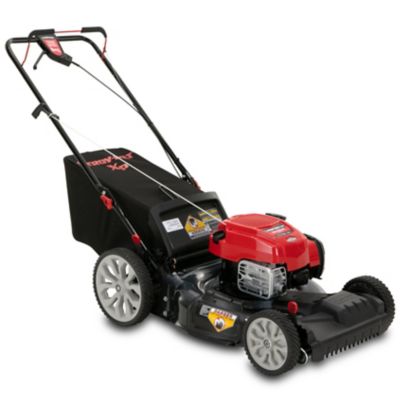
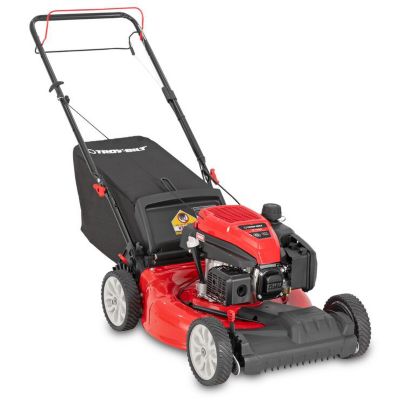
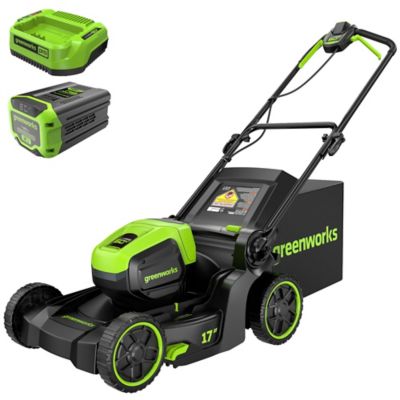
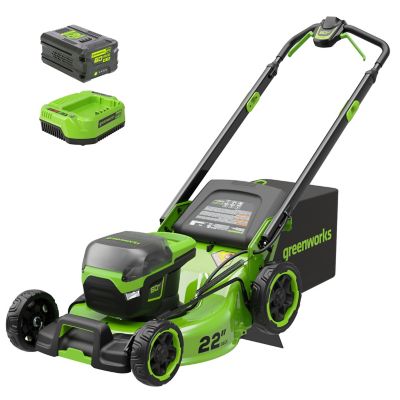
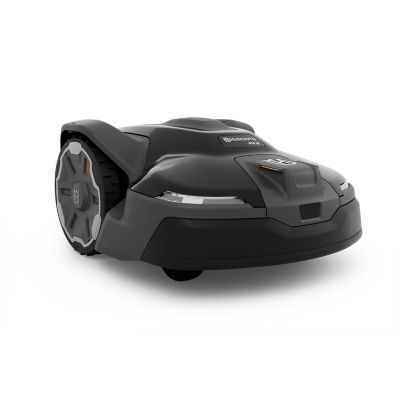
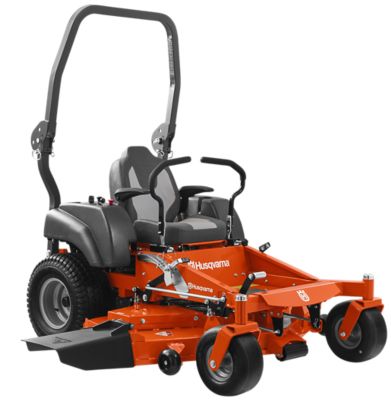
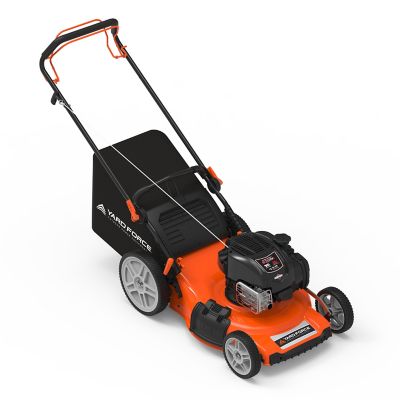
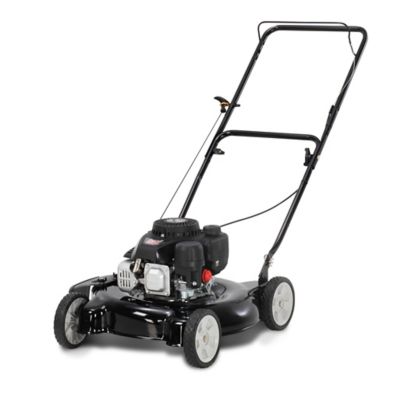
A 21-inch lawn mower pairs a manageable walk-behind size with a cutting path suited to many small and midsize lawns, fenced backyards, and grassy areas around outbuildings. On a larger property, this size can also handle the stretches a riding mower cannot easily reach, such as grass between garden beds or alongside a shed. The 21-inch measurement generally describes the nominal cutting width, not the mower’s total width, so gate openings and storage spaces still need to accommodate the machine’s outside dimensions. Choosing among 21-inch lawn mowers comes down to power source, terrain, mowing time, and how much routine maintenance fits your schedule. Battery-powered mowers offer electric starting, no gasoline handling, and no engine oil changes, though blades, wheels, and other moving parts still need attention. Their operating time depends on battery capacity, grass height and thickness, cutting height, and whether the drive system is engaged. A larger battery does not guarantee the same results on every lawn, and a stated runtime is not a promise for every mowing job. Gas-powered mowers suit people who prefer to refuel and keep working rather than wait for charging, especially when mowing several separate areas around a property. They also bring engine maintenance, fuel storage, and exhaust considerations. Corded electric designs can make sense where an appropriate outlet and an outdoor-rated extension cord can reach the entire mowing area, although managing the cord around trees and fence corners takes planning. Battery compatibility matters as much as battery capacity: packs and chargers must match the mower’s specified system, even when connectors look similar. For any power source, enough capacity to finish the actual job matters more than a broad lawn-size claim. A level, open rectangle of grass is a different task from the same square footage broken up by trees, gates, and tight turns. Those details help explain why two households with similar lawn sizes may prefer very different mower setups.
Push and self-propelled 21-inch lawn mowers share a similar cutting width, but they feel different over a full mowing session. A push mower relies on the operator to move it forward and can be a straightforward fit for a smaller, mostly level yard. A self-propelled mower supplies driving force to the wheels, reducing the effort needed to move the machine through grass. That assistance can be welcome on a longer route, though it does not remove the need to steer, turn, and control the mower. Variable-speed drive lets the walking pace better match the person behind the handle. Front-, rear-, and all-wheel-drive systems handle differently, particularly when turning or moving across uneven ground; none makes steep or otherwise unsafe terrain suitable for mowing. The manufacturer’s slope limits and operating directions remain important. Handle height, grip shape, control placement, and overall weight also affect comfort. A handle that fits one person well may leave another reaching forward or hunching through each pass. Wheel size and tread influence how the mower rolls over modest bumps, while a stable stance and smooth controls help around fence lines and planting beds. Deck construction is another practical distinction. Steel decks need attention to chipped finishes and corrosion, while aluminum and composite decks resist rust but still need cleaning and checks for damage. Material alone does not tell the whole story; deck design, wheel mounts, and handle connections all contribute to how a mower stands up to regular work. Cutting-height adjustment matters, too, especially when the lawn includes more than one grass type or areas with different growth habits. Some designs adjust each wheel separately, while others link several wheels to one control. Mulching, bagging, and side discharge serve different needs where the mower supports those functions. Mulching returns finely cut clippings to the lawn, bagging gathers them for removal, and side discharge spreads them out as mowing continues. The best fit depends on the lawn and how the clippings will be managed afterward.
Living with a mower involves more than the time spent walking behind it. A grass catcher needs room to come off without bumping a fence or garage wall, and a full bag adds weight that must be lifted and emptied. Folding handles can free up floor space, but upright storage is appropriate only for machines specifically designed for it. Overall length, handle position, and the path into a shed can matter just as much as cutting width. For a slightly broader cutting path,
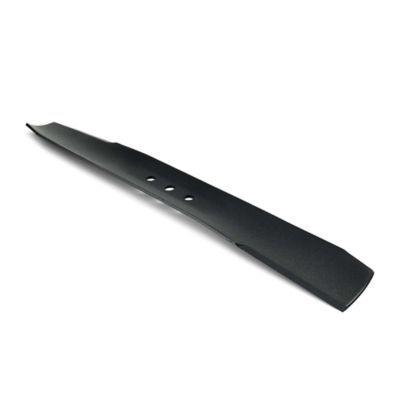
22-inch lawn mowers provide a nearby size comparison, although that extra inch alone does not determine mowing speed or ease of handling. Turning room, walking pace, overlapping passes, and how often the catcher needs emptying all affect the job. Care requirements deserve the same attention as operating features. Grass buildup under the deck can interfere with clipping movement, and a dull or damaged blade can leave ragged grass tips instead of a clean cut. Cleaning, inspection, and blade service belong on the maintenance schedule, with the mower shut down and its power source disconnected as directed before any work near the blade. Gas engines also require the specified oil, air-filter care, and fuel handling. Battery packs and chargers need storage and charging conditions that follow their instructions, rather than a permanent spot beside a damp floor or an exposed doorway. Replacement blades, bags, and other components must match the mower’s specifications; cutting width alone does not establish part compatibility. For a homeowner keeping the yard tidy, someone maintaining grass around a workshop, or a family sharing mowing duties, these everyday details shape how well a mower fits the routine. A manageable machine with suitable power, comfortable controls, and the right clipping options can make those regular passes along the driveway, around the clothesline, and beside the back fence feel far less like a wrestling match.