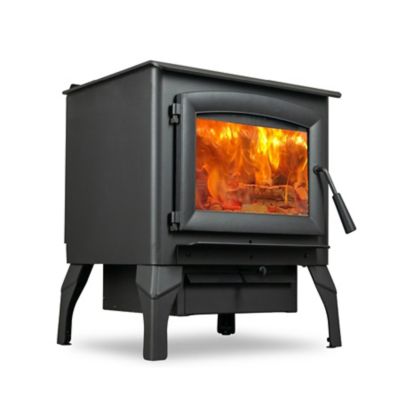
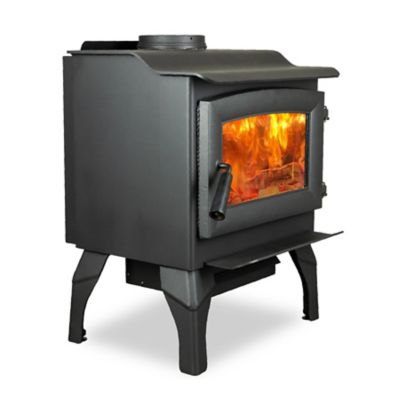
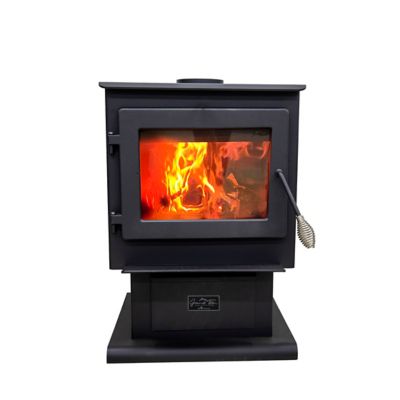
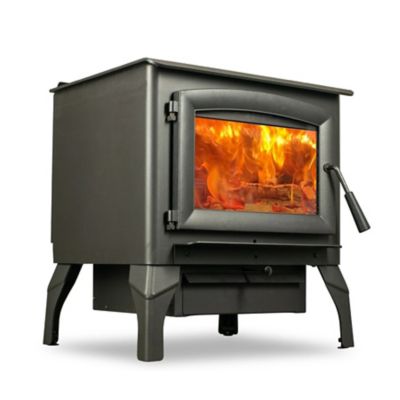
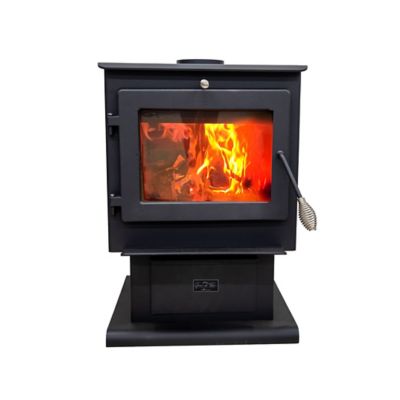
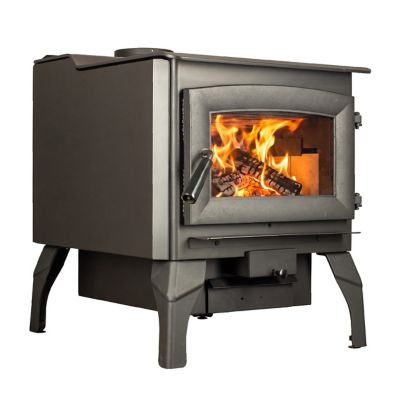
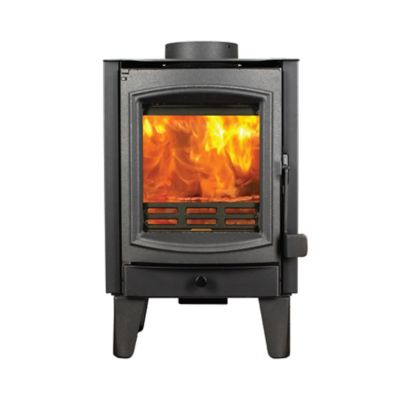
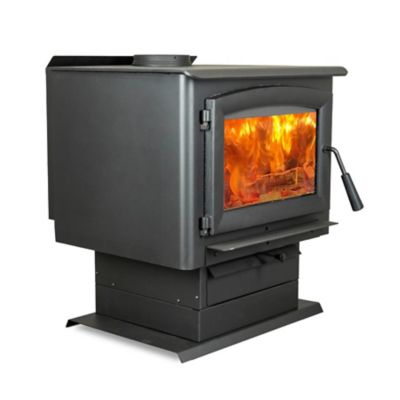
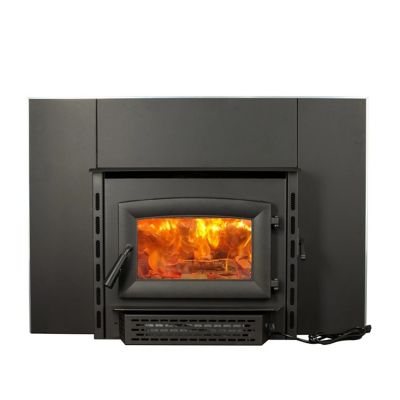
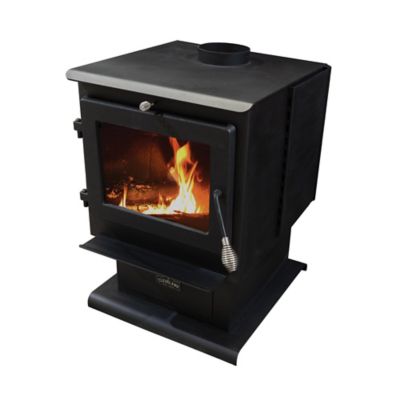
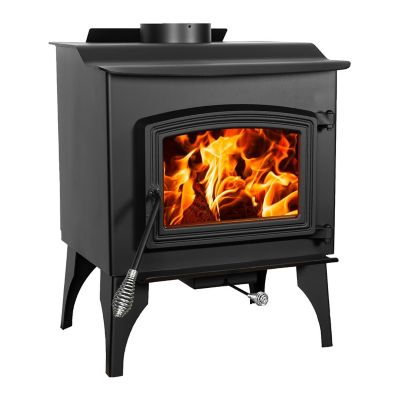
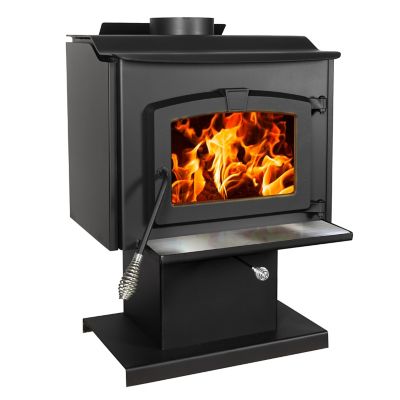
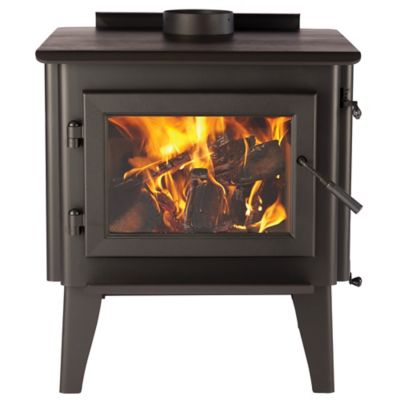
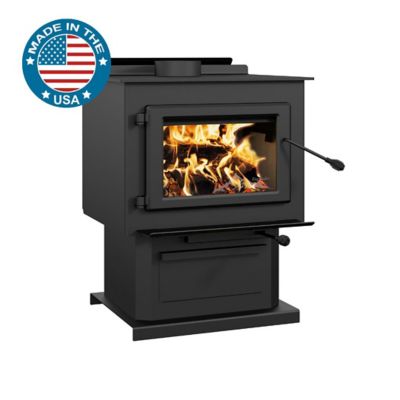
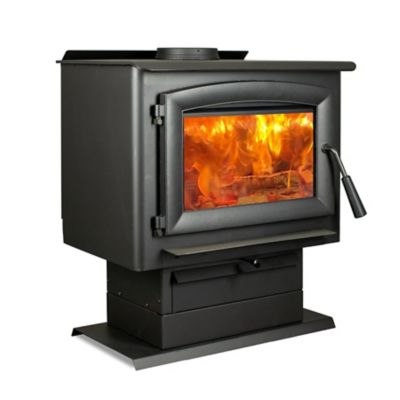
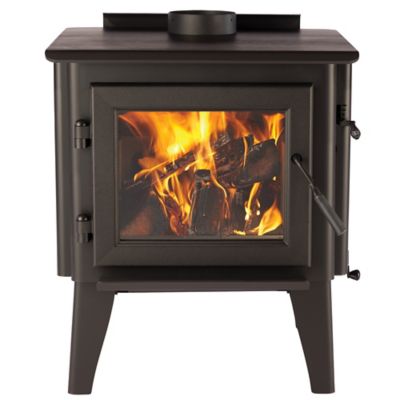
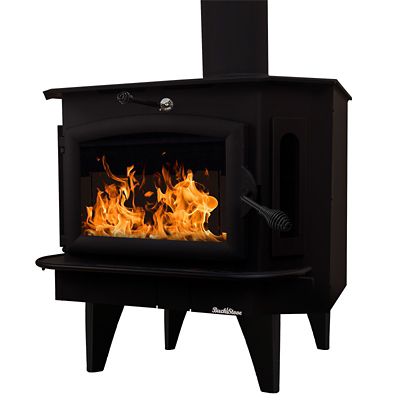
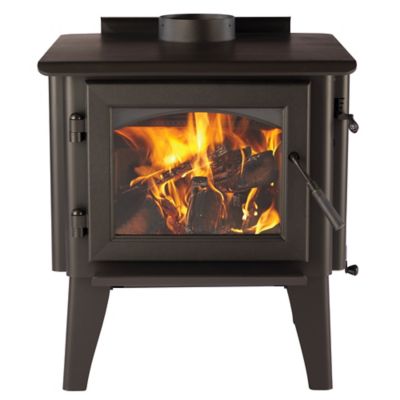
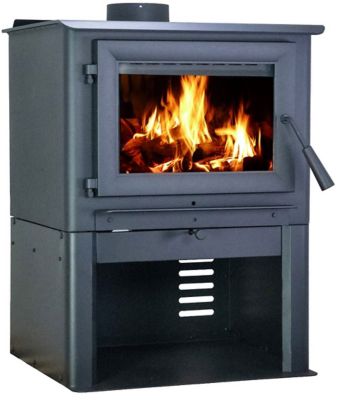
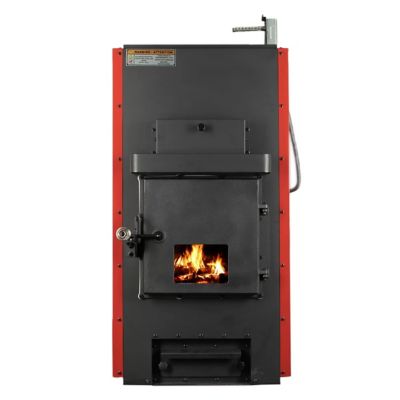
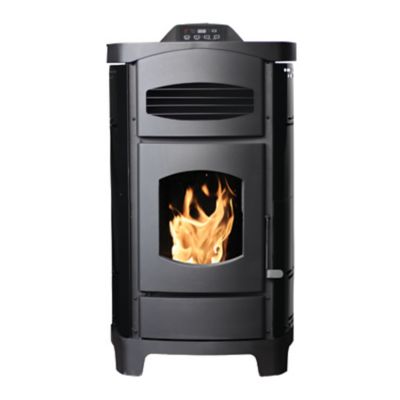
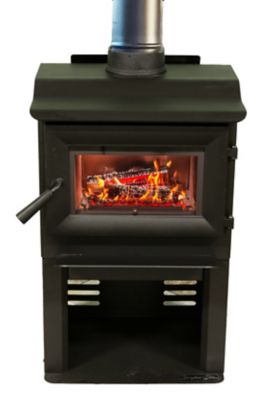
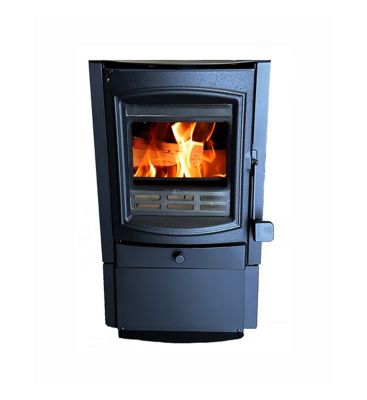
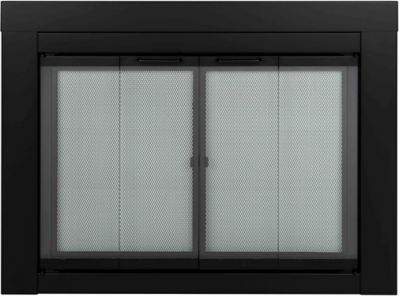
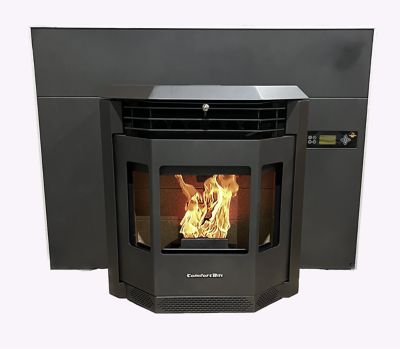
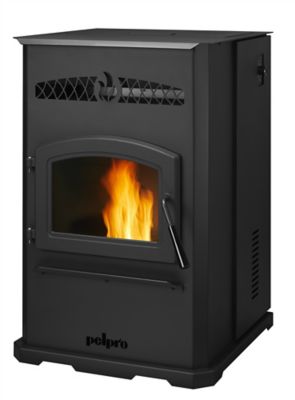
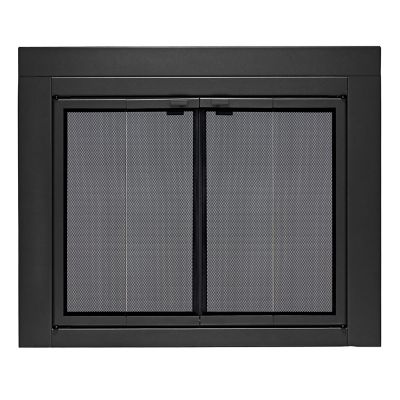
Wood stoves with glass doors bring together dependable wood heat and a clear view of the fire. Instead of a closed firebox, these stoves let you watch the flames roll across the logs, giving a living room, cabin, workshop or hunting camp a warm, welcoming feel as the weather turns cooler. The glass door also helps contain sparks and embers while limiting drafts when it is properly gasketed and latched. By keeping the firebox enclosed, a wood stove can help reduce air loss up the chimney compared with an open fireplace, while controlled airflow supports a steadier, more efficient burn. A glass-front stove may be a practical choice for a rural home, a well-insulated outbuilding, a weekend cabin or a space where you want supplemental heat without giving up the comfort of a visible fire. Compact models can work well in smaller rooms when sized correctly, while larger stoves are suited to more spacious, open-concept areas. Some designs offer a traditional cast-iron appearance, others have a cleaner modern profile, and certain stove styles may include a flat cooking surface for warming a kettle or preparing simple food during a power outage. If you are comparing the full range of heating options, browse
Wood Burning Stoves to see additional styles and configurations. A wood stove can also make a thoughtful gift for someone settling into a country home, improving a cabin or preparing a workshop for cooler-season projects. It is a substantial gift that calls for careful planning, but for a homeowner who already has an approved chimney and a ready supply of firewood, it can add comfort and character for years.
When choosing a wood stove with a glass door, start with the space it needs to heat and the stove’s listed heating capacity. A stove that is too small may need to be pushed hard to keep a room comfortable, while an oversized model can make a smaller space uncomfortably hot and encourage short, inefficient fires. Look at the firebox size, recommended log length, expected burn time and whether the unit is intended for occasional, supplemental or primary heat. Dimensions matter just as much, especially in a small room or a tight cabin where every inch counts. Measure the planned location and account for required clearances around the stove, stovepipe and nearby walls, furniture, flooring and ceiling materials. A heat shield or approved hearth may be required, depending on the installation. The stove should be placed on a noncombustible surface that extends as required by local code and the manufacturer’s instructions. Proper venting is just as important as the stove itself. A wood stove needs a correctly sized chimney, reliable draft and a compatible flue system to move smoke and combustion gases safely outdoors. The glass door can affect how air moves through the firebox, so installation and operation should follow the manufacturer’s instructions rather than relying on guesswork. Check local building and fire regulations, confirm whether permits or inspections are needed, and have the chimney and installation reviewed by a qualified professional when appropriate. A carbon monoxide detector and smoke alarms should be installed in suitable locations, and the chimney should be inspected and cleaned on a regular schedule. These steps may not be the most exciting part of choosing a stove, but they help turn a good-looking heating appliance into a safe, useful part of the home.
The glass is made to withstand high heat, but it still benefits from the right fuel and a little routine care. Burn dry, seasoned firewood rather than wet or green wood, which can create more smoke, soot and creosote and may leave the glass cloudy. Keep the fire at the operating temperature recommended for the stove, avoid overloading the firebox and use the controls as directed to manage combustion air. Many glass-door stoves use an air-wash system that directs heated air across the inside of the glass to help reduce buildup, but no air-wash system eliminates the need for cleaning. Once the stove is completely cool, wipe the glass with an approved cleaner or the method recommended by the manufacturer. Never pour water on hot glass, slam the door or use abrasive tools that can scratch the viewing panel. Inspect the door gasket from time to time; a worn or loose seal can allow excess air into the firebox, making the fire harder to control and shortening burn times. Keep ashes in a covered metal container placed well away from the house, deck, firewood and other combustible materials, and keep children, pets and loose clothing away from the hot stove and glass. A sturdy pair of gloves, a shovel, an ash bucket, a moisture meter for firewood and a dependable wood rack can make daily use easier. During the cooler months, there is something especially satisfying about bringing in a small armload of dry split wood, setting a fire for the evening and seeing the flames through a clean pane of glass. With the right size, proper chimney and hearth, seasoned firewood and regular maintenance, a wood stove with a glass door can provide steady supplemental heat while giving a hardworking room the simple, familiar glow of a real fire.