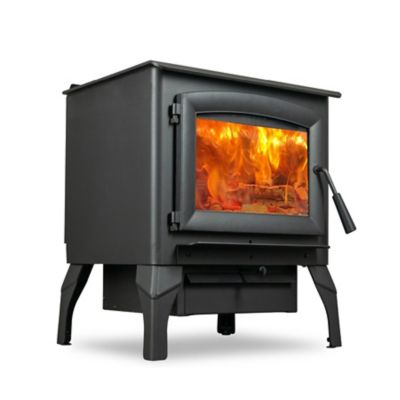
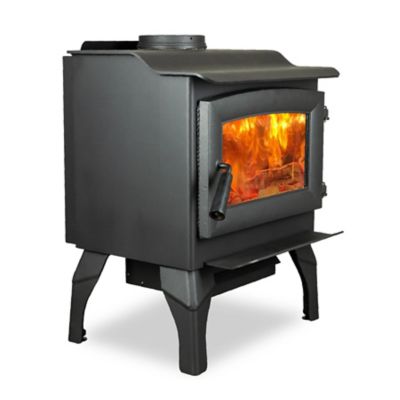
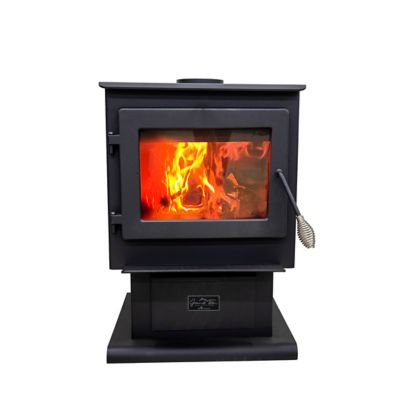
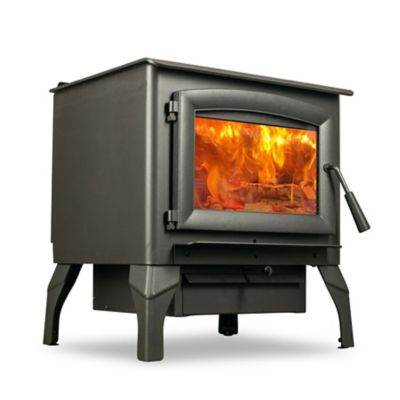
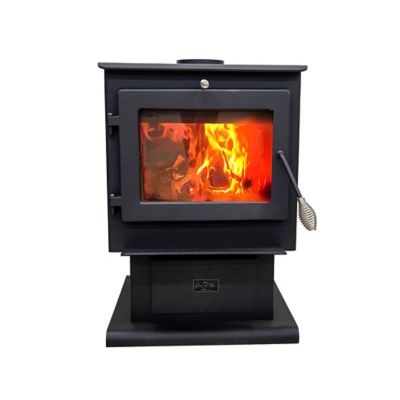
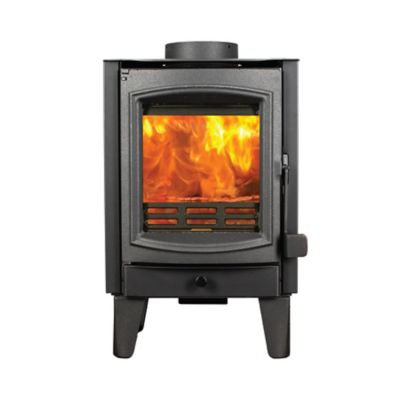
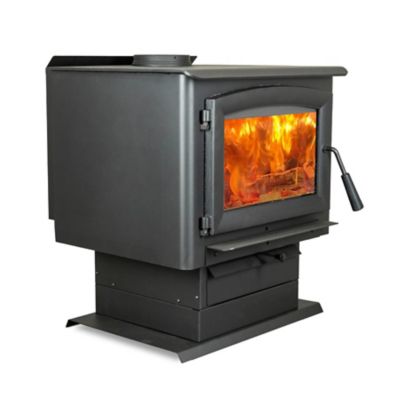
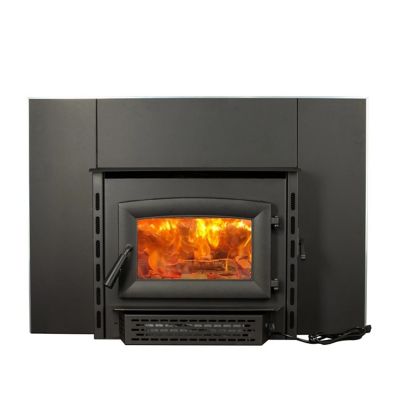
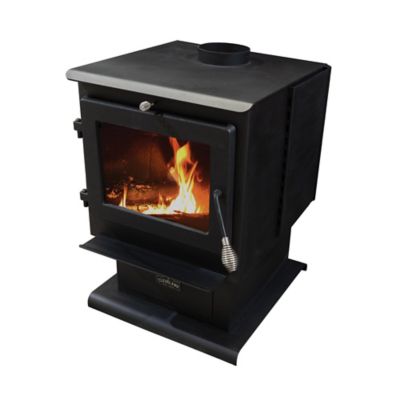
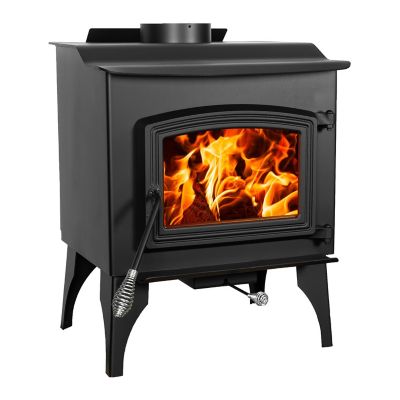
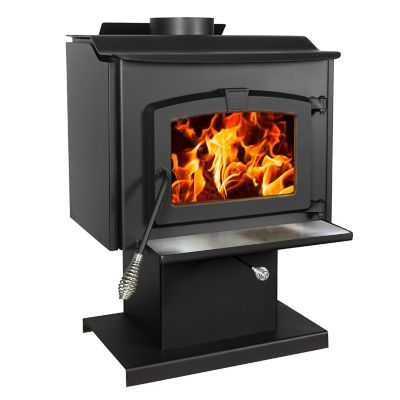
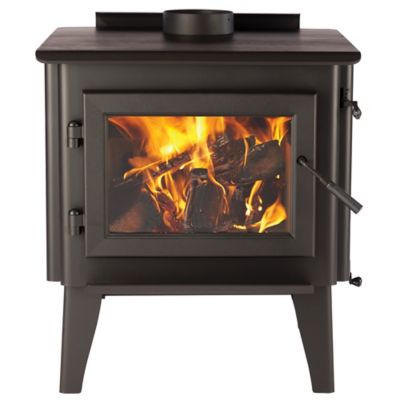
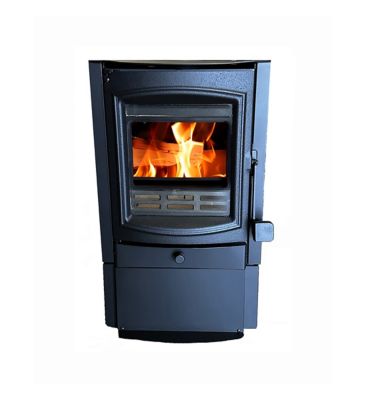
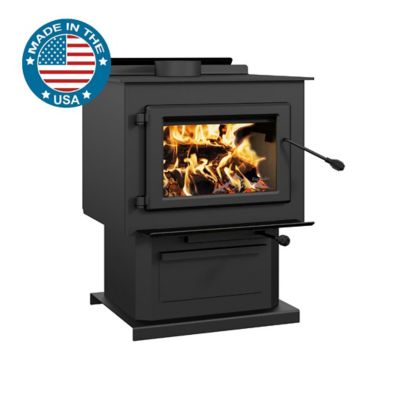
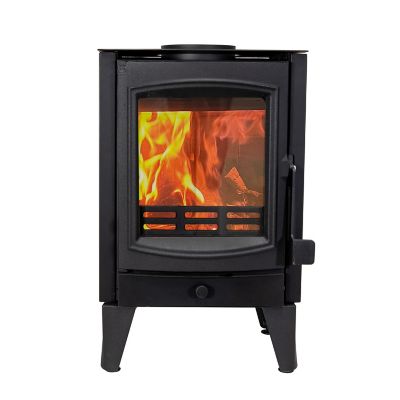
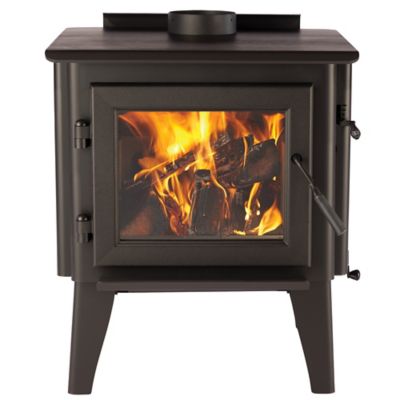
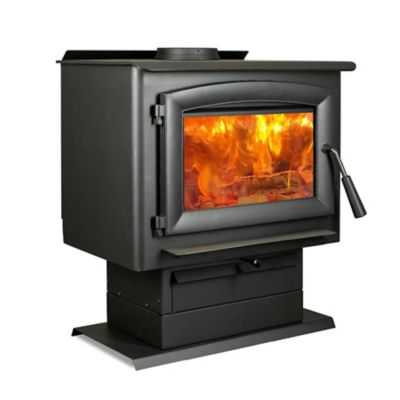
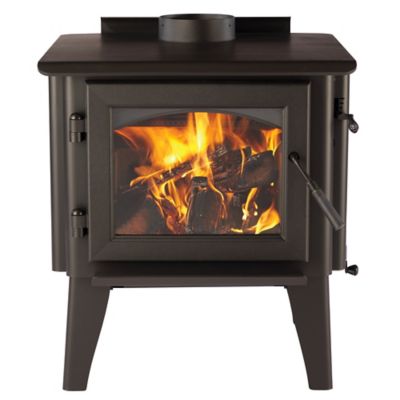
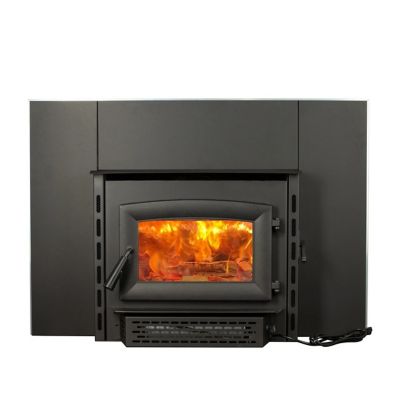
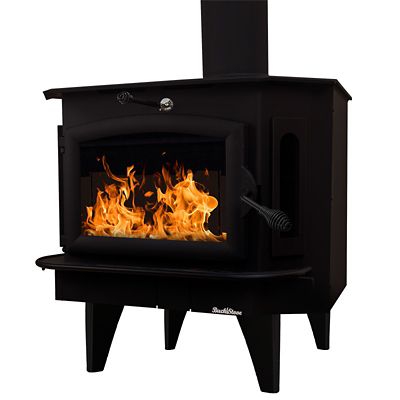
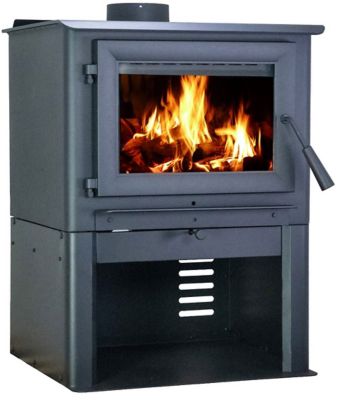
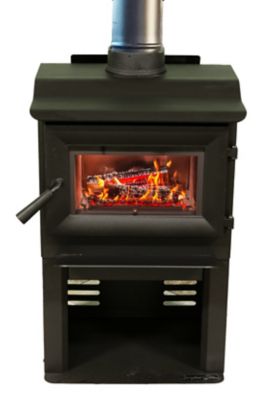
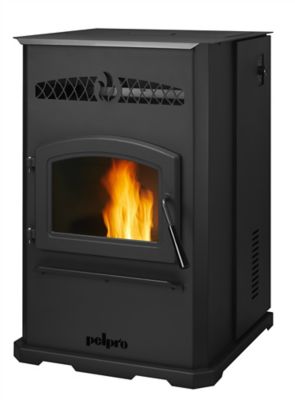
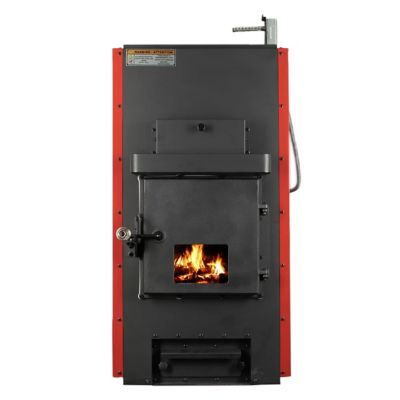
Wood stoves for small homes bring steady, close-to-home heat to compact houses, cabins, and smaller living spaces without taking up the room a larger heater needs. The right fit starts with the space being heated, not just the stove’s footprint. Published heating coverage and heat output in British thermal units, or BTUs, help compare options, but insulation, ceiling height, window area, local climate, and room layout all affect how that heat feels indoors. A modest, open-plan home lets warmth travel differently than a house with narrow hallways and bedrooms behind closed doors. A stove near the main gathering space can make a kitchen and living room comfortable while leaving farther rooms cooler, so it may serve as supplemental heat rather than the home’s only heating source. An oversized stove can make a small room too hot, especially if keeping the room comfortable means restricting the fire below the manufacturer’s recommended operating range. A smaller model with suitable output gives the household a better chance of maintaining a clean-burning fire without overheating the space. Firebox capacity matters, too: it determines how much wood fits inside, what log lengths the stove accepts, and how often another load may be needed. Compact fireboxes generally hold less fuel than larger ones, and some require shorter splits than the firewood already stacked beside the shed. Steel, cast iron, and stone-containing designs offer different looks and heat-storage characteristics, though overall mass and construction matter more than material alone. Steel bodies often have straightforward lines, cast iron can bring a more traditional appearance, and stone components can help hold and gradually release heat. A glass-front door lets the flames become part of the room while providing a view of the fire. For a small farmhouse, weekend cabin, or downsized home, those details make a difference: the stove needs to suit daily routines as well as the room where boots come off and folks settle in.
A compact wood stove still needs room around it, and the installation space can be much larger than the stove itself. Manufacturer-specified clearances to walls, furniture, curtains, and other combustible materials are part of the fit, along with the required hearth protection beneath and around the appliance. Depending on the model, that protection may involve ember resistance, a specified insulation value, or both; a layer of tile alone does not necessarily meet the requirement. Door placement also affects everyday access. There should be space to open the loading door, carry in firewood, and tend the stove without blocking a walkway through a tight living room. Heat shields can reduce certain clearances only when the appliance listing, shield design, and local requirements allow it. Venting deserves just as much attention as floor space. The flue outlet size, chimney height, vent route, and chimney condition must suit the stove’s instructions, while the chimney system must be appropriate for wood-burning service. Connector pipe is not a substitute for a listed chimney where the vent passes through walls, ceilings, or the roof. A qualified installer can assess the whole setup, including draft, nearby exhaust fans, and any combustion-air requirements in a tightly sealed house. Homes classified as manufactured or mobile housing need a stove specifically approved for that installation and must meet the applicable requirements; a small footprint alone does not make a stove suitable. EPA-certified wood stoves meet federal particulate-emissions limits, but emissions certification does not replace the appliance’s safety listing or installation requirements. Noncatalytic models often burn smoke gases through secondary combustion, while catalytic models incorporate a catalyst to support cleaner combustion under specified operating conditions. Both approaches need proper fuel and operation. Smoke alarms, carbon monoxide alarms, and sensible separation from children and pets belong in the household plan. Many wood stoves can supply radiant heat without electricity, although optional blowers and other powered features may stop during an outage.
Daily use is where a small wood stove earns its place in the home. Firewood that fits the firebox, a convenient loading door, and accessible ash removal make the difference between a manageable routine and a chore that interrupts every evening. Seasoned firewood with a moisture content around 20 percent or lower generally burns more effectively than wet wood; the stove manual may give a more specific target. A moisture meter reading from the freshly exposed interior of a split gives a better picture than checking the weathered outside. Wood stored off the ground, with the top covered and the sides open to airflow, has a better chance to dry than a tightly wrapped pile. Smaller stoves may call for extra cutting and splitting, so log-length limits are worth checking against the firewood supply before choosing a model. Burn times depend on firebox size, fuel species, moisture, draft, and the operating setting, rather than a single advertised number. A compact stove may need more frequent loading, and an overnight burn claim should not be treated as a promise of the same room temperature until morning. Proper air control supports combustion, but choking a fire to stretch each load can increase smoke and creosote buildup. Burning trash, painted lumber, or pressure-treated wood is not appropriate for a residential wood stove. Long service life also depends on regular attention to door gaskets, firebrick or other firebox liners, air passages, and any catalyst the design includes. Stove glass should be cleaned only when cool and by the methods the manufacturer recommends. Ashes can hold hot coals long after a fire appears finished, so they belong in a covered metal container outside on a noncombustible surface, away from buildings and anything that can catch fire. Chimney inspection at least annually, with cleaning as needed, helps address deposits and spot problems before the stove sees heavy use. For a broader look at the category,
Top Rated Wood Stoves offers another place to compare stove styles while keeping heating needs, installation space, and everyday upkeep in view.