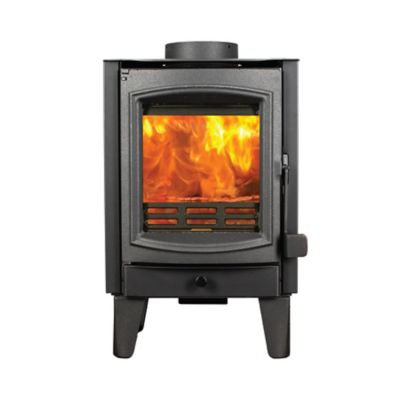
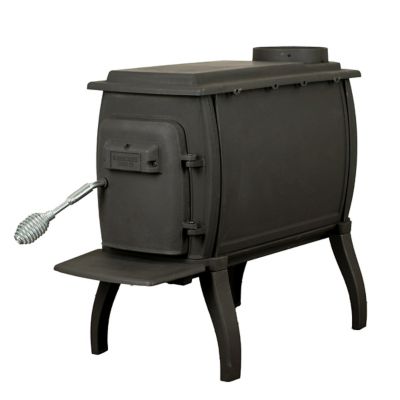
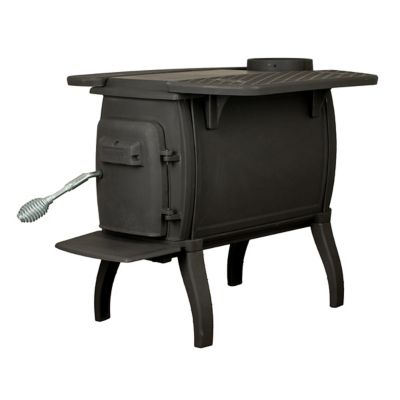
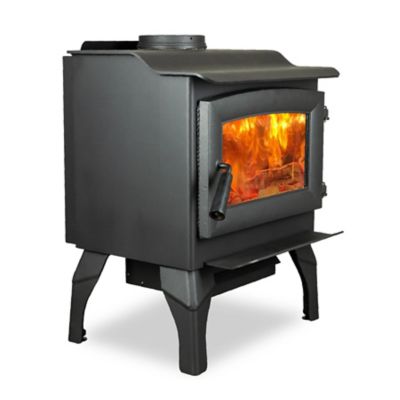
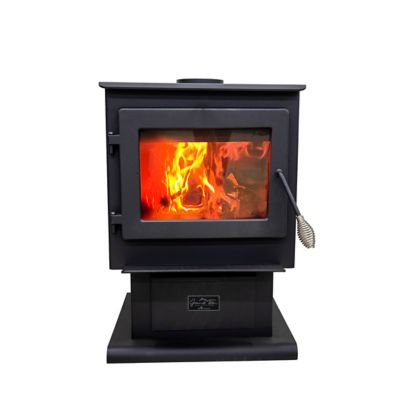
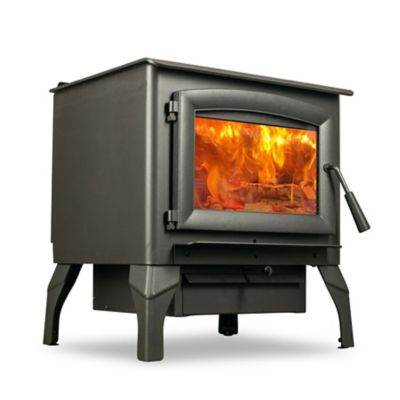
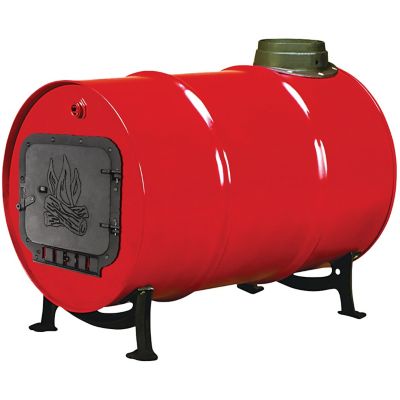
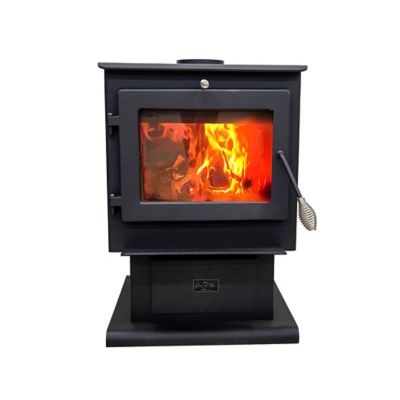
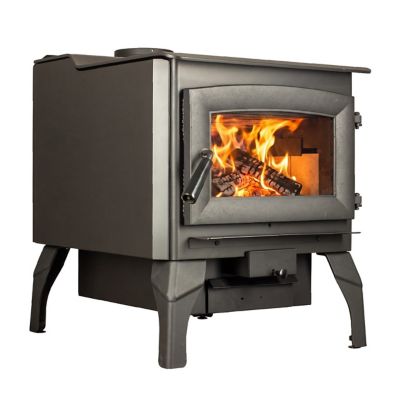
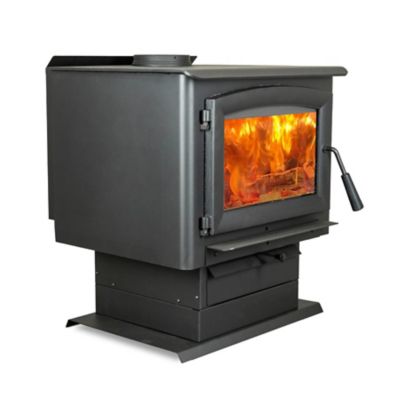
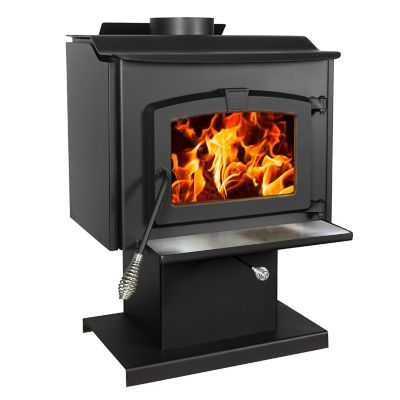
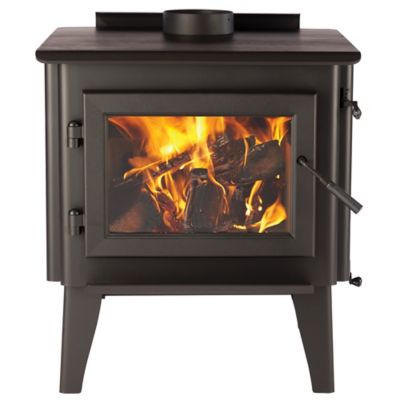
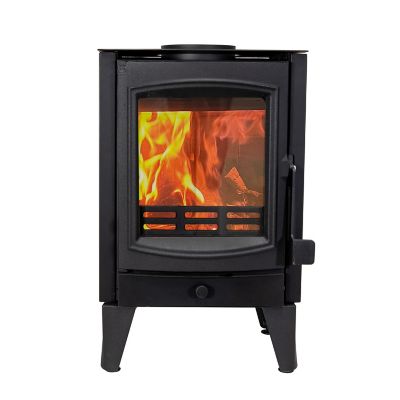
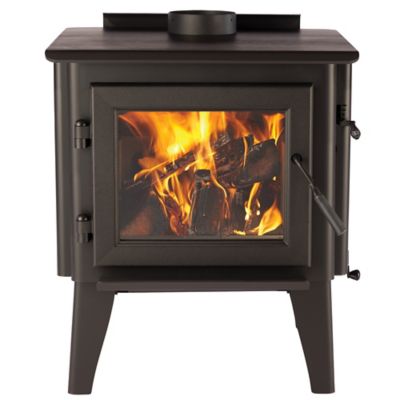
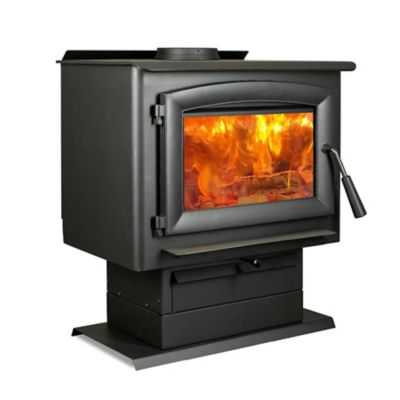
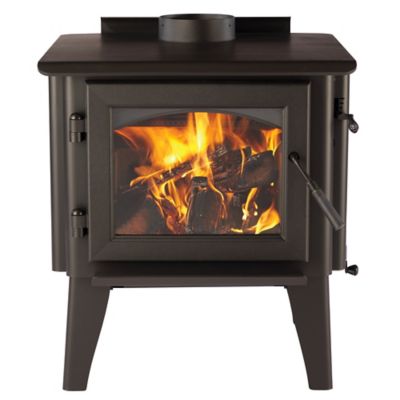
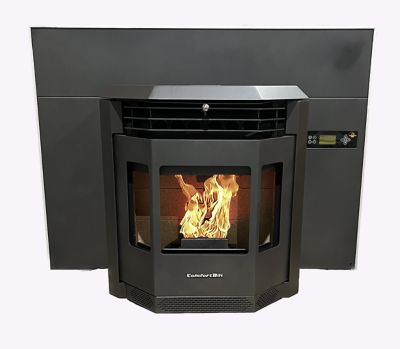
Wood-burning stoves for Christmas cabins bring steady heat and a fireside gathering spot to places where family settles in after a long drive down a gravel road. A fire glowing behind the glass fits right in with wool socks, a pot of coffee, and an evening spent playing cards around the table. Beyond that familiar cabin feel, the right stove needs to suit the building and the way people spend time there. A small, open cabin has different heating needs than a two-story getaway with drafty windows, high ceilings, and bedrooms down a narrow hall. Published heating-area and BTU ratings offer a starting point, but insulation, layout, ceiling height, and local winter temperatures all affect performance. An oversized stove can make the main room uncomfortable, while one that is too small may struggle to bring a cold cabin up to temperature. Comparing
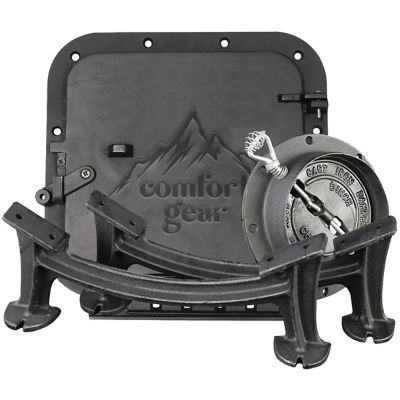
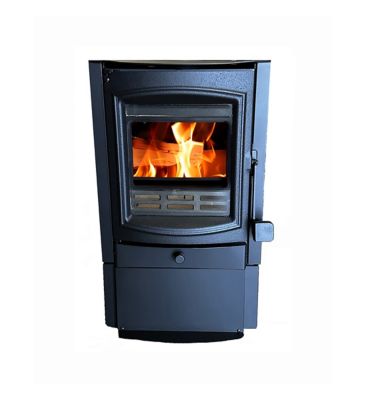
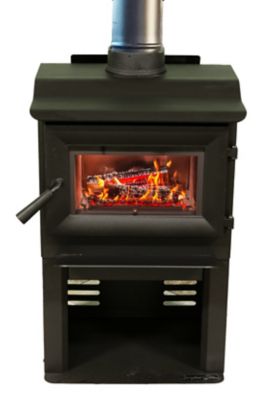
Wood Burning Stoves by heating capacity, firebox dimensions, and installation requirements helps put those ratings into everyday terms. Freestanding designs need an approved hearth area and chimney connection; fireplace inserts require a compatible existing fireplace and a properly designed venting setup. Cast-iron construction often brings a traditional cabin look, while welded-steel bodies tend toward simpler lines. Some designs incorporate stone that absorbs heat and releases it gradually. Construction, stove mass, and firebox lining all influence heating behavior, so material alone does not tell the whole story. Firebox size also determines the length of split wood a stove accepts, an important detail when the cabin’s woodpile is already cut and stacked. Door placement, handle reach, and room around the loading area matter when an armload of firewood comes through the door. For cabins where power interruptions are a concern, electrical requirements deserve attention, too: many natural-draft stoves provide radiant and convective heat without electricity, though blowers and certain controls may need power.
A Christmas cabin stove should feel manageable through an ordinary day, not just look good beside a rocking chair. A broad viewing window makes it easier to check the fire, and an air-wash system can help limit soot on the glass when the stove is operated as directed. An accessible ash pan, straightforward air controls, and a loading door that suits the room can make routine tending less awkward. Burn-time claims need context, especially for a cabin where someone hopes to bank a fire before turning in. Firewood species, moisture, load size, chimney draft, and the selected heat output all affect how long a load lasts; a long advertised burn does not necessarily mean strong heat throughout that entire period. Noncatalytic stoves commonly rely on secondary combustion to burn gases released by the wood. Catalytic designs pass smoke through a catalyst that supports combustion at lower temperatures, while hybrid designs combine approaches. Each has its own operating requirements and maintenance needs. EPA certification addresses emissions performance, but it does not replace a safety listing, local approval, or proper installation. Well-seasoned, untreated firewood is central to performance across these designs. Wood with moisture below 20 percent, checked on a freshly split face, generally burns more effectively than damp wood and helps reduce smoke and creosote buildup. The stove manual remains the authority on suitable fuel and loading practices; wrapping paper, painted lumber, and household trash do not belong in the firebox. A covered wood rack with airflow around the splits helps keep the cabin’s fuel supply ready without piling logs against a hot stove. For households drawn to off-grid cooking, a wood cookstove is a separate consideration from a room heater. An approved cooking surface, oven capacity, and the demands of managing cooking heat all matter. An ordinary heating stove should not be assumed suitable for cooking simply because it has a flat top.
The installation around a cabin stove matters every bit as much as the stove itself. Floor protection must meet the model’s requirements for ember protection and, where specified, thermal resistance; a thin sheet of noncombustible material is not automatically enough. Clearances to walls, furniture, ceilings, and other combustible materials come from the appliance listing and installation manual. Chimney diameter, height, routing, and roof penetration also need to suit the appliance and building. Connector pipe and chimney components have different jobs and are not interchangeable. A qualified installer can evaluate an existing chimney, explain permit requirements, and account for local codes before a stove becomes part of the cabin. Manufactured or mobile homes require equipment specifically approved for that installation and any additional provisions in its listing. Inside the room, Christmas trees, stockings, garlands, wrapped gifts, and drying mittens need a place well away from the stove and connector pipe. A hearth gate can help establish a boundary for children and pets, though hot surfaces still call for supervision. Working smoke and carbon monoxide alarms, an accessible fire extinguisher, and clear exit paths belong in the same plan. Ongoing care supports both safe operation and a longer service life: door gaskets, firebrick, baffles, glass, and any catalyst need attention according to the manufacturer’s schedule. Annual professional inspection of the chimney and venting system, with cleaning as needed, helps address creosote and other problems before another cabin stay. Ashes belong in a covered metal container outdoors on a noncombustible surface, away from buildings and other materials that can burn, since hidden embers can remain hot for days. For a family considering a stove as a shared Christmas gift, confirming the cabin’s heating needs and installation fit beforehand makes more sense than choosing by appearance alone. A well-matched setup can serve holiday gatherings and the quieter winter visits afterward, whether the evening brings a full table of relatives or just two chairs pulled up at a safe distance from the fire.