Women's Steel Toe Cowboy Boots

Keep your Western style when the work calls for toe protection. Shop women's steel toe cowboy boots at Tractor Supply, with pull-on styles from Durango, Justin and more. Compare round and square toes, shaft heights and cushioned footbeds to find your fit. Before heading to the barn or the jobsite, check each boot's safety ratings against your work requirements.
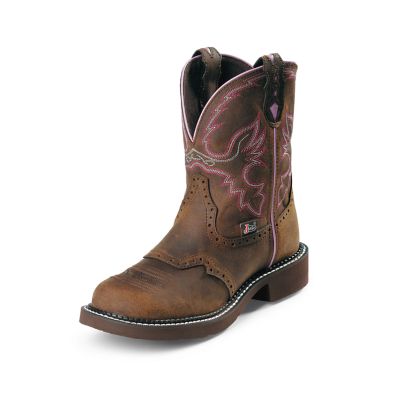
Justin Women's 8 in. Gypsy Collection Wanette Steel Toe Western Boot, WKL9980
Justin Justin Women's 8 in. Gypsy Collection Wanette Steel Toe Western Boot, WKL9980
A brown cowhide leather western boot with steel toe, pink stitching, and cushioned insole for comfort.
(52)
$144.99 $108.74
SALE
What customers like:
Easy to slip on and off
Attractive appearance and style
Comfortable for all-day wear
Steel toe provides protection
Sturdy and long-lasting
$144.99 $108.74
SALE
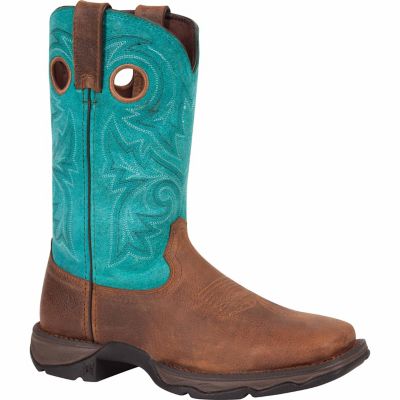
Durango Women's Lady Rebel Bar None Steel Toe Boots, 10 in.
Durango Durango Women's Lady Rebel Bar None Steel Toe Boots, 10 in.
A tough and comfortable steel-toe boot for women, featuring full-grain leather uppers and cushioning for all-day wear.
(36)
$184.99 $147.99
SALE
What customers like:
Stylish look
Comfortable cushioning
Affordable price
Durable
Good fit
$184.99 $147.99
SALE
Durango Maverick Womens Rugged Tan Square Steel Toe Boot
Durango Durango Maverick Womens Rugged Tan Square Steel Toe Boot
A rugged tan square steel toe boot for women with waterproof construction and all-day comfort.
(5)
$169.99 $135.99
SALE
$169.99 $135.99
SALE
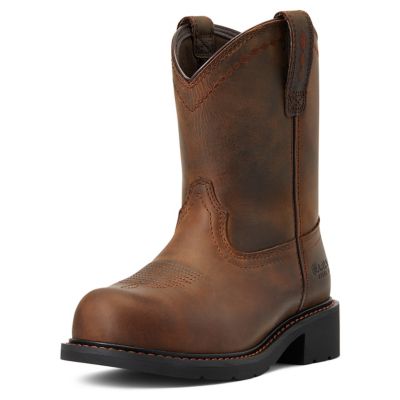
Ariat Women's Fatbaby Pull-On Steel Toe Work Boots
Ariat Ariat Women's Fatbaby Pull-On Steel Toe Work Boots
A durable and comfortable steel toe work boot for women, with full-grain leather construction and slip-resistant outsole.
(90)
$139.99 $111.96
SALE
What customers like:
Stylish design
Durable and long-lasting
Good quality construction
Provides safety and protection
Comfortable fit
$139.99 $111.96
SALE
Women's steel toe cowboy boots pair a familiar western shape with a protective toe cap built into the front of the boot. They suit women who want pull-on work footwear for farm chores, ranch work, equipment shops, warehouses, and other jobs where protective footwear is required. A tall shaft, stitched leather upper, and western heel keep that cowboy-boot character, while work-focused construction puts attention on footing, support, and protection. The steel cap helps protect toes against impact and compression hazards within its rated limits, such as those associated with falling or rolling objects. For jobs with footwear requirements, the important detail is the safety marking, not simply the look of the toe. ASTM F2413 identifies a standard for protective footwear; the boot's label and description should show which requirements it meets. Electrical hazard protection, puncture resistance, and other protections are separate features that should never be assumed from a steel toe alone. Electrical hazard footwear is supplemental protection under specified conditions, not a substitute for safe electrical work practices. Materials matter, too. Full-grain leather uppers offer a substantial feel and can soften with wear, while textile linings can help manage moisture inside the boot. Reinforcement around high-wear areas, sound stitching, and a firmly attached outsole all matter when boots spend their days beside feed bins, workbenches, or loading docks. Underfoot, cushioning helps soften each step, and a shank can add support through the arch. Those features serve different purposes: a soft footbed does not replace a supportive foundation, and a stiff boot is not automatically the right boot for every task. Women's steel toe western boots can have round, square, or broader toe profiles, but the outer shape alone does not tell the whole fit story. The space inside the toe cap, the shape of the footbed, and the way the heel sits all affect how a pair feels through a full day's work.

Fit deserves particular attention with steel toe cowboy boots because the protective cap will not stretch to make more room. Toes need space to move without pressing against the cap's front, top, or sides, including when walking downhill or stepping off equipment. The ball of the foot should sit near the boot's natural flex point, with the instep held comfortably rather than squeezed. A little heel movement can occur in a new pull-on leather boot, but excessive slipping, rubbing, or a foot sliding forward calls for a different fit. The socks worn on the job belong in that fit check, whether that means cushioned work socks or a thinner pair. Adding a thick insole also takes up room and can change where the foot sits beneath the cap. Women's sizing and width options help narrow the choice, though fit can differ between boot shapes. Shaft height and calf room matter when kneeling beside a gate hinge, climbing into a truck, or spending hours on foot. A shaft that rubs or binds can become a distraction well before the work is finished. Outsoles deserve the same close look as uppers. Rubber compounds, tread depth, and lug spacing affect how a boot handles different surfaces, from packed dirt around a barn to concrete in a service bay. Slip resistance is not a promise against every fall, and oil resistance describes how a material stands up to oil rather than guaranteeing traction on an oily floor. Tread can also collect packed soil or small stones, changing how it contacts the ground. Heel height and shape influence stability and the feel of each step, especially when carrying supplies or standing at a bench. A western profile does not automatically make a work boot suitable for riding, either; stirrup compatibility is a separate consideration. The best match comes from the actual tasks, workplace requirements, and footing the wearer encounters, rather than stitching color or toe shape alone.

Everyday care helps leather work boots keep their shape and remain comfortable through repeated wear. Dirt left along seams and flex points can grind into the surface, so brushing away dry soil and wiping off residue makes a difference. Leather cleaners and conditioners should match the material and finish; smooth leather, suede, and treated uppers do not all call for the same care. Too much conditioner can leave leather overly soft or change its appearance, so the boot maker's care directions are worth following. Boots damp from spills, washdown work, or perspiration need time to dry naturally away from direct heat. Removing removable footbeds can help the inside dry, and rotating between pairs gives linings more time to air out. Waterproof construction may be helpful around water troughs or wash areas, but a waterproof label does not mean water cannot enter over the shaft. It also does not replace care for seams, leather, and any waterproof lining. A quick check of the soles, heels, stitching, and toe area can catch wear before it becomes a bigger concern. Worn-smooth tread, a separating sole, exposed protective components, or damage after a significant impact may mean a boot needs replacement, even if the upper still looks presentable. Protective footwear should follow the manufacturer's inspection and replacement guidance rather than appearance alone. For gifting, these boots make the most sense when the wearer's work requirements, size, width, and preferred shaft fit are already known. Someone who spends the day checking pens may want a different feel underfoot than someone standing at a warehouse packing station, even when both need steel toe protection. Personal style still has a place, from straightforward leather finishes to contrast stitching that shows above the foot. For another take on western style beyond everyday workwear, Women's Gold Cowboy Boots offer a different look. With work boots, though, the foundation stays the same: the right safety features for the task, enough room through the toe, steady footing, and a fit that stays comfortable from the first chore to the last.

FAQ

Back to top