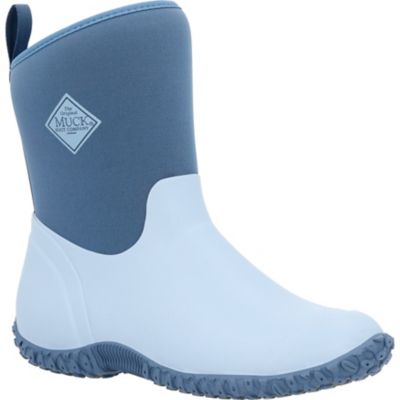
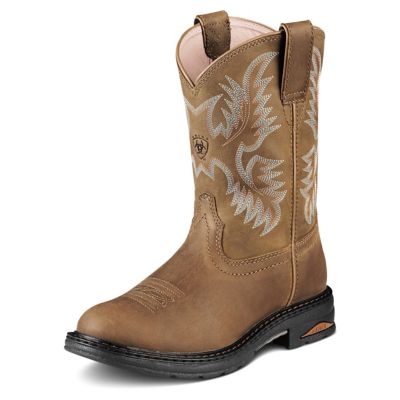
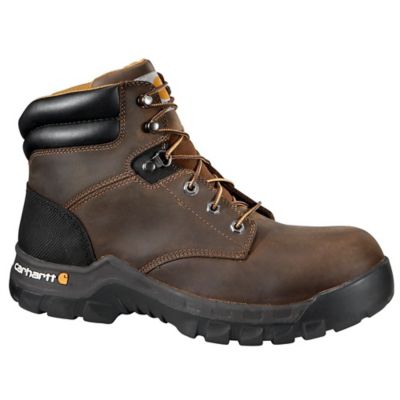
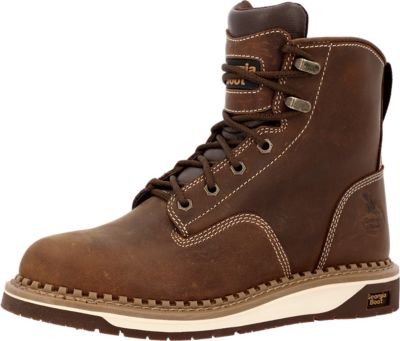
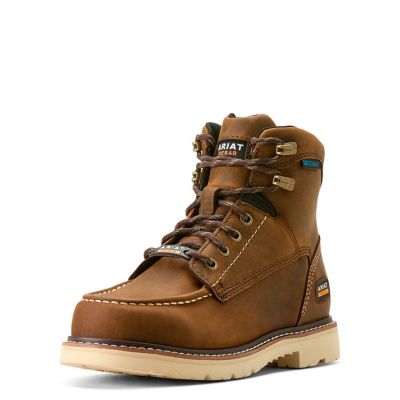
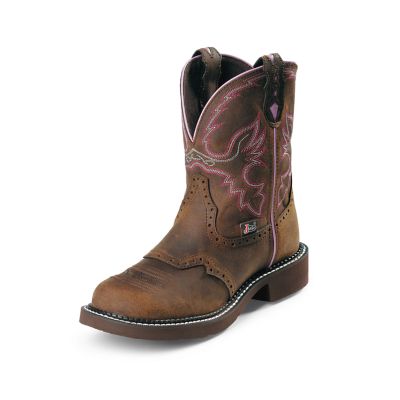
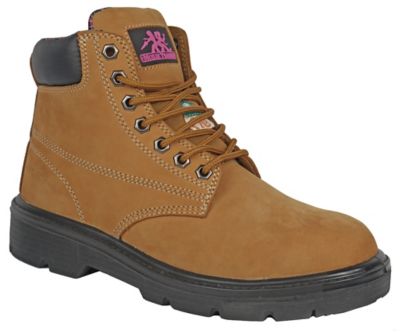
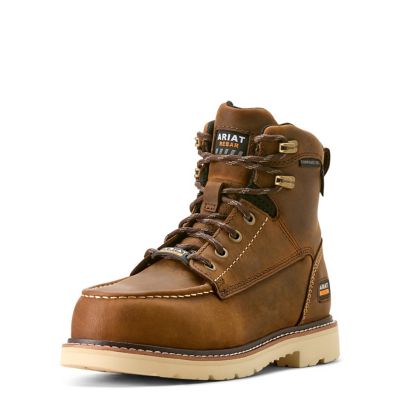
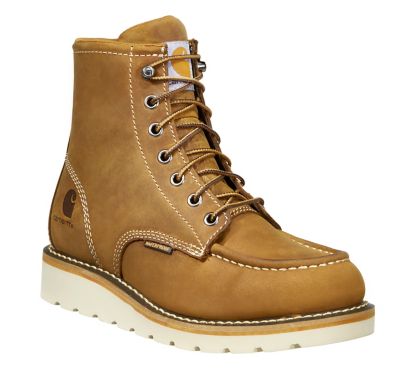
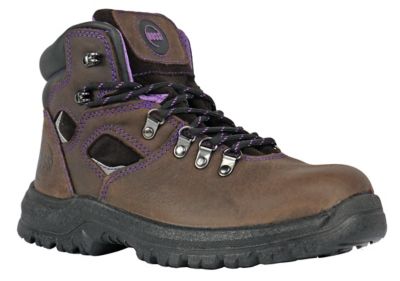
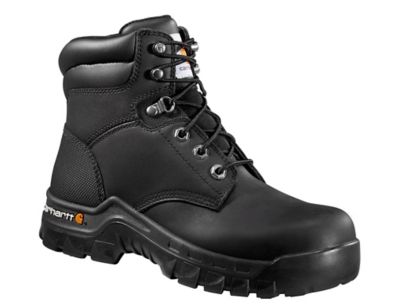
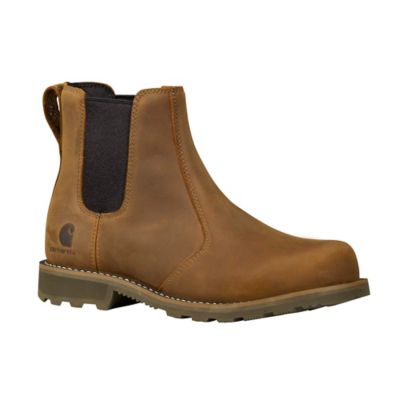
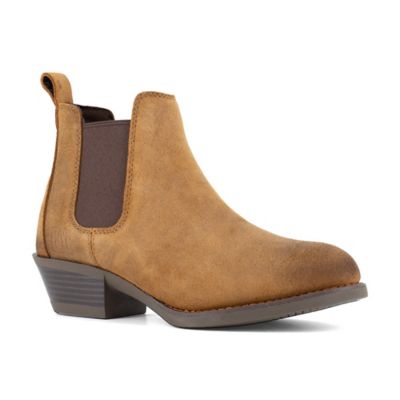
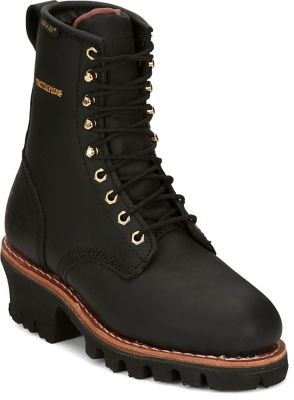
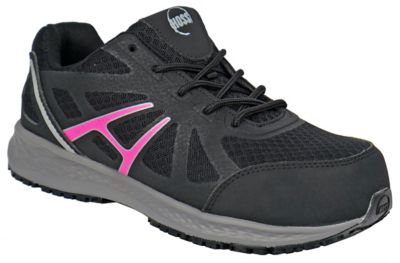
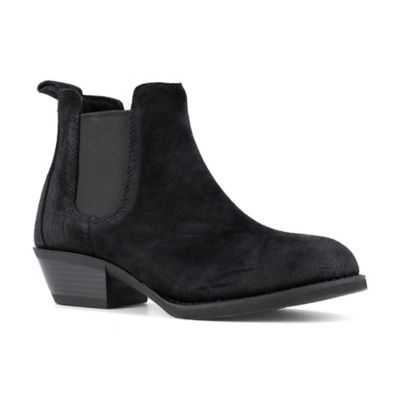
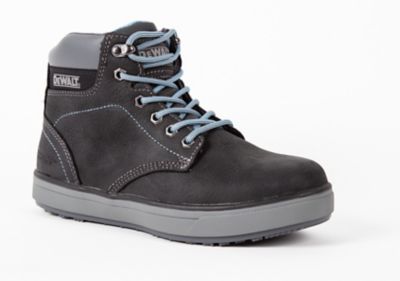
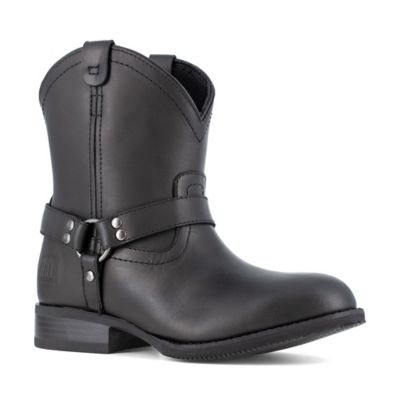
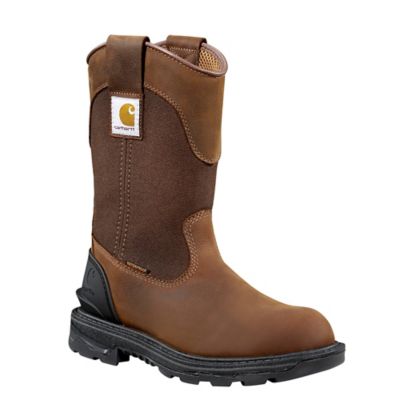
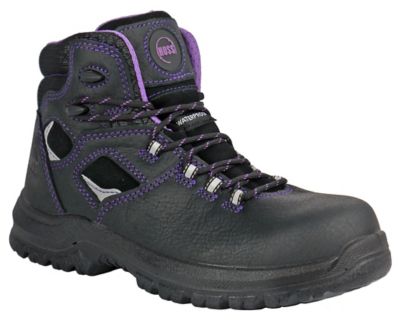
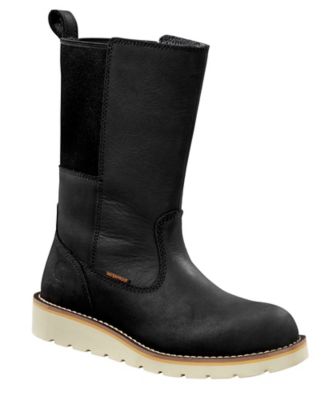
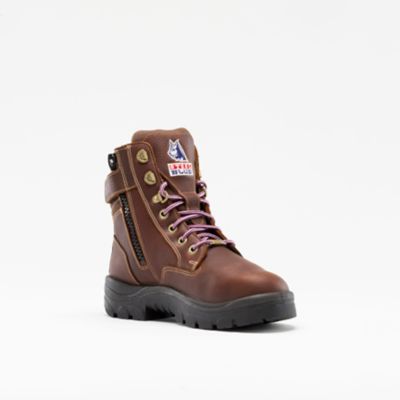
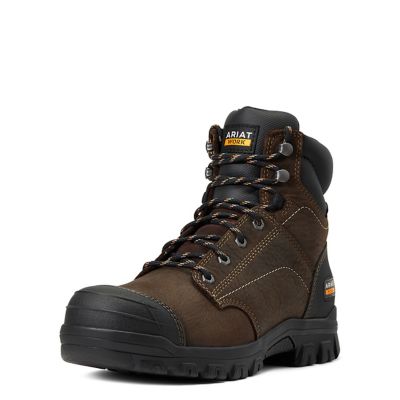
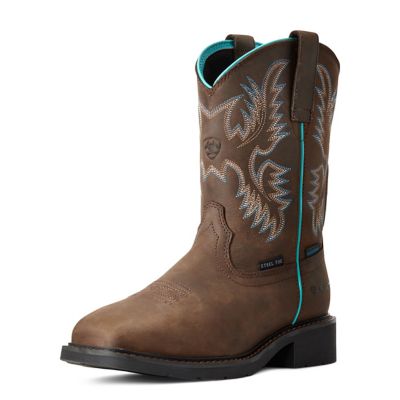
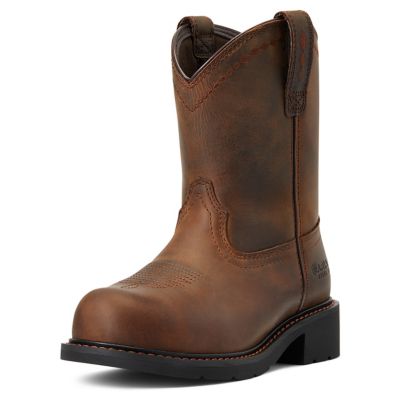
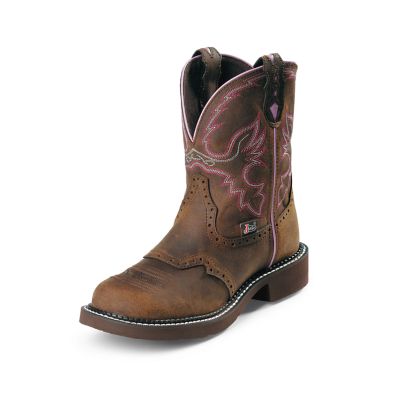
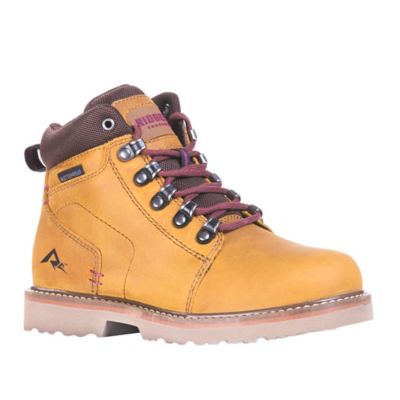
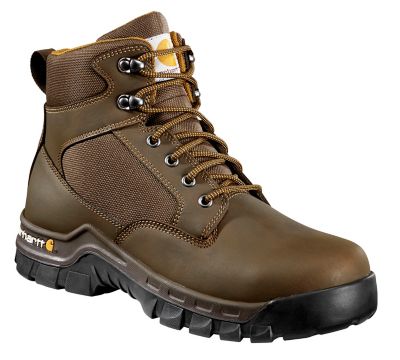
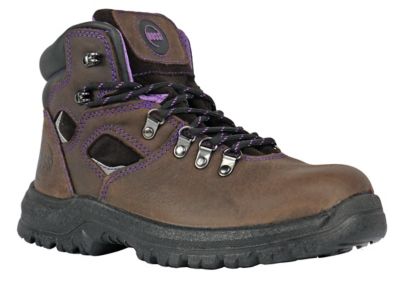
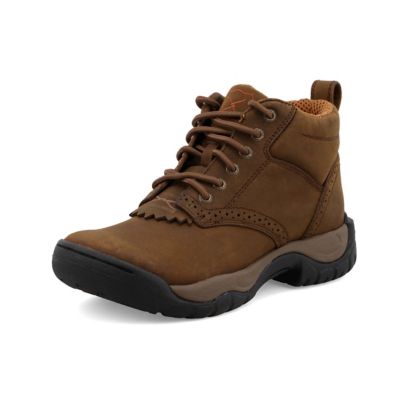
Women's electrical hazard work boots bring everyday jobsite support together with a specific kind of secondary electrical protection, helping fill a safety requirement that ordinary work boots may not meet. An EH rating means the footwear has been tested for resistance to electrical current under dry conditions, with the sole and heel helping reduce the risk of current passing through the feet during accidental contact. That distinction matters in maintenance shops, manufacturing plants, warehouses and other workplaces where an electrical hazard assessment calls for this type of footwear. EH boots are not primary electrical protective equipment, are not a substitute for de-energizing equipment and do not make it safe to work on live circuits. Electrical safety procedures and any required insulating equipment still apply. For protective-toe footwear, ASTM F2413 markings identify the applicable safety features, and the EH designation identifies electrical hazard performance; soft-toe EH footwear can carry markings under ASTM F2892 instead. The actual label and the employer's footwear requirements matter more than the boot's appearance. A thick rubber sole, a leather upper or a composite toe does not establish an EH rating on its own. An electrician's apprentice walking between a shop bench and a service area may need a different combination of toe protection, traction and ankle coverage than a warehouse worker spending most of a shift on concrete. Likewise, farm maintenance can involve dropped tools, uneven footing and equipment repairs, but those tasks don't all call for the same safety features. Electrical hazard protection, impact and compression protection, puncture resistance and slip resistance are separate features, so one marking should never stand in for another. EH footwear is also different from conductive or static-dissipative footwear, which serves other workplace needs. Matching the complete set of requirements to the job keeps the focus where it belongs: on protection that suits the work, not just a familiar-looking boot.
Materials and construction shape how women's EH work boots feel from the first walk across the shop floor to the last load-out of the day. Full-grain leather brings a substantial feel and can soften around the foot with regular wear, while leather-and-textile uppers may offer more flex and less weight. Reinforced stitching, protected toe areas and a well-built connection between the upper and sole help boots stand up to kneeling, scuffing and repeated bending. Cemented construction often has a lighter, more flexible feel, while welted construction can provide a firm platform; whether a boot can be resoled depends on its design and the manufacturer's guidance. Any repair also needs to preserve the required safety performance, rather than simply making the boot wearable again. Outsole shape matters just as much as the upper. Deep lugs can help on loose gravel around a shop yard, while a flatter wedge sole spreads contact across hard floors and may feel steadier during long stretches at a workbench. Neither tread pattern automatically means slip resistance, and performance on oil, grease or smooth flooring depends on the sole's tested features and the surface. An EH rating doesn't establish traction performance. Waterproof construction can be useful around washdown areas or incidental spills, but it does not make electrical hazard protection effective in wet conditions. Moisture, worn soles and conductive debris lodged in the tread can reduce electrical resistance. Steel and composite safety toes each have a place when impact and compression protection are required, and either can appear in EH-rated footwear when the complete boot meets the applicable standard. A metal safety toe doesn't automatically rule out an EH rating, just as a nonmetallic toe doesn't guarantee one. For ladder work, a defined heel and supportive shank may be relevant to workplace requirements, while repeated crouching calls for enough forefoot flex to move comfortably. The right balance depends on the tasks, the walking surface and the safety rules at that particular site.
Fit deserves the same attention as the safety label, especially for women putting in full shifts on their feet. A women's-specific last shapes the boot's proportions through the heel, arch and forefoot, but fit still varies between designs. A secure heel helps limit rubbing, and enough room across the forefoot lets toes spread naturally without sliding around inside the boot. Safety toe caps don't stretch like leather, so pressure against the toes isn't something to count on breaking in. The work socks and any approved orthotic inserts worn on the job also affect fit, particularly across the instep and beneath the toe cap. Removable footbeds can make room for appropriate support, although replacement inserts should follow the manufacturer's guidance and workplace requirements. Lace-up boots allow adjustment along the instep and ankle, while pull-on styles need a close look at heel hold and the effort needed to get the foot through the shaft. Neither style should leave the foot shifting with every step. Within the broader category of
Women's Work Boots, EH-rated footwear adds a job-specific consideration to those everyday fit decisions. Comfort also comes from the whole construction: cushioning underfoot, a supportive midsole, smooth interior seams and enough flexibility for the work at hand. Care helps keep those parts working together. Brushing away grit, cleaning spills according to the care label and letting boots dry away from direct heat can help preserve leather, stitching and bonding. Leather conditioners should be compatible with the footwear, and treatments should never be assumed to restore electrical protection. Tread checks matter after time around metal shavings, nails or other conductive debris. Deep cuts, sole separation, exposed protective components or significant tread wear call for taking the boots out of service and following workplace replacement procedures. For someone starting an apprenticeship or stepping into a maintenance role, work boots can make a practical gift, but confirmed sizing and the employer's required markings matter more than guessing from everyday shoes. A comfortable fit and the right protection belong together, whether the day involves equipment checks, shop work or miles across a facility floor.