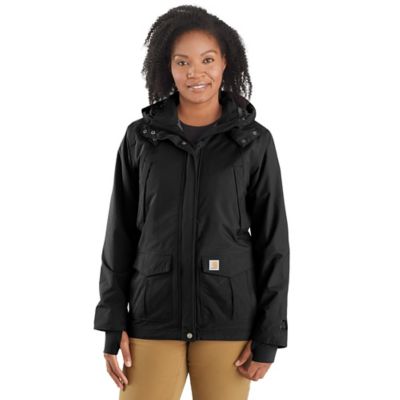
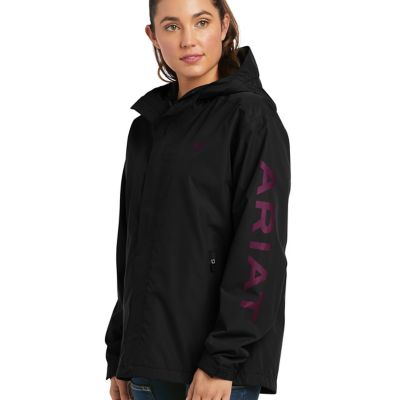
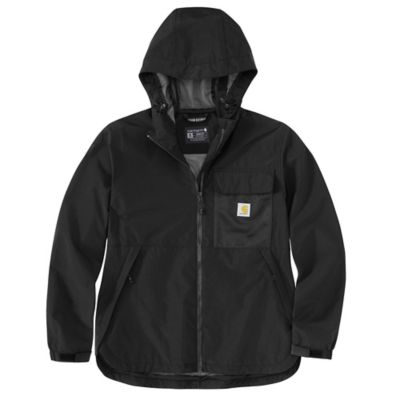
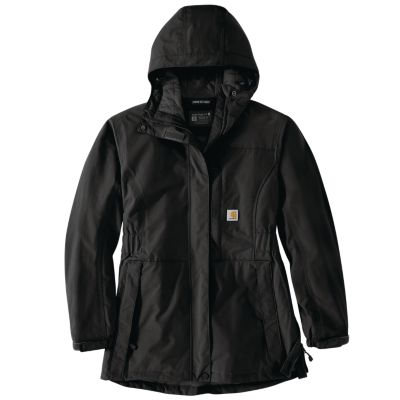
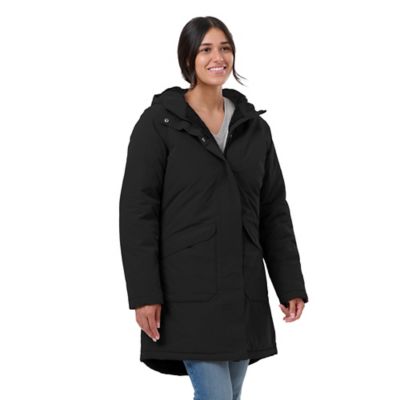
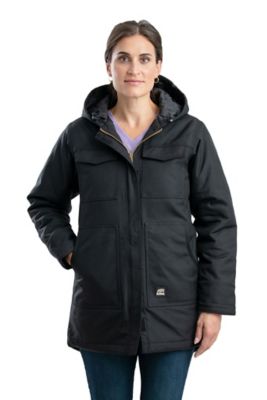
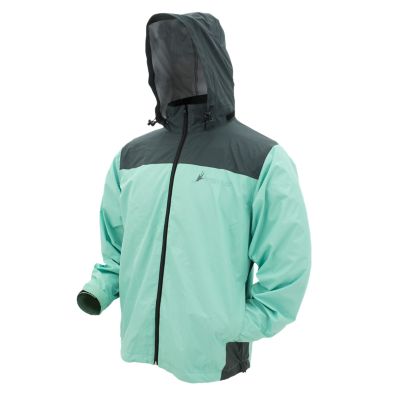
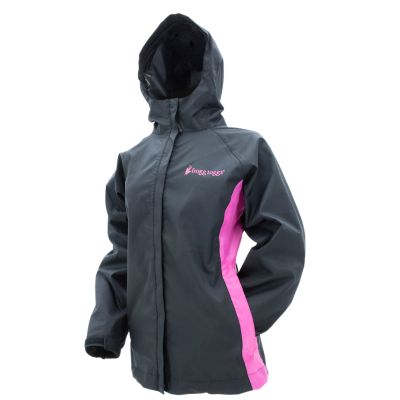
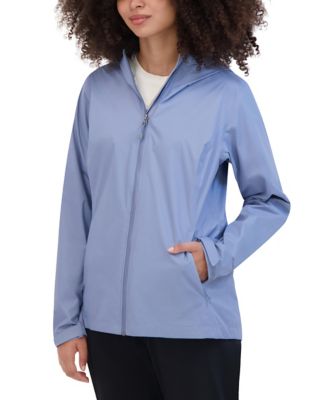
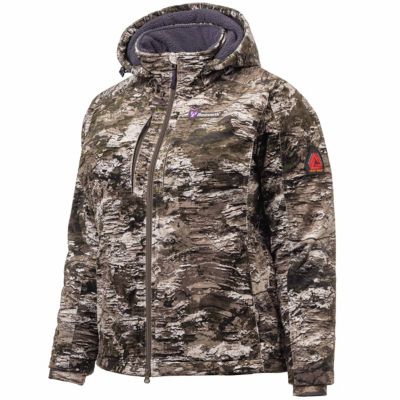
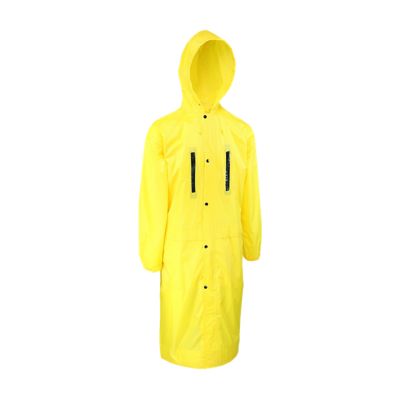
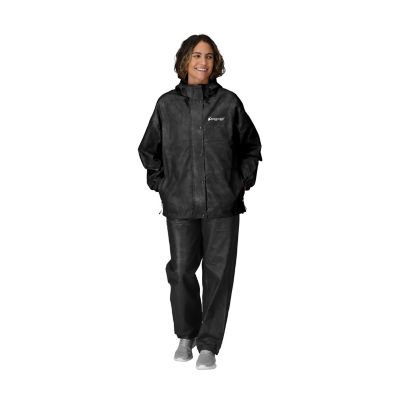
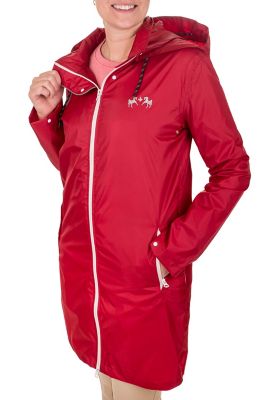
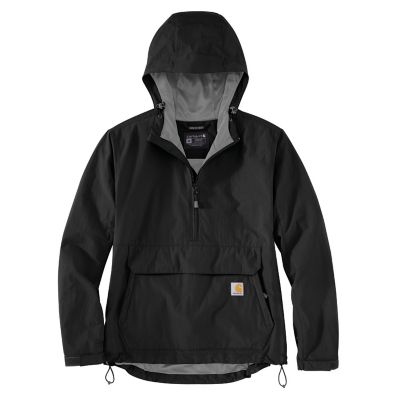
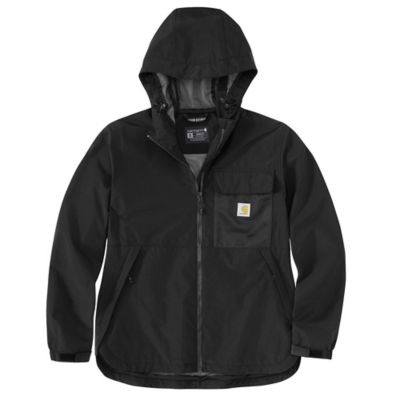
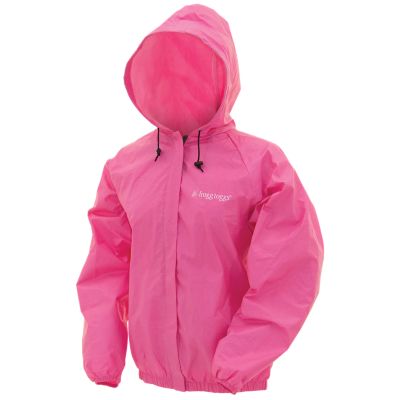
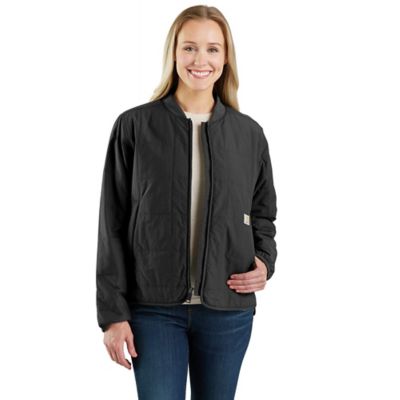
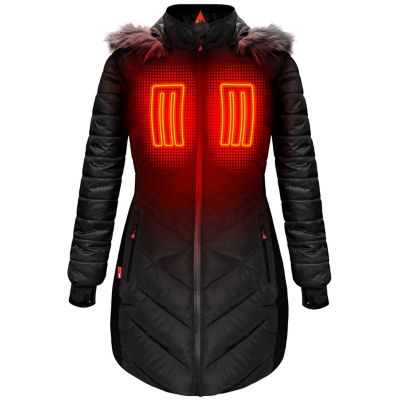
Women’s waterproof hooded jackets put a rain barrier between you and the next round of chores, whether that means carrying feed to the barn, checking a fence line, or walking from the truck to the front porch with both hands full. The hood adds coverage without tying up a hand with an umbrella, while the jacket’s construction determines how well it handles steady rain. Waterproof and water-resistant are not the same thing: water-resistant fabric can shed a light shower, but waterproof fabric is designed to block water from passing through under specified conditions. Seams, zippers, and openings matter just as much as the main fabric. Fully sealed seams help keep rain from working through stitching, and a covered front zipper or water-resistant zipper helps protect an otherwise vulnerable spot. Woven nylon and polyester are common outer materials, paired with coatings or membranes that provide the water barrier. Some constructions also allow moisture vapor to escape, which matters when a short walk turns into hauling supplies or climbing a muddy hill. Breathability varies, though, and even a waterproof, breathable jacket can feel damp inside when hard work produces more moisture than the fabric can release. Underarm vents and other protected ventilation openings can help manage that buildup when conditions allow. A water-repellent finish on the outside encourages droplets to bead and roll away, but that finish is separate from the waterproof barrier underneath. When the outer fabric starts soaking up water, the jacket may feel heavier and less comfortable without necessarily leaking. For women who spend time outdoors in more than a passing shower, details such as seam sealing, hood adjustment, and front closure design deserve close attention. A lightweight jacket may suit errands and short outings, while a more substantial shell can make sense for regular outdoor work. Fabric weight alone does not establish waterproof performance; the whole construction matters. Any published waterproof rating is best read alongside the garment’s seam details and intended use rather than treated as a promise that every opening will stay dry in every situation.
Fit makes a noticeable difference in how a women’s waterproof rain jacket feels once the day gets moving. There should be enough room through the shoulders, chest, and upper arms to reach a gate latch or lift a feed scoop without pulling the hem high or binding across the back. At the same time, excess fabric can bunch beneath straps or catch on nearby hardware. Room for a fleece, sweatshirt, or other midlayer gives an uninsulated shell more flexibility when rain arrives with a chill. Waterproof does not automatically mean insulated, so warmth depends on the lining, any added insulation, and the clothing underneath. For lighter coverage with separate layering options,
women’s waterproof shell jackets offer a related outerwear category. Longer hems provide more coverage over the hips and seat, especially while walking or bending, while shorter lengths can feel less restrictive when climbing into a truck. A two-way front zipper, where present, can make a longer jacket easier to sit in without opening the entire front. Hood shape deserves the same attention as sleeve length. An adjustable opening and a shaped brim can help keep rain off the face, while a rear adjustment can reduce loose fabric that slips forward over the eyes. The hood should move with the head without blocking a clear view to either side. Adjustable cuffs help limit water entry at the wrists, and a hem drawcord can reduce drafts and loose fabric around the waist. Pocket placement also changes everyday usefulness. Higher pockets may sit clear of a waist belt, while flap-covered or zippered pockets offer more protection than open pockets. Pocket closures do not necessarily make the contents waterproof, so a separate waterproof pouch remains sensible for a phone or important papers in heavy rain. These small construction details can matter as much on a wet walk with the dogs as they do during a long stretch of chores.
Women’s waterproof hooded jackets also need to match the wear they will see beyond rainfall. A shell carried in a daypack faces different demands than one worn while stacking supplies, leaning against a rough fence rail, or making repeated trips between outbuildings. Fabric thickness, weave, reinforced areas, and the strength of stitching all contribute to how a jacket stands up to rubbing and snagging. Lightweight, packable designs take up less space in a truck cab or bag, while heavier outer fabrics may be better suited to frequent contact with rough surfaces. Neither construction is automatically thornproof, and sharp wire, splintered wood, and jagged equipment edges can damage waterproof layers. Regular care helps preserve the jacket’s performance. Mud, body oils, and residue can interfere with the outer finish, so the garment’s care label should set the washing and drying routine. Some waterproof fabrics tolerate a gentle machine wash and low heat; others require different treatment. Fabric softener and products that leave residue are generally best avoided unless the care instructions specifically allow them. A suitable water-repellent treatment may help restore surface beading when recommended for the material, but it will not mend a tear or replace failed seam tape. Before putting a jacket away, letting it dry thoroughly helps prevent trapped moisture and musty odors. A quick check of the zipper, hood cords, cuffs, and seam tape can also reveal small problems before the next wet outing. For a gift, the recipient’s usual activities and preferred layering room are more helpful than a size label alone; garment measurements can clarify fit across different cuts. The most practical match is a jacket that works with the wearer’s routine, from a roomy shell over chore clothes to a lighter layer for walking trails and heading into town. Rain coverage, freedom to move, and straightforward care all earn their keep when there is still work to finish outside.