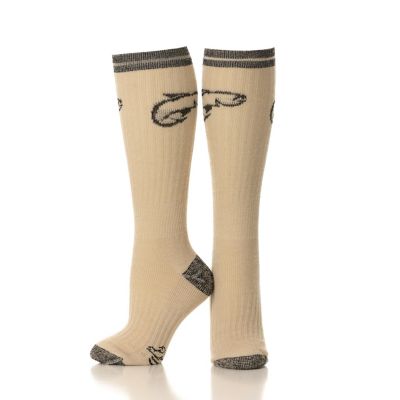
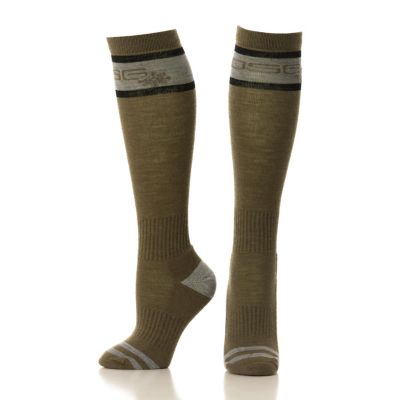
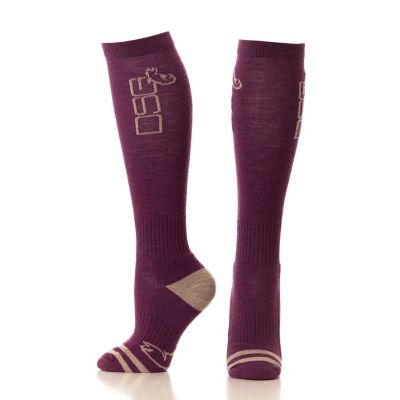
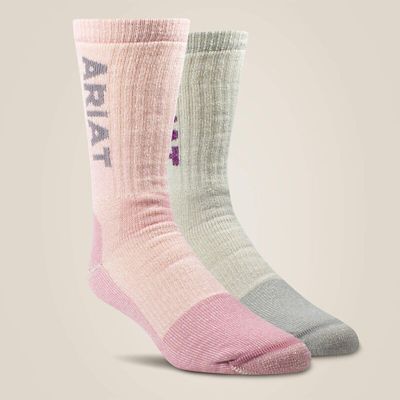
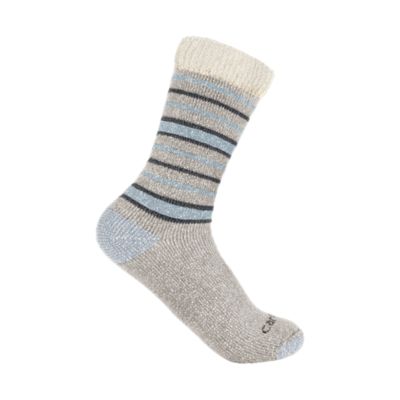
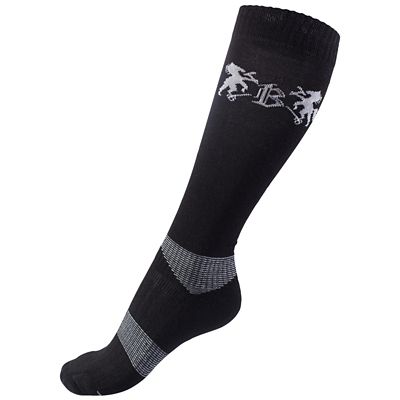
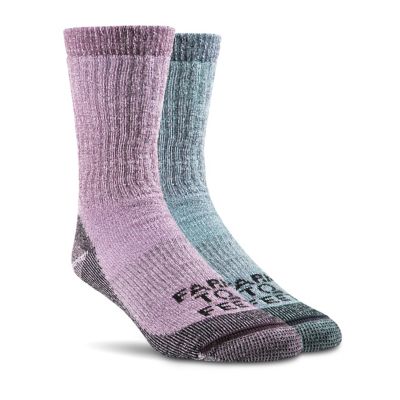
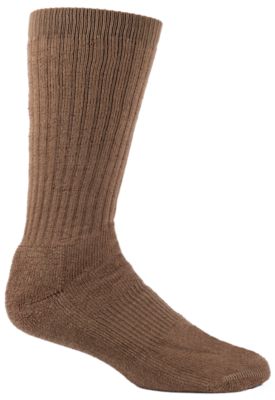
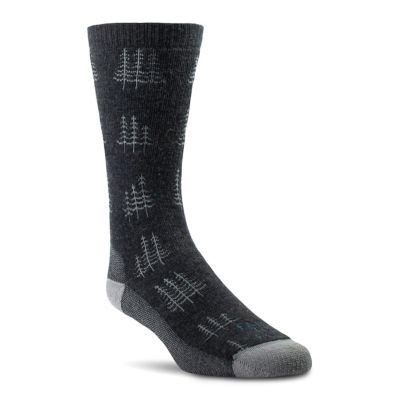
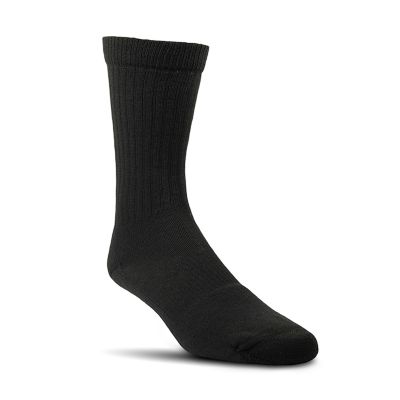
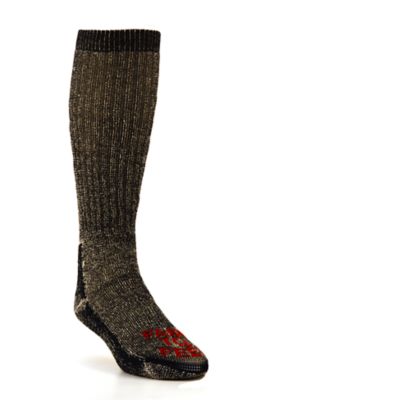
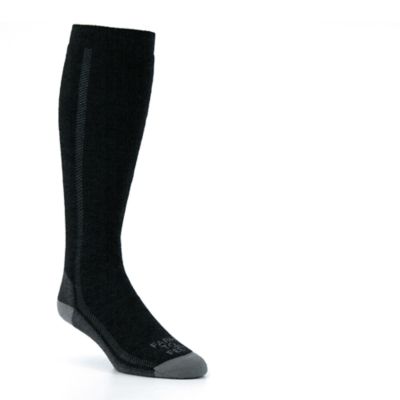
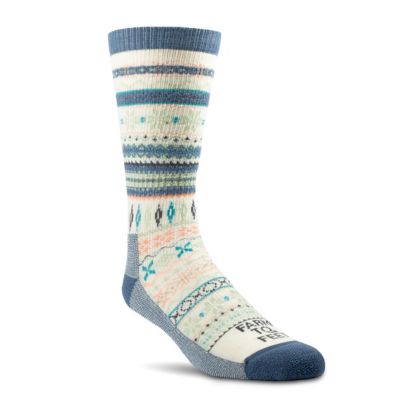
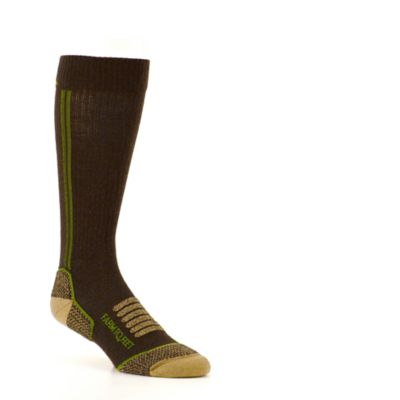
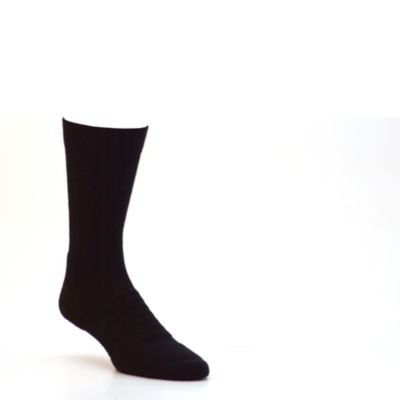
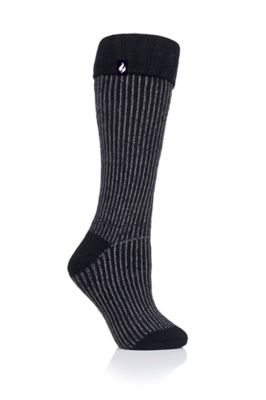
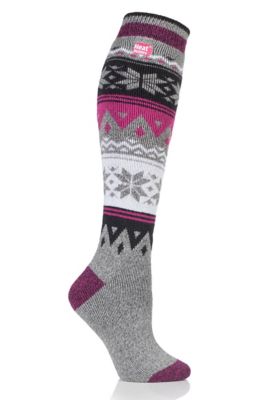
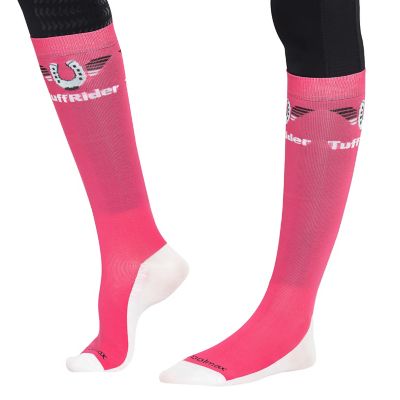
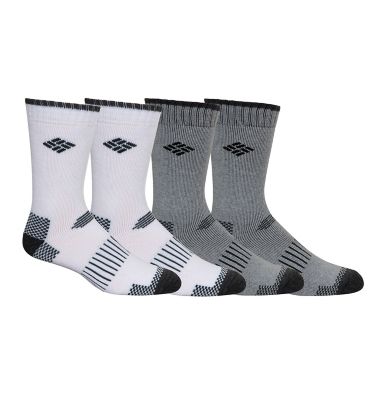
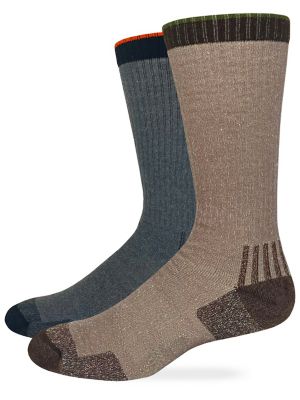
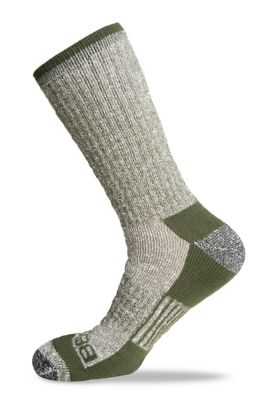
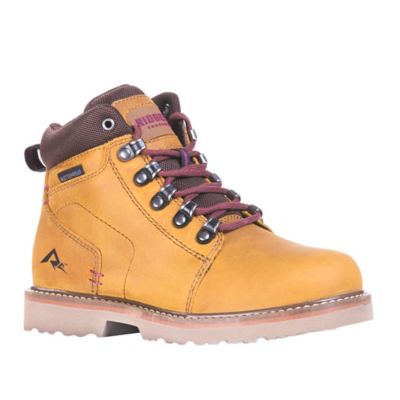
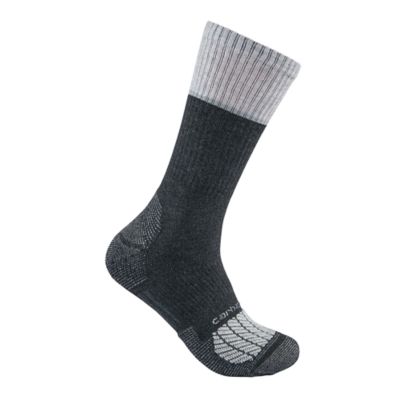
A full day in work boots asks a lot of a pair of socks, whether the job involves hauling feed, standing at a shop bench, or walking between the barn and the truck. Women's merino wool socks for work boots put a soft layer between your feet and the leather, lining, and seams that come with sturdy footwear. Merino wool has finer fibers than many traditional wool fibers, so it can feel smooth against the skin without needing a heavy, bulky knit. It also absorbs moisture vapor and can help limit odor buildup, useful traits when boots stay on through chores, errands, and a full shift. The fiber blend matters as much as the merino name on the label. Many work socks combine wool with nylon for added resistance to abrasion and a small amount of spandex or another stretch fiber to help hold their shape. Wool content, knit construction, and reinforcement all contribute to how a sock feels and wears; a higher wool percentage alone does not tell the whole story. Reinforced heels and toes put extra yarn where repeated rubbing tends to take its toll, while cushioning under the foot can soften the feel of a firm boot footbed. For women who spend hours on concrete floors, climb equipment steps, or walk across gravel lots, those details have a practical purpose. The right balance leaves enough room inside the boot for toes to move without letting excess fabric bunch under the ball of the foot. A sock that feels pleasant on its own still needs to work with the boot it goes into, especially when a safety toe or a close-fitting leather upper leaves little room to spare. That makes thickness, stretch, and the shape of the footbed just as important as softness when matching socks to everyday work footwear.
Fit starts with the heel sitting where it belongs rather than creeping toward the arch or riding above the back of the foot. Women's sock sizing can vary by maker, and the listed shoe-size range is a better reference than a size name alone. Foot width matters, too: a narrow foot may need a closer knit to keep fabric from shifting, while a wider forefoot needs enough give across the toes. Merino blends with a shaped heel and a gently snug band around the arch can help the sock stay settled, though that band should not feel pinching or restrictive. Toe seams deserve attention when boots stay on for long stretches. A flatter seam can reduce the raised ridge across the toes, especially inside a fitted boot. Sock height is another small detail that makes a noticeable difference. A crew sock may sit comfortably above a shorter work boot, while a taller shaft often calls for a taller sock to keep the boot collar from rubbing bare skin. The cuff needs enough stretch to stay up without leaving a deep band around the calf. Cushion placement also changes the feel of a pair. Padding beneath the heel and forefoot adds material at common pressure points, while a thinner knit over the top of the foot can leave more room beneath the laces. Full cushioning feels different from a lighter sole, and neither is the answer for every boot or every task. Extra-thick socks can make a roomy boot feel more filled out, but they can also crowd a pair that already fits closely. Doubling up can cause the same trouble and may leave folds where the two layers shift against each other. A smooth fit with the boots laced as they normally are gives a better picture of comfort than thickness alone. For work that alternates between sitting in a cab, walking fence lines, and standing at a counter, a sock that stays in place can mean less stopping to tug at cuffs or straighten fabric.
Regular care helps merino wool work socks keep their fit and feel through repeat wear. The care label is the best starting point because blends differ, and some pairs call for gentler washing or a different drying method than others. A mild detergent, the recommended wash setting, and only the drying method listed on the label help protect both the wool fibers and the stretch yarns. Turning socks inside out before washing can help release dirt from the footbed, particularly after a day around dusty floors or feed rooms. Giving socks room to dry fully between wears matters, too; stuffing a damp pair back into boots leaves little opportunity for moisture to escape. Rotating pairs spreads out wear and gives each pair time away from the pressure and rubbing of a workday. A thinning heel, a flattened cushion, or a cuff that no longer stays up can signal that a pair is nearing the end of its working life, even before a hole appears. Small pills on the surface, on the other hand, can come from everyday friction and do not necessarily mean the sock has stopped doing its job. For someone putting together a practical gift, merino wool socks make sense when the recipient spends plenty of time in boots, whether that's tending livestock, working in a warehouse, or tackling repairs around the property. Knowing their shoe size and usual boot height makes the choice more personal without needing to guess at a whole new pair of footwear. For another boot wearer in the household,
Men's Wool Work Socks offer a related place to look, with sizing and fit considered separately for each person. The everyday appeal comes down to simple things: a comfortable layer against the skin, enough cushioning for the task, and a fit that stays put from the first feed round to the last sweep of the shop.