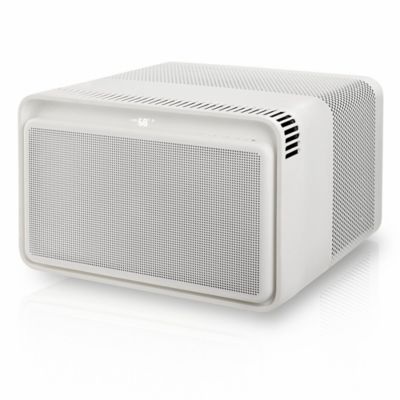
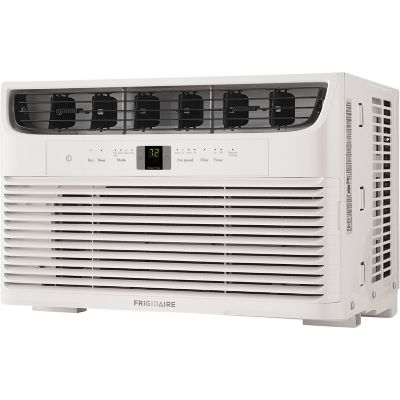
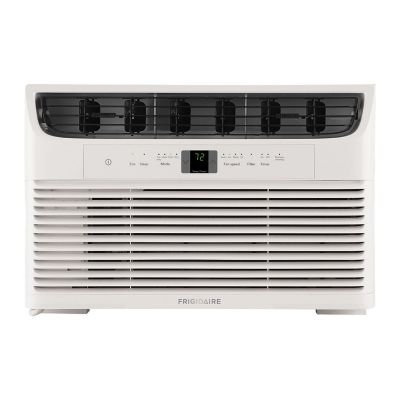
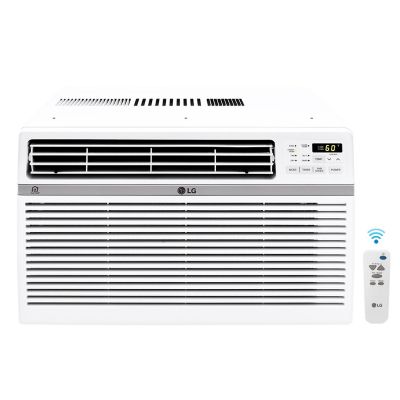
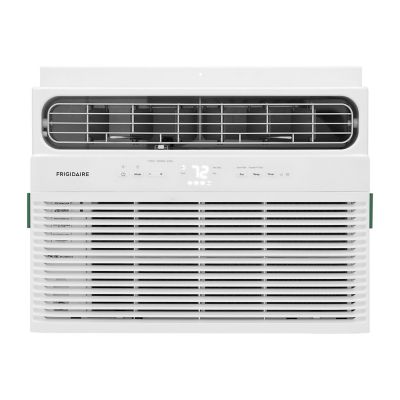
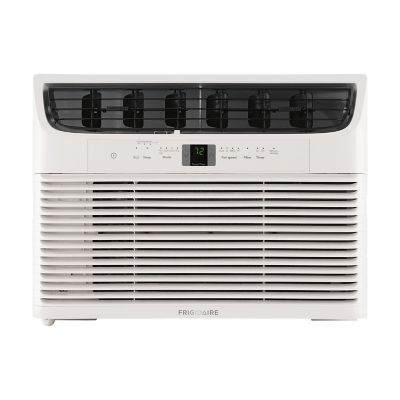
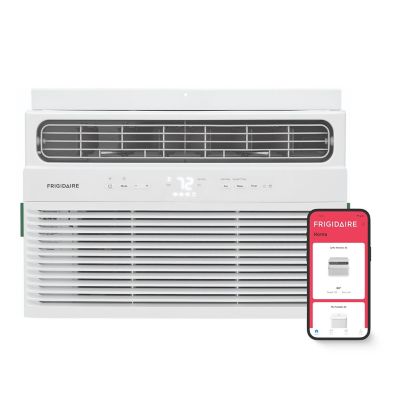
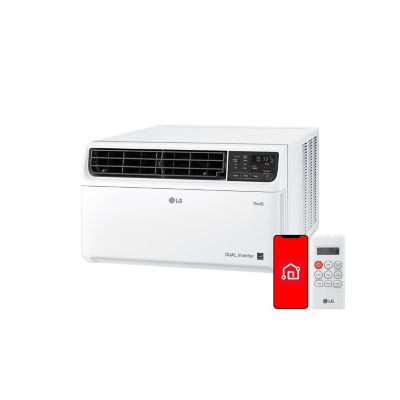
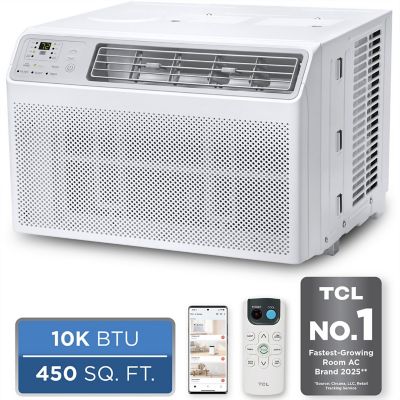
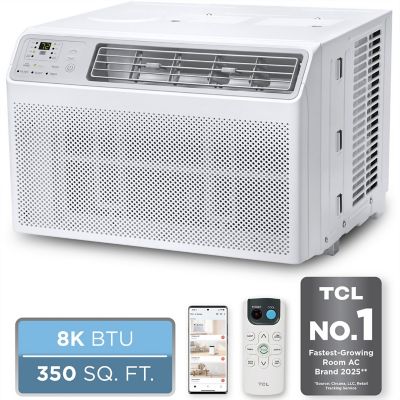
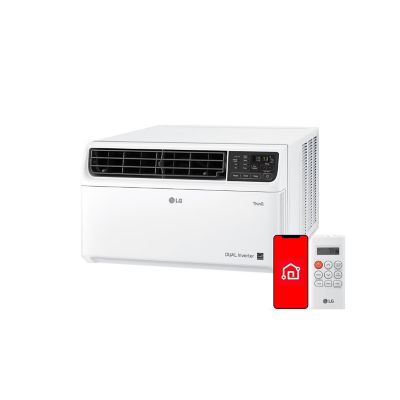
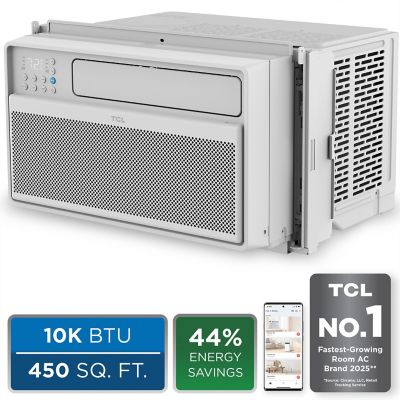
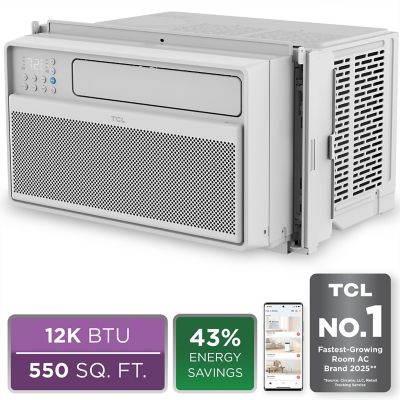
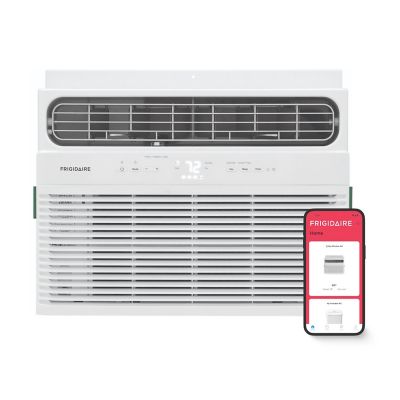
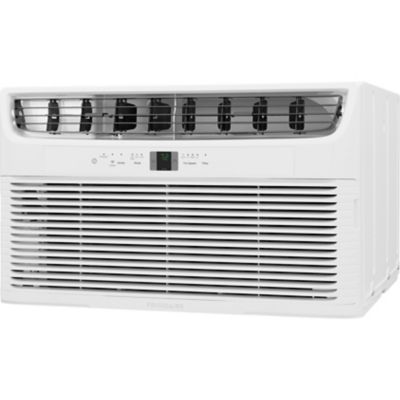
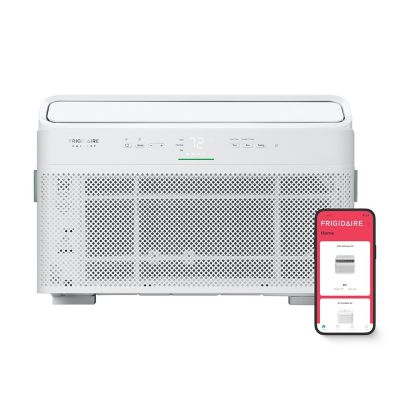
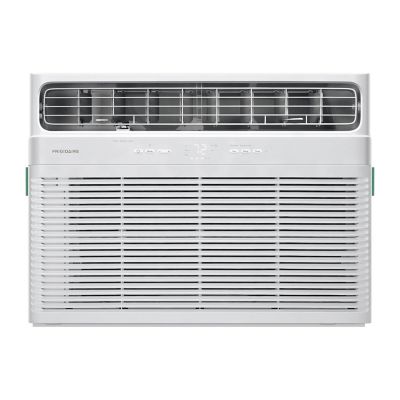
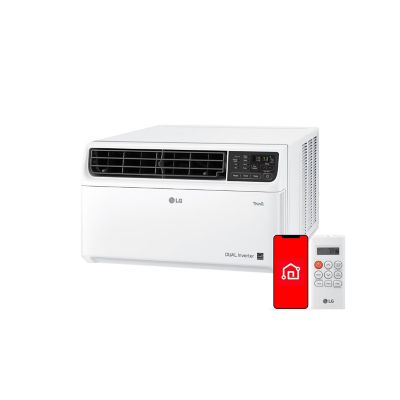
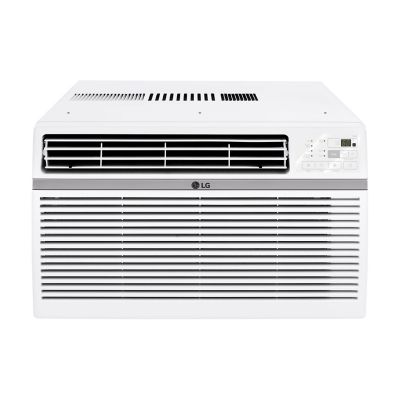
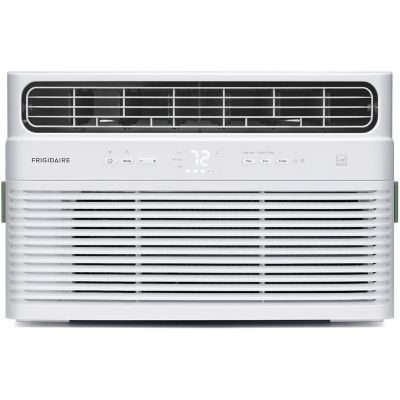
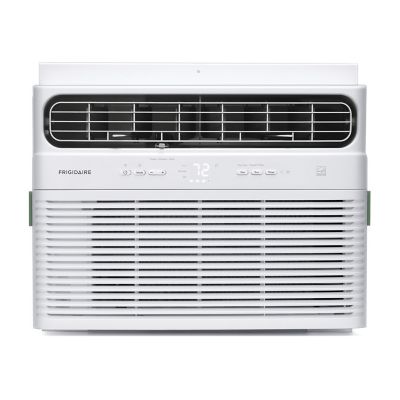
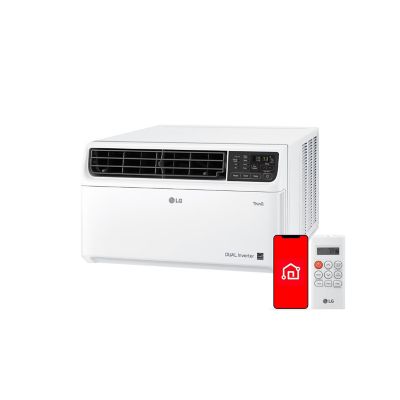
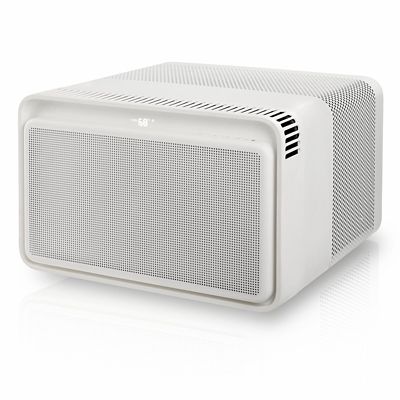
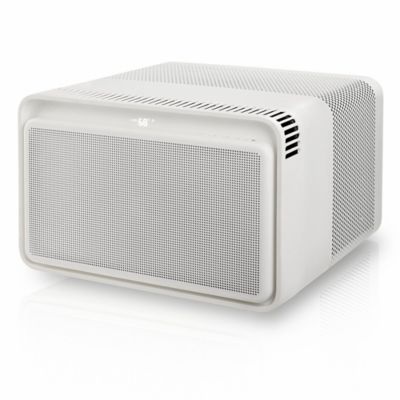
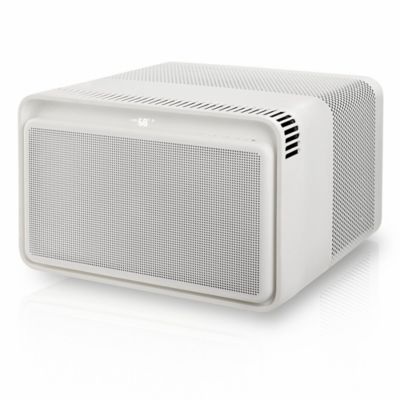
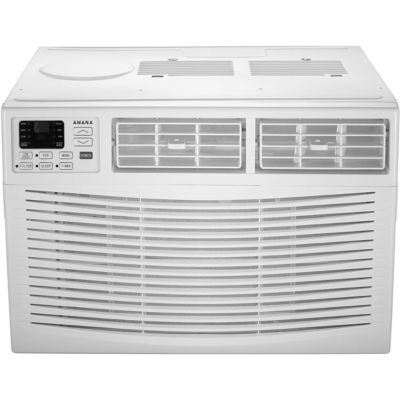
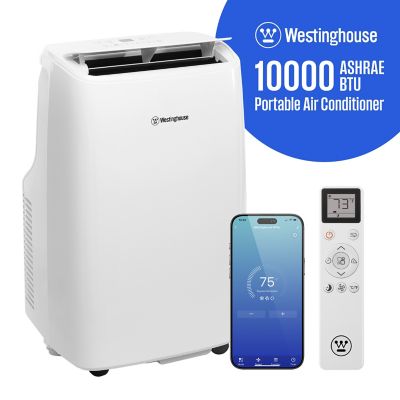
A remote control window air conditioner is a self-contained cooling unit that fits in a compatible window and lets you adjust settings from across the room. It moves indoor heat outdoors, helping cool a bedroom, living room, home office, or other enclosed space without running a whole-house system just for that room. That makes these air conditioners a practical fit for an upstairs bedroom in a farmhouse, a guest room over the garage, or a small cabin with suitable windows and electrical service. Depending on the model, the remote may control temperature, fan speed, operating mode, and a timer, so there’s no need to get out of bed or leave the kitchen table for every adjustment. A standard infrared remote generally needs a clear path to the receiver; Wi-Fi connectivity and phone controls are separate features, not something every remote-controlled unit includes. Cooling capacity, measured in British thermal units per hour, or BTU/h, matters more than the number of buttons on the remote. The right capacity depends on room size along with ceiling height, insulation, sun exposure, and heat from cooking or other equipment. A 12-by-15-foot bedroom has 180 square feet of floor space, but a shaded downstairs room and a sunny upstairs room of that size can have different cooling needs. Manufacturer sizing recommendations help connect those conditions to an appropriate capacity. Too little capacity can leave a unit running for long stretches without reaching the desired temperature, while too much can cause short cooling cycles that leave the room feeling damp. Open doorways and winding hallways also affect how far cooled air travels. A window air conditioner works best when its capacity matches the space it actually serves, rather than an entire floor separated by walls. For bedrooms and workspaces, published sound ratings are worth comparing, too, especially when the unit will sit close to a pillow, desk, or television.
Window fit deserves just as much attention as cooling capacity. Many window air conditioners are built for vertically opening single- or double-hung windows, while sliding and casement windows may need a different design. The listed opening width, minimum opening height, sill requirements, and window compatibility determine whether a unit can sit securely in place. Screens, storm-window frames, deep sills, and nearby obstructions can complicate an otherwise promising fit. Unit weight matters as well, since the window frame and any required support bracket must carry the load according to the installation instructions. A second set of hands can make lifting and positioning safer, and professional installation may make sense where access or support is a concern. Metal outer cabinets, molded front panels, adjustable louvers, and removable filters are common construction features, though the exact materials and arrangements vary. The cabinet protects working components, while louvers help direct indoor airflow toward the occupied part of the room. Supplied side panels and appropriate sealing materials help close gaps around the installation, limiting air leaks and keeping insects from finding an easy way inside. Those panels do not replace structural support. Outdoor vents need the clearances specified by the manufacturer so the unit can release heat; a porch enclosure, tight recess, or nearby wall can interfere with that airflow. Drainage arrangements also vary, so any required tilt or condensate handling should follow the unit’s instructions rather than a general rule. Electrical requirements belong on the same checklist: voltage, amperage, receptacle type, and circuit requirements must match the appliance label. Direct connection to the proper grounded outlet, without extension cords or plug adapters, helps avoid an unsafe setup. When a window-mounted design doesn’t suit the room,
Portable Air Conditioners With Remote Control offer another room-cooling format, though they still need an approved exhaust arrangement to the outdoors. Either style needs a suitable location that preserves required exits and leaves room for safe operation.
Everyday comfort comes down to how the controls, airflow, and upkeep fit the household routine. A timer can schedule operation around bedtime or the hours spent in a home office, while sleep settings may gradually change the temperature or fan behavior overnight. Energy-saving modes may cycle the fan along with the compressor, and variable-speed inverter models can adjust compressor output instead of relying only on full-on and full-off operation. These features differ by model, so the operating details matter more than a feature name alone. Fan-only mode circulates air without active cooling, and a moisture-removal mode, where included, serves a different purpose from simply choosing a lower temperature. Some remotes contain a temperature sensor that lets the unit respond to conditions near the remote rather than only at the window. That feature works best with the remote positioned as directed, away from direct sunlight, lamps, or other heat sources. Large, readable buttons and a clear display can be handy for anyone adjusting settings from a recliner or bedside table. EnergyGuide information and efficiency ratings provide another way to compare units, although actual electricity consumption depends on settings, room conditions, and operating hours. For ongoing care, accessible filters make routine cleaning less of a chore, especially in a home where pets and everyday dust add to the workload. Washable filters need cleaning and complete drying as directed; replacement filters need the specified size and type. Power should be disconnected before cleaning or maintenance, and water should stay away from electrical components. Clear indoor grilles, unobstructed outdoor vents, and sound mounting hardware help the air conditioner operate as intended. Curtains should stay out of the airflow, and rattles deserve attention rather than a louder television. If the unit will be removed for storage, safe lifting, proper drainage, and a dry storage location help protect it between installations. With a good fit and sensible care, remote control window air conditioners make room cooling easier to manage from the spot where folks actually sit, work, or sleep.