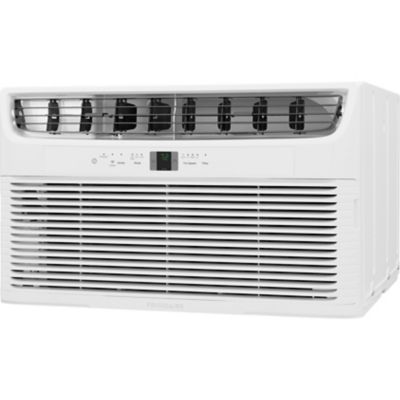
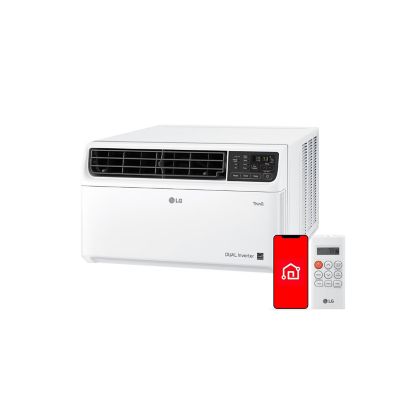
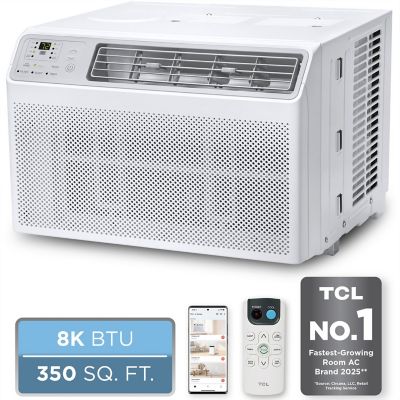
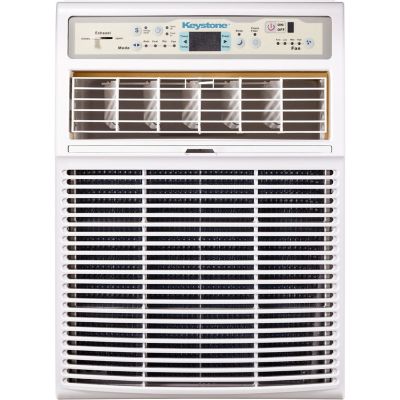
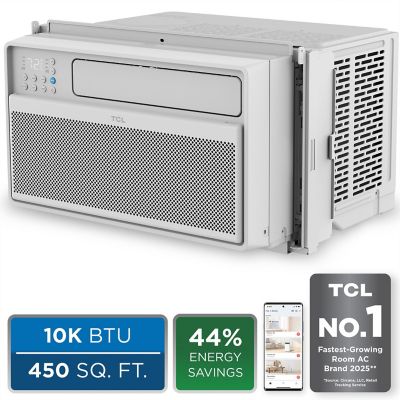
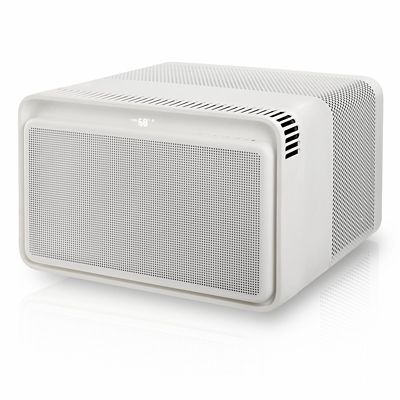
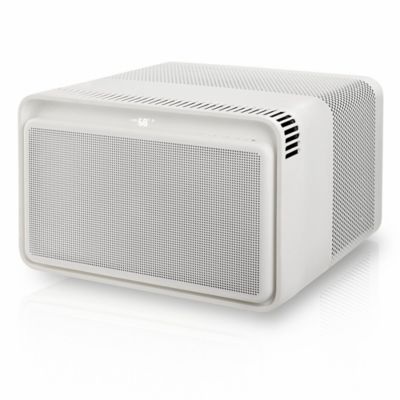
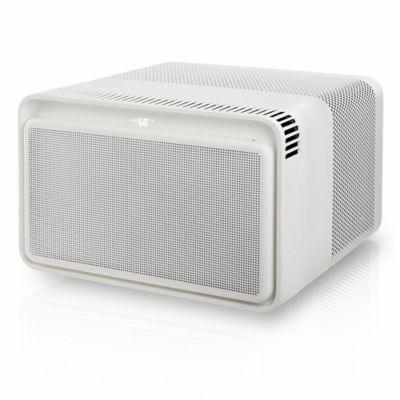
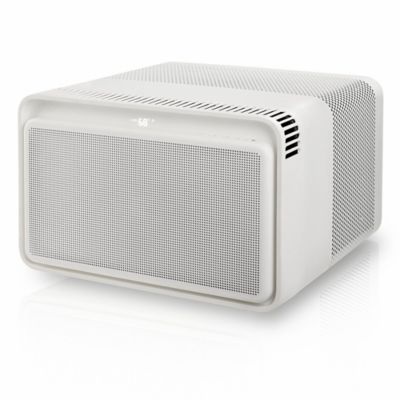
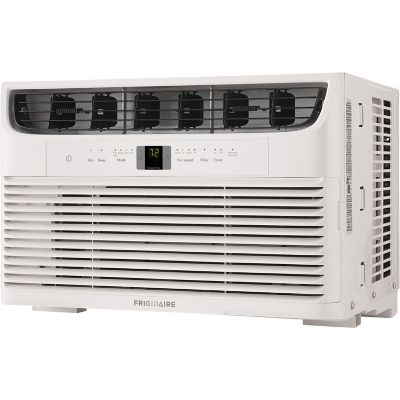
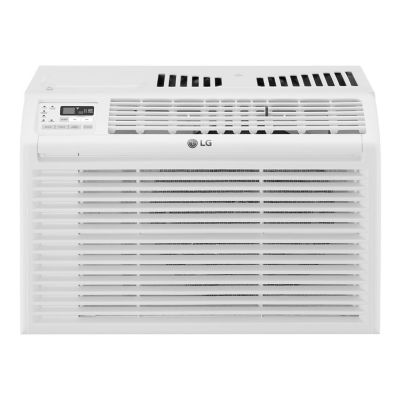
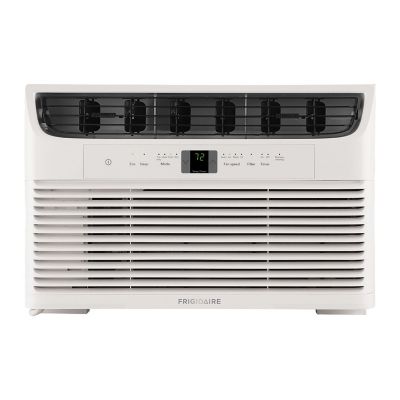
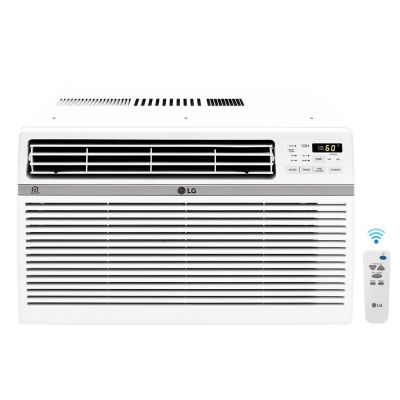
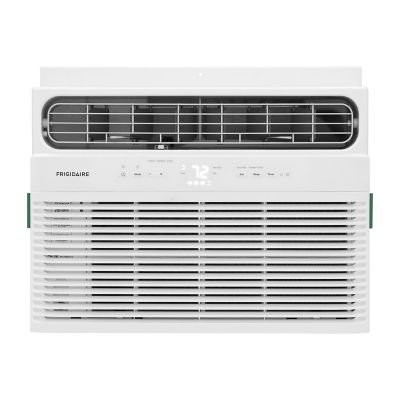
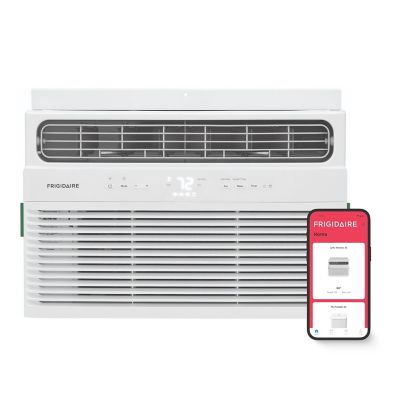
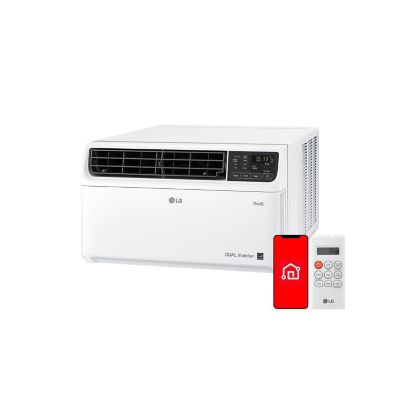
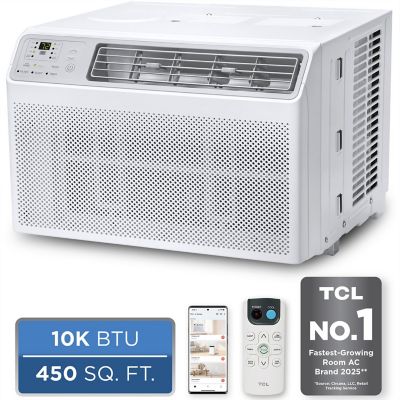
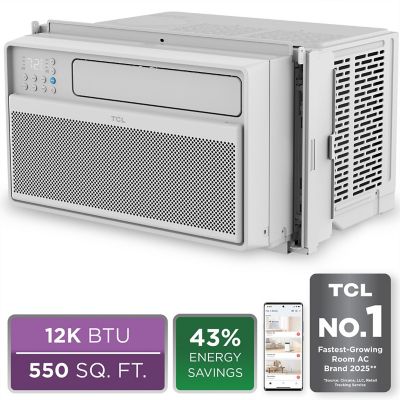
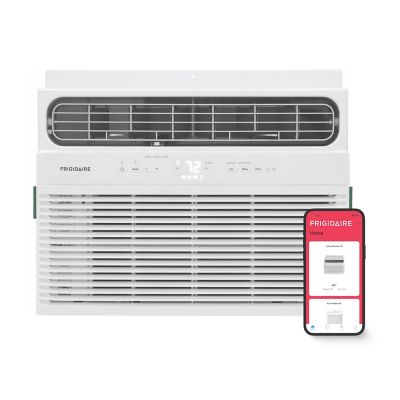
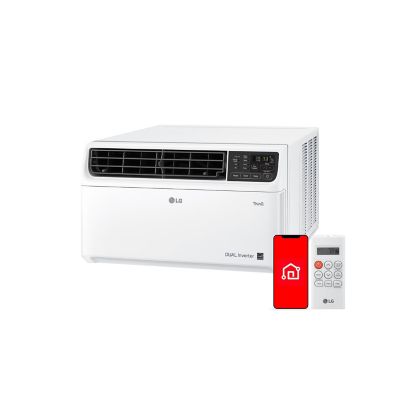
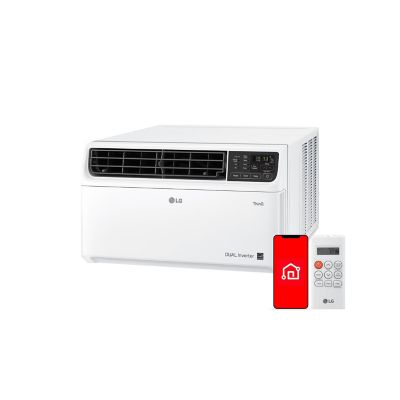
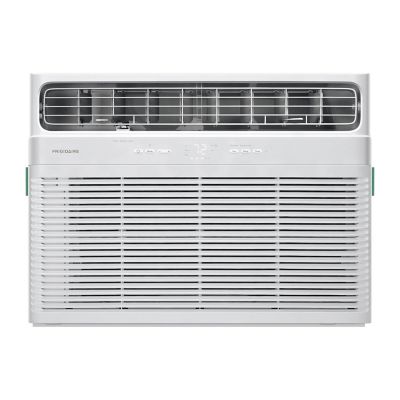
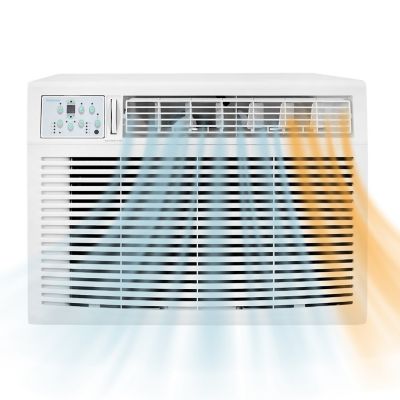
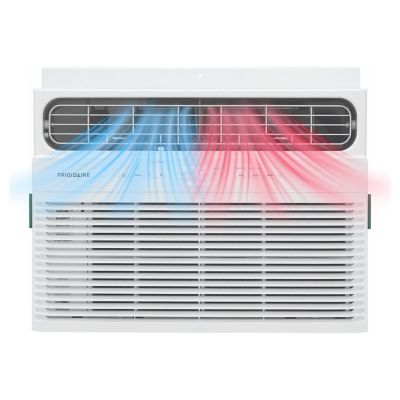
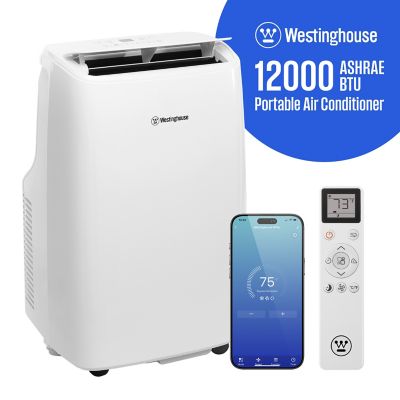
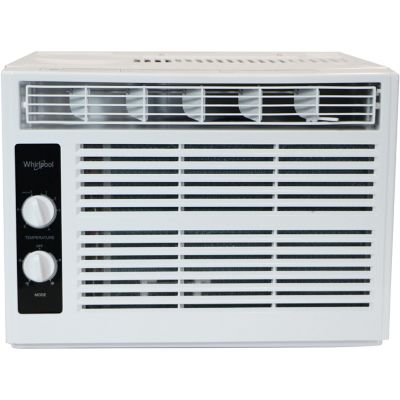
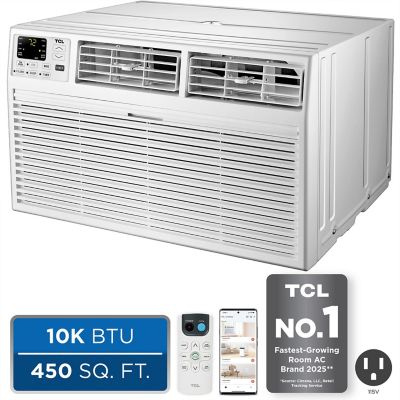
Horizontal window air conditioners provide room-by-room cooling in a cabinet that generally stretches farther from side to side than from top to bottom. In this setting, horizontal describes the unit’s broad, crosswise shape, parallel to the horizon; it does not automatically mean the air conditioner fits a window that slides sideways. Many wide window units are built for single-hung or double-hung windows, where the sash moves up and down and closes against the top of the cabinet. Side-sliding and casement windows often call for a different design or a mounting arrangement expressly permitted by the manufacturer. That distinction matters in an older farmhouse, a converted upstairs bedroom, or a small rental with windows of different shapes. A good fit starts with the open window’s width and height, along with the sill depth and the clearances specified for the unit. The cabinet needs room outside to release heat, while the indoor vents need an open path to circulate cooled air. Curtains, deep trim, porch walls, and nearby shrubs can all affect that space. Adjustable side panels help close the gaps beside compatible units, but those panels are not a substitute for structural support. The window frame, mounting hardware, and any required support bracket must carry the weight as directed. Metal outer cabinets, plastic front grilles, and insulation around the opening each serve a purpose: protecting internal parts, directing airflow, and limiting drafts. A lower cabinet profile may preserve more of the view across the yard, though dimensions vary considerably. For households that need relief in one room rather than cooling the whole house, this type of air conditioner offers a practical way to make a sleeping area, home office, or enclosed sitting room more comfortable. It can also supplement a central system in a room that stays warmer than the rest of the house, provided the space and electrical setup suit the appliance.
Cooling capacity matters just as much as cabinet shape. Window air conditioner capacity is measured in British thermal units per hour, commonly shown as BTU, and the right range depends on more than floor space alone. A shaded bedroom with an ordinary ceiling has different cooling needs from a sunny upstairs room beneath the roof. Large windows, high ceilings, frequent foot traffic, and heat from cooking or other appliances can increase the load. Manufacturer room-size recommendations give useful context, but those everyday conditions help explain why two rooms with the same square footage may feel different. A unit that is too small can run for long stretches without reaching the set temperature. One that is too large may cool the air quickly and shut off before removing enough moisture, leaving a room feeling cool but clammy. Humidity removal is part of normal air conditioner operation, which can make a noticeable difference when bedding feels damp or the air hangs heavy after rain. Comfort also depends on how the air moves. Adjustable louvers let airflow reach across a room instead of blowing straight at a desk chair or the side of a bed, while multiple fan speeds offer more control over the breeze and operating sound. Inverter-driven compressors, where included, can adjust output rather than simply cycling fully on and off. Sound ratings deserve attention in bedrooms and workspaces, especially when the window sits near a pillow or a spot for phone calls. Thermostats, timers, sleep settings, and remote controls vary by design, so the most useful controls are the ones that match the household’s routine. Energy labels and published efficiency ratings help show differences in electricity consumption under standard test conditions, although actual operation depends on weather, settings, and the building. For smaller living spaces,
Window Air Conditioners For Apartments offers a related category where window dimensions, operating sound, and room capacity remain important considerations. Lease terms and building rules may also affect whether and how a window unit can be installed.
Everyday ownership goes beyond turning the temperature down. Electrical requirements vary, and a nearby outlet is only suitable if its voltage, grounding, and circuit capacity meet the appliance’s specifications. Some larger-capacity units need a different electrical connection than smaller room air conditioners. Connection should follow the manufacturer’s directions, with no extension cord or power strip standing in for a suitable wall outlet. The mounting arrangement also affects performance over time. A sound sill, properly secured sash, and close-fitting weather seals help keep the cabinet steady and reduce outside air leaking around it. Any outward pitch must follow the installation instructions rather than guesswork, since drainage designs differ. Water collecting or dripping outdoors can be part of normal operation, but drainage should not create trouble for a walkway, siding, or the room below. Inside the house, accessible filters make routine care easier, especially where pets shed or dust comes in from gravel drives and daily chores. A washable filter needs cleaning and thorough drying according to its care instructions; other filter types may require replacement. Keeping the front grille and outdoor airflow openings clear helps the system move air without unnecessary strain. Outdoor coils and their thin metal fins need careful handling, and internal cleaning is best approached according to the manual, with power disconnected before permitted maintenance. In a country home, a window unit is better suited to an enclosed living space than an open barn or a dusty work area, unless expressly rated for that environment. When cooling season winds down, removal and sheltered storage may help limit drafts and exposure if the manufacturer recommends it. Units that stay in place need the off-season protection specified for their design, and any cover that blocks airflow must come off before operation. With suitable sizing, secure support, and regular attention to filters and seals, a horizontal window air conditioner can keep a bedroom restful, a desk area comfortable, or a favorite gathering room pleasant when outdoor temperatures climb.