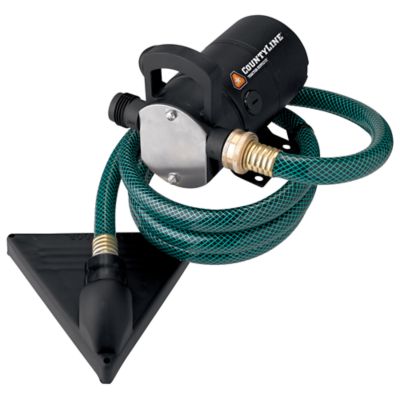
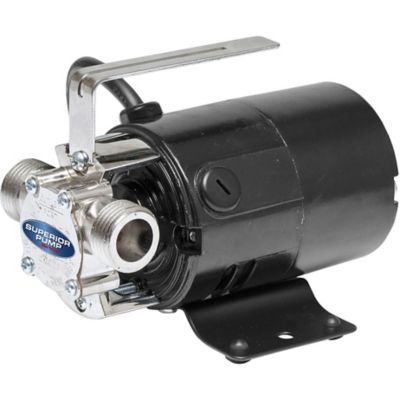
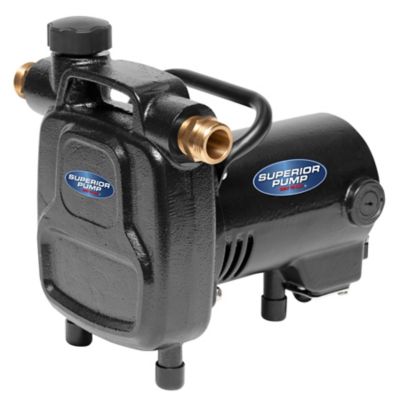
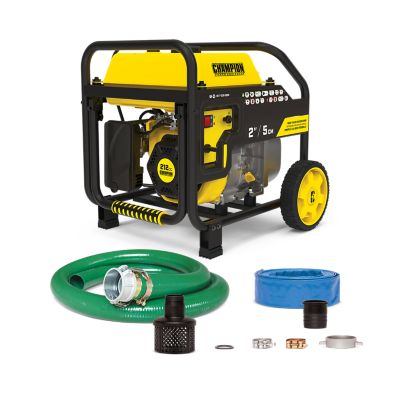
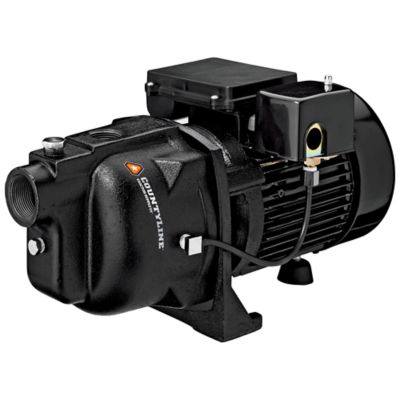
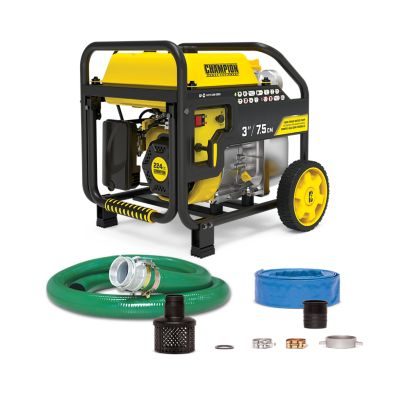
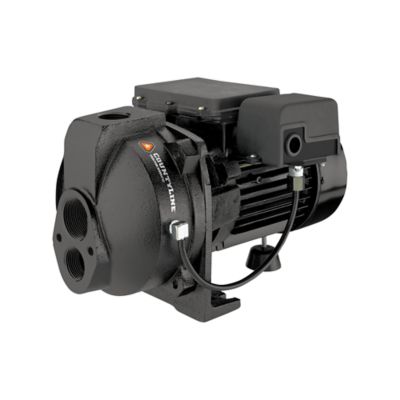
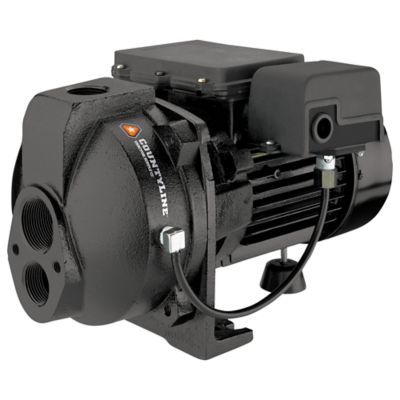
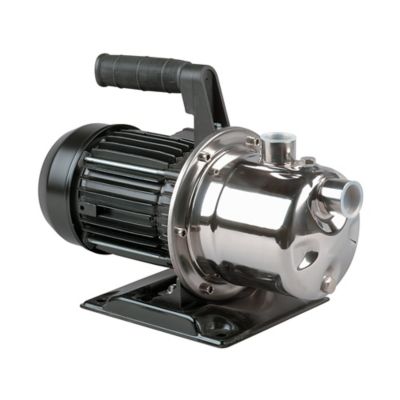
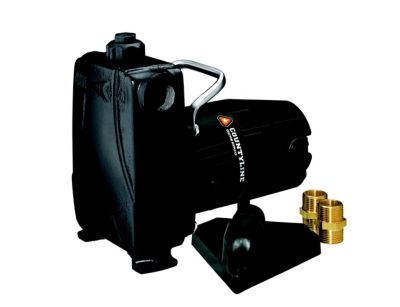
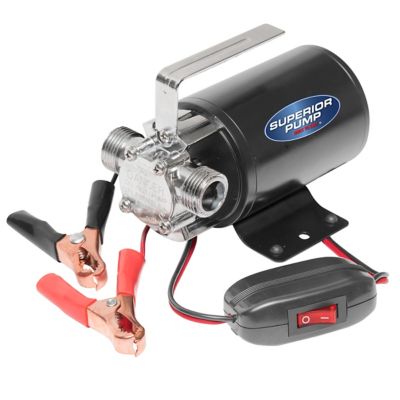
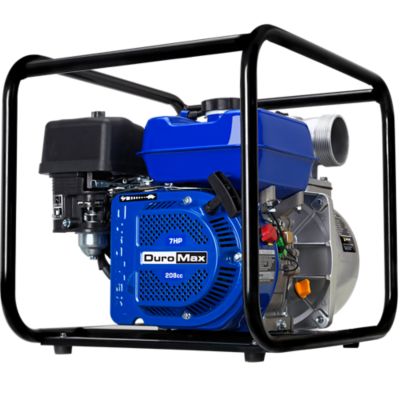
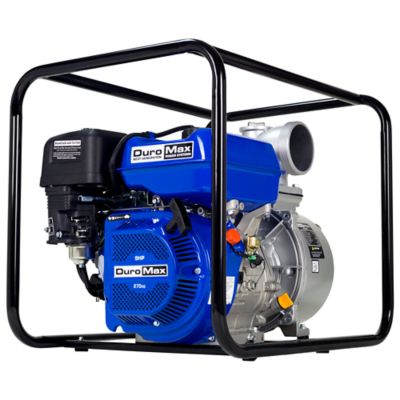
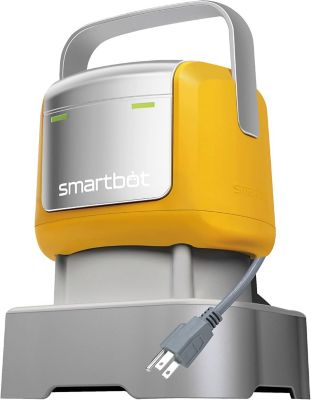
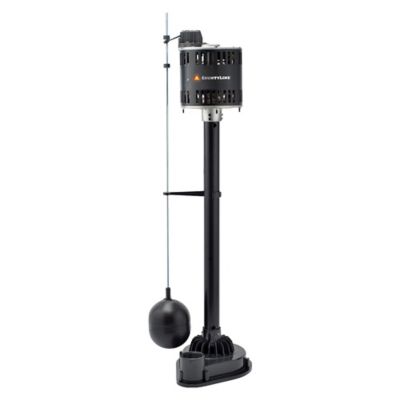
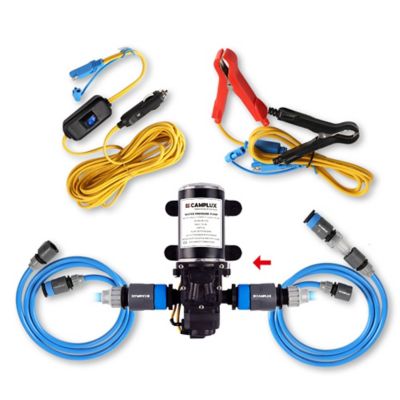
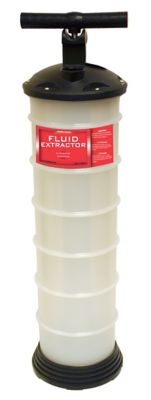
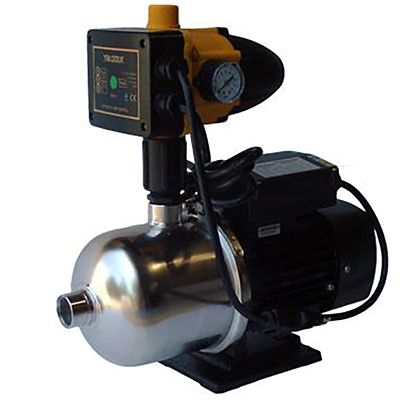
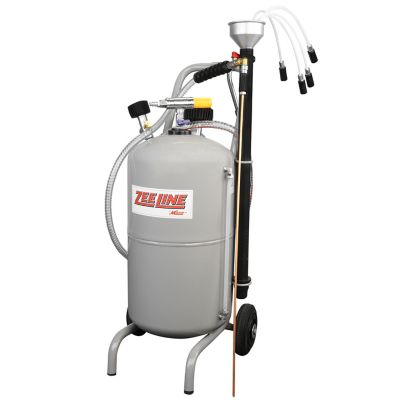
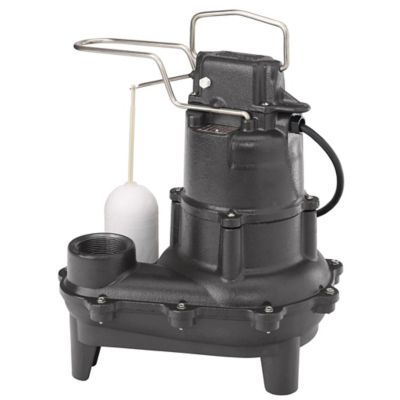
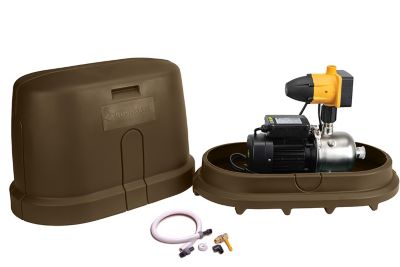
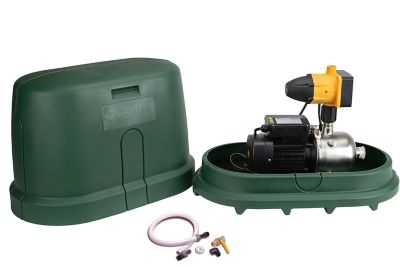
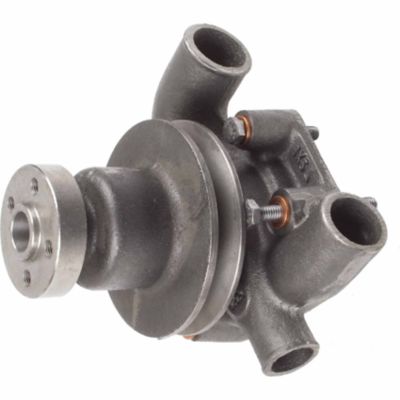
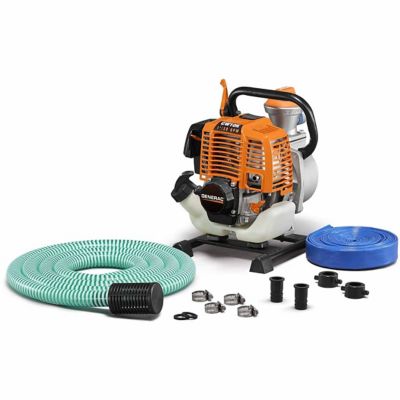
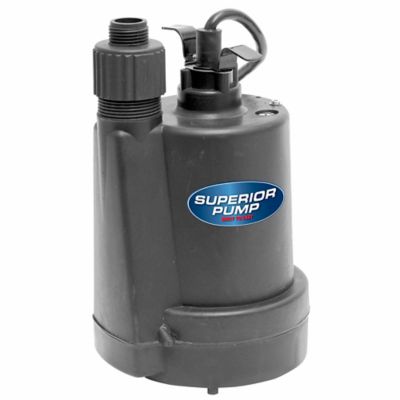
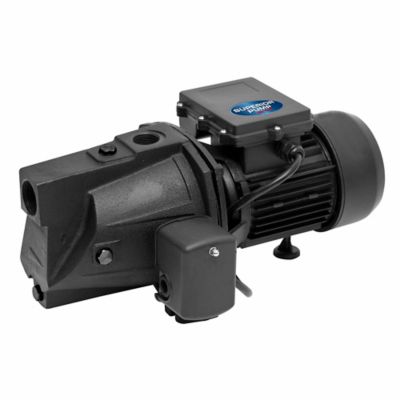
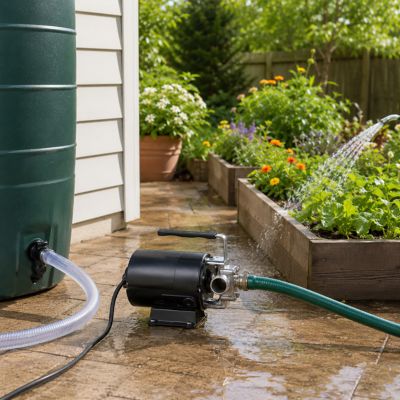
Water extraction pumps move unwanted water from one place to another, helping clear flooded floors, drain low spots and handle water that cannot run off on its own. Around a farm, home or shop, that can mean drawing rainwater out of a shallow collection basin, clearing a basement after a leak or emptying a tank before cleaning. These pumps pull water through an intake and send it through a discharge hose or pipe to a suitable drainage point. The right type depends on the water’s condition, its depth and how far it needs to travel. Submersible utility pumps operate with the pump body in the water, making them a practical fit for many temporary drainage jobs where the water meets the pump’s operating requirements. Surface transfer pumps sit outside the water and draw it through a suction hose; many require priming before operation. Sump pumps serve a different role, typically working inside a basin where a float or sensor starts drainage as water rises. For a basement laundry area or utility sink below the gravity drain, a drain pump system may move wastewater upward into an approved plumbing connection, provided the system is rated for that application. These categories are not interchangeable, even when their housings look similar. A pump intended for clear water may handle a puddle on a concrete floor but struggle with grit, leaves or muddy runoff beside a barn. Models rated for dirty water or solids handling have specific limits on the material that can pass through them. Sewage, chemicals and flammable liquids require equipment expressly rated for those substances; a general-purpose water pump is not a substitute. Homeowners, livestock caretakers and property managers all have reasons to keep drainage equipment suited to their ground and buildings. For a closer look at equipment for pooling water,
Standing Water Pumps offers a related category for comparing drainage options.
Pump performance comes down to more than motor horsepower. Flow rate, usually listed in gallons per hour or gallons per minute, describes how much water a pump can move under stated conditions. Actual output changes with the discharge setup, so a maximum flow figure does not mean the same amount of water will reach the end of every hose. Head refers to the resistance the pump works against, including the vertical rise from the water level to the discharge point and friction through hoses, pipes and fittings. Maximum head is generally the point where flow falls to little or nothing, not a useful pumping rate for everyday work. A basement discharge that climbs to ground level and then runs across the yard puts a different load on a pump than a short hose emptying a tank nearby. Performance charts help show the flow a pump can deliver at a given head, while the hose diameter and connection size help determine a workable setup. A long, narrow hose or several tight bends can reduce output considerably. With surface pumps, suction lift is a separate limit: the distance above the water that the pump can sit is restricted and must stay within its rating. Water depth matters just as much for fit. Some utility pumps can draw down to a shallow layer, while others need more water around the intake and motor. A low-level pickup design may leave less water behind on a flat floor, but no pump should be expected to leave every surface dry. Automatic operation can be useful where water returns, although a tethered float needs room to move without catching on a wall, hose or basin edge. An upright float or electronic sensor may suit a tighter space if the installation meets its requirements. Manual operation offers direct control for a temporary job but calls for attention as the water level drops. Thermal overload protection and dry-run protection serve different purposes, and neither should be assumed unless specified. Those details matter when chores pull attention between the pump, the barn and the house.
Materials and construction influence how water extraction pumps stand up to the work and how easy they are to move afterward. Thermoplastic housings can keep carrying weight down and resist corrosion in compatible water conditions. Cast iron adds heft and can help transfer motor heat, though it needs care against corrosion. Stainless steel components offer corrosion resistance, but suitability still depends on water chemistry and the manufacturer’s limits. Seals, impellers and intake screens deserve attention alongside the outer housing, especially where fine sand or sediment may reach the pump. Abrasive grit can wear internal parts even when particles are small enough to pass through an opening. A screened intake helps keep larger debris out, but a clogged screen restricts water movement and can strain operation. For portable work, a carrying handle, manageable weight and accessible hose connections make a difference on wet ground or basement steps. The power cord is not a lifting handle, and cord length should suit the location without relying on an unsuitable extension cord. Electric equipment needs the grounding and ground-fault protection specified for the application, with plugs and connections kept dry and out of floodwater. Standing water near electrical equipment is a reason to stay out until the electrical hazard has been addressed safely. Gas-powered pumps belong outdoors, well away from doors, windows and vents because exhaust contains carbon monoxide. Once a drainage job is finished, disconnecting power before clearing the intake and rinsing compatible parts according to the manufacturer’s directions helps limit buildup between jobs. During the cooler months, trapped water can freeze inside a housing or hose, so draining and storing equipment as directed protects it between calls to work. Permanent systems have different winter needs and should follow their installation requirements. Discharge placement also deserves thought: water sent too close to a foundation can find its way right back inside. A suitable outlet follows local drainage rules and avoids erosion, septic areas and neighboring property. With the pump, connections and discharge route matched to the task, water removal becomes a more manageable part of keeping a property working.