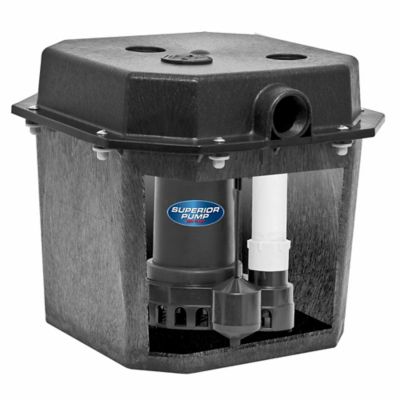
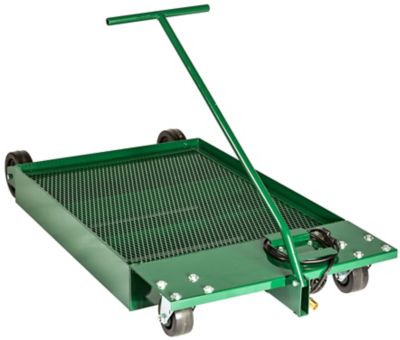
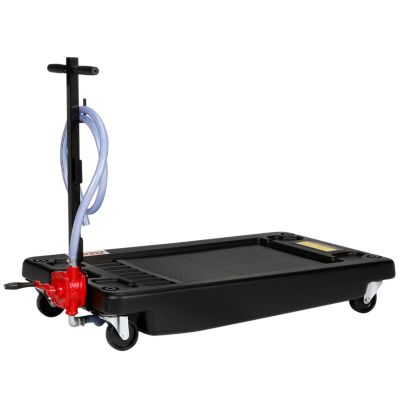
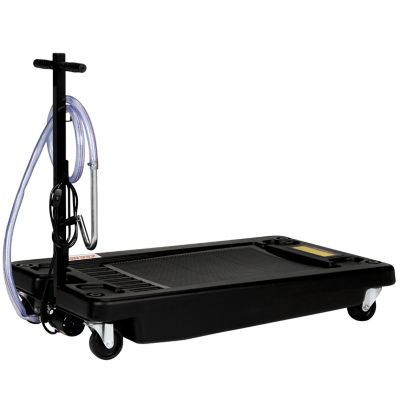
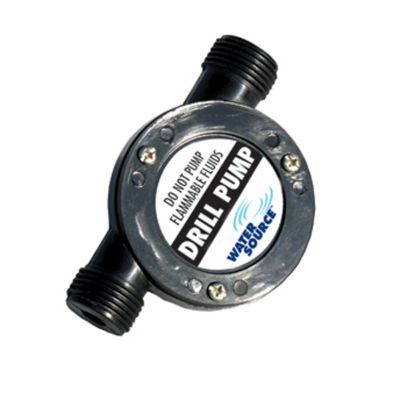
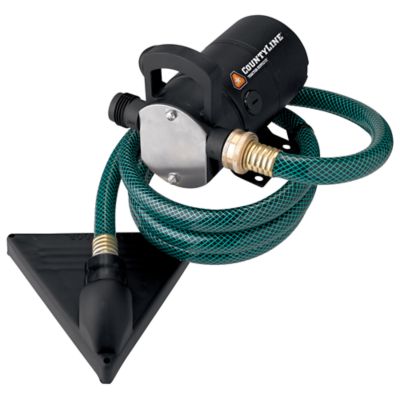
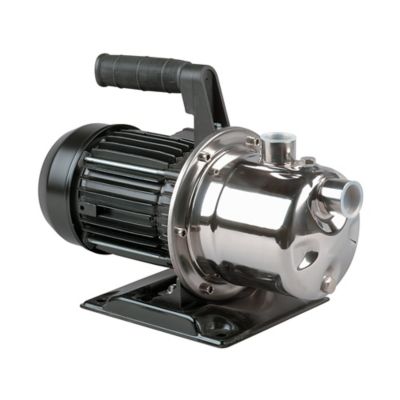
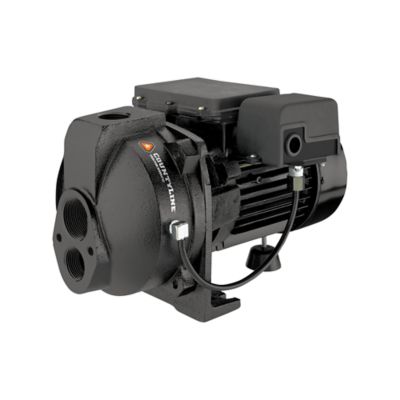
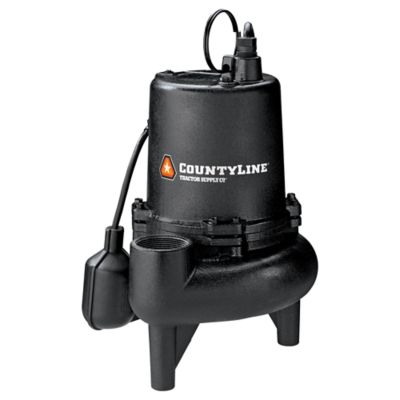
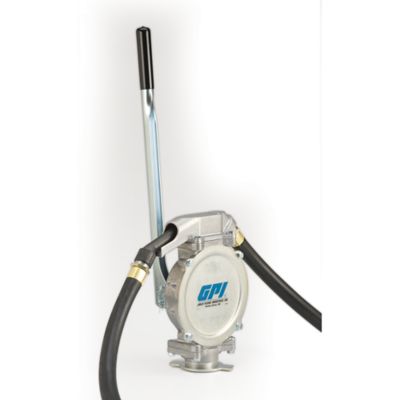
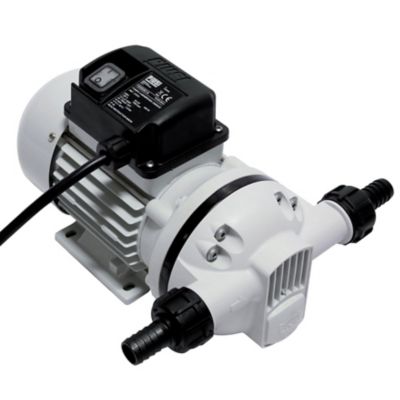
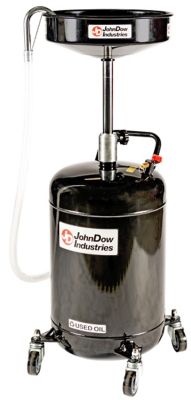
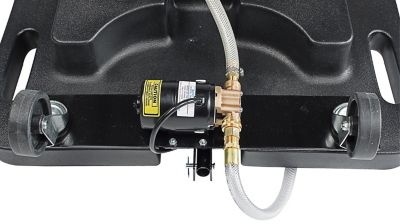
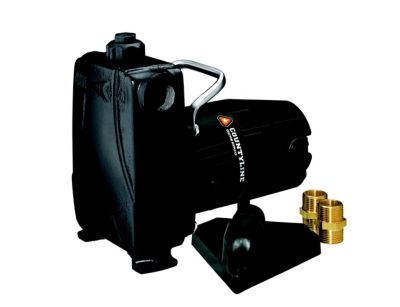
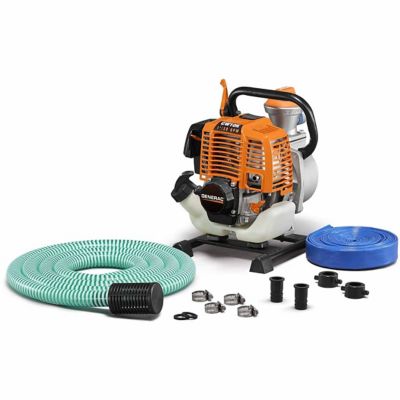
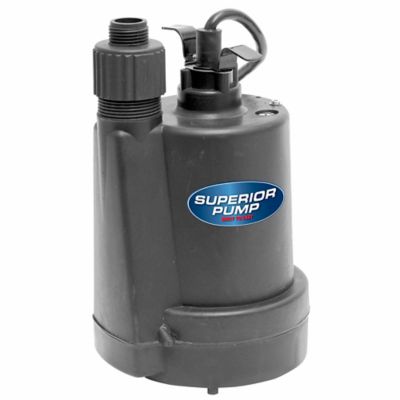
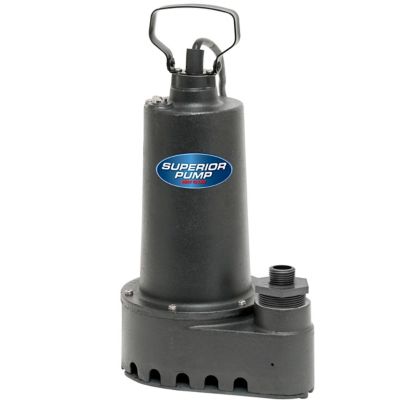
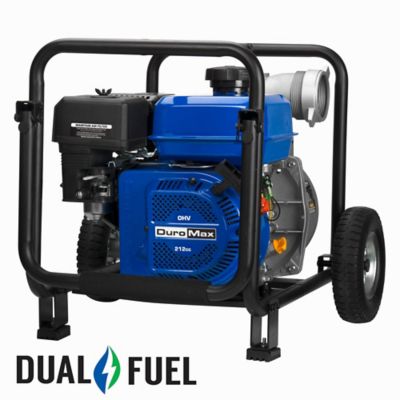
Draining pumps help move water out of places where gravity alone cannot do the job, from a basement sump pit to a laundry area, crawlspace, stock tank, or low spot beside a barn. They can handle clear water, gray water, and some forms of runoff, depending on the pump design and the amount of debris in the water. A submersible pump sits down in the water and sends it through a discharge hose or pipe, making it a practical choice for sump basins, flooded floors, and other areas where the water level can rise around the pump. A pedestal pump keeps its motor above the pit while the intake reaches down into the water. That setup can make access for service easier, though it may produce more operating noise and needs enough room above the basin. Drain and utility pumps are handy around laundry sinks, wet bars, utility rooms, and other fixtures that sit below the available drain line. Before choosing a draining pump, consider where the water is coming from, how quickly it builds up, and where it needs to go. A homeowner may need one for a basement that takes on seepage after heavy rain, while someone on a farm may need help clearing a low-lying work area, emptying a tank, or moving water away from a building. During the cooler months, a pump can also help with water that gathers near foundations, crawlspaces, and outbuildings before freezing weather turns a small puddle into a slippery or damaging mess.
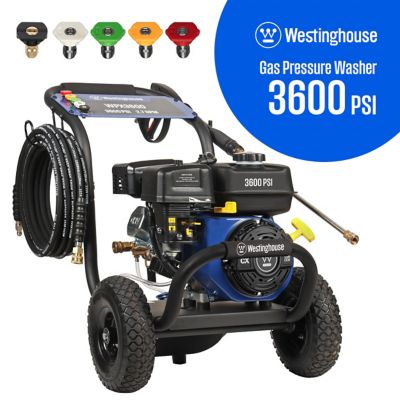
Flow rate is one of the first numbers to check. It may be listed in gallons per minute, or GPM, and gallons per hour, or GPH. A higher flow rate can move water out faster, but that number is only part of the picture. Pump performance changes as the water has to travel upward and across a longer distance. Measure the vertical lift from the pump to the discharge point, then account for the horizontal run, bends, hose size, and any fittings along the way. A pump that looks powerful on paper may move water more slowly when it must push it up a steep slope or through a narrow line. Match the discharge hose or pipe to the pump instructions, and make sure the outlet drains far enough away that water does not run straight back toward the foundation. Clear-water pumps are intended for water without sediment or debris, while gray-water models may allow small solids, often up to about 3/8 inch, to pass through. Even when a pump can handle some solids, remove rags, leaves, gravel, mulch, and other larger material before it reaches the intake. An automatic float switch starts the motor as the water rises and shuts it off as the level drops, which is useful in a sump basin or laundry area when no one is standing nearby. A manual model may suit occasional draining when you want to control each run yourself. Check the power cord length, outlet requirements, amperage, and whether a ground-fault circuit interrupter is needed. Keep electrical connections dry, follow the installation instructions, and never reach into moving water or a powered pump. For systems that need to build or maintain water pressure rather than simply remove standing water, see
Pressure Pumps.
The right draining pump should fit the job at hand, not just the size of the puddle you can see. Think about how often the area collects water, whether the pump will stay in place or be carried from one task to another, and how easy it will be to reach the intake, switch, and discharge connection. A compact pump may suit a tight laundry closet or a shallow utility basin, while a sump setup may call for a unit designed to sit in a deeper pit. If water contains mud or fine sediment, a screened intake and a design made for that type of water can help keep the pump from clogging, but the basin still needs periodic cleaning. Look for a float switch that has enough room to move freely, especially in a narrow pit where it could catch against the side or discharge line. A check valve may help prevent water from flowing back after the pump shuts off, reducing repeated cycling. Keep spare hose connections, clamps, and a suitable extension plan on hand before stormy weather arrives; standing in a dark basement with water around your boots is no time to discover that a fitting does not match. These pumps can be a practical gift for a new homeowner, someone finishing a basement, a farmer caring for outbuildings, or a neighbor who spends weekends improving a workshop or laundry room. They also make sense for anyone preparing a property for wetter weather, frozen ground, or spring thaw. With the discharge route planned, the power source ready, and the pump matched to the water and lift, draining jobs become easier to manage and less likely to leave a muddy surprise behind.