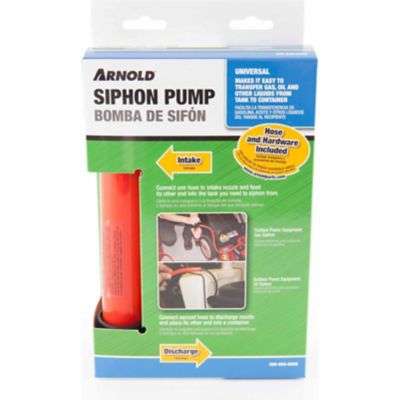
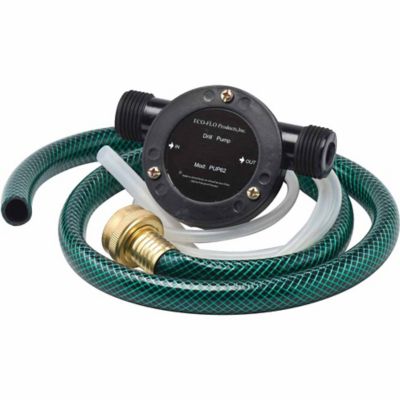
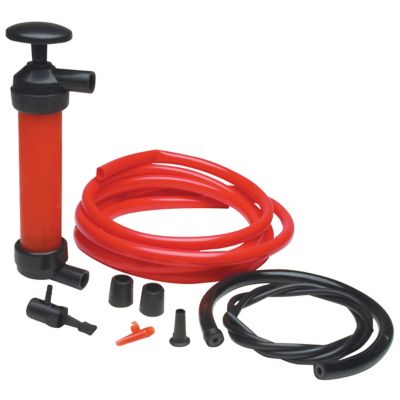
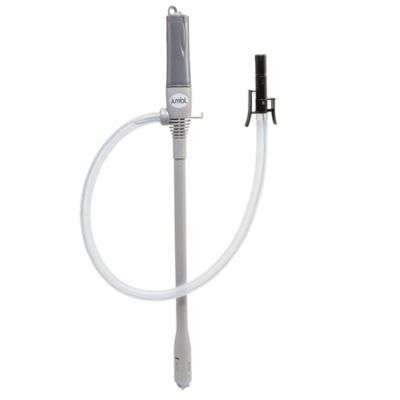
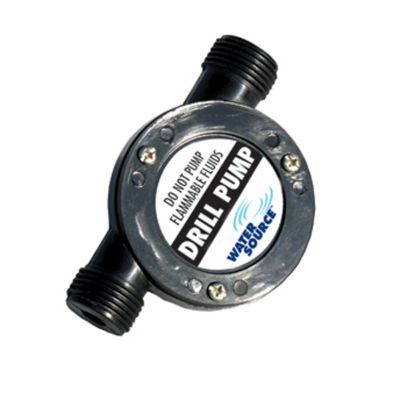
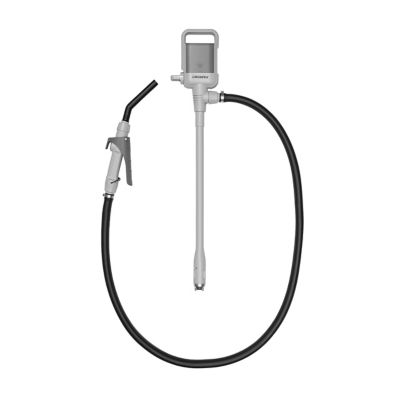
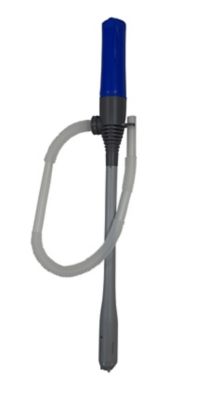
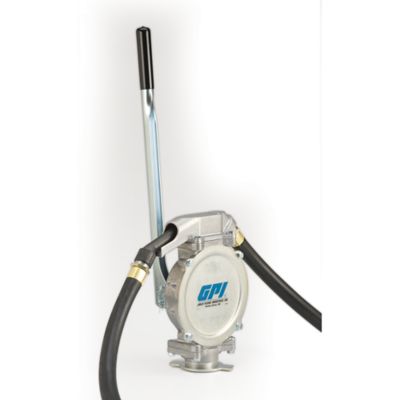
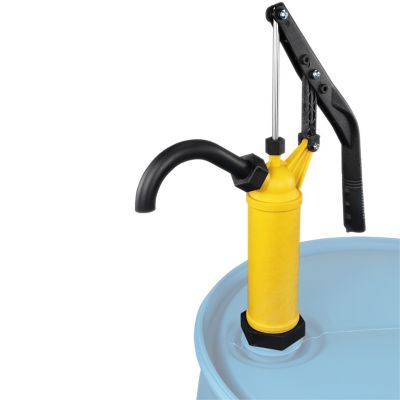
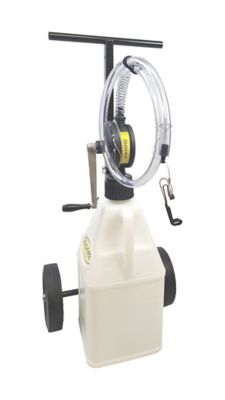
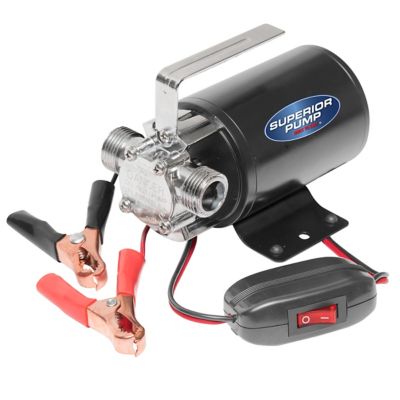
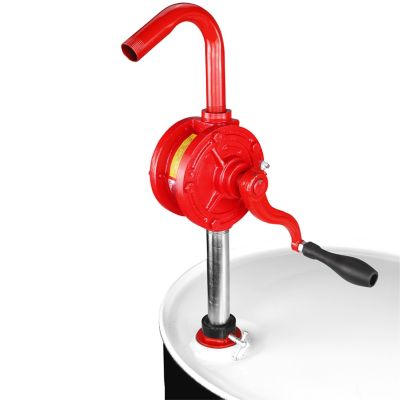
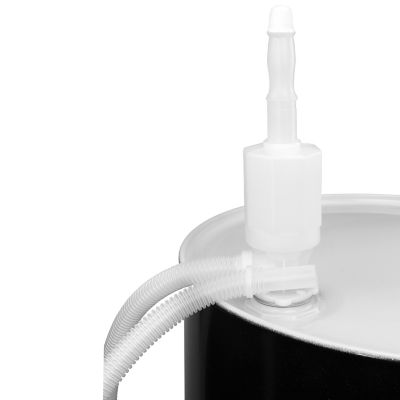
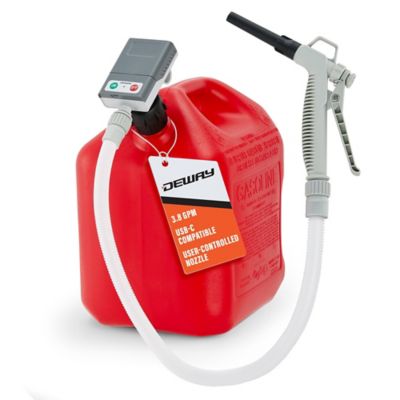
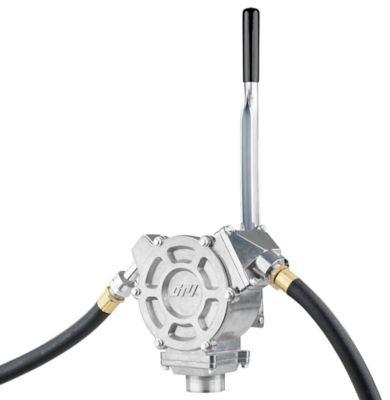
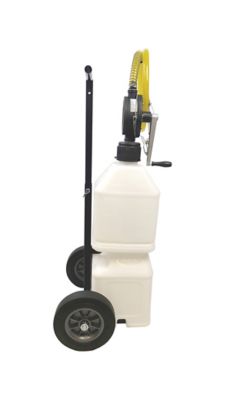
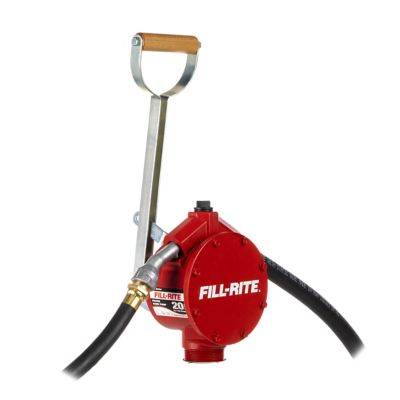
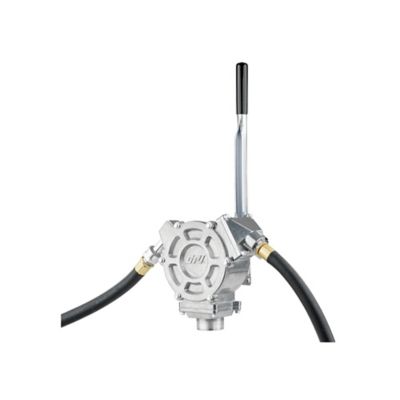
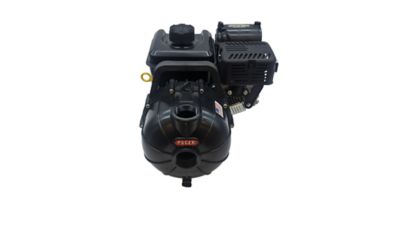
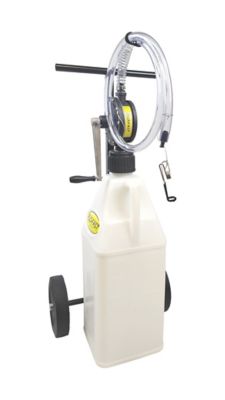
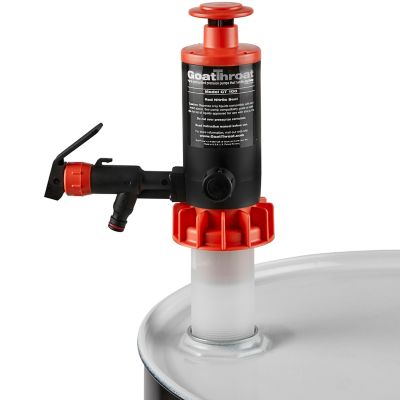
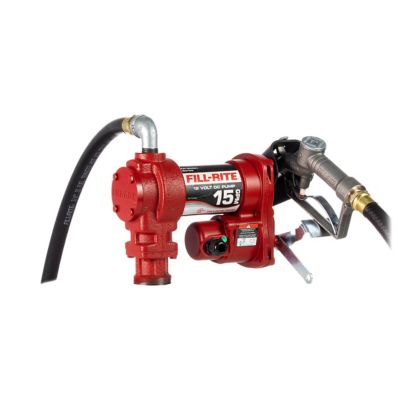
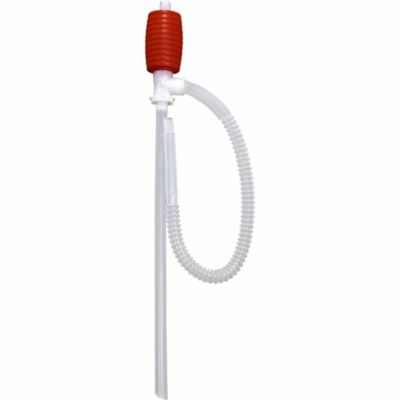
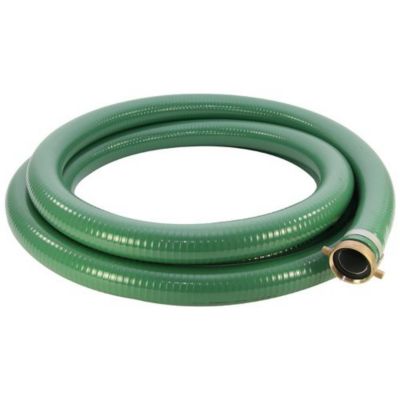
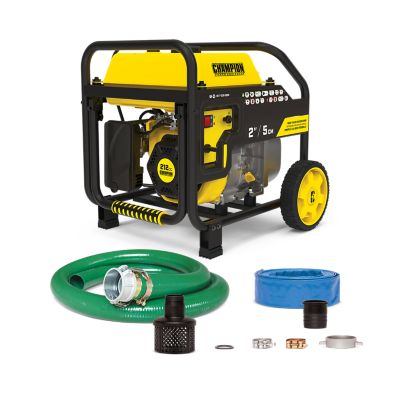
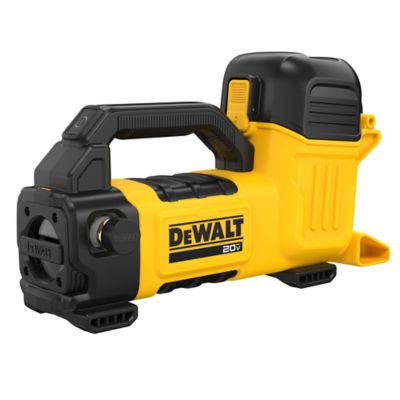
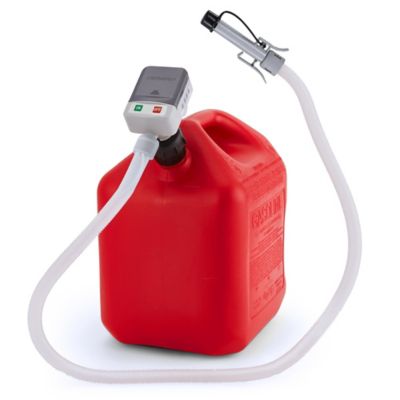
Siphon pumps are simple, handy tools for moving liquid from one container or tank to another without lifting a heavy vessel or trying to pour from an awkward angle. They are commonly used around farms, workshops, garages, barns, boats, gardens, and rural properties for transferring water, fuel, oil, and other compatible fluids. A siphon works by drawing liquid up through a hose and over the highest point, then letting gravity carry it down into a container positioned lower than the source. Once the flow is started and the hose stays properly placed, the liquid can continue moving with little effort. This makes a siphon pump useful when topping off equipment, draining a storage container, emptying standing water, or moving liquid that is too heavy, deep, or inconvenient to handle by hand. Some models use a squeeze bulb, while others use a hand-operated plunger, crank, or battery-powered mechanism to start the flow. Manual styles are popular for their straightforward design, compact size, and dependable operation when there is no outlet or charged battery nearby. Powered options may be a good fit for more frequent use or larger jobs where reducing hand pumping matters. When comparing siphon pumps, start by identifying the liquid you plan to move and choose a pump, hose, seals, and fittings rated for that fluid. Water, gasoline, diesel, kerosene, motor oil, and other liquids can react differently with rubber, plastic, and metal parts, so a pump intended for water should not automatically be used with fuel or chemicals. Pay attention to hose length and diameter, the size of the intake opening, the expected flow rate, and whether the pump is designed for clean liquids or can handle light debris. A longer hose may help when working around a tractor, generator, boat, or rain barrel, while a smaller hose can be easier to guide into narrow openings. Clear tubing can make it easier to see the liquid moving, although any hose should be kept clean and checked for cracks, stiffness, leaks, or loose connections before use. For shoppers comparing related equipment,
Manual Fluid Transfer Pumps offer another way to look at hand-operated fluid transfer tools for work around the home place, garage, or jobsite.
The right siphon pump can earn its keep in many everyday situations. A landowner may use one to transfer fuel into a mower, tiller, generator, ATV, or other small engine without wrestling with a bulky can. Someone maintaining a boat or recreational vehicle may need a compact pump for moving fuel or draining water, while a homeowner may keep one nearby for rain barrels, aquariums, garden ponds, utility sinks, or flooded low spots. In a shop, a siphon pump can help move used oil or other approved fluids into a collection container for proper disposal. During the warmer part of the year, it may help with watering tasks and equipment upkeep; during cooler months, it can be useful when preparing machines, draining tanks, or handling stored fluids before freezing temperatures arrive. These pumps are also practical for property owners who keep emergency supplies on hand. A small manual pump takes up little room in a tool chest, shed, truck box, or tractor cab and can be useful during a power outage, storm cleanup, equipment breakdown, or other unexpected chore. They make thoughtful gifts for a new homeowner, hobby farmer, mechanic, boat owner, gardener, or anyone building a practical collection of household and farm tools. A siphon pump is especially useful for people who would rather have a simple backup ready than improvise with a funnel, bucket, or makeshift hose when a job needs to be done safely and neatly. Before buying, consider how often the pump will be used, where it will be stored, and how much liquid must be moved at a time. A lightweight bulb pump may be convenient for occasional transfers and small containers, while a sturdier pump with reinforced tubing may be better for regular chores around a busy property. Look for secure caps, dependable valves, flexible but durable hose material, and construction that is easy to rinse or wipe clean when the application allows. If the pump will be used outdoors, a design that stores easily and stands up to dust, splashes, and changing temperatures can be worth considering. Keeping separate pumps for water and fuel is also a smart way to prevent cross-contamination and avoid using the wrong equipment for a particular job.
Safe handling matters whenever a siphon pump is used, especially around gasoline, diesel, oil, solvents, or other flammable and harmful liquids. Never begin a siphon by mouth. Use the pump’s bulb, plunger, crank, shaker intake, or powered starting method as directed, and keep the intake end fully below the liquid surface while priming. Place the receiving container on stable ground below the source container so gravity can do its part, and use a container that is approved for the liquid being transferred. Keep the hose away from sharp edges, hot engine parts, open flames, sparks, cigarettes, and anything else that could damage the tubing or ignite vapors. Work in a well-ventilated area, wear suitable gloves and eye protection, and avoid filling a container beyond its safe capacity. Fuel and other liquids expand with heat, so leave room according to the container’s instructions rather than topping it off. Do not walk away from a running transfer, and stop the flow before moving either container. After use, allow the hose to drain into the proper container, wipe away spills, and dispose of unwanted fluid through an approved recycling or waste program. A pump used for fuel should not later be used for drinking water, livestock water, fish tanks, or household use unless the manufacturer specifically identifies it as suitable and it has been cleaned according to the proper instructions. Store the pump out of direct sunlight and away from children, animals, feed, and ignition sources, with the hose coiled loosely to help prevent kinks. With the right match between pump, fluid, container, and task, a siphon pump can be a dependable little helper for chores that come up across the property, from routine equipment care to cleanup after heavy rain.