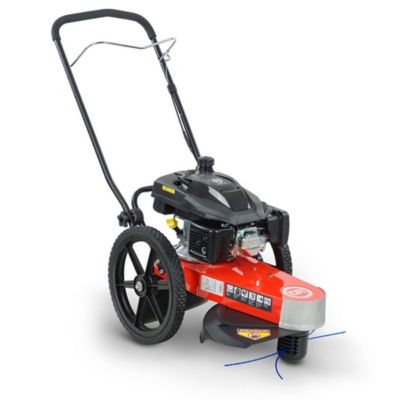
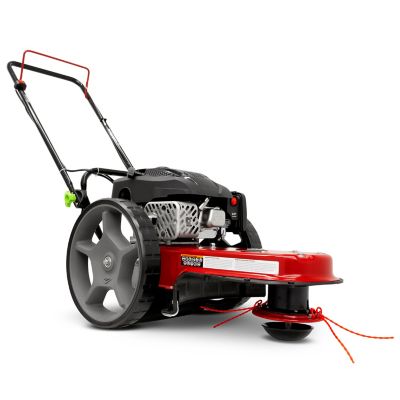
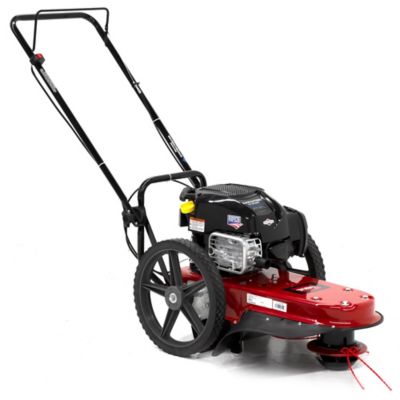
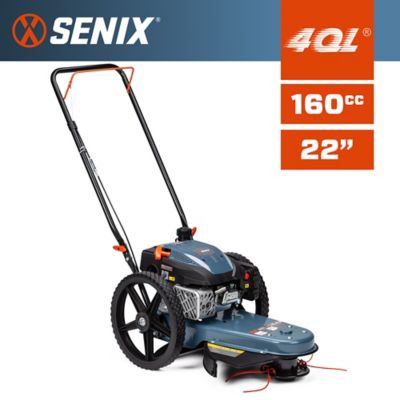
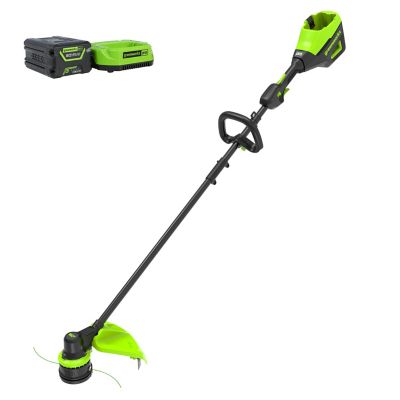
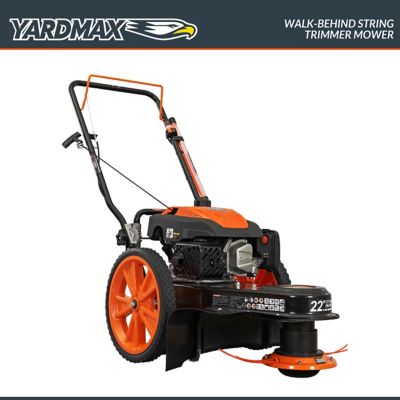
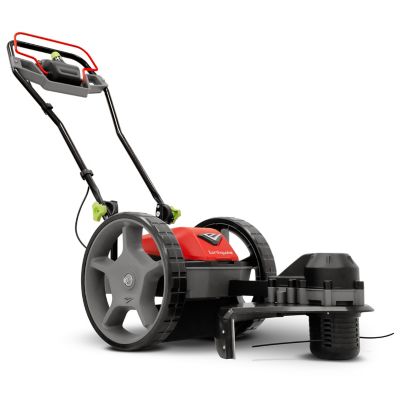
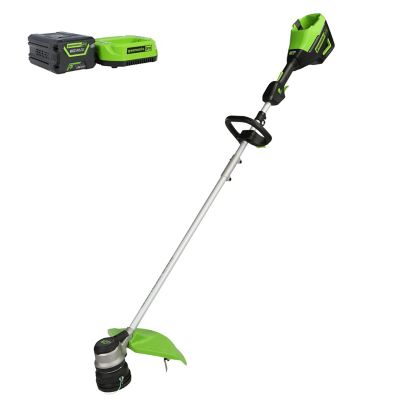
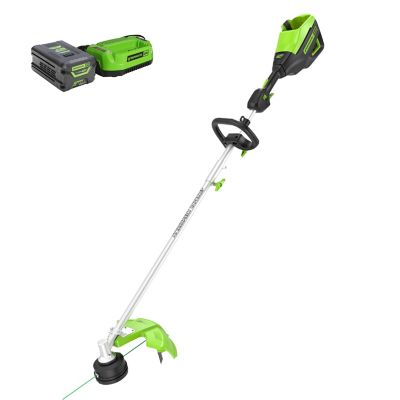
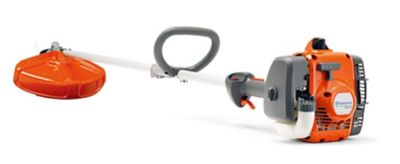
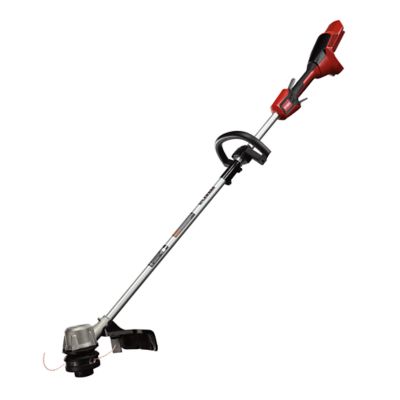
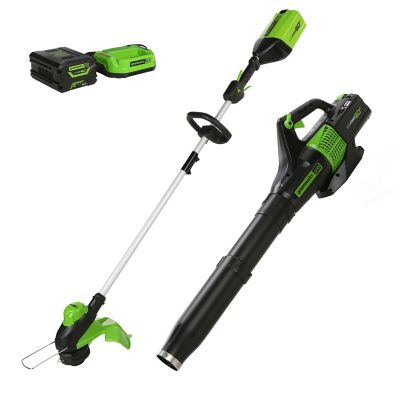
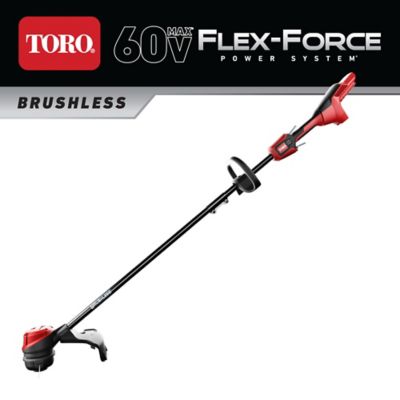
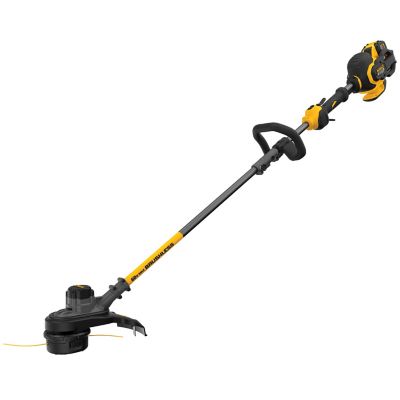
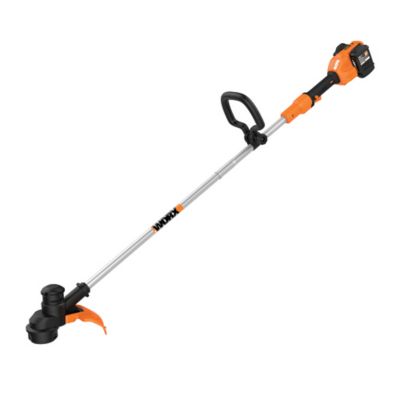
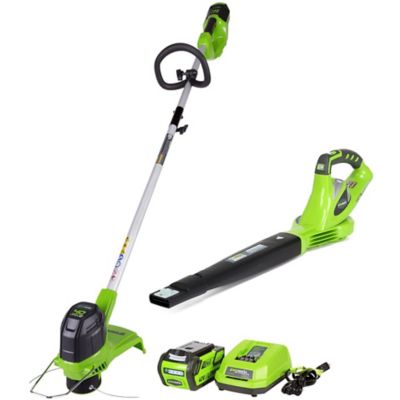
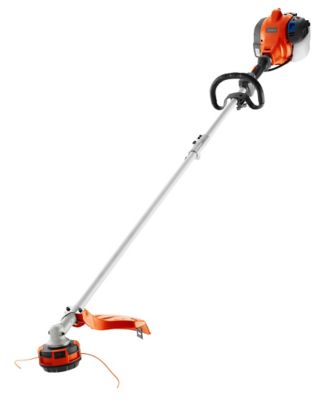
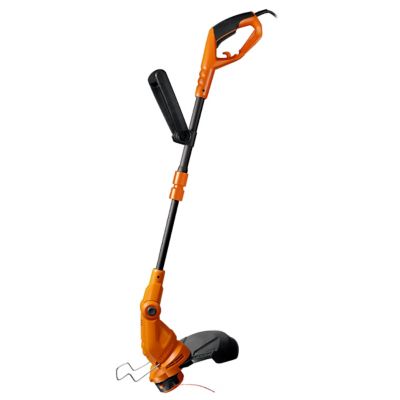
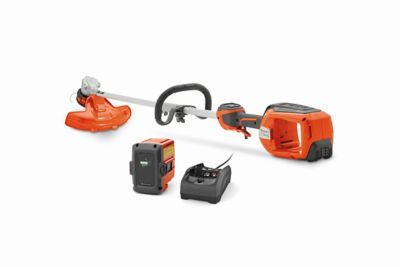
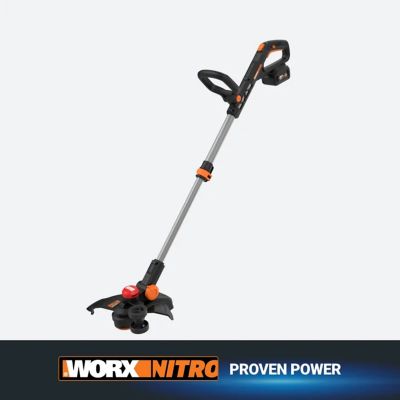
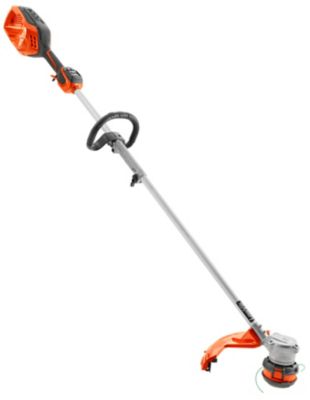
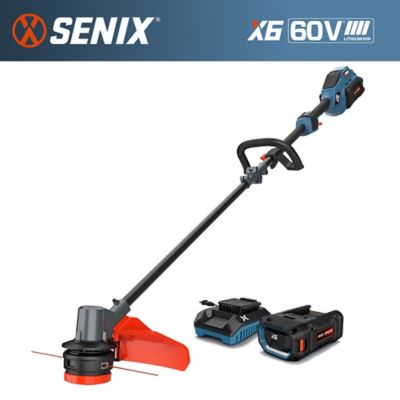
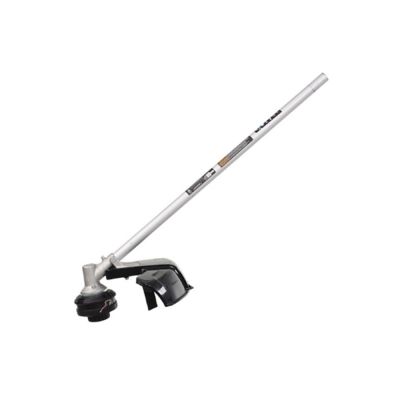
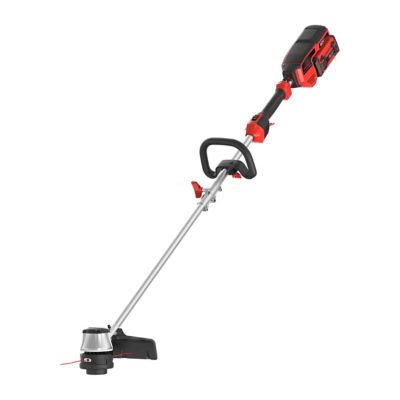
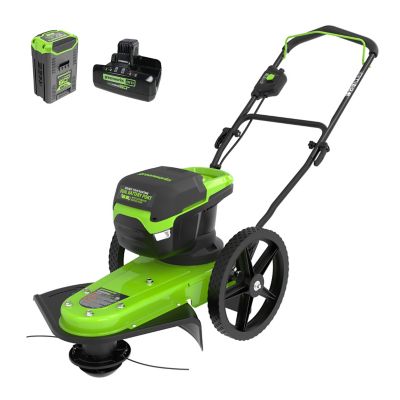
A string lawn mower, also called a walk-behind string trimmer, is a handy choice for cutting back grass, weeds and light brush where a standard blade mower may struggle. Instead of using a metal blade, it relies on heavy-duty nylon cutting line that spins beneath the deck, making it useful around rough ground, fence lines, ditch banks, pond edges, outbuildings and areas where rocks, roots or hidden debris could damage a traditional mower deck. Many folks reach for one after a stretch of warm, wet weather has turned a neglected patch into a tangle of tall grass and stubborn weeds. It can also help keep acreage, hunting paths, pasture edges and large rural lots looking tidy without bringing a full-size tractor into tight spaces. Walk-behind string mowers are generally easier on the back than carrying a handheld trimmer for long periods, since the machine rolls on wheels and does the cutting at ground level. They are especially useful for landowners, hobby farmers, acreage owners, property managers and anyone caring for a home with uneven or hard-to-reach areas. A string mower may be a thoughtful gift for a new homeowner with a large lot, a family member maintaining an older farmstead or a neighbor who spends more time clearing fence rows than mowing a smooth lawn. It is not usually meant to replace a traditional mower for a neatly finished lawn, but it can serve as a dependable companion for the rough work that ordinary lawn equipment is not built to handle.
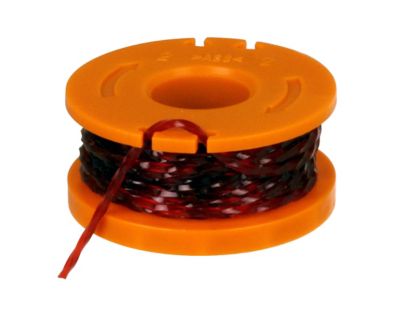
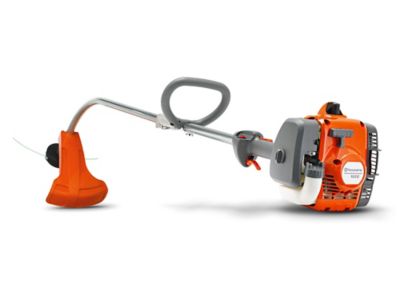
When comparing string lawn mowers, start with the type of work waiting around your property. Gas-powered models are often favored for extended jobs and remote areas where there is no battery to recharge, while cordless models offer quieter operation, fewer fuel-related chores and the convenience of starting without a pull cord. Battery run time, charge time and the availability of additional batteries matter when clearing a long fence line or a wide stretch of overgrown ground. For gas equipment, consider engine size, fuel requirements and how easy it is to reach the air filter, spark plug and other routine service points. A recoil starter should move smoothly, and any model should have controls that are comfortable to use while wearing work gloves. Cutting width affects both coverage and maneuverability: a wider path can shorten a big job, while a narrower design may be easier to guide between trees, posts, garden borders and buildings. An offset cutting head is another useful feature, since it can help the line reach close to fences, walls and other edges without forcing the wheels or deck directly against them. Look closely at wheel size and tread, too. Larger, sturdy wheels tend to roll more steadily over ruts, gravel and uneven soil, and a balanced frame makes it easier to keep the mower moving when the vegetation gets thick. Pay attention to the recommended cutting line, how much line the head holds and how readily replacement line can be installed. Nylon line wears down when it meets dry stubble, woody weeds, stone and concrete, so keeping extra line on hand saves a trip to the store and keeps a clearing job from coming to a stop. The right choice depends on the size of the property, the density of the growth, the terrain, available storage and whether low noise is important near homes, livestock or neighbors. For equipment intended mainly for regular lawn care, browsing
Quiet Lawn Mowers can help when a lower-noise option is a better fit.
A little preparation goes a long way with a string lawn mower. Before starting, walk the area and pick up wire, loose fencing, stones, branches, toys and other objects that could become projectiles or wrap around the cutting head. Wear eye protection, sturdy closed-toe boots, long pants and hearing protection when appropriate, and keep children, pets and bystanders well away from the work area. Tall grass can hide holes, stumps and scrap metal, so slow down on unfamiliar ground and avoid pushing through conditions that are too wet, steep or thick for the machine. Let the cutting line do the work rather than forcing the mower into a dense patch; steady passes usually give better results and reduce stress on the engine or battery. After use, shut the equipment down fully and check beneath the deck for packed grass, roots or sticks before storing it. This simple inspection is especially important if a gas mower suddenly feels difficult to start or the cutting head will not turn, since debris can physically jam the rotation. Keep the line head, guard and wheels clear, replace worn or uneven line as needed, and follow the owner’s instructions for fuel storage, battery care and seasonal maintenance. Gas models may need fresh fuel and basic engine service before extended storage, while battery models should be kept with the battery stored according to the manufacturer’s guidance. Store the mower under cover in a dry spot where the line, controls and power components are protected from weather. During the warmer part of the year, a string mower can knock down fast-growing weeds and reclaim neglected corners; as conditions turn cooler, it can help finish fence lines, trails and rough edges before growth slows. With sensible upkeep and the right expectations, it becomes one of those practical pieces of equipment that earns its space by handling the tough, untidy jobs between the lawn, the pasture and the back fence.