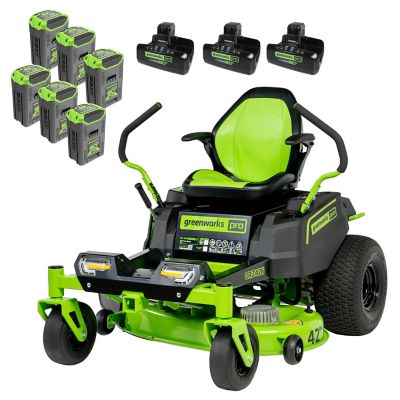
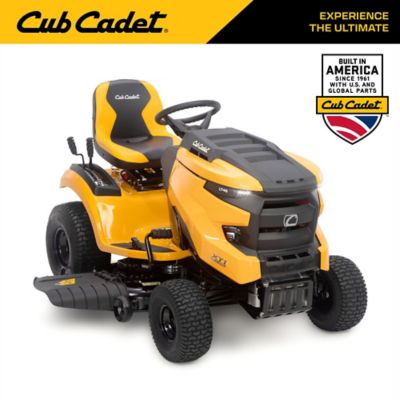
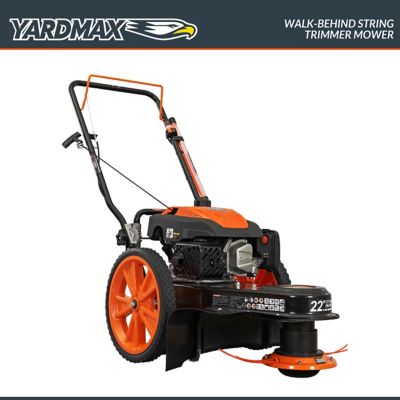
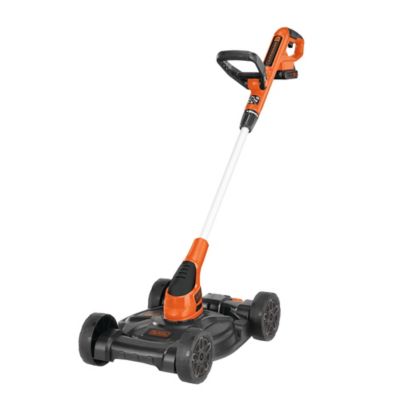
A standing lawn mower, more commonly called a stand-on lawn mower, puts the operator on a rear platform rather than in a seat. Most machines in this category pair a compact frame with zero-turn steering, using two control levers to manage the drive wheels independently. That setup helps the mower turn closely around planting beds, fence corners, and other features that break up a stretch of grass. The standing position can also improve the operator’s view of the cutting area and nearby obstacles, although visibility varies with the machine’s layout and the operator’s height. For landscaping crews, groundskeepers, and acreage owners with plenty of maintained lawn, the appeal comes down to getting around the property without wrestling a long machine through every turn. A shorter overall footprint can leave more room on a trailer or in an equipment shed than a comparable seated mower, but actual dimensions matter more than the category name. Stand-on equipment is especially suited to properties with a mix of open mowing space and close quarters, such as a broad front lawn that narrows into paths between outbuildings. It is lawn-cutting equipment, though, not a substitute for a brush cutter in saplings, woody growth, or rough pasture beyond its rated capability. The platform also makes entering and leaving the operating position straightforward when a route includes gates or areas that need inspection. Before stepping off to open a gate or clear an obstruction, disengage the blades, set the parking brake, shut off the engine, and follow the operator’s manual. Standing and seated machines share many steering characteristics, and the
Zero Lawn Mower page offers a related category to consider when comparing operating positions and mower layouts. The best match depends on the ground being maintained, the room around obstacles, and how comfortably the operator can handle the controls through a full mowing route.
Deck width is one of the biggest considerations for a stand-on mower because it affects both cutting coverage and access. A deck around 36 inches wide may suit smaller enclosed lawns, while widths around 48 to 52 inches can balance coverage with maneuverability on mixed properties. Decks around 60 inches or wider generally make more sense where long, open runs leave room to work. Those measurements describe cutting width, not necessarily the mower’s widest point. A discharge chute, tires, or other components can make the machine wider, so a nominal 36-inch deck does not guarantee passage through a 36-inch gate. Measure the narrowest opening and compare it with the manufacturer’s overall dimensions in the approved operating or transport configuration. Around a farmhouse with several fenced sections, getting through the gates can matter more than shaving a pass off the front yard. On open grounds, a wider deck can reduce the number of passes, but dips, crowns, and uneven turf still affect how evenly it cuts. Cutting-height range and adjustment design deserve attention, especially where different lawn areas need different settings. Anti-scalp wheels help support the deck over certain changes in terrain when properly adjusted, but they cannot make every rough patch suitable for mowing. Side discharge, mulching, and collection each handle clippings differently, and their suitability depends on the deck and compatible attachments. Mulching performance also depends on grass height, clipping volume, and blade condition; it is not simply a matter of closing an opening. Engine output, ground speed, and drive-system capacity should be considered alongside the deck rather than treated as separate bragging points. Thick grass may call for a slower pace even when the mower has plenty of travel speed. For operators maintaining several lawns in a day, fuel capacity, straightforward height changes, and access to routine service points can be just as useful as a broad cutting path.
Construction and operator fit have a lot to do with how a standing lawn mower holds up to regular work. Steel frames and steel cutting decks are common, with deck thickness, reinforcement, weld placement, and spindle support all contributing to the machine’s ability to handle its intended workload. A fabricated deck is built from formed steel sections joined together, while a stamped deck is shaped from a sheet of steel; either design needs to be evaluated as part of the complete mower rather than by its name alone. Coatings help protect metal surfaces, but packed grass and damaged finishes still need attention. At the operating position, a platform with secure footing, a supportive pad, and controls within comfortable reach can make repeated turns less tiring. Some stand-on mowers have platform suspension or cushioning, though the amount of support and adjustment varies. Standing allows the operator’s legs to absorb some movement, but it does not guarantee relief from back discomfort or fatigue. Platform space, control effort, and the operator’s ability to maintain a stable stance all matter. Some platforms fold for storage or transport; that feature alone does not mean the mower is approved for walk-behind operation. Follow the manufacturer’s instructions for operating modes, slope limits, loading, and tie-down points. Zero-turn maneuverability does not make steep banks, ditch edges, or pond margins safe mowing areas. Keep bystanders clear, wear the protective gear called for in the manual, and never carry a passenger. Long service life also depends on ordinary upkeep: clearing grass buildup after the machine is safely shut down, maintaining sharp and balanced blades, checking tire pressure, and inspecting belts and fasteners. Engine oil, filters, lubrication points, and hydraulic components need attention at the specified intervals. Before working beneath a deck, use the manufacturer’s approved support and blade-handling procedures. Accessible maintenance points and a clear service schedule help keep those tasks manageable, whether the mower handles one home place or travels between properties all day.