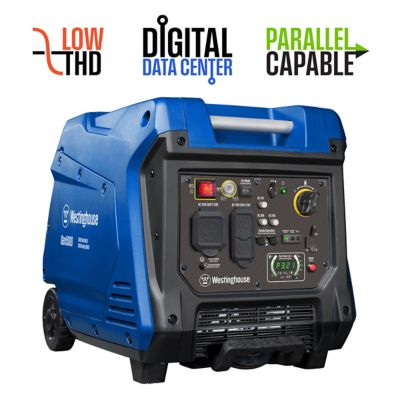
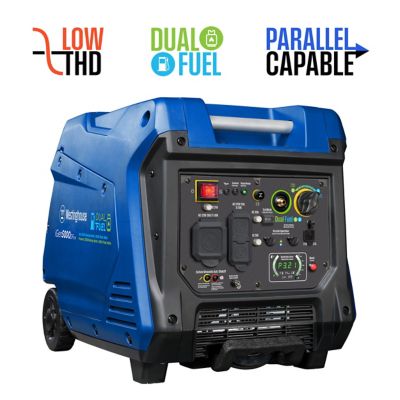
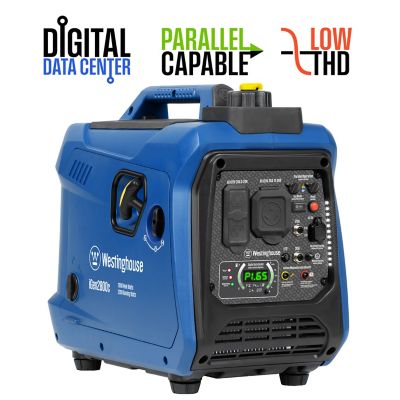
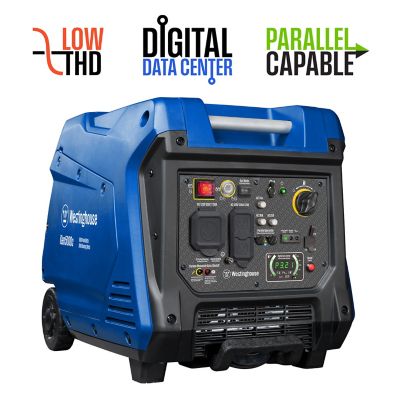
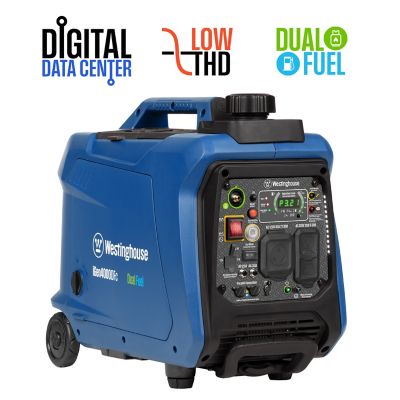
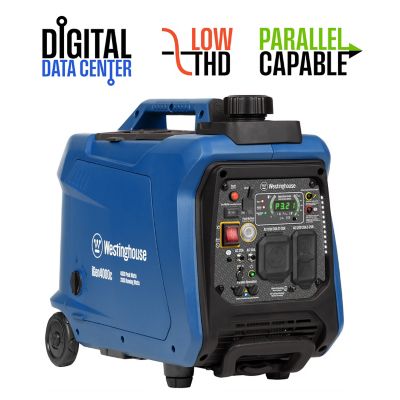
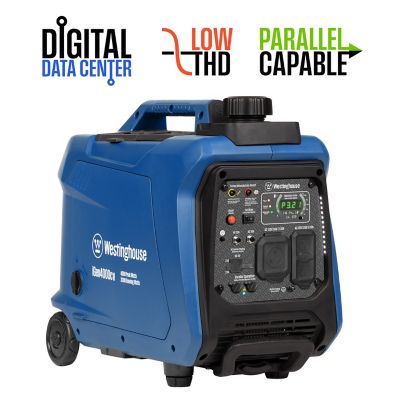
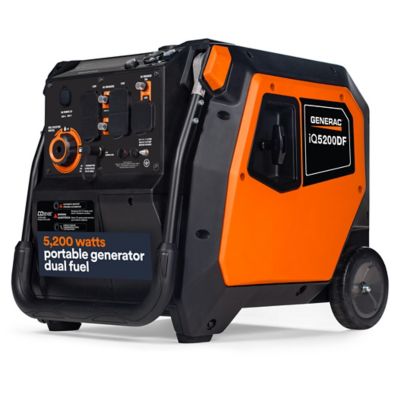
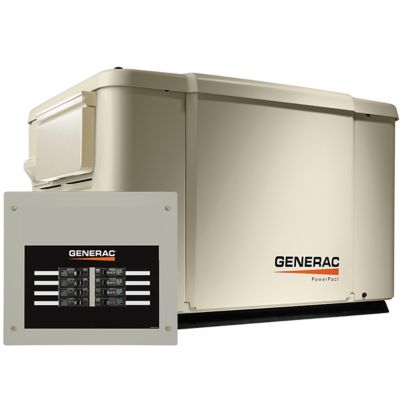
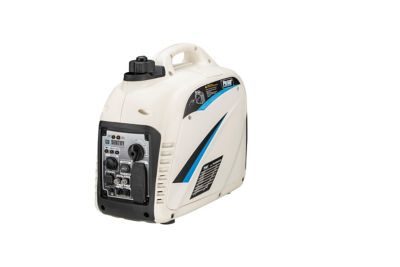
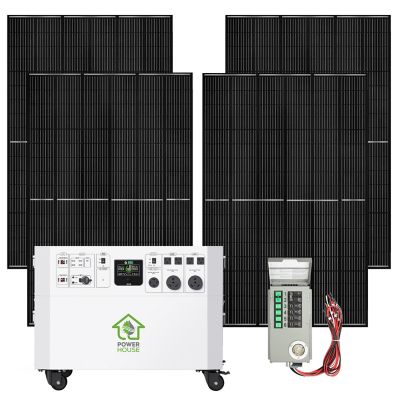
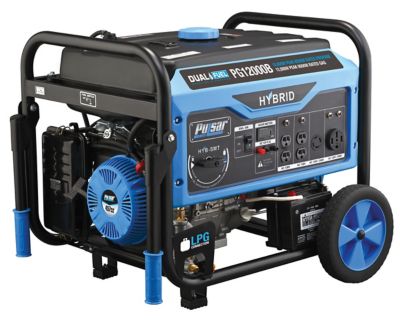
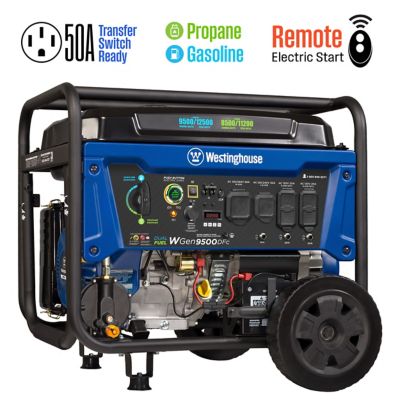
Variable speed generators are built to adjust engine speed to match the amount of electricity being used. Instead of running at full RPM the whole time, the generator can slow down when the load is light and increase speed as more equipment comes online. That makes them a practical choice for changing power needs, whether you’re keeping a refrigerator and a few lights running during an outage, powering tools around a property, setting up camp, or supplying electricity in an RV or marine environment. Many of these units use inverter technology or other power electronics to turn the generator’s changing output into steady electricity for connected devices. That stable power can be especially helpful for sensitive electronics such as televisions, computers, chargers, modern refrigerators, and medical equipment, though it’s always important to check the manufacturer’s specifications and follow any guidance from the equipment maker. During low-demand periods, a variable speed generator may use less fuel, run more quietly, and experience less engine wear than a conventional fixed-speed generator that operates at one constant speed. Actual savings, sound levels, runtime, and output depend on the model, fuel type, load, weather, maintenance, and how the unit is operated. Think of it like easing a tractor back at the end of a pass instead of keeping the engine wide open while you turn around: the power is there when you need it, but the machine doesn’t have to work harder than the job calls for. Before choosing a generator, make a list of the items you plan to run and note each appliance’s starting and running wattage. Motors in well pumps, freezers, air conditioners, compressors, and power tools can draw a short burst of extra power when they start, so sizing only by the everyday running load can leave you short when equipment kicks on. Add the starting watts of the largest motor-driven items you may use together, then compare that figure with the generator’s rated and peak output. A generator with enough capacity for your real needs will be more useful and easier to operate than one that is too small and constantly pushed to its limit.
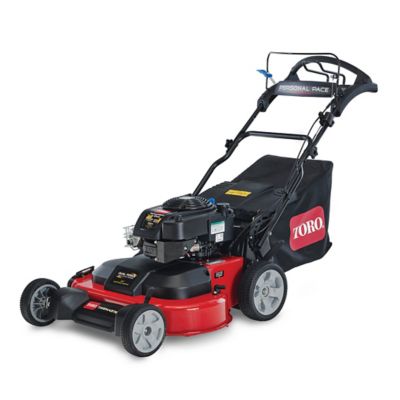
Portability, fuel, connection options, and operating environment also deserve a close look. A compact unit may suit tailgating, camping, light-duty work, or occasional emergency use, while a larger generator may be a better fit for a rural home, workshop, barn, jobsite, or property with a well and sump pump. Consider whether you need gasoline, propane, or dual-fuel operation, along with the availability and storage requirements of each fuel. Look for features such as electric start, recoil backup, low-oil shutdown, overload protection, fuel gauges, parallel capability, and a clear control panel. Wheel kits and folding handles can make a heavier generator much easier to move across a gravel drive, but even portable models should be placed on a stable, dry surface with plenty of clearance. Never operate a fuel-burning generator inside a house, garage, barn, shed, crawl space, RV, or other enclosed area. Exhaust contains carbon monoxide, an odorless gas that can become dangerous quickly. Keep the generator outdoors, well away from doors, windows, and vents, and use properly rated outdoor extension cords or a professionally installed transfer switch. A transfer switch is the right choice when connecting a generator to household circuits because it helps prevent dangerous backfeeding into utility lines. Follow the owner’s manual for grounding, fuel handling, oil changes, storage, and maintenance, and keep carbon monoxide alarms in appropriate areas of the home. Variable speed generators can be useful gifts for campers, hunters, anglers, RV owners, rural homeowners, contractors, and anyone who likes to be prepared for storms or unexpected outages. They can also be a thoughtful addition to a new workshop or a family member’s first off-grid setup, provided the recipient has a safe place to run and store the equipment. During the warmer season, one may power a campsite refrigerator, lights, fans, or small cooking appliances; as the weather turns cooler, it can help support essential household equipment when severe weather interrupts service. For other outdoor equipment that adjusts its operating pace to suit the job, explore
Variable Speed Lawn Mowers. As you compare generators, pay attention to rated watts rather than relying only on marketing terms, check noise ratings when quiet operation matters, and make sure the outlets match your cords and equipment. A little planning—measuring your loads, choosing a safe location, and keeping fresh fuel and maintenance supplies on hand—can make the difference between a generator that sits unused and one that earns its keep when the lights go out or the work needs to continue.