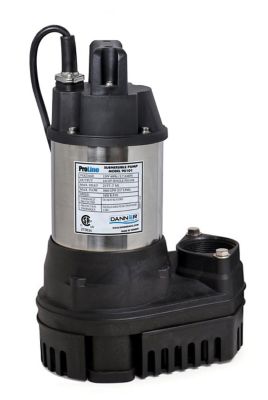
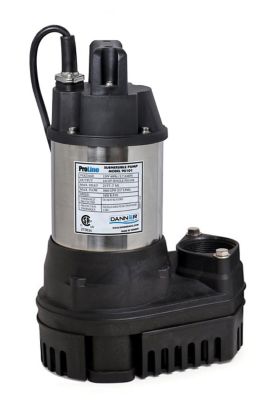
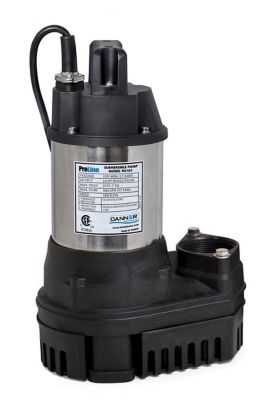
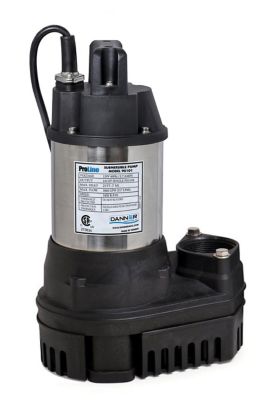
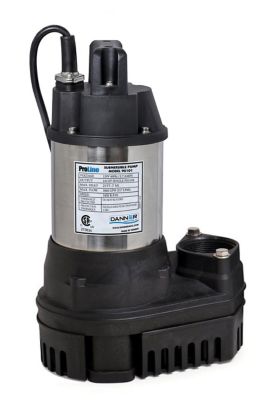
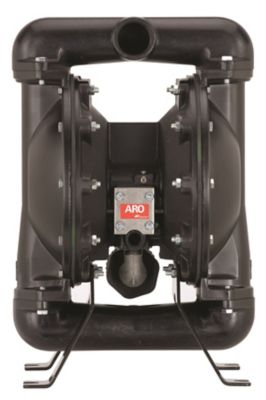
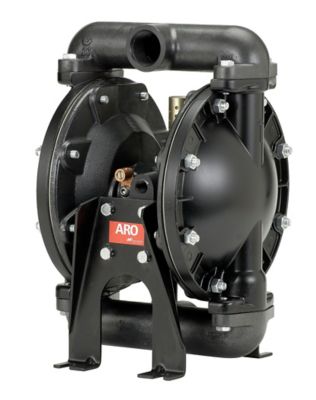
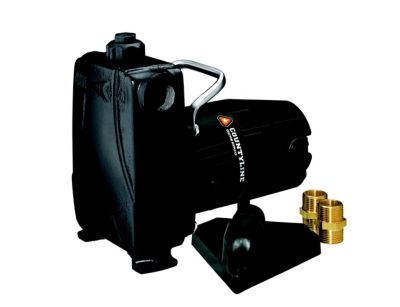
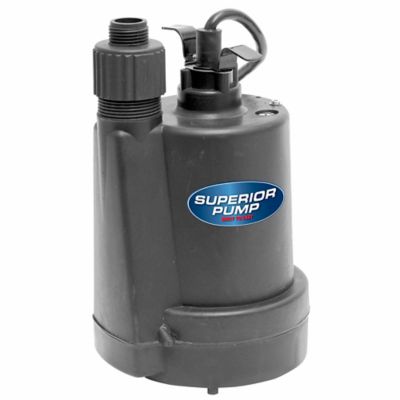
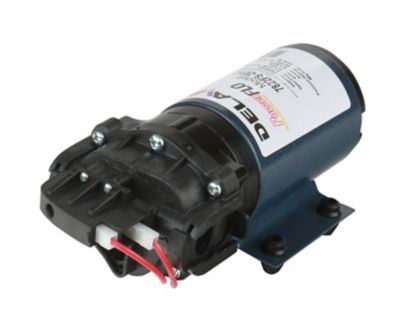
Recirculation pumps help move water through a plumbing system so hot water reaches a faucet faster, with less waiting at the tap. A hot water recirculation pump is typically installed near the water heater or on a return line and sends cooled water back toward the heater, keeping the supply moving through the home. That can be especially handy in a farmhouse, shop apartment, large ranch house or any building where the farthest sink or shower sits a long way from the water heater. Instead of letting the faucet run while cold water goes down the drain, you can get usable hot water sooner. This may help reduce water waste over time, though the actual savings depend on the plumbing layout, how often the system runs and how long the pipes stay warm. Recirculation pumps are used by homeowners, landlords, maintenance crews, remodelers and do-it-yourselfers with solid plumbing experience. They can also be a practical housewarming gift for someone moving into a larger home, finishing a guest bath or improving an older property. Before choosing a pump, look at the water heater type, pipe size, connection size, voltage, flow requirements and the manufacturer’s approved uses. A pump made for potable hot water service should be clearly rated for that job, while pumps for ponds, tanks, boilers or other systems may have different materials and performance requirements. For other water-moving jobs around the farm or property, browse
Centrifugal Pumps to compare equipment suited to a different kind of circulation or transfer.
The plumbing layout is one of the biggest choices when setting up a hot water recirculation system. Homes with a dedicated return line have a separate pipe that carries cooled water from the farthest fixture back to the water heater. This arrangement can offer steady, even circulation, but adding a return line to an existing home may require opening walls, accessing floors or working around finished spaces. A retrofit, crossover or bypass-style setup uses the existing cold water line as the temporary return path. A thermal sensor or crossover valve is generally installed beneath the sink farthest from the heater, allowing cooled hot water to move back through the cold line until the desired temperature is reached. That approach can be simpler for a renovation, although it may briefly make the cold tap warmer while the system is circulating. Check the installation instructions carefully, since valve placement and pipe direction matter. Recirculation pumps may operate continuously, on a timer, with a push button or through an on-demand control such as a motion sensor. Continuous operation can provide the most consistent hot water, but it may use more electricity and increase heat loss through exposed pipes. A timer can run circulation during busy morning and evening periods, while an on-demand setup keeps the pump off until someone needs hot water. Insulating accessible hot water lines can help hold heat in the pipes and reduce unnecessary cycling. In a rural home where the water heater sits in a basement, utility room or detached addition, those details can make a noticeable difference. Picture a chilly morning when you are filling a wash basin, rinsing muddy boots or getting ready for chores: a properly sized system can cut down on the familiar stretch of waiting beside a running faucet. The best setup balances convenience, water use, electrical consumption and the condition of the existing plumbing rather than simply choosing the highest-flow pump.
Installation should match the pump’s intended position, connection direction and control method, and the system should include any required check valves, isolation valves, temperature sensors or bypass components. Shut off power to the water heater and pump circuit before beginning electrical work, and shut off the water supply before opening plumbing connections. Many installations are best handled by a licensed plumber or qualified electrician, especially when new wiring, a dedicated return line or modifications near a gas water heater are involved. Follow local plumbing and electrical codes, and avoid guessing at connections based on appearance alone. A pump that is too small may not move water effectively through a long or restrictive loop, while an oversized pump can create unnecessary noise, energy use and stress on older fittings. Look for adjustable settings, durable corrosion-resistant construction, quiet operation and controls that fit the household routine. It is also worth checking whether replacement cartridges, seals or other service parts will be available later. During the warmer part of the year, inspect exposed piping and connections for damp spots, drips or mineral buildup before increasing circulation. During cooler weather, pay closer attention to uninsulated lines in crawl spaces, garages and outbuildings, where heat loss can be greater. A recirculation pump does not replace proper pipe insulation, a functioning water heater or sound plumbing joints, and it may reveal weaknesses in older systems by adding more regular movement and pressure changes. Keep an ear out for rattling, grinding or humming that changes suddenly, and turn off the system if you see a leak or notice unusual heat around wiring. With the right match for the plumbing layout and a sensible operating schedule, recirculation pumps can make everyday hot water service more comfortable while helping cut down on the water left running at the tap.