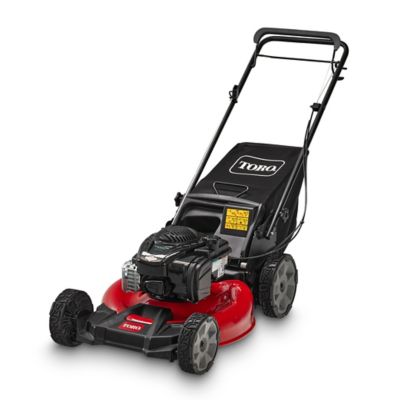
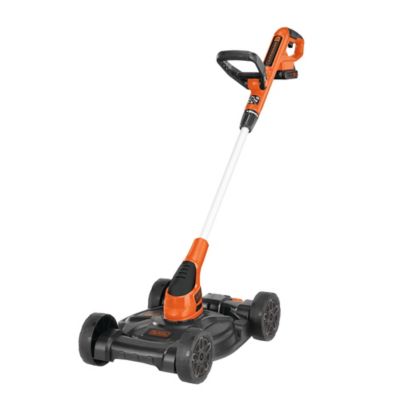
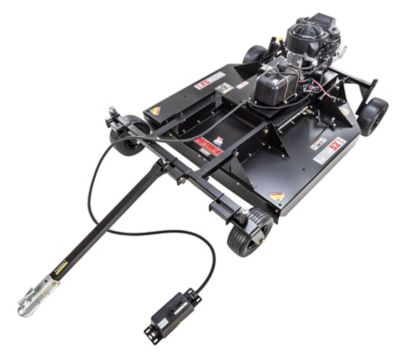
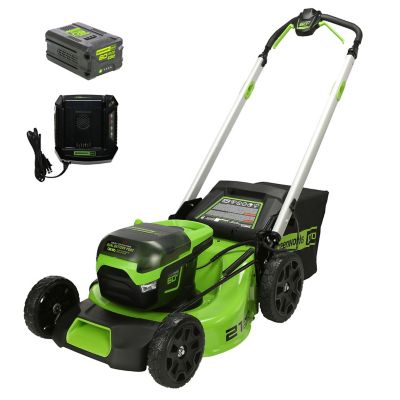
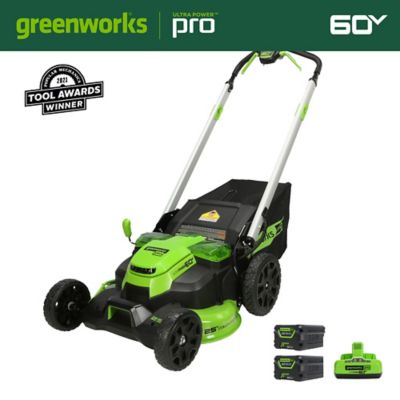
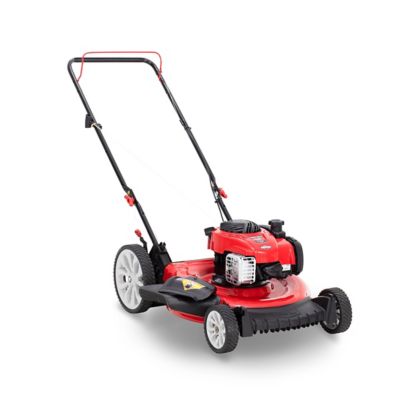
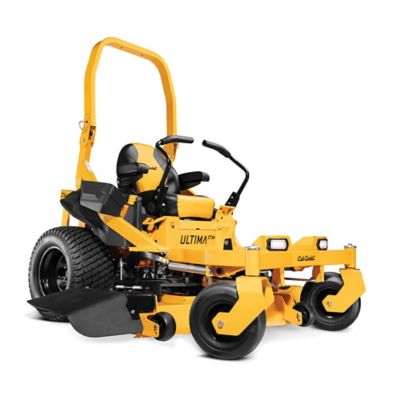
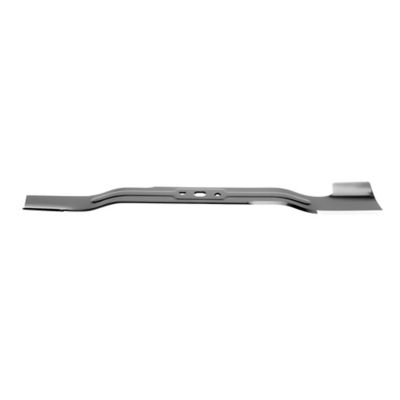
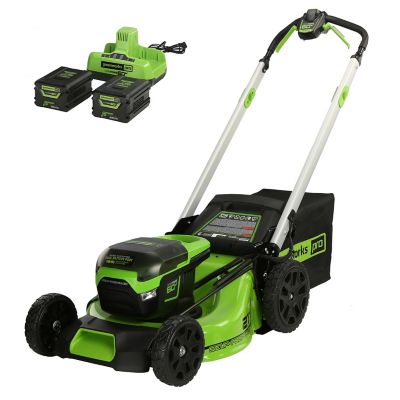
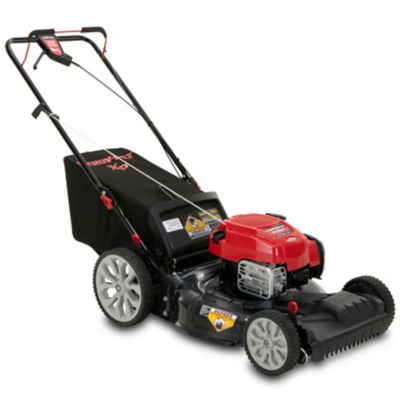
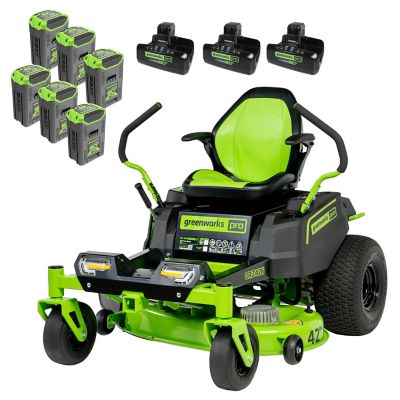
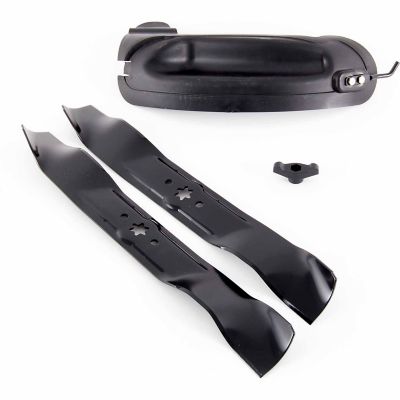
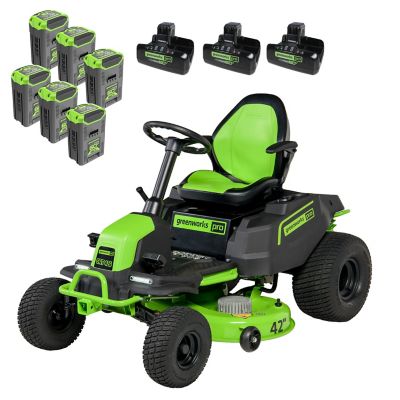
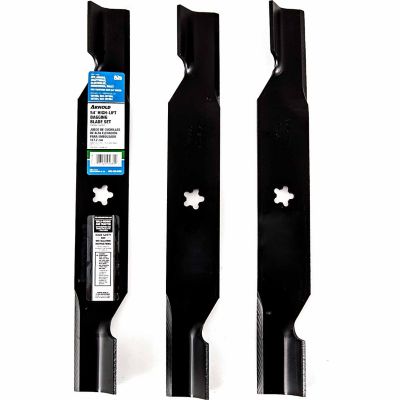
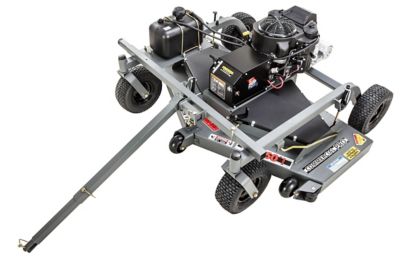
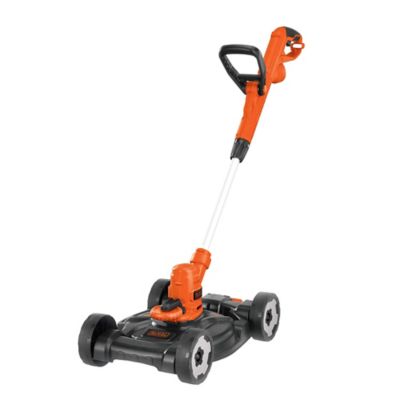
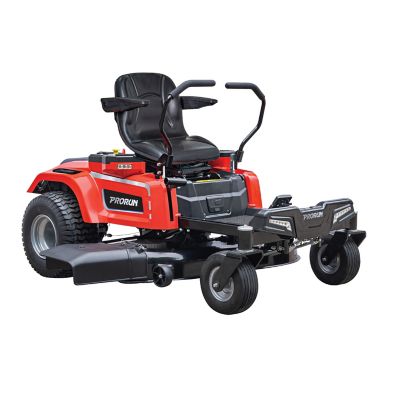
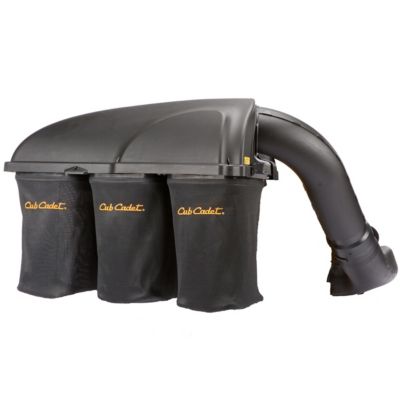
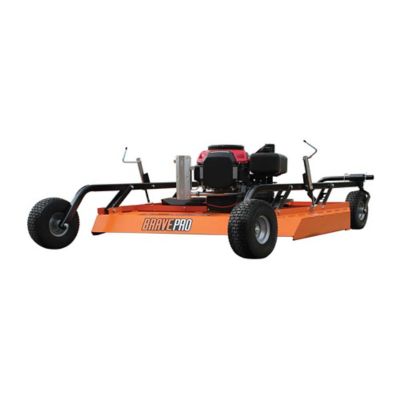
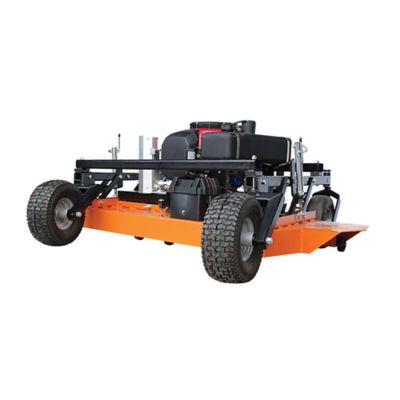
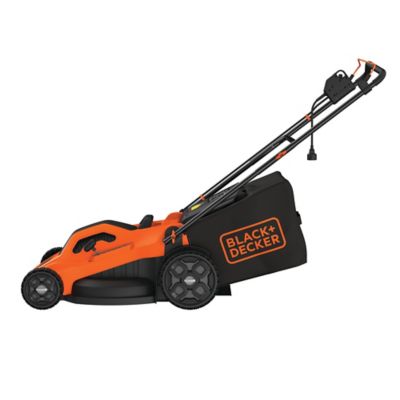
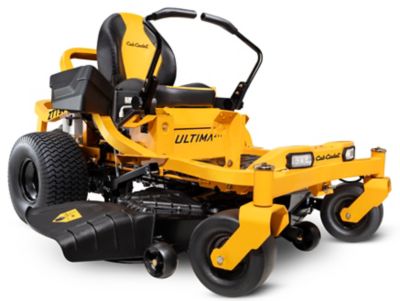
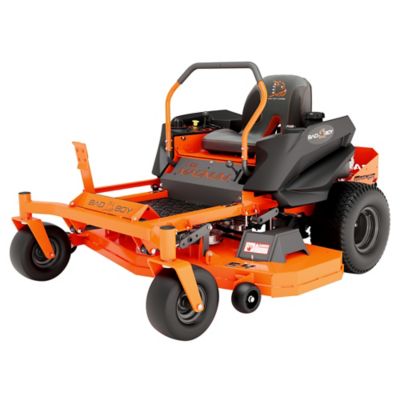
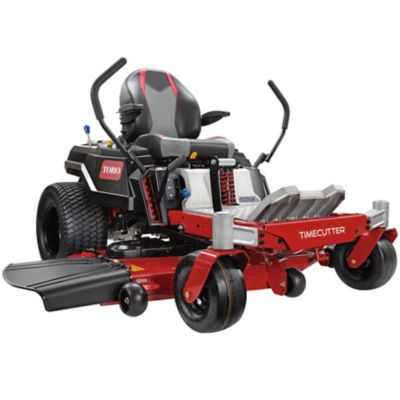
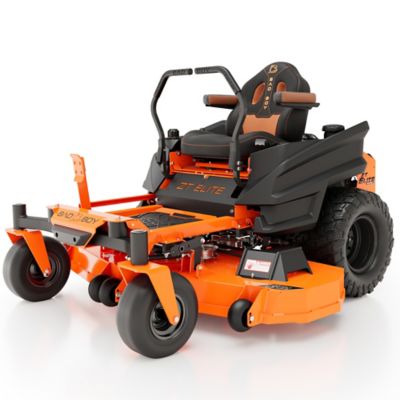
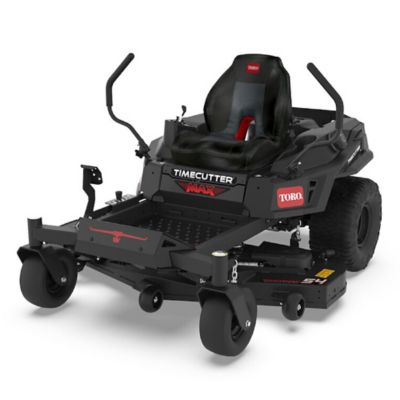
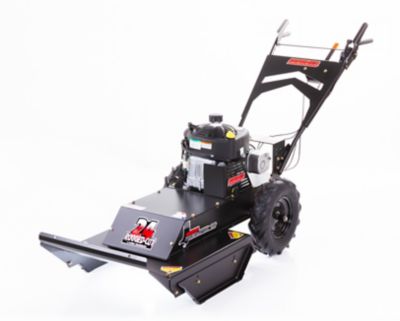
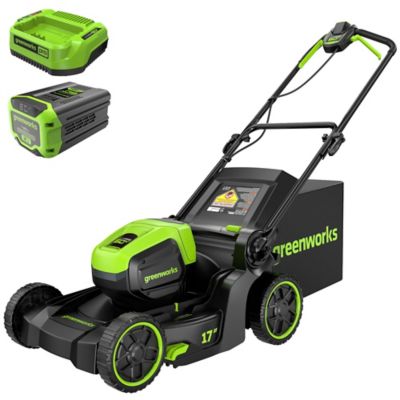
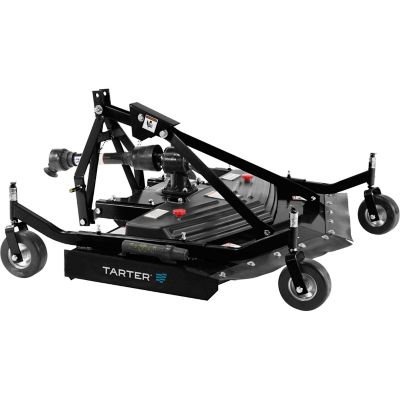
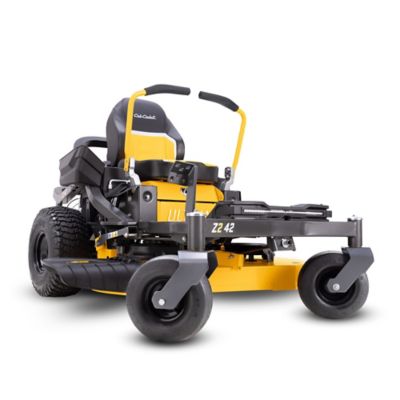
High-cut speed mowers are built for properties where an ordinary lawn mower can feel out of its depth. They combine a taller cutting range with the ground-covering ability to handle big lawns, rough pasture edges, vacant lots and overgrown sections of a rural property more efficiently. Depending on the style, that may mean a self-propelled walk-behind mower that lets you guide the machine through uneven grass, a wide-deck riding mower for open acreage or a heavy-duty field and brush mower made for tougher growth. The “high-cut” part matters when you want to leave grass taller for a more natural look, protect the soil from drying out or bring a neglected area back under control without scalping the ground. Look for a cutting deck that adjusts to at least 4 inches when maintaining taller turf is part of the plan. A higher setting can be especially useful during dry stretches, in rough areas with hidden stones and roots, or when mowing grass that has gotten ahead of you during a rainy season. For heavy brush, weeds and saplings, check the mower’s intended use, cutting capacity and safety instructions rather than assuming a tall cutting height alone makes it a brush mower. Some machines are meant for grass and weeds, while purpose-built rough-cut equipment may be designed to handle much thicker growth. Matching the mower to the job helps prevent premature wear and makes each pass safer and more productive. You can also browse
Field Mowers when the work calls for a machine suited to pasture edges, trails or heavier vegetation.
Speed is another important part of choosing a high-cut mower, but the fastest machine is not automatically the best fit for every property. Variable-speed controls, continuously variable transmissions and hydrostatic drives let you ease along around trees, garden borders, gates and livestock areas, then pick up the pace across a clear stretch. That control is handy on sloped ground, where a steady speed can feel much safer and more comfortable than fighting a mower that surges ahead. Walk-behind models with adjustable self-propelled speed can help keep the machine moving at a natural pace, whether you are making a careful pass beside a fence or covering a broad side yard. Riding mowers with a hydrostatic transmission offer similar control from the seat and can reduce the stop-and-start work involved in larger spaces. Deck width also affects how quickly a job gets done. A smaller deck may be easier to maneuver through narrow gates and around landscaping, while a wider deck—commonly ranging from about 30 to 72 inches across this category—can reduce the number of passes on large, open ground. Measure gates, storage doors and trailer ramps before buying, and keep in mind that a wider mower needs more room to turn. On rolling or uneven land, stability, tire size, steering response and the mower’s recommended slope rating deserve just as much attention as engine power. A machine that feels balanced and predictable is worth its weight when the ground gets soft or the grass is thick. Before mowing, walk the area and remove wire, loose tools, rocks and other objects that may be hidden under tall growth. Keep children, pets and livestock away from the work area, wear sturdy footwear and eye and hearing protection, and follow the manufacturer’s guidance for slopes, blade engagement, transport and maintenance.
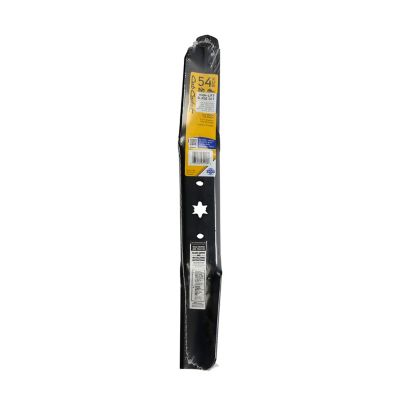
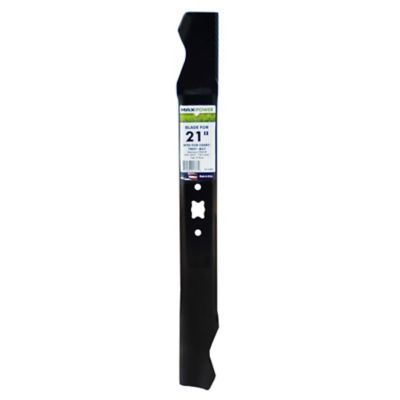
These mowers can be a practical choice for landowners, hobby farmers, small acreage owners, property managers and anyone responsible for keeping a large rural lot from turning into a jungle. They are useful for opening up a field after a stretch of warm, wet weather, clearing tall weeds along a driveway or fence line, maintaining a trail to a barn or pond, and keeping grass manageable around outbuildings. A homeowner with a few acres may appreciate a riding mower that shortens a long Saturday job, while someone maintaining a smaller but rougher patch may prefer a self-propelled walk-behind machine that can be stored in a shed and guided into tighter places. They can also make a thoughtful gift for a new acreage owner, a family member caring for inherited land or a neighbor who spends weekends improving trails and pasture edges, though the recipient’s terrain, storage space and comfort with outdoor power equipment should guide the choice. During the cooler months, it is smart to think beyond the last mowing pass and consider where the mower will live between jobs. A dry, covered storage spot helps protect the machine, and cleaning packed grass from the deck can make seasonal maintenance easier. Check belts, blades, tires, filters, battery connections and fluid levels according to the service schedule, and use fresh fuel or the recommended storage procedure for gas-powered equipment. Sharp, properly balanced blades give a cleaner cut and place less strain on the mower, while the right deck height and a manageable travel speed help avoid bogging down in tall grass. With the right combination of cutting height, speed control, deck size and terrain capability, a high-cut speed mower can turn a sprawling, overgrown chore into a steady stretch of work that leaves the property looking open, usable and ready for the next season.